
Drafting Default Notices for Promissory Notes
Master the essentials of creating enforceable default notices for installment promissory notes to protect your financial interests effectively.
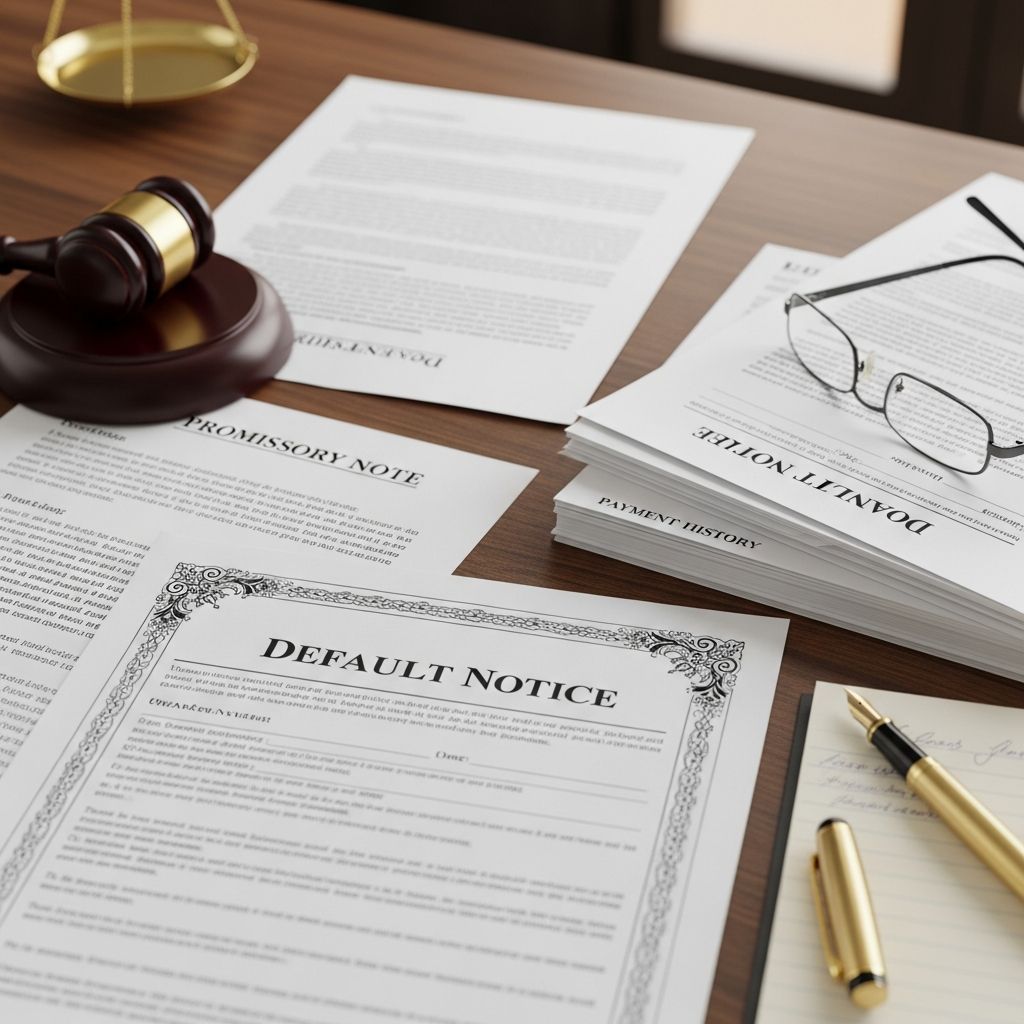
Installment promissory notes represent a common financing tool for loans repaid in scheduled payments, but defaults can arise when borrowers miss obligations. A notice of default serves as the critical first formal step, alerting the borrower to the breach and outlining remedies to avoid escalation like acceleration or legal action. This document must be precise to ensure enforceability and compliance with applicable laws.
Understanding Promissory Notes and Default Triggers
Promissory notes are written promises to repay a specified sum, often with interest, through regular installments. Defaults typically occur due to non-payment, but may also stem from other breaches like failure to maintain insurance or provide financial statements. Lenders must identify the exact default trigger before issuing notice, as vague language can undermine later enforcement.
Key default events include:
- Missed principal or interest payments beyond a grace period.
- Violation of covenants, such as unauthorized property alterations in secured notes.
- Bankruptcy filings or material misrepresentation by the borrower.
Recognizing these early allows lenders to act swiftly while providing borrowers a fair chance to rectify issues.
Essential Components of an Effective Default Notice
A robust notice of default must convey clear, actionable information to withstand scrutiny. Core elements include identification of parties, default description, cure instructions, deadlines, and consequences of inaction.
| Component | Description | Legal Purpose |
|---|---|---|
| Parties Involved | Full names and addresses of lender and borrower | Establishes clear communication channels |
| Default Details | Specific breach, e.g., ‘Missed payments from Date X totaling $Y’ | Enables borrower verification and targeted cure |
| Amount Due | Precise sum including principal, interest, fees | Prevents disputes over totals |
| Cure Period | Defined timeframe, often 10-30 days | Provides statutory opportunity to reinstate |
| Consequences | Acceleration, foreclosure, or collection actions | Notifies of escalation risks |
Including these ensures the notice functions as both warning and legal record.
Legal Requirements Across Jurisdictions
State laws dictate notice specifics, with many requiring written delivery and recording. In Florida, compliance with Chapter 702 mandates detailing missed payments and cure steps before acceleration. Minnesota statutes for certain mortgages demand notices covering default nature, cure actions, deadlines, acceleration warnings, reinstatement rights, and dispute options.
Non-judicial states may require county recorder filing, while judicial ones involve court submission. Lenders should review note terms and local statutes to tailor notices accordingly, often consulting counsel for complex cases.
Step-by-Step Guide to Preparing the Notice
Creating a notice demands methodical preparation:
- Review the Note: Confirm default provisions, grace periods, and notice clauses.
- Calculate Amounts: Tally arrears with supporting ledgers for accuracy.
- Draft Content: Use formal language, avoiding ambiguity; reference note sections explicitly.
- Specify Delivery: Note method per agreement, e.g., certified mail.
- Retain Records: Document all steps for potential litigation proof.
Sample structure might begin: ‘Notice is hereby given that the Borrower has defaulted under the Promissory Note dated [Date] by failing to pay installments due [Dates]. The amount to cure is $[Amount] due by [Deadline]. Failure to cure will result in acceleration of the full balance.’ Customize to fit specifics.
Delivery Methods and Proof of Service
Effective delivery is as vital as content. Common methods include:
- Certified mail with return receipt for tracking.
- Personal service via process server.
- Posting on property in some non-judicial foreclosures.
Many notes specify methods; adherence prevents challenges. Lenders should file affidavits of service and retain copies, as courts often demand proof.
Borrower Options After Receiving Notice
Recipients have avenues to respond:
- Cure Default: Pay exact amount within deadline to reinstate.
- Negotiate Forbearance: Request modified terms like payment plans.
- Dispute Errors: Challenge if payments were made or calculations wrong.
- Seek Counseling: Consult HUD-approved advisors for alternatives.
Acting promptly preserves credit and avoids acceleration, where full balance becomes due immediately.
Consequences of Ignoring the Notice
Non-response triggers severe outcomes: loan acceleration demanding full repayment, credit damage via reporting, and pursuit of collateral through foreclosure or repossession. Public recording impacts property marketability and borrower finances long-term. Early intervention averts these repercussions.
Best Practices for Lenders
To optimize notices:
- Issue promptly after default confirmation.
- Use attorney-drafted templates for compliance.
- Communicate empathetically pre-notice to foster cures.
- Monitor responses and document interactions.
- Stay updated on law changes via state bar resources.
These steps minimize litigation risks and recovery costs.
Common Mistakes to Avoid
Pitfalls include incomplete details, premature issuance, improper delivery, or ignoring note variances. Overlooking fees or interest calculations invites disputes; always verify math. Failing to record where required can halt processes.
Frequently Asked Questions
What is a notice of default for a promissory note?
A formal alert to borrowers of loan breaches, detailing cures and deadlines before escalation.
How long do borrowers have to respond?
Typically 10-30 days, varying by note and state law.
Can notices be sent via email?
Only if specified in the note; otherwise, use certified mail or personal service.
What if the borrower disputes the default?
They should notify lender immediately with evidence; negotiation or court may follow.
Does a default notice appear on credit reports?
Not automatically, but unresolved defaults often do after 30 days.
Protecting Your Interests Proactively
Lenders benefit from clear note drafting upfront, specifying notice terms and remedies. Regular portfolio monitoring and borrower communication reduce defaults. For secured notes, perfecting liens ensures robust enforcement options.
Borrowers can mitigate risks by understanding terms, budgeting installments, and seeking aid early. Both parties gain from transparent processes minimizing disputes.
References
- Notice of Default – Legal Glossary Definition 101 — Barnes Walker. 2023. https://barneswalker.com/legal-glossary/n/notice-of-default/
- Notice of Default: Understanding Your Rights and Obligations — US Legal Forms. 2024. https://legal-resources.uslegalforms.com/n/notice-of-default
- Notice of Default – Overview, Contents, How It Works — Corporate Finance Institute. 2024-01-15. https://corporatefinanceinstitute.com/resources/commercial-lending/notice-of-default/
- What Is A Notice Of Default? — Bankrate. 2025-06-10. https://www.bankrate.com/mortgages/notice-of-default/
- Best Practices for Mortgage Lenders when Notifying Borrowers of Default — Gislason & Hunter. 2023-05-20. https://www.gislason.com/best-practices-for-mortgage-lenders-when-notifying-borrowers-of-default/
Similar Articles








Read full bio of medha deb


