
Dog Bite Severity Levels: 6 Dunbar Scale Stages Explained
Explore the Dunbar Dog Bite Scale: from minor nips to fatal attacks, learn severity levels, medical needs, and legal implications.
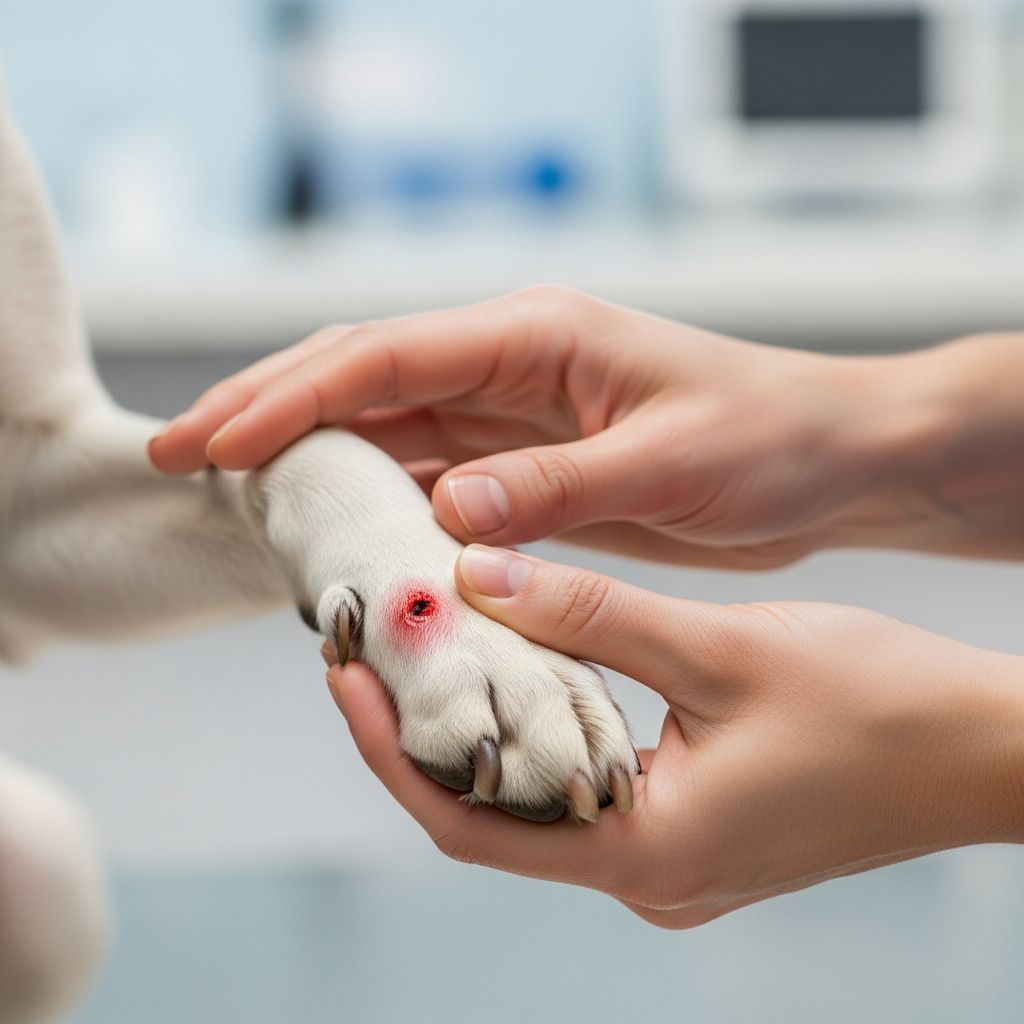
Dog bites affect thousands annually, ranging from harmless snaps to life-threatening assaults. The Dunbar Dog Bite Scale, developed by veterinarian Dr. Ian Dunbar, standardizes these incidents into six escalating levels based on physical damage, intent, and outcome. This classification aids victims, healthcare providers, and legal professionals in assessing risks and pursuing appropriate responses.
Origins and Purpose of the Dunbar Scale
Dr. Ian Dunbar created this scale to quantify bite severity objectively, moving beyond subjective descriptions. It evaluates factors like skin penetration depth, number of bites, tissue damage, and lethality. Levels 1 and 2 account for over 99% of incidents, typically involving fearful or excitable dogs rather than dangerous ones. The framework promotes better training for owners, informed medical decisions, and fair legal accountability.
By categorizing bites, the scale highlights patterns: lower levels often stem from poor socialization, while higher ones indicate predatory aggression. This distinction influences everything from veterinary interventions to court rulings on dog ownership liability.
Level 1: Signs of Aggression Without Contact
The mildest category involves no physical injury. Dogs display warning behaviors like intense staring, stiff posture, growling, or lunging without touching the skin. Victims experience emotional distress, such as fear or anxiety, but no wounds.
These encounters signal discomfort or fear in the dog. Owners should recognize these cues to prevent escalation. No medical treatment is needed, but documenting the event helps if patterns emerge. Prevention focuses on training and avoiding triggers like resource guarding.
Level 2: Tooth Contact Without Puncture
Here, teeth graze or press against the skin, causing redness, superficial scratches, or minor bleeding without breaking the skin’s full barrier. The damage resembles a nip or scrape, not a true bite.
Level 2 incidents often arise from playful overexcitement or warning snaps. Clean the area with soap and water, apply antiseptic, and monitor for infection. Though minor, these warrant attention, especially for children or immunocompromised individuals. Legally, they rarely lead to claims unless repeated.
Level 3: Shallow Punctures from Single Bite
A single bite creates one to four punctures, none deeper than half the dog’s canine tooth length. Skin tears slightly in one direction, possibly from pulling away, with minimal bruising.
- Injuries: Superficial wounds, light bleeding, no muscle involvement.
- Treatment: Cleaning, bandages, antibiotics if needed. Stitches rare.
- Recovery: 1-2 weeks; scars minimal.
These bites require prompt care to avoid infection. In California, settlements range from $2,500-$10,000, covering medical bills and lost wages. Report to animal control for observation.
Level 4: Deep Single Bite with Tissue Damage
Severity increases: one to four deep punctures from a single bite, at least one exceeding half the canine tooth depth. Expect bruising, lacerations in multiple directions from shaking, and possible nerve or vessel involvement.
| Aspect | Details |
|---|---|
| Injury Depth | Deep punctures, tearing |
| Treatment | Stitches, surgery, antibiotics, pain management |
| Complications | Infection, scarring, nerve damage |
| Settlement Range | $10,000-$50,000 |
Level 4 signals serious threat; dogs may face quarantine or euthanasia. Victims often need physical therapy and psychological support for trauma.
Level 5: Multiple Severe Bites and Mutilation
Involves repeated attacks: at least two Level 4-equivalent bites or multi-attack with deep damage each time. Extensive skin/muscle tears, bone exposure, and organ risks occur.
- Characteristics: Crushing, disfigurement, disability potential.
- Medical Needs: Emergency surgery, reconstruction, long-term rehab, PTSD therapy.
- Legal Outcomes: High settlements ($50,000+), owner liability strict.
These dogs exhibit uncontrolled aggression, demanding immediate removal from public access.
Level 6: Fatal Dog Attacks
The deadliest level: bites causing death via massive tissue destruction, blood loss, or organ failure. Victims suffer lethal wounds; dogs are classified as killers.
Families pursue wrongful death suits, with awards from $250,000 to millions, factoring negligence and prior incidents. Public safety protocols mandate euthanasia and breed-specific investigations.
Immediate Medical Response to Dog Bites
Regardless of level, rush to a doctor. Wash wounds thoroughly, stop bleeding, and seek evaluation for rabies, tetanus, or bacterial risks like Pasteurella. Higher levels demand imaging, surgery, and antibiotics.
Children, elderly, and those with health issues face amplified dangers. Track all treatments for insurance and legal claims.
Legal Rights and Compensation After a Bite
Most U.S. states enforce strict liability for dog bites, holding owners responsible regardless of prior knowledge. Document everything: photos, witnesses, medical records.
- Potential Damages: Medical costs, lost income, pain/suffering, emotional distress.
- Dog Status: Levels 4+ trigger “vicious dog” labels, bans, or euthanasia.
- Statute of Limitations: Typically 1-3 years; act fast.
Consult attorneys specializing in premises liability or animal attacks for maximized recovery.
Preventing Dog Bites: Owner Responsibilities
Prevention starts with responsible ownership. Socialize puppies early, train obedience, and supervise interactions. Recognize breed traits—some like Pit Bulls or Rottweilers require extra vigilance.
Muzzles in public, secure fencing, and behaviorist consultations reduce risks. Educate families on safe approaches: no teasing, respect space.
Common Myths About Dog Bites
Myth 1: Small dogs can’t inflict serious harm. Reality: Chihuahuas score on the scale too; size doesn’t exempt severity.
Myth 2: One bite is isolated. Reality: Levels 3+ predict repeats without intervention.
Myth 3: All bites are provoked. Reality: Owner negligence often underlies “unprovoked” attacks.
Frequently Asked Questions
What should I do immediately after a dog bite?
Clean the wound, apply pressure, seek medical help promptly, and report to authorities.
Does dog breed affect bite level classification?
No, the scale focuses on damage, not breed, though statistics show patterns in certain types.
Can I sue for a Level 2 bite?
Possibly, if it causes ongoing fear or minor costs, but claims are weaker.
How long after a bite can infection appear?
Up to 24-48 hours; monitor closely.
Are vaccinations required post-bite?
Yes, rabies prophylaxis if the dog’s status is unknown.
References
- Dog Bite Classifications and When to See a Doctor — Joubert Law Firm. 2021-04-01. https://www.joubertlawfirm.com/blog/2021/april/dog-bite-classifications-and-when-to-see-a-docto/
- Dunbar Dog Bite Scale Explained — Zinda Law Group, PLLC. Accessed 2026. https://www.zdfirm.com/blog/dog-bite-levels/
- Dog Bite Level Chart by Dunbar Bite Scale — Helbock Law. Accessed 2026. https://www.helbocklaw.com/dog-bite-level-chart/
- Understanding Dunbar Bite Levels — Zagoria Law Firm. Accessed 2026. https://www.lawzagoria.com/understanding-dunbar-bite-levels/
- Dr. Ian Dunbar’s Dog Bite Scale (Official Authorized Version) — Association of Professional Dog Trainers (APDT). 2017-01. https://apdt.com/wp-content/uploads/2017/01/ian-dunbar-dog-bite-scale.pdf
Similar Articles








Read full bio of Sneha Tete


