
Do You Need to File or Record Your Will?
Understand when a will must be filed, when recording is optional, and how to keep your estate plan both valid and easy to find.
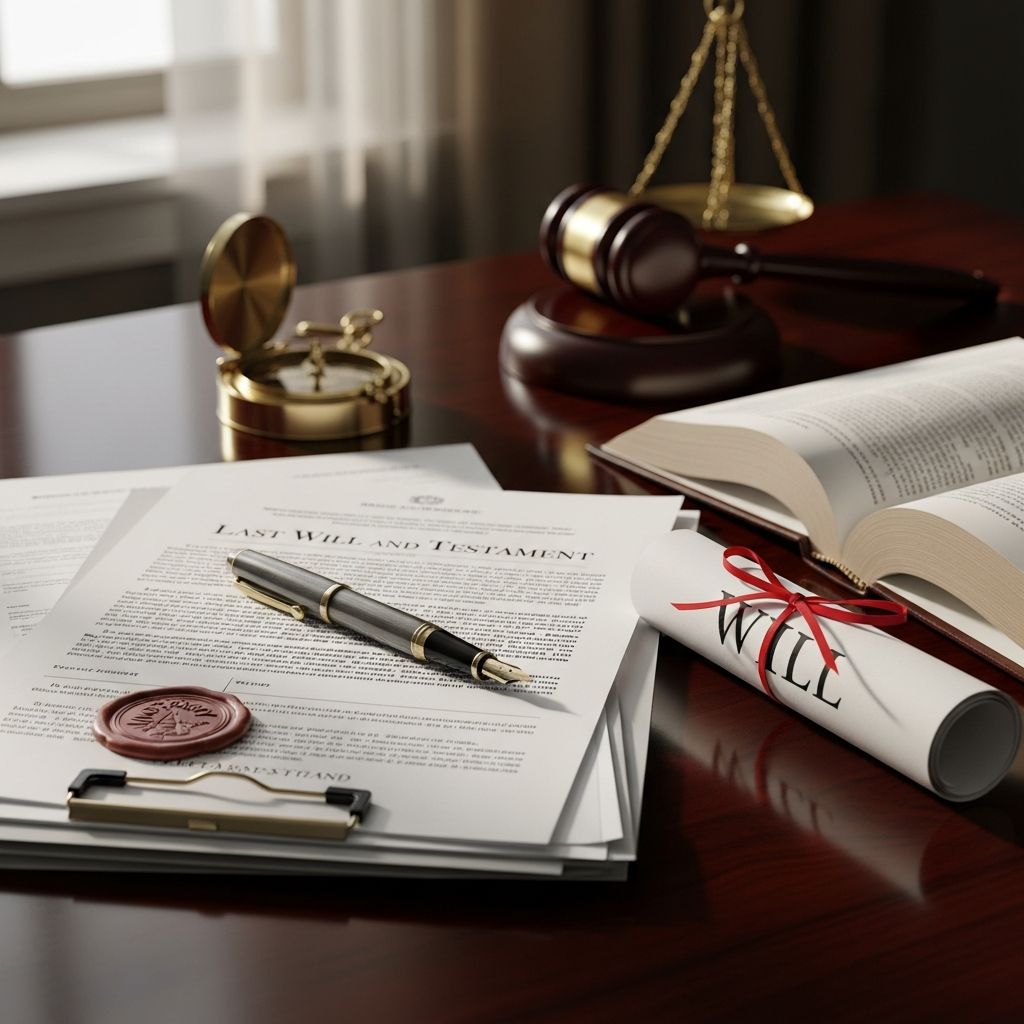
A last will and testament is one of the most important estate planning documents you will ever sign. Yet many people are unsure what to do with a will once it is executed: Does it have to be filed with a court? Should it be recorded somewhere? Is it supposed to be public? This guide explains how recording and filing a will work in the United States, why the rules are tied to the probate process, and what practical steps you can take to keep your will both safe and effective.
Key Takeaways About Recording a Will
- Recording a will usually means placing it in a public land or court record so others can access it.
- In most U.S. states, you do not have to record a will while you are alive for it to be legally valid, as long as it meets the state’s execution requirements.
- A will generally becomes a public record after it is admitted to probate following the testator’s death.
- Some jurisdictions allow you to deposit a will with a court for safekeeping, which is different from making it part of the public record.
- The rules for when a will must be filed or recorded are largely state-specific, and often tied to real estate and probate statutes.
What Does It Mean to “Record” a Will?
In legal practice, the word recording has a precise meaning. In property law, recording is the act of filing a document that affects property rights with a government office so that it becomes part of the public record. This is common with deeds and mortgages, and similar principles apply when wills are recorded after probate.
| Term | Typical Meaning | Effect on a Will |
|---|---|---|
| Filing | Submitting a document to a court as part of a case or proceeding | Filing a will with the probate court usually starts the probate process after death. |
| Recording | Placing a document in an official land or court record that is indexed and publicly searchable | Once a will is admitted to probate, it is often recorded and becomes a public record. |
| Depositing | Leaving a document with a court or clerk for safekeeping without making it public | Some states let you deposit a will while you are alive; access is limited until you die. |
Many people use these terms interchangeably in everyday conversation, but legally they describe different actions with different consequences for privacy and access.
Is a Will Valid Only if It Is Recorded?
In general, a will does not need to be recorded to be valid. What makes a will enforceable is compliance with your state’s execution rules, not whether it appears in a public record.
Common Legal Requirements for a Valid Will
While each state has its own statutes, many follow a similar framework. For example, Virginia law requires that a will:
- Be in writing, and
- Be signed by the testator (or by another person at the testator’s direction), and
- Either be entirely in the testator’s handwriting (a holographic will), or be signed or acknowledged by the testator in the presence of at least two competent witnesses who sign in the testator’s presence.
These rules, or similar ones, are what determine whether a will is legally valid. Recording has more to do with notice and administration than with validity.
When Must a Will Be Filed with a Court?
Most states require that, after a person dies, any person holding the original will must deliver or file it with the appropriate court within a certain period. The applicable court is typically the probate court in the county where the decedent lived or owned real property.
Filing the will usually serves two functions:
- It allows the court to determine whether the document should be admitted to probate as the decedent’s last will and testament.
- It triggers appointment of a personal representative (executor or administrator) to handle the estate under court supervision.
Once a court accepts the will and opens a probate file, the will often becomes accessible as part of the court record, and in many jurisdictions it is then recorded permanently in a will or probate book maintained by the clerk’s office.
Recording a Will While You Are Still Alive
Many people ask whether they can or should record their will in advance, during their lifetime. The answer differs by state, and it is important to distinguish between public recording and private depositing.
Public Recording Before Death
- In some states, you may have the option to record a will with a probate clerk before death, but this is generally not required for validity and may not provide legal advantages beyond safekeeping.
- In other states, the clerk’s authority to record a will is triggered only after a death and admission to probate, so a living testator cannot unilaterally make the will a recorded public document.
Because recorded documents are usually open to public inspection, pre-death recording can raise privacy concerns. Anyone who searches public records may be able to see your testamentary plan, including what you leave to particular beneficiaries.
Depositing a Will for Safekeeping
Several states authorize courts or clerks to accept wills for safekeeping while the testator is alive. This process typically works as follows (details vary by jurisdiction):
- The testator or their attorney delivers the original, signed will to the clerk.
- The clerk issues a receipt noting the date and identity of the testator.
- The will is stored in a secure file and is not open to public inspection.
- Access before death is usually limited to the testator, a legally authorized agent, or the testator’s attorney.
- After the testator’s death and proof of death, the clerk releases the will for probate.
This approach can provide more security than home storage, without turning your estate plan into a public record before you die.
When and Why Wills Become Public Record
As a general rule, a will remains private while you are alive, unless you voluntarily place it in a public record. After death, however, wills admitted to probate typically become public documents.
Reasons wills become public include:
- Transparency in probate: Probate is a court proceeding that affects creditors, heirs, and beneficiaries. Public access helps ensure fairness and accountability.
- Notice regarding real property: When a will affects land, recording it can give constructive notice to buyers, lenders, and other parties that someone has a claim to the property under the will.
- Permanent recordkeeping: Recording creates a durable, indexed record that future researchers, title companies, and heirs can locate even decades later.
Some state statutes specifically link recording of a probated will to the protection of good-faith purchasers of real estate. For example, Virginia law directs clerks to record wills admitted to probate and provides rules governing the rights of purchasers who buy property without notice of a devise in a will that has not been timely recorded.
Practical Options for Storing Your Will
Whether or not you record your will, where you keep the original document is crucial. Courts ordinarily require the original for probate; a copy may be harder to prove if the original cannot be located.
Common Storage Choices
- Home storage in a fire-resistant safe
Good for privacy and quick access, but vulnerable if no one knows the combination or if the safe is lost or damaged. - Safe deposit box
Offers strong physical security, but your executor may have difficulty gaining access promptly after death, depending on state law and bank policies. - Attorney’s office
Many law firms maintain secure vaults or files for clients’ estate planning documents. This can simplify later probate because the drafting attorney is easy to identify. - Court or clerk depository (if available)
Provides official safekeeping under a statute. Access is controlled and documented, which can reduce disputes.
Best Practices for Accessibility
Wherever you store your will, consider these steps:
- Tell your executor and at least one alternate where the will is kept and how to access it.
- Keep a short written instruction sheet with your important papers naming your lawyer and the location of the original will.
- Ensure your estate plan is consistent across documents (for example, beneficiary designations on retirement accounts should align with your overall plan).
How Recording Interacts with Real Estate
Recording is especially relevant when your will disposes of real property, such as a house or land. In property law, recording systems are designed to provide notice of interests in land to prevent fraud and protect good-faith purchasers.
Some state laws require:
- That a will affecting real estate be admitted to probate and recorded within a particular time after death to preserve the devise against later purchasers.
- That certified copies of a probated and recorded will be recorded in each county where the decedent owned property, so local land records reflect the change in ownership.
If recording deadlines are missed, statutes may protect buyers who purchased in good faith without actual or constructive notice of the will. This is another reason for executors to act promptly after death, especially when the estate includes real property.
Situations Where Recording May Be Helpful
Even when not required, recording or depositing a will – or creating a “self-proving” will file – can be strategically useful.
- Reducing future evidentiary burdens: Some states allow wills to be recorded with witness affidavits to create a self-proving instrument, simplifying probate because the court can rely on the recorded affidavits rather than calling witnesses.
- Ensuring safe, central storage: Recording or depositing your will with a court can ensure it is not lost, destroyed, or hidden by a disgruntled relative.
- Providing clear notice of intent: Where land is involved, recording a will (or a certified copy after probate) can prevent later disputes about who owns the property.
On the other hand, recording before death may not be ideal if you are concerned about keeping your estate plan private or if you anticipate making frequent changes.
Privacy, Updates, and Revocation
A will is not a static document. Many people update their estate plans several times over a lifetime, due to marriage, divorce, births, deaths, or significant changes in wealth.
- Privacy: Recording a will early can expose details you later decide to change. A new will may supersede the first, but the earlier recorded version may still exist in public files.
- Updates: If you revise your will, you must also ensure any deposited or recorded versions are updated or clearly superseded. Failing to do so can cause confusion at probate.
- Revocation: Destroying an old original will is not always enough; if it has been filed or deposited with a court, additional steps may be required to document revocation under state law.
Because revocation and amendment rules are highly jurisdiction-specific, these issues are best handled with guidance from a qualified estate planning attorney in your state.
Frequently Asked Questions (FAQs)
Does my will have to be recorded while I am alive?
In most U.S. states, you do not have to record your will while you are alive for it to be valid. Validity depends on meeting your state’s execution requirements, such as signing and witnessing, not on recording.
When does a will become part of the public record?
A will usually becomes public once it is admitted to probate after the testator’s death. At that point, it is typically filed in the court’s probate docket and may be recorded permanently by the clerk.
Can I keep my will completely private forever?
If your estate plan uses only non-probate mechanisms (such as certain types of trusts or beneficiary designations) and no will is probated, then your dispositive documents may remain largely private. But if your will goes through probate, the document itself is ordinarily open to public inspection.
Should I store my will in a safe deposit box?
A safe deposit box can protect your will physically, but it can also create access problems for your executor immediately after your death. Some states require a court order or special procedures to open a decedent’s box. Alternatives such as an attorney’s vault or a court depository may be easier for your executor to access.
Do I need a lawyer to decide where to file or record my will?
State recording and probate rules can be technical and vary significantly by jurisdiction. Consulting a local estate planning attorney can help you choose the best combination of valid execution, secure storage, and appropriate filing for your situation.
References
- § 64.2-403. Execution of wills; requirements — Code of Virginia, Virginia Law (legislature). 2012-10-01. https://law.lis.virginia.gov/vacode/title64.2/chapter2/section64.2-403/
- Wills in Virginia — Virginia State Bar. 2020-01-01. https://vsb.org/IN/Site/news/pubs/wills-va.aspx
- Does a Will Have to Be Recorded in Virginia? — PJI Law, PLC. 2023-08-01. https://pjilaw.com/does-a-will-have-to-be-recorded-in-virginia/
- Does a Will have to be Recorded? — Wilson Ratledge, PLLC. 2017-01-01. https://www.wrlaw.com/2017/01/does-a-will-have-to-be-recorded/
- Do I Have to File or Record My Will with a Court for it to be Valid? — Smith & Doran, PC. 2019-05-01. https://www.smith-doran.com/wills-estates-trusts-business-law/do-i-have-to-file-or-record-my-will-with-a-court-for-it-to-be-valid/
- Are Wills Public Record? How to Find Out if Someone Has a Will — Keystone Law Group. 2022-03-15. https://keystone-law.com/are-wills-public-record
- Recording — Legal Information Institute, Cornell Law School. 2021-01-01. https://www.law.cornell.edu/wex/recording
Similar Articles








Read full bio of Sneha Tete


