
DIY Wills: Benefits, Risks, And When To Use Them
Discover the advantages of creating your own will and the serious pitfalls that could undermine your estate plans and family harmony.
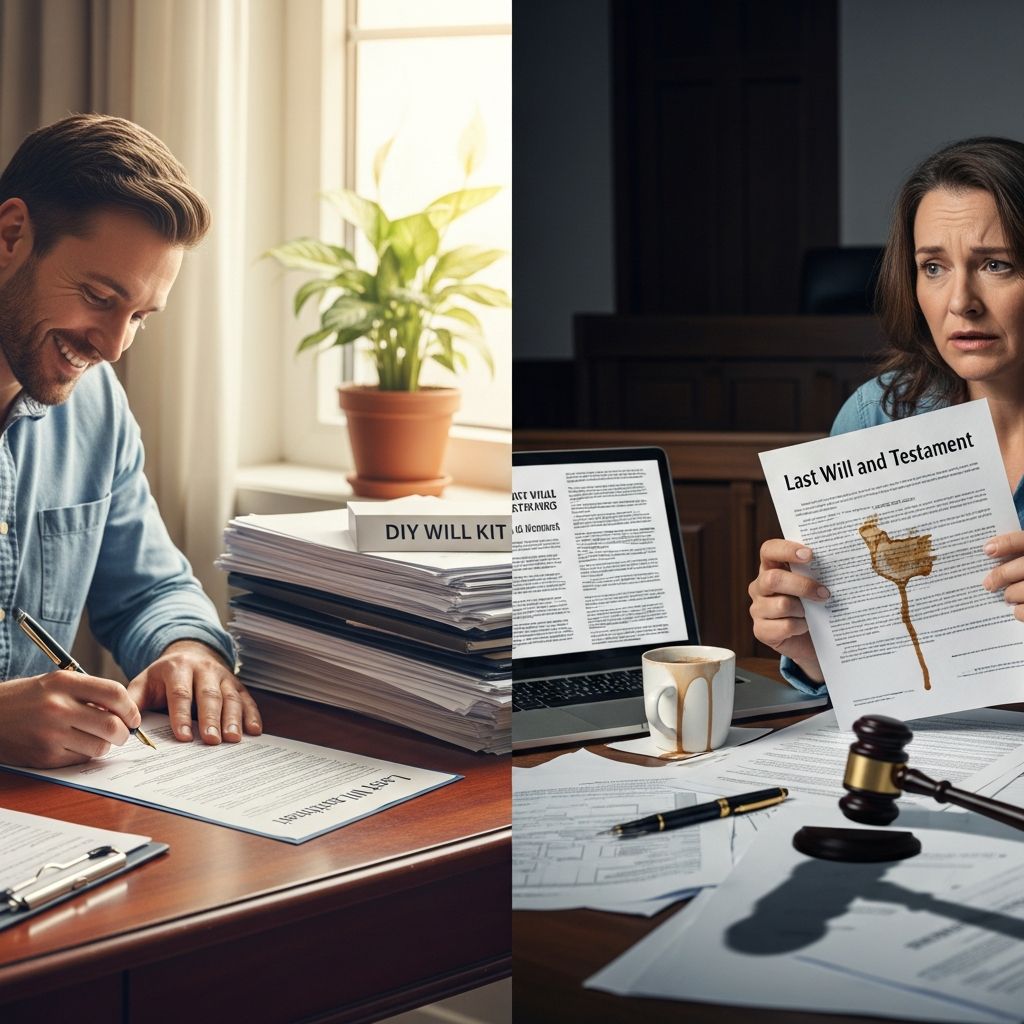
Creating a last will and testament is a fundamental step in estate planning, ensuring your assets are distributed according to your wishes after your passing. Do-it-yourself (DIY) wills have gained popularity with online templates and kits, offering an accessible entry point for many. However, while they promise simplicity, they carry significant risks that could lead to family conflicts or legal invalidation. This article delves into the key advantages and drawbacks, providing guidance on when DIY might suffice and when professional assistance is crucial.
Understanding DIY Wills
A DIY will is a legal document you draft without an attorney’s direct involvement, typically using pre-made forms, software, or online services. These tools guide users through naming beneficiaries, appointing executors, and outlining asset distribution. For centuries, handwritten wills have been valid if properly executed, but modern DIY options leverage technology for ease. They are legally binding when signed and witnessed according to state laws, making them viable for basic needs.
State requirements vary—some demand two witnesses, others notarization. Always verify local rules to ensure validity. DIY wills shine for straightforward scenarios but falter in complexity.
Key Advantages of Self-Drafted Wills
DIY wills appeal to those seeking quick, affordable estate planning. Here are the primary benefits:
- Affordable Access: Unlike attorney fees ranging from $500 to $2,000+, DIY options cost little or nothing. Free templates from reputable sites or low-fee kits make planning accessible without financial strain.
- Ultimate Convenience: Complete your will anytime, anywhere—from home in minutes. Step-by-step online tools eliminate scheduling hassles, ideal for busy individuals.
- Suitable for Basic Estates: For modest assets like a home, bank accounts, and personal items with simple family structures, DIY suffices. A properly executed document holds equal legal weight to lawyer-drafted ones.
- Privacy and Control: Handle sensitive details privately without discussing with outsiders. You dictate terms precisely as envisioned.
These perks make DIY wills a smart choice for singles or couples with uncomplicated finances, covering about 70% of Americans with simple estates.
Significant Drawbacks and Potential Pitfalls
While initial savings tempt many, DIY wills often lead to costly long-term issues. Common problems include:
- Error-Prone Drafting: Missing precise legal phrasing or state-specific clauses can invalidate the will. Unclear language invites challenges, forcing intestate distribution where courts decide.
- Oversights in Asset Coverage: Complex holdings like businesses, investments, or multiple properties may be omitted. Larger estates risk forgetting details a professional would inventory comprehensively.
- Family Dispute Triggers: Ambiguities spark litigation among heirs, eroding inheritances via attorney fees. Blended families or unequal bequests heighten risks without tailored language.
- No Customization: Templates lack flexibility for tax minimization, trusts, or contingencies like beneficiary predecease. Life changes—births, divorces—require updates pros handle seamlessly.
| Aspect | DIY Will Risk | Potential Consequence |
|---|---|---|
| Legal Language | Incorrect terms | Will contested or invalid |
| Execution | Improper witnessing | Court rejection; intestacy |
| Complexity | Untailored for taxes/business | Higher taxes, disputes |
| Updates | Hard to revise | Outdated plans |
These flaws can transform short-term savings into substantial future expenses, sometimes exceeding professional costs manifold.
When DIY Wills Work Best
Not all estates demand experts. DIY excels for:
- Young adults with minimal assets.
- Singles or childless couples naming spouses/charities.
- Estates under state tax thresholds (e.g., federal exemption ~$13M).
If your net worth is modest and family straightforward, a DIY will provides solid coverage. Use it as a draft for attorney review to blend benefits.
Scenarios Demanding Professional Guidance
Opt for an attorney if:
- Owning businesses, real estate abroad, or substantial investments.
- Blended families needing stepchild protections.
- Tax planning to minimize estate duties.
- Special needs beneficiaries requiring trusts.
- High-value estates prone to challenges.
Professionals anticipate issues, draft ironclad documents, and ensure compliance, safeguarding your legacy.
Steps to Create a Secure DIY Will
- Research State Laws: Confirm witnessing/notarization rules via official sites.
- Inventory Assets: List all property, debts, beneficiaries.
- Select Tools:
- Draft Precisely: Use clear language; define terms.
- Execute Properly: Sign with disinterested witnesses.
- Store Safely: Share locations with executor; consider digital copies.
- Review Regularly: Update post-life events.
Choose reputable platforms with legal vetting.
Following these minimizes risks, but consult pros for doubts.
Real-World Examples of DIY Failures
Consider a case where ambiguous beneficiary wording led to court battles, costing heirs $50K in fees—far exceeding attorney costs. Another: A DIY will ignored a business interest, forcing sale against wishes. These underscore professional value.
Alternatives to Pure DIY
- Hybrid Approach: Use DIY drafts for attorney refinement—cost-effective.
- Online Legal Services: Attorney-reviewed docs at fraction of full fees.
- Trusts: Bypass probate for complex assets.
Frequently Asked Questions
Is a DIY will legally valid?
Yes, if executed per state laws with proper signatures and witnesses. It equals attorney wills in court.
How much does a DIY will cost?
Often free or under $100 via templates; contrasts sharply with $1,000+ for lawyers.
Can DIY wills handle large estates?
Rarely; they overlook taxes and complexities, risking invalidation or disputes.
What if my DIY will is challenged?
Courts may invalidate it, applying intestacy laws—potentially against your wishes.
How often should I update my will?
After major events like marriage, birth, divorce, or asset changes.
Final Thoughts on Choosing Wisely
DIY wills offer empowerment for simple cases but hazard disaster for others. Weigh your estate’s complexity against risks. Peace of mind trumps initial savings—protect your loved ones with informed decisions.
References
- Can You Write Your Own Will? The Pros and Cons of DIY Wills — B.A. Buchholz Estate Law. 2023. https://babuestatelaw.com/can-you-write-your-own-will-the-pros-and-cons-of-diy-wills/
- DIY Wills: Smart or Disaster? — CCNA Law. 2024. https://ccnalaw.com/diy-wills-smart-or-disaster/
- Do-It-Yourself Will: Pros and Cons — LegalZoom. 2025. https://www.legalzoom.com/articles/do-it-yourself-will-pros-and-cons
- Common Problems With DIY Wills — Wyoming LLC Attorney. 2022-06-14. https://wyomingllcattorney.com/Blog/DIY-Will-Problems
- Do-it-yourself will: 4 pros and cons for willmakers — FreeWill. 2024. https://www.freewill.com/learn/do-it-yourself-will
Similar Articles








Read full bio of medha deb




