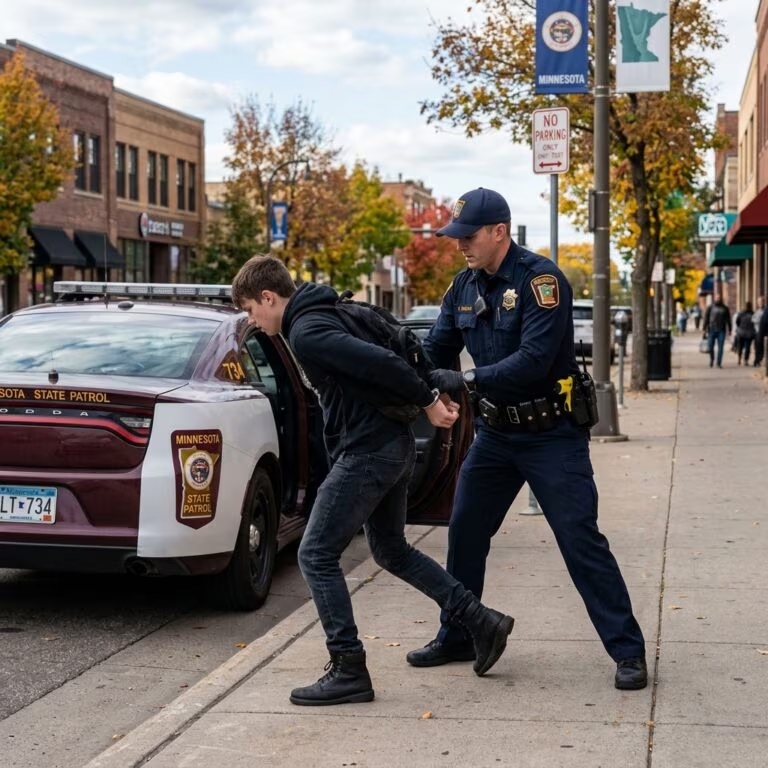
Diversion programs represent a proactive approach within the criminal justice system, allowing eligible individuals to sidestep formal prosecution in favor of structured rehabilitation efforts. These initiatives focus on addressing underlying issues such as substance abuse, mental health challenges, or behavioral patterns, often resulting in charge dismissals for those who complete the requirements successfully.
Understanding the Core Concept of Diversion
At their essence, diversion programs serve as voluntary pathways that interrupt the conventional criminal process. Rather than advancing through arrest, charging, trial, and potential incarceration, participants engage in supervised activities designed to foster personal growth and community reintegration. This model prioritizes prevention over punishment, aiming to lower recidivism rates and alleviate burdens on overcrowded court dockets.
Originating from a recognition that not all offenses warrant full punitive measures, especially for first-time or low-level violations, these programs emerged prominently in the U.S. during the mid-20th century. They embody restorative justice principles, emphasizing accountability through constructive means like counseling and service rather than solely through penalties.
Key Advantages for Participants and Society
One primary benefit lies in the potential avoidance of a criminal record, which can profoundly impact employment prospects, housing options, and educational opportunities. Successful completers often see their cases dismissed entirely, preserving their future without the lifelong stigma of conviction.
- Reduced Recidivism: By tackling root causes, participants are less likely to reoffend compared to those processed traditionally.
- Cost Efficiency: Communities save on prosecution and incarceration expenses, redirecting funds toward preventive services.
- Victim Restitution: Many programs mandate direct compensation or service to affected parties, promoting healing.
- Judicial Relief: Courts handle fewer cases, allowing focus on serious crimes.
From a societal perspective, diversion enhances public safety by rehabilitating individuals before deeper entrenchment in criminal cycles occurs.
Eligibility Criteria: Who Qualifies?
Qualification hinges on several factors, including offense severity, prior record, and personal circumstances. Generally, programs target non-violent, first-time offenders, excluding those involved in serious bodily harm, sexual assaults, weapon use, or terrorism-related activities.
| Factor | Typically Eligible | Often Excluded |
|---|---|---|
| Offense Type | Misdemeanors, low-level felonies (e.g., drug possession) | Violent crimes, DUIs, sex offenses |
| Criminal History | First-time or minimal priors | Repeat offenders, violent convictions |
| Personal Profile | Mental health needs, veterans, juveniles | Public officials, gang leaders |
Prosecutors exercise significant discretion, often requiring assessments to confirm suitability. For instance, mental health diversion demands a diagnosed condition linked to the offense, verified by professionals.
Types of Diversion Initiatives Across Jurisdictions
Diversion manifests in diverse forms, tailored to specific needs and locales. Pretrial diversion occurs post-arrest but pre-charging, while post-plea versions follow an initial guilty plea, withdrawable upon success.
Drug and Substance Abuse Programs
These target possession or minor distribution cases, mandating treatment, counseling, and drug testing. Participants might attend sessions for 6-24 months, with failure reverting to prosecution.
Mental Health and Behavioral Diversion
Aimed at those with disorders like PTSD or anxiety, these integrate therapy, medication management, and support services. Eligibility often requires no recent violent history.
Veterans and Specialized Courts
Veterans courts cater to military personnel with service-related issues, offering peer support and tailored rehab. Similar tracks exist for juveniles, focusing on education and family involvement.
Community-Based and Prosecutorial Models
Some are administered by prosecutors, others by courts or nonprofits, involving community service, fines, or education classes.
The Step-by-Step Process of Enrollment
- Arrest and Initial Screening: Law enforcement or prosecutors identify potential candidates based on charge details.
- Application and Assessment: Defense counsel petitions, followed by evaluations for needs like addiction or mental health.
- Agreement and Plea (if required): Participants sign contracts outlining terms; some enter conditional pleas.
- Supervision Phase: Compliance monitored via check-ins, drug tests, and progress reports over 6-24 months.
- Completion or Termination: Success leads to dismissal; violations trigger court resumption.
Judges hold final authority, balancing public safety with rehabilitation potential.
Potential Drawbacks and Criticisms
Despite merits, challenges persist. Fees can burden low-income individuals, creating access barriers. Discretionary application risks bias, with some demographics underserved. Failure rates, while variable, mean some face harsher outcomes post-termination. Additionally, guilty pleas in certain programs pose risks if requirements aren’t met.
Equity concerns arise, as programs may favor those able to afford compliance costs, prompting calls for standardized, statewide models like proposed DWI diversions.
Real-World Examples from U.S. Jurisdictions
In Cook County, Illinois, options include Misdemeanor Deferred Prosecution for those with behavioral health needs and Drug Deferred Prosecution for small-scale possession. Federal pretrial diversion, per Justice Department guidelines, excludes high-risk categories while prioritizing victim rights.
States like Missouri are advancing legislation for uniform access, reducing prosecutorial gatekeeping.
Frequently Asked Questions (FAQs)
Can diversion erase my arrest record?
Typically, successful completion leads to charge dismissal, but arrest records may remain unless expunged separately. Check local laws.
Is diversion available for felony charges?
Yes, for non-violent first-time felonies in many areas, but violent or repeat offenses usually disqualify.
What happens if I fail the program?
The case resumes in court; if a plea was entered, sentencing proceeds without withdrawal option in some cases.
Do I need a lawyer to apply?
Strongly recommended, as attorneys navigate eligibility, petitions, and compliance to maximize success.
Are diversion programs free?
Most involve fees for supervision, classes, or tests, though waivers exist for indigency.
Navigating Diversion: Practical Advice
Consult an attorney early to assess options. Demonstrate commitment through voluntary steps like seeking treatment pre-enrollment. Maintain meticulous records of compliance to build a strong case for dismissal.
For communities, advocating for expanded, equitable programs can enhance justice outcomes. Research local courts for specifics, as variations abound.
References
- What Is a Diversion Program? — Law Office of Steven Fine. 2023. https://sfinelaw.com/what-is-a-diversion-program/
- Diversion Program: Understanding Its Legal Definition — USLegalForms. 2024. https://legal-resources.uslegalforms.com/d/diversion-program
- Justice Manual | 9-22.000 – Pretrial Diversion Program — U.S. Department of Justice. 2025-01-15. https://www.justice.gov/jm/jm-9-22000-pretrial-diversion-program
- Diversion Programs — Wallin & Klarich. 2024. https://www.wklaw.com/diversion-programs/
- Diversion program — Wikipedia. 2025. https://en.wikipedia.org/wiki/Diversion_program
- Diversion Programs: Creating Exit Ramps from the Criminal Legal … — Empower Missouri. 2024. https://empowermissouri.org/diversion-programs/
- Diversion Programs, Explained — Vera Institute of Justice. 2023-06-12. https://www.vera.org/diversion-programs-explained