
How to Dispute Wrong Credit and Debit Card Charges
Learn how to challenge unauthorized or incorrect card charges with a clear, effective written dispute that protects your rights.
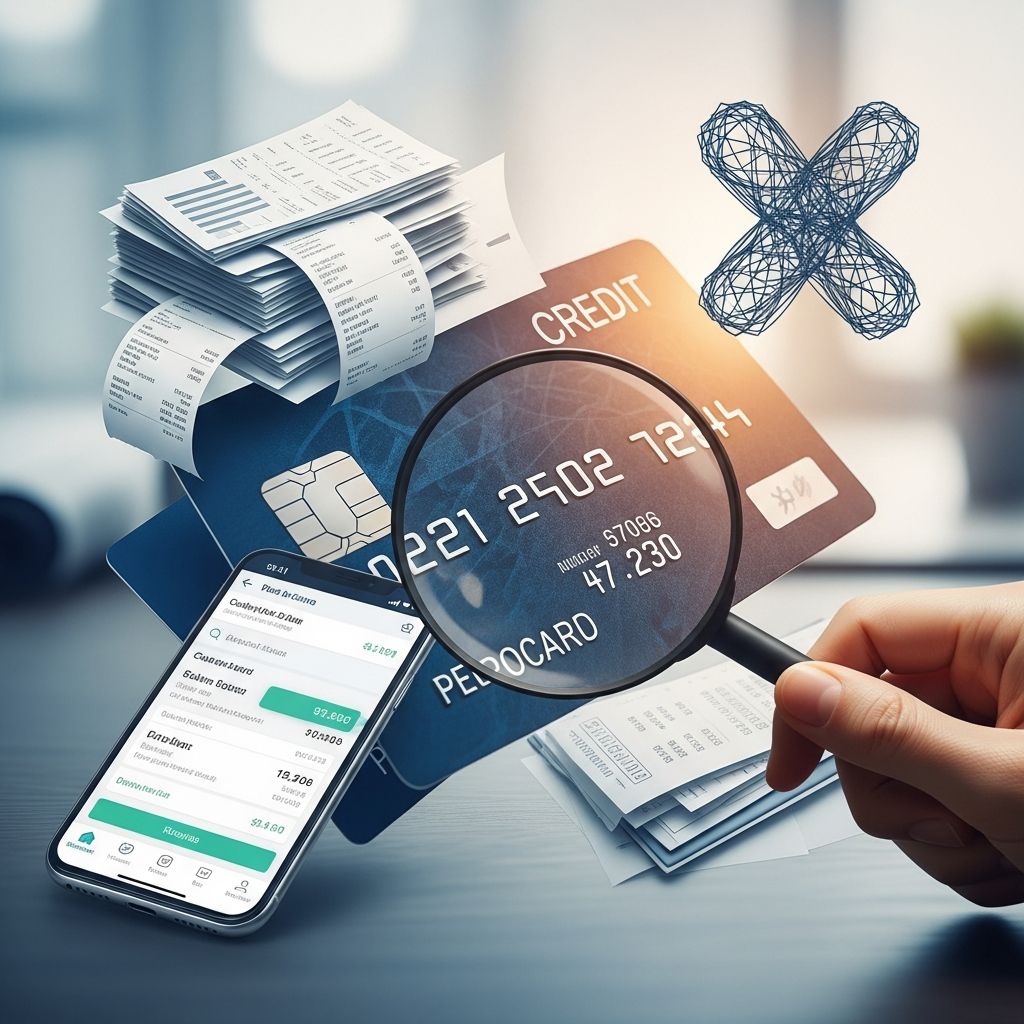
When a suspicious or incorrect charge appears on your credit or debit card, acting quickly and documenting your dispute in writing can protect your money and strengthen your legal rights. This guide explains how to identify problems, contact the right parties, and write a clear dispute letter that supports your case under federal consumer protection laws.
1. Understanding When You Can Dispute a Card Charge
Not every frustrating transaction qualifies for a formal billing dispute, but many common situations do. Knowing the difference helps you choose the right strategy and avoid delays.
1.1 Common reasons to dispute a charge
You may have grounds to dispute a charge when you encounter any of the following issues:
- Unauthorized use – a charge made without your permission, including fraud or stolen card use.
- Incorrect amount – the merchant charged the wrong price or charged you more than once.
- Goods or services not received – you paid, but the item never arrived or the service was never provided.
- Defective or misrepresented items – what you received is substantially different from what was advertised.
- Math or posting errors – the card issuer miscalculated, duplicated a charge, or posted it to the wrong account.
- Unrecognized charges – you do not recognize the merchant or transaction and want an explanation.
1.2 Key legal protections you should know
Several federal protections may apply when you dispute a credit or debit card transaction:
- Fair Credit Billing Act (FCBA) – Gives credit card users the right to dispute certain billing errors and withhold payment on the disputed amount during the investigation, if they send a written notice within specific time limits.
- Electronic Fund Transfer Act (EFTA) – Provides protections for unauthorized electronic transfers from debit and ATM cards, including limits on your liability if you report fraud promptly.
- Card network policies – Visa, Mastercard, and others have chargeback procedures that guide how banks and merchants handle disputes and evidence.
These protections usually require you to act quickly and to send a written notice to preserve your full rights.
2. Deadlines and Where to Send Your Dispute
Disputes are time-sensitive. Missing a deadline may reduce your rights or make it harder to reverse a charge.
2.1 Typical timelines for credit card disputes
Federal rules for credit card billing errors set out specific timing requirements:
- Written notice deadline: Usually within 60 days from the date the first statement showing the error was sent to you.
- Acknowledgment by issuer: The card company generally must acknowledge your written dispute within about 30 days, unless it resolves the issue sooner.
- Investigation period: The issuer typically has up to two billing cycles (not more than about 90 days) to investigate and either correct the error or explain why it believes the bill is accurate.
2.2 Mailing address versus payment address
To trigger your legal protections, you usually must send your letter to the specific address for billing inquiries or disputes, not to the general payment address.
- Check your statement for a section labeled “billing inquiries” or “disputes.”
- If unsure, call the customer service number to confirm the correct dispute address before mailing.
- Always keep a record of the address you used and the date you mailed your letter.
2.3 Recommended mailing method
To prove that you sent your dispute on time, consider the following:
- Use certified mail or another trackable service.
- Request a return receipt or delivery confirmation.
- Save copies of your letter, supporting documents, and mailing receipts.
3. Step-by-Step: Preparing Before You Write
A strong letter starts with organized facts and documentation. Before drafting anything, gather all relevant information.
3.1 Collect documents and evidence
Collect and organize the following items to attach or reference in your letter:
- Your latest and prior card statements showing the disputed charge.
- Receipts, invoices, or contracts related to the transaction.
- Emails, letters, or chat transcripts with the merchant.
- Shipping records or tracking details, if you never received the item.
- Photos or screenshots showing misleading advertising or product defects.
- Notes with dates, times, and names of any phone calls you had with the merchant or issuer.
3.2 Contacting the merchant first
Many issuers encourage you to try to resolve disputes directly with the merchant before or while you contact the card company.
- Explain the problem and ask for a refund, replacement, or correction.
- Request written confirmation of any promises the merchant makes.
- Document the date, time, and outcome of the conversation.
If the merchant refuses to fix the problem or does not respond, your notes and messages become valuable evidence when you write to the issuer.
4. How to Structure an Effective Dispute Letter
Your goal is to give the card issuer enough clear, specific information to understand what went wrong and what you are asking them to do. A well-structured letter makes that easy.
4.1 Essential information to include
Every dispute letter should identify you, your account, the problem, and the remedy you want. Consider including the following elements:
- Your contact details: full name, mailing address, phone number, and email.
- Account information: last four digits of your card number (avoid writing the full number for security).
- Statement details: date of the first statement showing the disputed charge and your account billing cycle if known.
- Transaction details: amount, date of the charge, merchant name, and a short description of the item or service.
- Type of problem: for example, unauthorized use, incorrect amount, product not received, or product not as advertised.
- Clear explanation: a brief narrative of what happened, focusing on facts and dates.
- Requested correction: whether you want the charge removed, corrected to a different amount, or otherwise adjusted.
- Supporting documents: a list of copies you are attaching (never send originals).
- Statement about payment: whether you are withholding payment on the disputed amount while the issuer investigates, consistent with your rights under law.
4.2 Helpful tone and style tips
The tone of your letter can influence how easily your dispute is understood and processed:
- Be concise but complete; avoid emotional language.
- Use short paragraphs and, where helpful, bullet points for clarity.
- Stick to facts, dates, and amounts that you can document.
- Number your attachments (for example, “Attachment 1 – Receipt,” “Attachment 2 – Email from merchant”).
- Keep a professional closing, such as “Sincerely” followed by your name.
4.3 Credit vs. debit card disputes at a glance
While the basic idea of disputing charges is similar for credit and debit cards, the legal rules and protections differ.
| Feature | Credit Card (FCBA) | Debit Card (EFTA) |
|---|---|---|
| Primary concern | Billing errors on periodic statements | Unauthorized electronic fund transfers |
| Typical written dispute deadline | About 60 days from when the statement is sent | Varies by law and bank policy; protection is stronger if reported quickly |
| Right to withhold disputed amount | Yes, you can generally withhold payment on the disputed portion while it is investigated, if you followed the written notice requirements | Funds may already be removed from your account; temporary credits and procedures depend on your bank’s policies and federal rules |
| Investigation timeframe | Up to two billing cycles, not more than about 90 days | Generally must be timely under EFTA; specific timelines can vary by issue |
| Maximum liability for unauthorized use (if reported promptly) | Limited under federal law and often waived by issuers | Capped by EFTA, with stronger protections for faster reporting |
5. What Happens After You Send Your Letter
Knowing what to expect after you mail your dispute can help you decide how to manage your payments and follow-up communications.
5.1 Acknowledgment and investigation
Once your card issuer receives your written notice:
- The issuer generally must send you a written acknowledgment within about 30 days, unless it resolves the dispute before then.
- It must then investigate the issue, which may involve contacting the merchant, reviewing transaction logs, and examining your documents.
- During the investigation, for credit cards, you may generally withhold payment on the disputed amount, and the issuer cannot treat that portion as late or report you as delinquent if you pay the undisputed part of your bill on time.
5.2 Possible outcomes
After reviewing your dispute, the card issuer will typically reach one of two conclusions:
- Dispute resolved in your favor
- The issuer removes the disputed amount from your bill.
- Any related finance charges or fees tied to that error are adjusted.
- If you already paid the disputed amount, the issuer credits your account.
- Dispute denied
- The issuer sends a written explanation stating why it believes the bill is correct.
- The notice should tell you how much you owe and when payment is due.
- You may then need to pay the disputed amount to avoid further charges while you consider your next steps.
5.3 If you disagree with the decision
If you still believe the charge is wrong after your card issuer denies your dispute, you may consider:
- Appealing in writing within the timeframe the issuer specifies or within about 10 days of receiving its explanation, whichever is later, to preserve any rights you may still have.
- Requesting copies of documents the issuer relied on in reaching its decision.
- Filing a complaint with a government agency such as the Consumer Financial Protection Bureau (CFPB) or your state attorney general if you believe the issuer did not follow the law.
6. Practical Tips for Stronger Disputes
Beyond meeting the legal requirements, a few practical habits can make your dispute more persuasive and easier to process.
6.1 Organize your records
- Create a dispute folder (physical or digital) with all related documents.
- Keep a simple timeline of events: purchase date, delivery dates, contacts with the merchant, and dispute mailing date.
- Label your attachments and match them to references in your letter (for instance, “See Attachment 3”).
6.2 Monitor your statements and credit reports
- Review your monthly statements promptly so you do not miss the dispute window.
- Check your credit reports periodically to confirm that disputed items are not reported inaccurately.
- Sign up for alerts from your card issuer, if available, to detect suspicious activity early.
6.3 When to consider extra help
- If the charge is large or complex, you may want to consult a consumer law attorney or a legal aid organization.
- For patterns of unfair practices, consider reporting the merchant to your state consumer protection office or a federal agency.
- If you suspect identity theft, take additional steps such as placing a fraud alert or security freeze on your credit files and filing an identity theft report.
7. Frequently Asked Questions (FAQs)
7.1 Do I still need to send a letter if I disputed the charge online or by phone?
Phone or online disputes may start the process, but to obtain the full protections of federal law for many credit card billing errors, you generally must send a written notice to the address for billing inquiries within the required timeframe. The letter serves as formal proof that you met the deadline and explained the error.
7.2 Can I dispute a charge that I already paid?
Yes. Even if you have already paid the bill that contained the disputed charge, you can usually still send a billing error notice within the 60-day window for credit cards. If the issuer ultimately finds that the charge was incorrect, it must remove or credit that amount to your account.
7.3 Should I stop paying my entire credit card bill while the dispute is pending?
In most cases, no. Federal rules allow you to withhold payment on the disputed amount while the issuer investigates, but you generally should continue paying the undisputed portion of your bill on time to avoid late fees, interest, or negative credit reporting.
7.4 What if I discover a problem after 60 days?
If you are beyond the standard 60-day period for credit card billing errors, you may have fewer formal protections, but you can still:
- Contact the issuer to request a goodwill adjustment.
- Pursue remedies directly with the merchant, such as refunds or replacement.
- Explore other legal options, especially if the merchant’s behavior appears deceptive or fraudulent.
For some types of claims and defenses related to problems with goods or services, longer time periods may apply under certain state or federal laws.
7.5 Does this process apply to recurring subscriptions?
Yes. If a merchant continues to bill you after you cancel a subscription or free trial, those charges may be disputed as unauthorized or as billing errors. In your letter, explain when and how you canceled, and attach any confirmation emails or reference numbers that support your claim.
References
- How do I dispute a charge on my credit card bill? — Consumer Financial Protection Bureau. 2023-08-21. https://www.consumerfinance.gov/ask-cfpb/how-do-i-dispute-a-charge-on-my-credit-card-bill-en-61/
- Using Credit Cards and Disputing Charges — Federal Trade Commission. 2022-10-01. https://consumer.ftc.gov/articles/using-credit-cards-and-disputing-charges
- Credit Cards – Disputing A Charge — California Department of Justice, Office of the Attorney General. 2023-05-10. https://oag.ca.gov/consumers/general/credit-cards-dispute-charge
- How to Dispute a Credit Card Charge — Experian. 2023-06-15. https://www.experian.com/blogs/ask-experian/how-to-dispute-credit-card-charge/
- Disputing a Charge | Credit Card — JPMorgan Chase Bank. 2023-04-01. https://www.chase.com/personal/credit-cards/dispute
- How can merchants dispute credit card chargebacks? — Mastercard. 2022-11-09. https://b2b.mastercard.com/news-and-insights/blog/how-can-merchants-dispute-credit-card-chargebacks/
- The Complete Guide to the Chargeback Process — Chargeback Gurus. 2022-06-01. https://www.chargebackgurus.com/blog/chargeback-process
Similar Articles








Read full bio of Sneha Tete




