
Discovery Process In Civil Litigation: 5 Essential Tools
Master the discovery phase: Essential strategies for gathering evidence and building a strong case in civil lawsuits.
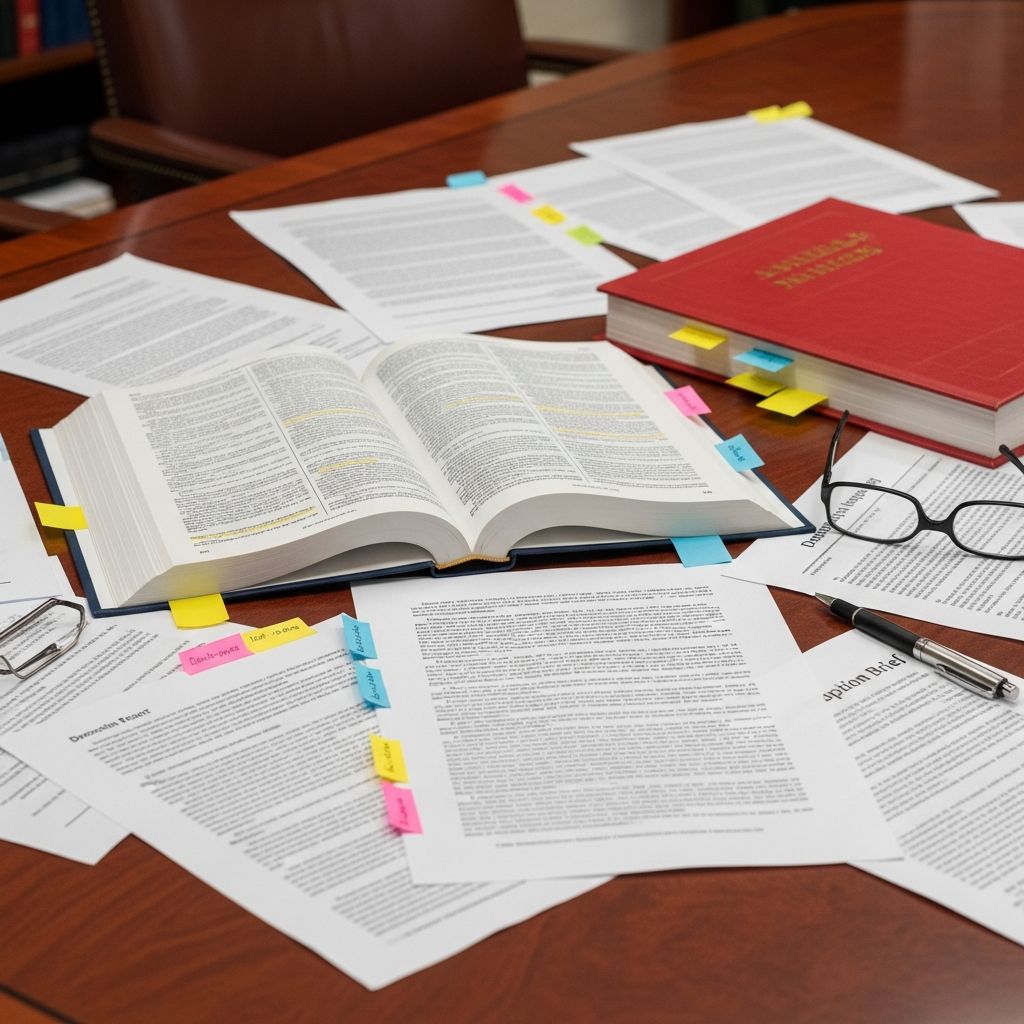
The discovery process serves as the backbone of civil litigation, enabling parties to exchange critical information and evidence before trial. This phase ensures transparency, prevents surprises at trial, and helps parties assess the strength of their cases.
Why Discovery Matters in Lawsuits
Discovery promotes fairness by requiring both sides to reveal relevant facts, documents, and witnesses early. It allows litigants to evaluate settlement potential, refine legal strategies, and identify weaknesses in their opponent’s position. Without discovery, trials would rely heavily on surprise evidence, leading to inefficient proceedings.
Courts interpret discovery broadly, permitting requests for any non-privileged material reasonably likely to lead to admissible evidence. This includes facts, witness identities, business records, and expert qualifications, even from non-parties.
When Does Discovery Begin?
Discovery typically starts after the initial pleadings—once the plaintiff files the complaint and the defendant responds. Courts often schedule a discovery conference to outline issues, set timelines, and impose limits. Federal Rule of Civil Procedure 26 requires early disclosures of basic case information, including witness lists and documents.
In state courts, procedures vary, but most follow similar timelines governed by rules of civil procedure. Complex cases may extend discovery for months or over a year due to voluminous evidence or scheduling conflicts.
Core Tools of the Discovery Arsenal
Litigants employ several formal methods to obtain information. Each tool serves unique purposes, from sworn testimony to document production.
Depositions: Questioning Under Oath
Depositions involve oral examinations of parties, witnesses, or experts under oath, recorded by a court reporter. Attorneys question deponents in the presence of opposing counsel, creating a trial-like transcript for later use.
These sessions reveal demeanor, clarify ambiguities, and lock in testimony. They often last hours or days, with notice required weeks in advance. Videotaped depositions capture non-verbal cues valuable at trial.
Interrogatories: Written Q&A
Interrogatories are sets of written questions served on opponents, answered under oath within 30 days. Limits apply—typically 25 questions per party—to prevent abuse.
They elicit facts like event timelines, witness identities, or defense theories. Responses must be complete; evasive answers invite court intervention.
Requests for Production of Documents
Parties demand specific documents, emails, contracts, or electronically stored information (ESI). Recipients must produce responsive materials or object with justification.
Physical inspections of property or items are also common, such as examining a vehicle in an accident case. ESI poses challenges due to volume, requiring protocols for format and search terms.
Requests for Admissions
These compel opponents to admit or deny key facts, narrowing disputed issues. Examples include admitting liability elements or document authenticity. Unanswered requests are deemed admitted, streamlining trials.
Subpoenas: Reaching Non-Parties
Subpoenas compel third parties to produce documents, testify, or both. Courts issue them upon request, extending discovery beyond litigants.
Common targets include banks, employers, or medical providers holding relevant records.
Navigating Discovery Limits and Protections
Not everything is discoverable. Privileged information—like attorney-client communications or work product—remains shielded. Courts also reject overly burdensome, irrelevant, or harassing requests.
Proportionality rules ensure discovery aligns with case needs, considering burden versus benefit. Parties must confer before escalating disputes to judges.
| Discovery Tool | Purpose | Key Limits |
|---|---|---|
| Depositions | Sworn oral testimony | 10 per side; 7 hours each |
| Interrogatories | Written answers under oath | 25 questions max |
| Document Requests | Produce tangible items | Proportional to needs |
| Admissions | Admit/deny facts | Reasonable number |
| Subpoenas | Third-party compliance | Court approval often needed |
Managing Discovery Timelines
Deadlines are strict: responses due in 30 days, with extensions possible by agreement. Courts set overall schedules via scheduling orders, factoring case complexity.
- Simple cases: 3-6 months
- Moderate: 6-12 months
- Complex: 1+ years
Scheduling depositions requires coordination, often delaying progress. Extensions need good cause shown to judges.
Handling Discovery Disputes
Conflicts arise over objections, completeness, or privilege. Parties must meet and confer first. Persistent issues prompt motions to compel, where judges order compliance, extend deadlines, or impose sanctions like fee awards or evidence exclusion.
Courts favor resolution without hearings, encouraging proportionality. Sanctions deter bad faith tactics.
Discovery for Self-Represented Litigants
Pro se parties can fully participate but face challenges without counsel. Resources like court self-help centers or rules manuals aid drafting requests.
Start simple: focus on core facts and key documents. Courts expect good-faith compliance despite inexperience.
Strategic Tips for Effective Discovery
Plan meticulously: identify needed information early. Use phased requests—broad first, then specific. Preserve evidence to avoid spoliation claims.
Review responses promptly for follow-ups. Leverage admissions to force concessions. In settlement talks, strong discovery bolsters negotiating power.
Differences: Civil vs. Criminal Discovery
Civil discovery is broader and mutual, driven by rules like FRCP 26. Criminal discovery mandates prosecutors disclose exculpatory evidence (Brady rule) but limits defense requests.
Modern Challenges: Electronic Discovery
ESI dominates modern cases, encompassing emails, texts, databases. Parties negotiate protocols for collection, review, and production to manage costs.
Frequently Asked Questions
What triggers the start of discovery?
Discovery begins post-initial pleadings, often after a court scheduling conference.
How long does discovery last?
Varies by case complexity; simple matters take months, complex ones over a year.
Can I get information from non-parties?
Yes, via subpoenas for documents or depositions.
What if the other side doesn’t respond?
File a motion to compel after conferring; sanctions may follow.
Is all information discoverable?
No, privileged or irrelevant materials are protected.
Do pro se litigants have the same rights?
Yes, full access to all tools, though drafting requires care.
References
- Gathering Evidence When Representing Yourself in a Lawsuit — Justia. 2023. https://www.justia.com/trials-litigation/representing-yourself-in-legal-proceedings/gathering-evidence/
- How the Discovery Process Works — Motley Rice. 2024-01-15. https://www.motleyrice.com/faqs/what-is-the-discovery-process
- What Is the Discovery Phase in a Lawsuit? — Tamaki Law. 2023-05-10. https://tamakilaw.com/news/what-is-the-discovery-phase-in-a-lawsuit/
- Understanding Discovery in Legal Cases — Complete Legal. 2024. https://completelegal.us/understanding-discovery-in-legal-cases/
- Formal Discovery: Gathering Evidence for Your Lawsuit — Anthem EAP. 2022. https://www.anthemeap.com/ferguson/find-legal-support/resources/courts-and-mediation/legal-assist/formal-discovery-gathering-evidence-for-your-lawsuit
- Discovery — Legal Information Institute, Cornell Law School. 2025-01-01. https://www.law.cornell.edu/wex/discovery
Similar Articles








Read full bio of Sneha Tete


