
Securing Disability Aid for Kids with Cerebral Palsy
Comprehensive guide to government programs, grants, and strategies for financial support for families raising children with cerebral palsy.
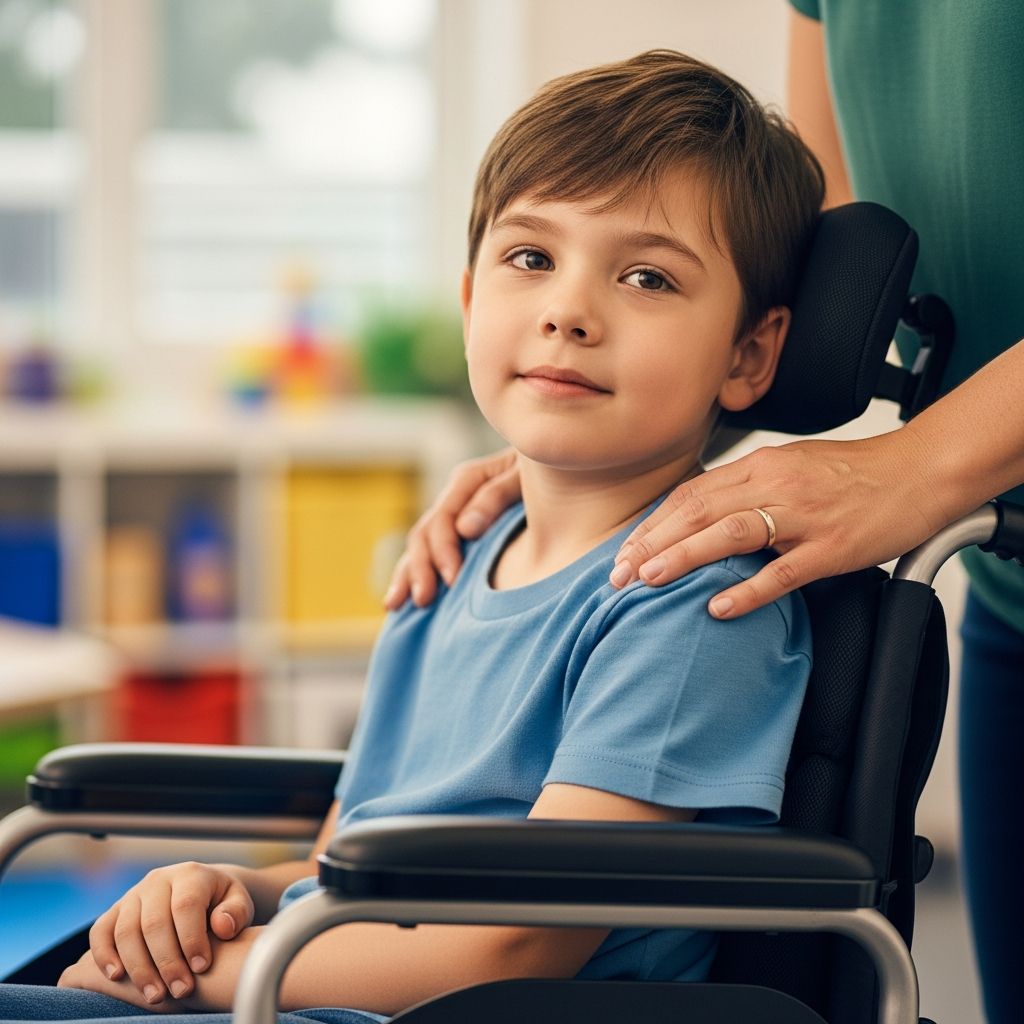
Families caring for children diagnosed with cerebral palsy often face substantial financial pressures from ongoing medical treatments, therapies, and adaptive equipment. Fortunately, multiple government programs and nonprofit grants provide targeted financial assistance to ease these burdens. This article outlines key eligibility criteria, application processes, and complementary resources to help ensure your child receives necessary support.
Understanding Cerebral Palsy as a Qualifying Disability
Cerebral palsy (CP) encompasses a group of permanent movement disorders stemming from non-progressive brain damage in early development. It manifests through symptoms like muscle stiffness, poor coordination, exaggerated reflexes, and challenges with fine motor skills, speech, or eating. The Social Security Administration (SSA) explicitly recognizes CP under its childhood neurological listings (section 111.07), particularly when it results in disorganized motor function in two extremities causing extreme limitations in standing, balancing, walking, or using arms.
For children, qualification hinges on proving the condition markedly restricts age-appropriate activities. Severe cases involving motor dysfunction often lead to automatic approval with strong medical evidence, while milder instances require documentation of additional impairments like seizures, low IQ (below 70), or severe communication issues.
Primary Federal Cash Assistance Programs
Two cornerstone SSA programs deliver monthly cash payments: Supplemental Security Income (SSI) and Social Security Disability Insurance (SSDI). These can fund daily living expenses, therapies, and equipment not fully covered by insurance.
Supplemental Security Income (SSI) Essentials
SSI targets low-income children with disabilities, providing up to $994 monthly in 2026 for individuals, regardless of work history. Eligibility demands financial need (parental income below strict limits) and medical proof of disability. Children approved for SSI automatically qualify for Medicaid in most states, amplifying healthcare access.
- Key perks: Immediate payments up to 6 months while awaiting other determinations; no repayment required.
- Income test: Deemed family income must fall under federal benefit rates, adjusted annually.
- Average award: Around $943 max for children in recent years, varying by state supplements.
Social Security Disability Insurance (SSDI) for Families
SSDI benefits children whose parents have sufficient Social Security work credits via payroll taxes. Unlike SSI, no income limits apply, but the child must meet the same disability threshold. Benefits average $1,464 monthly, with a 2024 maximum of $3,822, potentially including dependent child add-ons.
Parents can pursue interim SSI during SSDI processing, bridging cash flow gaps. Both programs offer retroactive payments from application dates upon approval.
| Program | Eligibility Basis | 2026 Max Monthly Benefit | Health Coverage |
|---|---|---|---|
| SSI | Need-based + Disability | $994 | Medicaid (auto in most states) |
| SSDI | Parent’s work credits + Disability | $3,822 (varies) | Medicare after 24 months |
Healthcare Coverage Through Medicaid and CHIP
Medicaid, the joint federal-state program, covers comprehensive services for SSI-eligible children, including doctor visits, hospitalizations, therapies, prescriptions, and durable medical equipment. Nearly all states extend it automatically upon SSI approval.
The Children’s Health Insurance Program (CHIP) fills gaps for families above Medicaid thresholds but unable to afford private insurance. It serves about 10 million children nationwide, funding vision, dental, mental health, and prescription needs. Eligibility varies by state—contact your local Medicaid office for specifics.
- CHIP advantages: Low or no premiums; covers therapies critical for CP management.
- Application tip: Use healthcare.gov or state portals for seamless enrollment.
Educational and Developmental Support Services
The Individuals with Disabilities Education Act (IDEA) mandates free appropriate public education (FAPE) for children aged 3-21 with disabilities, including CP. Even those without formal diagnoses but showing delays qualify for early intervention up to age 3.
IDEA funds services like physical/occupational/speech therapy, assistive tech, transportation, family counseling, and nutrition support—often at no cost via schools.
- Individualized Education Program (IEP): Tailored academic and functional goals for school-age kids.
- Individualized Family Service Plan (IFSP): Holistic early intervention for infants/toddlers.
- Other plans: IHP for health needs, ITP for transition to adulthood.
To initiate: Request evaluation from your school district; services must align with least restrictive environments.
Childcare and Respite Funding Opportunities
Rising childcare costs challenge CP families, but federal subsidies via the Child Care and Development Fund (CCDF) aid low-income parents pursuing work or education. Options span daycare centers (group play benefits) and in-home care (personalized attention in familiar settings).
In-home specialized caregivers often suit CP children’s needs better, though pricier—subsidies can offset up to full costs based on income. Respite grants through state programs prevent caregiver burnout.
Nonprofit Grants and Private Foundations
Beyond government aid, nonprofits offer no-repay grants for gaps like uncovered therapies or equipment. The UnitedHealthcare Children’s Foundation (UHCCF) awards up to $5,000 yearly/$10,000 lifetime per child, open to all insurers—not just their plans. By 2026, they’ve granted over 40,000 awards totaling $80 million.
- Other sources: Cerebral palsy-specific orgs providing $1M+ averages in some cases; check eligibility for adaptive tech or home mods.
Grants prioritize unmet needs; apply early as funds are limited.
Navigating the Application Process Effectively
Success rates improve with preparation. Gather medical records, doctor statements, school reports, and function descriptions detailing daily impacts.
- Apply online: ssa.gov or call 1-800-772-1213.
- Medical evidence: MRI/CT scans, therapy notes proving extremity limitations.
- Appeals: If denied (common initially), request reconsideration within 60 days—many win at hearings with lawyers.
- Timeline: 3-5 months initial; expedited for severe cases.
Free legal aid via organizations like NOSSCR boosts approval odds.
State-Specific Enhancements and Long-Term Planning
States supplement federal benefits—e.g., Louisiana offers HCBS waivers for home/community services beyond Medicaid basics. Plan for adulthood: CP qualifiers may retain benefits if unemployable, with vocational rehab aiding transitions.
Frequently Asked Questions
Can my child get SSI and SSDI simultaneously?
No, but SSI acts as a bridge during SSDI review; offsets apply if both eligible.
What if cerebral palsy is mild?
Approval requires proving marked functional limits; additional conditions like seizures strengthen cases.
Does SSI affect other benefits?
It may reduce TANF but unlocks Medicaid/CHIP; track asset limits ($2,000 individual).
How to appeal a denial?
File within 60 days; hearings yield 50%+ approvals with representation.
Are grants taxable?
Typically not, as they’re for medical needs—consult IRS guidelines.
References
- Cerebral Palsy Financial Assistance | Get Help to Pay for Treatment — CerebralPalsyGuide.com. 2026. https://www.cerebralpalsyguide.com/community/financial-support-organizations/
- Cerebral Palsy Government Assistance — CerebralPalsyGuidance.com. Accessed 2026. https://cerebralpalsyguidance.com/cerebral-palsy/financial-assistance/government/
- Is Cerebral Palsy a Disability? How CP Can Qualify for Benefits — Atticus.com. 2024. https://www.atticus.com/advice/conditions-that-qualify-for-disability/cerebral-palsy
- What Qualifies As Being 100% Disabled With Cerebral Palsy? — BrownBarron.com. 2022-06. https://www.brownbarron.com/blog/2022/june/what-qualifies-as-being-100-disabled-with-cerebr/
- Benefits For Children With Disabilities — Social Security Administration (ssa.gov). Accessed 2026. https://www.ssa.gov/pubs/EN-05-10026.pdf
- Social Security Disability Insurance, or SSDI — CerebralPalsy.org. Accessed 2026. https://www.cerebralpalsy.org/resources/government-resources/cash-assistance/ssdi
- 111.00 Neurological – Childhood | Disability | SSA — Social Security Administration. Accessed 2026. https://www.ssa.gov/disability/professionals/bluebook/111.00-Neurological-Childhood.htm
Similar Articles








Read full bio of Sneha Tete


