
Delaware Car Accident Regulations: Drivers’ Complete Guide
Essential guide to Delaware's car accident regulations, insurance rules, liability, and steps after a crash for drivers and victims.
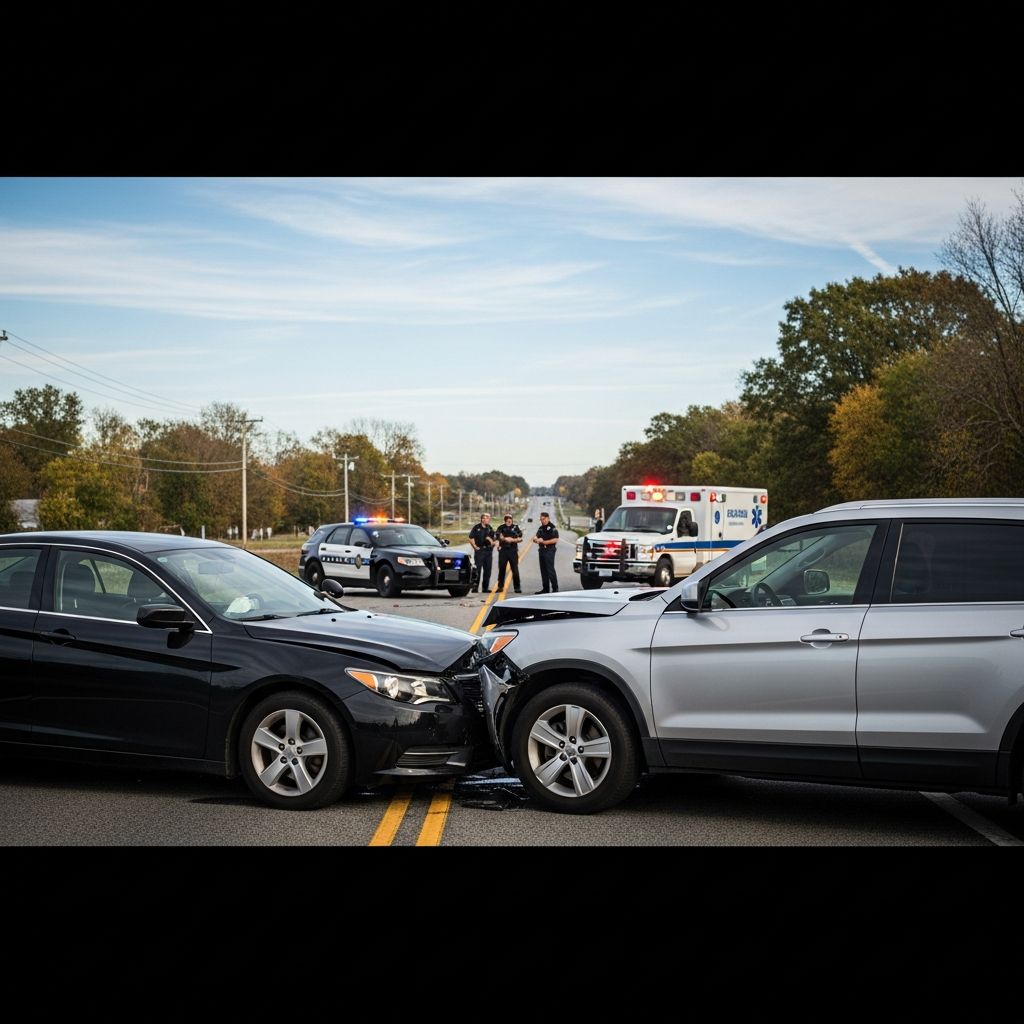
Car accidents disrupt lives across Delaware’s roads, from busy Wilmington highways to quiet rural routes. Knowing state-specific laws helps drivers protect rights, ensure safety, and pursue fair compensation. This guide breaks down key regulations, insurance mandates, post-collision procedures, and legal remedies, empowering you to respond effectively.
Delaware’s No-Fault Insurance Framework Explained
Delaware operates as a no-fault insurance state, meaning your own policy covers initial medical costs and wage losses regardless of fault. This system speeds up claims but limits lawsuits in minor cases. All drivers must carry Personal Injury Protection (PIP) coverage of at least $15,000 per person/$30,000 per accident, alongside liability limits of $25,000 bodily injury per person, $50,000 per accident, and $10,000 property damage.
PIP benefits include reasonable medical expenses within two years of the crash and up to 60% of lost wages, capped by policy limits. Passengers and family members may also qualify. However, for serious injuries causing death, disfigurement, or over six months’ disability, you can step outside no-fault rules and sue the at-fault party.
- PIP Coverage Essentials: Medical bills, therapy, lost income, and essential services like household help.
- Threshold for Lawsuits: Significant impairment allows fault-based claims beyond PIP.
- Policy Requirement: Proof of insurance via ID card must be carried; out-of-state policies don’t suffice for registration.
Immediate Actions Required After a Collision
Safety comes first post-crash. Delaware law demands drivers stop immediately at the scene, as close as possible without blocking traffic. Assess injuries or fatalities; if present, follow reporting protocols under Title 21.
For property damage only, exchange details: name, address, vehicle registration, and license. Move obstructing vehicles if no injuries. Report to authorities if damage exceeds $2,500 or involves injury/death within specific timelines.
| Damage/Injury Level | Required Action | Penalties for Non-Compliance |
|---|---|---|
| Property damage only (under $2,500) | Exchange info, report if needed | Fine $230-$1,150, up to 6 months jail, license revocation 6 months |
| Injury or death | Stop, assist, call 911, report | Severe fines, imprisonment, revocation |
| Fatal accident | Secure scene, notify police immediately | Criminal charges possible |
Always call 911 for injuries, even minor ones, to create an official record. Document everything: photos, witness contacts, and police reports strengthen future claims.
Determining Fault in Delaware Crashes
Fault hinges on negligence—failure to exercise reasonable care. Delaware uses a modified comparative negligence rule: if you’re less than 51% at fault, you recover damages reduced by your percentage. Over 50% fault bars recovery.
Police reports, witness statements, dashcam footage, and expert reconstructions prove fault. Common causes include speeding, distraction, DUI, and failure to yield. Intersection crashes often share blame based on signals and right-of-way.
- Key Evidence Types: Traffic cams, black box data, medical records.
- Contributory Negligence Impact: Reduces payout proportionally (e.g., 30% fault = 30% deduction).
Mandatory Insurance Coverage in Delaware
Registration demands continuous coverage. Minimums protect against liability, but experts recommend higher limits like $100,000/$300,000 bodily injury. Uninsured/Underinsured Motorist (UM/UIM) coverage is automatic unless rejected in writing, mirroring liability minimums.
Violations trigger $1,500 fines (first offense), registration suspension, and vehicle impoundment. Owners must notify DMV of theft/recovery promptly.
Handling Uninsured or Underinsured At-Fault Drivers
Despite mandates, uninsured drivers exist—about 1 in 8 nationally. If hit by one, your UM coverage compensates for their shortfall, covering bodily injury and property damage. PIP handles initial no-fault benefits.
Sue for assets if viable, but many lack resources. Steps: File police report, notify insurer promptly, gather evidence. UM claims require proof of uninsured status via police or DMV checks.
Filing Claims and Deadlines to Watch
Report accidents to insurers within days. No-fault PIP claims bypass fault disputes initially. For liability or UM, provide evidence of fault/damages. Statute of limitations: 2 years for personal injury/property damage from accident date.
Delays risk denial; document ongoing losses like therapy or wage stubs. Settle only after maximum medical improvement.
Potential Compensation for Crash Victims
Recoverable damages span economic (medical bills, repairs, lost pay) and non-economic (pain, suffering, emotional distress). Punitive damages rare, reserved for egregious conduct like DUI.
- Economic Damages: Quantifiable costs, no cap.
- Non-Economic: Subjective, reduced by fault share.
- Wrongful Death: Family claims for dependents’ losses.
When to Consult a Legal Professional
Complex cases—disputed fault, severe injuries, insurance denials—warrant attorneys. They negotiate settlements (often 3-4x higher) and litigate if needed. Free consultations common; no win, no fee structures prevail.
DIY suits risk procedural errors; pros handle discovery, experts, and trials efficiently.
Frequently Asked Questions About Delaware Car Accidents
Do I need to report a minor fender-bender in Delaware?
If no injuries and damage under $2,500 to others’ property, exchange info suffices. Report property-only over that threshold or any injury/death.
What if the other driver flees the scene?
Hit-and-run: Report immediately to police. Your UM coverage may apply; penalties for fleers include license revocation and jail.
Can I sue in a no-fault state like Delaware?
Yes, for serious injuries exceeding PIP thresholds: permanent loss, scarring, etc.
Is out-of-state insurance valid for Delaware registration?
No; Delaware policies required for titling/registering vehicles here.
How long to file a car accident lawsuit in Delaware?
Generally 2 years from incident date for injury/property claims.
What happens if I’m partially at fault?
Recover if under 51% responsible; damages pro-rated by fault percentage.
This handbook equips Delaware drivers with vital knowledge. Stay insured, drive cautiously, and act swiftly post-crash to safeguard rights and recovery.
References
- 21 Delaware Code § 4201 – Duty of driver involved in collisions — Delaware General Assembly. 2025. https://law.justia.com/codes/delaware/title-21/chapter-42/section-4201/
- Title 21 Delaware Code – Motor Vehicles — Delaware Code Online. 2024. https://delcode.delaware.gov/title21/c021/sc01/
- What Happens if the At-Fault Driver in an Accident Is Uninsured in Delaware? — Law-DE.com. Accessed 2026. https://law-de.com/what-happens-if-the-at-fault-driver-in-an-accident-is-uninsured-in-delaware/
- No Fault Car Accidents in Delaware | Determining Liability — Delaware Personal Injury Law. Accessed 2026. https://www.dplaw.com/delaware-injury/car-accident-lawyer/no-fault/
- Vehicle Services Registration – Insurance Requirements — Delaware DMV. Accessed 2026. https://dmv.de.gov/VehicleServices/registration/index.shtml?dc=ve_reg_insurance
- 10 Things to Do If You are in a Delaware Car Accident — Antoine Law. Accessed 2026. https://www.antoinelaw.pro/information-center/is-delaware-a-no-fault-state-in-accident-cases/10-things-to-do-if-you-are-in-a-delaware-car-accident/
- Do You Have to Call the Police After a Minor Car Accident in Delaware? — Comprehensive Accident and Injury. Accessed 2026. https://comprehensiveaccidentandinjury.com/do-you-have-to-call-the-police-after-a-minor-car-accident-in-delaware/
Similar Articles








Read full bio of medha deb


