
Delaware Burial and Cremation Regulations
Comprehensive guide to Delaware's rules on death disposition, from permits to ashes scattering and facility standards.
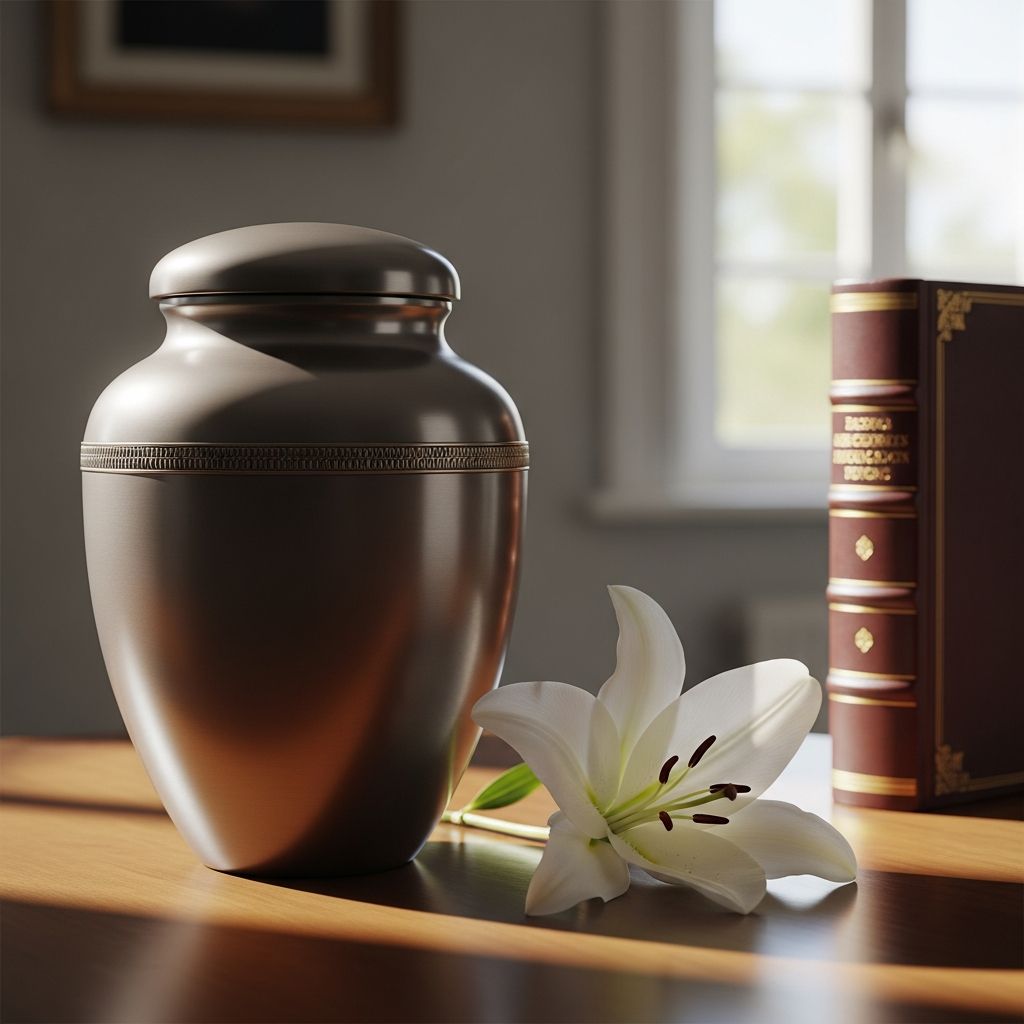
Delaware maintains specific legal frameworks governing the handling, burial, and cremation of human remains to ensure public health, proper documentation, and respect for the deceased. These rules cover everything from obtaining necessary permits to final disposition options like scattering ashes.
Initial Steps After Death: Documentation and Reporting
Upon a person’s death in Delaware, immediate actions focus on official registration and certification. A death certificate must be prepared and registered with the local or state vital records office within three days, prior to any burial or cremation. Typically, the funeral director or responsible party collects personal details from next of kin and coordinates with a medical professional—such as an attending physician or registered nurse—to certify the cause of death within 48 hours.
Delaware Code requires that no body be disposed of without a completed burial or transit permit, which must accompany the remains to their final location. This permit is handed to the cemetery sexton for interments or retained by the funeral director if none exists. For cremations, it stays with the final remains.
Time Limits for Disposition of Remains
State regulations mandate prompt handling of remains to protect public health. All human bodies must be cremated, buried, or placed in a receiving vault within five days of death. If final disposition cannot occur within 24 hours, the body requires embalming or placement in a hermetically sealed casket that remains unopened thereafter. Refrigeration is permitted with a special permit during medical or legal investigations.
- Standard timeline: 5 days maximum for burial, cremation, or vault placement.
- 24-hour rule: Embalm or seal if delay expected.
- Exceptions: Extended holds allowed for investigations with permits.
Embalming and Preparation Requirements
Embalming is not universally required but becomes necessary under certain conditions. If disposition delays exceed 24 hours without sealing, embalming ensures preservation. For infectious disease cases, stricter protocols apply, including use of metal or metal-lined caskets for transport and disposal.
Federal and state laws emphasize consumer rights in preparation choices. Funeral providers must disclose options and cannot mandate unnecessary services.
Casket and Container Rules for Burial
Delaware imposes no statewide casket requirement for burials, though individual cemeteries may enforce their own standards. Graves must be dug to specific depths: at least 18 inches from the coffin top to surface, or 79 inches for infectious disease cases.
| Scenario | Minimum Grave Depth | Source |
|---|---|---|
| Standard burial | 18 inches (coffin top to surface) | |
| Infectious diseases | 79 inches | |
| Shipping (>24 hours) | Metal/metal-lined sealed casket |
Private property burials are permissible without state prohibition, provided a burial permit is secured and depth rules followed.
Cremation Procedures and Permits
Cremation demands rigorous authorization. A special permit, signed by the chief medical examiner or deputy, is required alongside a death certificate from the attending physician and authorization from the next of kin or legal representative. Remains must be identified prior to cremation if not already done.
Crematories must be licensed and approved by the Department of Natural Resources and Environmental Control, built per environmental regulations, and operated without creating nuisances. No casket is needed; alternative containers like cardboard or fiberboard suffice, and providers must offer them.
Out-of-state deaths allow cremation in Delaware if the originating state’s requirements are met. Conversely, Delaware deaths cremated elsewhere still need the medical examiner’s signature.
- Required documents: Death certificate, cremation permit, authorization form.
- Facility standards: DNREC approval, no public nuisance.
- Container options: Rigid alternative containers permitted.
Disinterment and Relocation Processes
Moving remains requires a disinterment permit from the State Registrar, based on notarized next-of-kin application, court order, or Attorney General request. Mass disinterments for public projects or condemned grounds receive streamlined approvals, with identification and reinterment sites specified.
In Sussex and Kent Counties, relaxed rules apply for family or neglected grounds, allowing relocation by licensed undertakers.
Handling Cremated Remains and Scattering Options
Cremated remains can be disposed of as the recipient desires, stored in urns, niches, or graves without health risks. Scattering on private land needs owner permission; public lands may require local approval.
For waters, federal Clean Water Act mandates at least three nautical miles from shore, with non-decomposable containers discarded separately. Notify EPA within 30 days; beaches and wading pools prohibited.
Federal lands suggest prior permission, avoiding developed areas. Delaware imposes no unique scattering restrictions beyond general disposition freedom.
Emerging Disposition Methods
Delaware currently lacks regulations for alkaline hydrolysis (aquamation), though it’s gaining traction elsewhere. Natural organic reduction is referenced in statutes alongside cremation, requiring licensed facilities and similar permits. Monitor legislative updates for changes.
Who Holds Disposition Rights?
Next of kin or legal representatives authorize cremation or burial. A clear order prioritizes spouses, adult children, parents, and siblings. Pre-planned directives via wills or preneed contracts can specify wishes, reducing family disputes.
Practical Considerations for Families
Families should contact licensed funeral homes early for guidance on permits and costs. Compare providers, as services vary. Pre-planning documents like payable-on-death arrangements streamline processes.
Costs: Expect $7,000-$12,000 for traditional funerals; cremation $2,000-$5,000 (2026 estimates). Delaware offers indigent assistance via county programs.
Frequently Asked Questions
Is embalming mandatory in Delaware?
No, unless disposition exceeds 24 hours without sealing.
Can I bury someone on my private property?
Yes, with a permit and proper grave depth.
Do I need a casket for cremation?
No, alternative rigid containers are allowed.
How soon after death can cremation occur?
After permits; no mandatory waiting period specified beyond documentation.
Where can I scatter ashes in Delaware?
As desired by recipient; follow federal rules for water/federal land.
Is natural organic reduction legal?
Yes, in licensed facilities with permits.
References
- Delaware Code Online – Title 16, Chapter 31, Subchapter III — State of Delaware. Accessed 2026. https://delcode.delaware.gov/title16/c031/sc03/
- Burial and Cremation Laws in Delaware — Nolo. 2024. https://www.nolo.com/legal-encyclopedia/burial-cremation-laws-delaware.html
- 2026 State Guide to Scattering Ashes – Delaware Edition — The Living Urn. 2026. https://www.thelivingurn.com/blogs/news/state-guide-to-scattering-ashes-delaware-edition
- Administrative Code – Delaware Regulations, Title 16, 4204 — State of Delaware. Accessed 2026. https://regulations.delaware.gov/AdminCode/title16/4204
- 24 Delaware Code § 3121 – Cremation or natural organic reduction — Justia. 2025. https://law.justia.com/codes/delaware/title-24/chapter-31/subchapter-iii/section-3121/
Similar Articles








Read full bio of Sneha Tete


