
Defending the Fundamental Right to Seek Asylum
Understanding the legal battles and human costs in the fight for asylum.
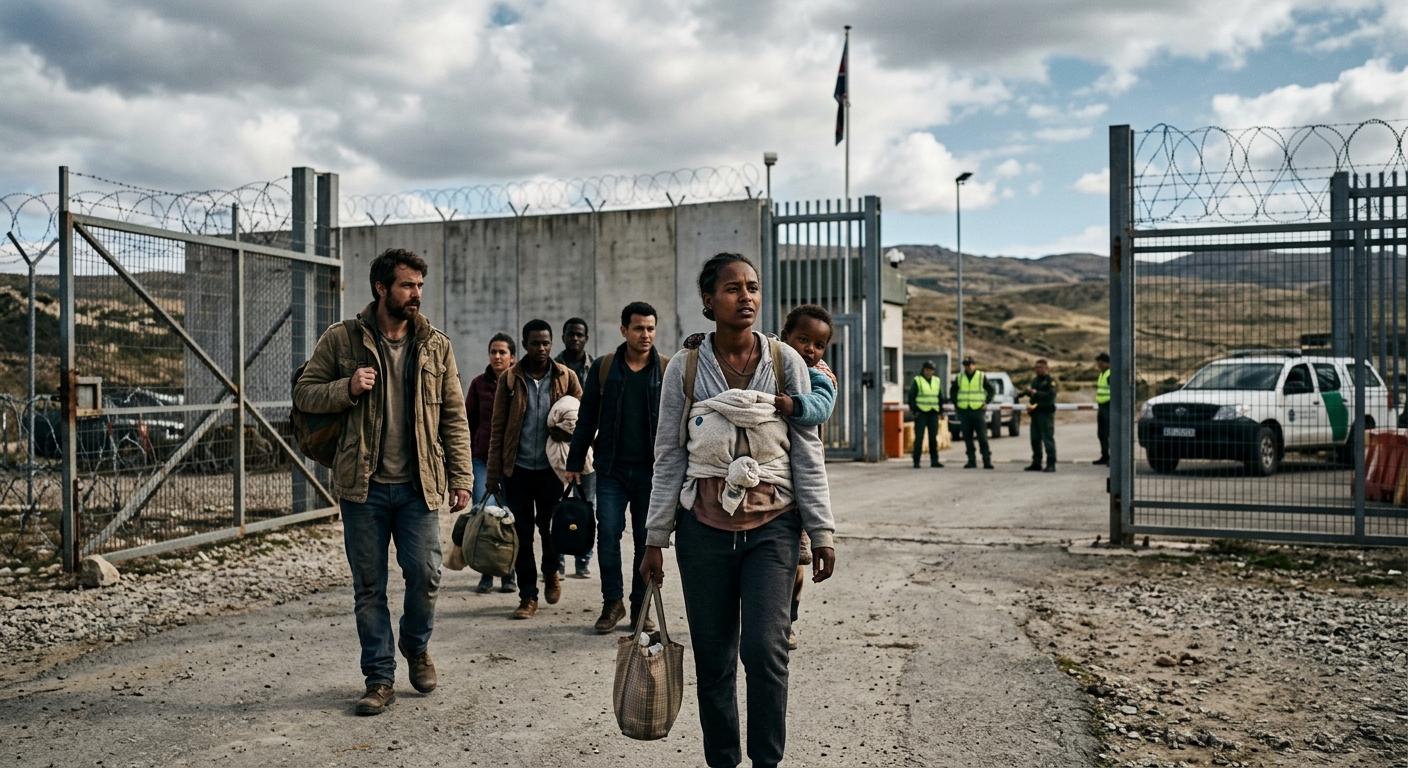
Introduction: A Lifeline Under Threat
For decades, the United States has served as a beacon of hope for individuals fleeing unimaginable horrors. The right to seek asylum is not merely a political talking point or an abstract policy debate; it is a fundamental human right enshrined in both international treaties and domestic laws. However, in recent years, this critical lifeline has faced unprecedented challenges. The landscape of immigration and refugee protection is shifting, often leaving the most vulnerable populations stranded in perilous conditions. Standing up for the right to seek asylum requires understanding the complex legal obligations, acknowledging the severe human consequences of restrictive policies, and recognizing the vital importance of grassroots and legal advocacy.
As governments attempt to manage border logistics, the original humanitarian intent of asylum often becomes obscured by heavy-handed enforcement and convoluted bureaucratic hurdles. This comprehensive exploration delves deeply into the historical foundations of refugee protections, the modern legal maneuvers dismantling these rights, and the collective, multi-pronged efforts necessary to protect those who are persecuted.
The Legal Bedrock of Refugee Protection
The modern concept of asylum was forged in the ashes of World War II, driven by a powerful global consensus that the atrocities of the Holocaust and the tragic, forced return of refugees must never be repeated. The cornerstone of international refugee protection is the 1951 Refugee Convention, drafted and overseen by the United Nations. This historic document provides the internationally recognized definition of a “refugee” as an individual who is unable or unwilling to return to their country of origin owing to a well-founded fear of being persecuted for reasons of race, religion, nationality, membership of a particular social group, or political opinion.
A critical element of the Convention is the principle of non-refoulement, which strictly prohibits returning refugees to territories where their life or freedom is threatened. The 1967 Protocol expanded these protections globally, ensuring that the right to seek protection was not bound by geographic or temporal limits.
The United States formalized its commitment to these international principles through the Refugee Act of 1980, which integrated the international definition of a refugee directly into domestic law. Specifically, Section 208 of the Immigration and Nationality Act (INA) dictates that any noncitizen who is physically present in the United States or who arrives at the border—regardless of their status or how they entered—has the statutory right to apply for asylum. This provision acts as a fail-safe for humans fleeing life-threatening danger, ensuring that border-crossing technicalities do not supersede urgent humanitarian needs. The law recognizes that those fleeing for their lives cannot always secure proper travel documents or wait in orderly lines.
Modern Hurdles: The Rise of Asylum Bans
Despite the clear, accommodating language of the INA, the fundamental right to seek asylum has been systematically eroded through a series of administrative rules and executive actions aimed primarily at deterring migration. One of the most prominent examples in recent years is the implementation of rules that drastically limit asylum eligibility based on an applicant’s transit route or method of entry, rather than the legitimacy of their fear.
For instance, the “Circumvention of Lawful Pathways” rule, finalized by the Departments of Homeland Security and Justice in 2023, effectively created a rebuttable presumption of asylum ineligibility for individuals who enter the United States unlawfully through the southern border without first applying for protection in a transit country. While proponents argue these measures are necessary to manage border operations and incentivize government-sanctioned parole programs, human rights advocates point out a glaring flaw.
These designated “lawful pathways” are often completely inaccessible to the most desperate individuals. Securing an appointment through the CBP One app requires a stable internet connection, a smartphone, and digital literacy. For an individual fleeing a cartel hit squad or a domestic abuser, waiting weeks or months in a volatile northern Mexican border town for a digital appointment is an impossibility. Consequently, these policies function as de facto asylum bans. They penalize refugees for the very nature of their flight—which is inherently chaotic, urgent, and irregular. By shifting the focus from the merits of a person’s persecution claim to the logistics of their journey, these administrative hurdles bypass the core humanitarian intent of both the 1951 Refugee Convention and established U.S. statutory law.
The Devastating Human Cost of Restrictive Border Policies
When legal frameworks are manipulated or bypassed to keep asylum seekers out, the consequences are directly measured in human lives and suffering. The policies that block entry or mandate rapid deportations without comprehensive, fair hearings lead to severe, and often fatal, outcomes for those seeking refuge.
- Targeted Violence at the Border: Families, unaccompanied minors, and marginalized individuals are frequently pushed back into precarious border towns. In these areas, they are heavily targeted by organized crime syndicates. Reports of kidnappings, extortion, human trafficking, sexual assault, and murder are tragically common among populations forced to wait in Mexico for a chance to present their asylum claims.
- Vulnerability of Marginalized Groups: Certain demographics face even higher risks. LGBTQ+ individuals fleeing state-sanctioned violence in their home countries often find themselves facing severe discrimination and violence in transit countries. Similarly, political dissidents risk transnational repression if they are forced into extended waiting periods in areas lacking robust security.
- Psychological Trauma: The psychological toll on asylum seekers is immeasurable. Many have already survived severe trauma—including torture, the murder of loved ones, or intense political persecution. Arriving at what they believed was a safe haven, only to be met with detention, extreme skepticism, and towering bureaucratic walls, exacerbates post-traumatic stress and breeds profound despair.
The denial of due process and the expedited removal of individuals who hold legitimate fears of persecution directly contravene the spirit of non-refoulement. Returning a political dissident to an authoritarian regime, or a marginalized individual to a community where they face targeted, deadly violence, is not merely an administrative policy failure; it is a profound moral failure.
Advocacy in Action: Showing Up for Asylum Seekers
In the face of these formidable barriers and state-sponsored hostilities, a robust, resilient coalition of civil rights organizations, legal professionals, human rights defenders, and everyday citizens has mobilized to defend the right to seek asylum. This advocacy is multifaceted, ranging from high-stakes federal litigation to grassroots community organizing and direct humanitarian aid.
Legal organizations frequently lead the charge by filing lawsuits challenging the legality of restrictive border policies. By bringing cases to federal courts, advocates argue forcefully that rules like the “Circumvention of Lawful Pathways” flagrantly violate the Immigration and Nationality Act and the Administrative Procedure Act. Courts are reminded that executive agencies cannot arbitrarily rewrite laws passed by Congress, especially those guaranteeing asylum rights regardless of entry methods.
However, advocacy extends far beyond the sterile environment of the courtroom. “Showing up” for asylum seekers is a literal mandate for grassroots activists. It involves maintaining a physical presence and demonstrating unwavering solidarity. Activists organize large-scale rallies outside federal courthouses to demonstrate massive public support for immigrant rights, ensuring that judges and policymakers know the public is watching. At the border, volunteers staff shelters, providing critical legal orientations, emergency medical care, food, and clothing to exhausted, traumatized travelers.
Furthermore, community support networks play an indispensable role in the interior of the country. They help newly arrived asylum seekers integrate into their new surroundings, offering temporary housing, translation services, assistance enrolling children in school, and access to trauma-informed therapy. This multi-pronged approach guarantees that the fight for asylum is not only a rigid legal strategy but a deeply human-centered movement focused on dignity and survival.
Why Protecting Asylum Matters for Everyone
A common question raised in public discourse is why so much effort, time, and resources are dedicated to protecting individuals from other countries when domestic issues also urgently demand attention. The answer lies in the fundamentally interconnected nature of human rights and the sanctity of the rule of law. When a government is permitted to bypass its own established laws and international treaties to turn away the most vulnerable populations, it sets a dangerous, corrosive precedent that undermines the entire legal system.
Protecting the right to seek asylum is the ultimate stress test of a nation’s commitment to its professed democratic values. A society championing human rights globally must uphold those rights at its own borders. Additionally, immigrants and refugees have historically been a wellspring of cultural richness, economic vitality, and technological innovation. The communities that welcome them are frequently revitalized by their immense resilience and strong work ethic. Ultimately, fighting for asylum seekers is fighting for the integrity of the justice system, the preservation of international human rights standards, and the moral character of the nation.
Frequently Asked Questions (FAQs)
What is the difference between a refugee and an asylum seeker?
Both refugees and asylum seekers are individuals who have been forced to leave their home countries due to a well-founded fear of persecution based on race, religion, nationality, political opinion, or membership in a particular social group. The primary difference lies in their physical location when they apply for protection. A refugee typically applies for resettlement through international channels from outside the host country, often while living in a designated refugee camp. An asylum seeker, on the other hand, applies for protection only after arriving physically within the borders or at a port of entry of the country where they seek safety.
Is seeking asylum legal if someone crosses the border without authorization?
Yes. Under Section 208 of the U.S. Immigration and Nationality Act, any noncitizen who is physically present in the United States may apply for asylum. This right explicitly applies regardless of how they arrived or whether they crossed at an official, designated port of entry. International guidelines also advise against penalizing asylum seekers for illegal entry, recognizing that fleeing danger often precludes lawful travel methods.
What is a “credible fear” interview?
A credible fear interview is an initial, high-stakes screening conducted by an asylum officer for individuals who are placed in expedited removal proceedings. The applicant must demonstrate a “significant possibility” that they can establish eligibility for asylum before an immigration judge. If they pass this interview, they are placed in standard immigration court proceedings to fully pursue their claim. If they fail, they may be subject to rapid deportation without seeing a judge.
How do recent asylum bans conflict with international law?
International law, specifically the 1951 Refugee Convention, prohibits nations from returning individuals to countries where they face severe threats to their life or freedom, a principle known as non-refoulement. Policies that automatically deny or presume ineligibility for asylum based strictly on transit routes, failure to seek protection in dangerous third countries, or method of entry—without a full, fair assessment of the individual’s actual persecution claim—are widely considered by experts to violate this vital principle by drastically increasing the risk of returning genuine refugees to immediate danger.
How can everyday citizens support asylum seekers?
Citizens can support asylum seekers through numerous impactful actions. These include donating funds or volunteering time with local legal aid clinics and humanitarian organizations at the border. Additionally, citizens can engage in advocacy by contacting their elected representatives to demand humane, legally compliant border policies, and participating in peaceful demonstrations to raise public awareness and foster a culture of welcome in their communities.
Conclusion
The fundamental right to seek asylum is currently facing an existential threat from deeply restrictive bureaucratic policies, shifting executive actions, and a highly polarized political climate. Yet, the foundational pillars of this right—built solidly upon post-WWII international treaties and explicit U.S. statutory law—remain legally sound and morally imperative. The tireless, ongoing efforts by human rights advocates, legal experts, and compassionate everyday citizens serve as a critical defense against the total erosion of refugee protections. By continuing to show up in courtrooms, at the border, and in our local communities, we can actively ensure that the promise of safety for the persecuted is not reduced to a forgotten historical footnote, but remains a vibrant, enforceable reality. The battle to protect asylum is not just about immigration policy; it is fundamentally about preserving our shared humanity and upholding the rule of law.
References
- The 1951 Refugee Convention — United Nations High Commissioner for Refugees (UNHCR). https://www.unhcr.org/about-unhcr/who-we-are/1951-refugee-convention
- Questions and Answers: Affirmative Asylum Eligibility and Applications — U.S. Citizenship and Immigration Services (USCIS). 2025-11-21. https://www.uscis.gov/humanitarian/refugees-and-asylum/asylum/questions-and-answers-affirmative-asylum-eligibility-and-applications
- Circumvention of Lawful Pathways (Final Rule) — Federal Register, Homeland Security Department. 2023-05-16. https://www.federalregister.gov/documents/2023/05/16/2023-10146/circumvention-of-lawful-pathways
- Securing the Border (Proclamation) — Federal Register, Executive Office of the President. 2024-06-07. https://www.federalregister.gov/documents/2024/06/07/2024-12682/securing-the-border
Similar Articles








Read full bio of Sneha Tete


