
Defending Civil Liberties: A Modern Retrospective
Examining the pivotal battles for civil rights and liberties in recent years.
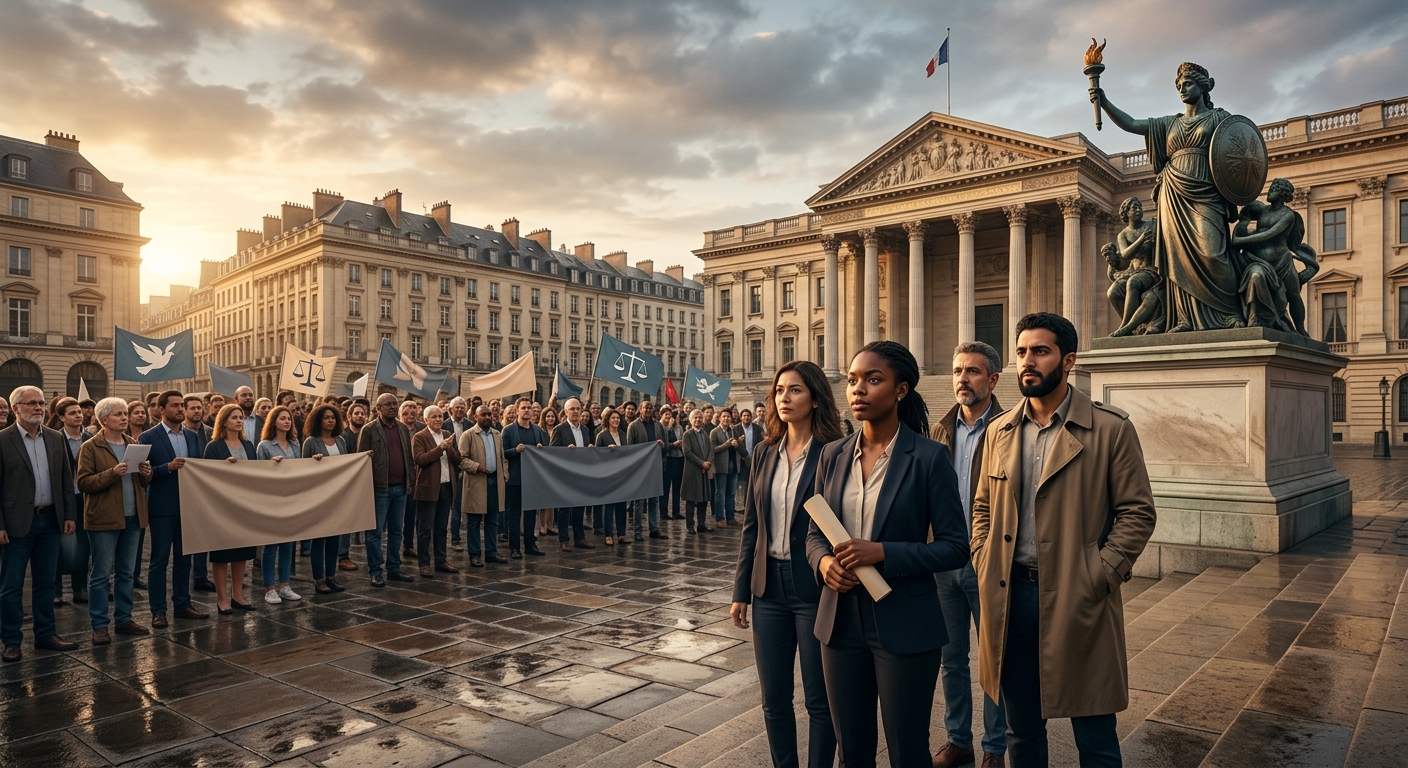
The bedrock of American democracy relies on the continuous preservation and expansion of civil liberties. However, the trajectory of these fundamental rights is rarely linear. In recent years, particularly beginning with the watershed events of 2022, the United States has witnessed a profound reshaping of its legal and social landscape. From the sudden dismantling of federally protected reproductive freedoms to an unprecedented surge in state-level legislation targeting marginalized communities, the resilience of civil rights has been tested on multiple fronts.
As we look back at the past few years, it becomes evident that the struggle for equality and justice requires vigilant civic engagement. The battles fought in courtrooms, statehouses, and public squares are not isolated incidents; they are interconnected skirmishes in a broader conflict over who gets to participate fully in American society. The overarching narrative is one of tension—between efforts to roll back hard-won protections and the fierce grassroots advocacy mobilized to defend them.
This retrospective explores the critical flashpoints that have defined the modern civil liberties movement. By examining the shifting paradigms in reproductive autonomy, LGBTQ+ rights, voter access, free expression, and criminal justice, we can better understand the current state of our fundamental freedoms and the ongoing work required to secure them for future generations.
The Reversal of Reproductive Freedom
The summer of 2022 marked a seismic shift in American jurisprudence with the Supreme Court’s decision in Dobbs v. Jackson Women’s Health Organization. By overturning Roe v. Wade, the Court eliminated the federal constitutional right to abortion, effectively transferring the authority to regulate reproductive healthcare back to individual states. This decision triggered an immediate and chaotic fragmentation of healthcare access across the country, fundamentally altering the landscape of bodily autonomy.
In the immediate aftermath, numerous states activated “trigger laws” that had been designed to ban abortion the moment Roe fell. According to research published by the Guttmacher Institute, the end of 2022 saw abortion become virtually unavailable in more than a dozen states, with courts temporarily blocking enforcement in several others amid a confusing legal back-and-forth. This patchwork of legality created severe logistical and financial hurdles for patients seeking care, forcing many to travel hundreds of miles across state lines, while disproportionately harming low-income individuals and communities of color.
Furthermore, the ripple effects of the Dobbs decision extended far beyond the immediate restriction of abortion procedures. The ruling ignited widespread concern regarding the privacy of medical records, the potential criminalization of miscarriage management, and the future of other rights grounded in the Fourteenth Amendment’s implied right to privacy. Advocacy organizations have been forced to pivot their strategies, engaging in complex state-by-state litigation and pushing for state constitutional amendments to enshrine reproductive rights at the local level.
The Escalating Legislative Assault on LGBTQ+ Communities
Parallel to the upheaval in reproductive healthcare, recent legislative sessions have been characterized by an escalating, highly coordinated assault on the rights of LGBTQ+ individuals. The focus of this legislative wave has predominantly targeted the transgender community, particularly transgender youth, representing one of the most concentrated efforts to roll back civil liberties for a specific minority group in recent memory.
Lawmakers in numerous states have introduced and passed bills aimed at restricting or outright criminalizing gender-affirming medical care for minors. These legislative efforts frequently contradict the established consensus of major medical and psychological associations, which recognize gender-affirming care as medically necessary and potentially lifesaving. A report from the Williams Institute at the UCLA School of Law highlighted the sheer scale of this threat, noting that tens of thousands of transgender youth were suddenly placed at risk of losing access to essential medical treatments due to state-level bans enacted or proposed in 2022 alone.
Beyond healthcare access, the legislative push has also sought to exclude transgender athletes from participating in school sports and to restrict the use of preferred pronouns in educational settings. These policies not only institutionalize discrimination but also foster hostile environments for vulnerable youth. In response, civil rights advocates have launched aggressive legal challenges, arguing that these laws violate equal protection clauses and unlawfully discriminate on the basis of sex and gender identity.
The Battle for the Ballot Box and Democratic Integrity
The foundation of any democratic society is the right of its citizens to participate in free and fair elections. However, the integrity of the ballot box has faced sustained legislative challenges, driven largely by unfounded narratives regarding election fraud. The aftermath of the 2020 election cycle gave rise to a concerted effort in multiple state legislatures to rewrite election laws, often resulting in the creation of new barriers to voter access.
According to the Brennan Center for Justice, the push to restrict voting rights gained immense momentum in recent years, with states enacting dozens of laws designed to make voting more difficult. These restrictions took various forms, including shortening the windows for early voting, strictly limiting the availability of drop boxes, imposing stringent new voter identification requirements, and criminalizing the distribution of food and water to voters waiting in long lines. Such measures disproportionately impact minority voters, the elderly, and individuals with disabilities, effectively disenfranchising large swaths of the electorate.
Equally alarming has been the rise of “election interference” laws. These statutes empower partisan actors to meddle in election administration, creating avenues for the subversion of legitimate election results and imposing criminal penalties on election workers for minor administrative errors. The defense of voting rights has thus evolved into a two-front war: combating traditional voter suppression tactics while simultaneously safeguarding the administrative machinery of democracy against partisan hijacking.
Freedom of Speech and the Resurgence of Censorship
The First Amendment’s guarantee of free speech and expression has historically been a cornerstone of American civil liberties. Yet, recent years have witnessed a chilling resurgence of censorship, primarily centered in educational institutions and public libraries. This movement has sought to dictate what can be read, taught, and discussed, posing a significant threat to intellectual freedom.
PEN America has extensively documented this crisis, describing the phenomenon as a “supercharged” wave of book suppression. During the 2022-2023 academic period, thousands of individual book bans were recorded across the country. The targets of this censorship are overwhelmingly books authored by people of color or those that feature LGBTQ+ themes and characters. By removing these narratives from the shelves, proponents of these bans are effectively attempting to erase diverse voices and experiences from the public sphere.
This trend is further exacerbated by the passage of broad “educational gag orders” in several states. These laws restrict how educators can discuss topics related to systemic racism, gender identity, and American history. The ambiguous language of these statutes often causes a chilling effect, leading teachers and administrators to self-censor out of fear of professional reprisal or litigation. The fight against these measures is fundamentally a fight for the right to receive information and to foster a pluralistic, informed citizenry.
Reforming a Structurally Flawed Criminal Legal System
While high-profile battles over bodily autonomy and free expression have dominated headlines, the persistent, structural flaws within the criminal legal system remain a critical civil rights issue. The United States continues to grapple with the consequences of mass incarceration, racial disparities in policing, and an often-punitive approach to justice that prioritizes retribution over rehabilitation.
Advocacy groups have tirelessly worked to highlight and reform the systemic inequities that plague law enforcement and the courts. Efforts have focused on dismantling qualified immunity—a legal doctrine that often shields police officers from accountability for constitutional violations—and challenging the continued use of the death penalty, which is disproportionately applied to defendants of color and individuals suffering from mental illness.
Furthermore, innovative legal challenges have emerged regarding the intersection of criminal justice and free expression. For instance, civil liberties defenders have increasingly pushed back against the practice of using artistic expression, such as rap lyrics, as criminal evidence in court. This practice is widely criticized for injecting racial bias into trials and criminalizing creative output. Reform in this sector requires a holistic approach, addressing everything from pretrial detention and cash bail to post-conviction rights and prison conditions.
Immigration, Asylum, and Human Dignity
The treatment of immigrants and asylum seekers remains a profound test of the nation’s commitment to human rights and due process. In recent years, border policies have frequently oscillated between restrictive enforcement and attempts at systemic reform, leaving thousands of vulnerable individuals in legal limbo.
A significant point of contention has been the application of emergency public health orders to bypass standard immigration procedures, effectively stripping individuals of their legal right to seek asylum. Advocates have consistently argued that these policies violate international human rights obligations and domestic laws designed to protect those fleeing persecution. The legal battles surrounding these expulsions underscore a fundamental tension between border enforcement priorities and the ethical imperative to provide safe harbor to refugees.
Beyond the border, the civil liberties of undocumented immigrants living within the United States continue to be a focal point of legal advocacy. Issues such as the expansion of surveillance technologies by immigration enforcement agencies, the conditions within detention centers, and the threat of arbitrary deportation heavily impact immigrant communities. Ensuring that fundamental constitutional protections—such as due process and protection against unreasonable searches and seizures—apply to all individuals within the country, regardless of citizenship status, remains a paramount goal for civil rights organizations.
Conclusion: Navigating the Path Forward
The landscape of American civil liberties is complex, dynamic, and frequently embattled. The events that began unfolding rapidly a few years ago served as a stark reminder that fundamental rights are not permanent fixtures, but rather fragile agreements that must be continuously maintained and defended.
Navigating the path forward requires an intersectional approach to advocacy. The right to bodily autonomy is inextricably linked to the right to vote; the freedom to read is tied to the fight against discrimination; and the pursuit of criminal justice reform is essential for true equality. As we move deeper into the decade, the preservation of civil liberties will depend heavily on grassroots mobilization, robust legal defense, and the unwavering commitment of an informed public ready to hold its institutions accountable.
Frequently Asked Questions (FAQ)
- What are the main civil liberties currently under threat in the U.S.?
Key areas include reproductive autonomy, LGBTQ+ protections (especially for transgender youth), voting rights, and First Amendment freedoms regarding censorship in schools. - How did the overturning of Roe v. Wade affect healthcare?
It allowed individual states to ban or severely restrict abortion access, creating a fragmented healthcare system and disproportionately affecting marginalized and low-income communities. - What is an “educational gag order”?
It refers to state laws or policies that restrict teachers from discussing specific topics in the classroom, primarily systemic racism, gender identity, and sexual orientation. - Why are book bans considered a civil rights issue?
Book bans often target literature by and about people of color and the LGBTQ+ community, effectively limiting free speech and suppressing diverse viewpoints in public education.
References
- State Policy Trends 2022: In a Devastating Year, US Supreme Court’s Decision to Overturn Roe Leads to Bans, Confusion and Chaos — Guttmacher Institute. 2022-12-19. https://www.guttmacher.org/article/2022/12/state-policy-trends-2022-devastating-year-us-supreme-courts-decision-overturn-roe
- PROHIBITING GENDER-AFFIRMING MEDICAL CARE for Youth — Williams Institute, UCLA School of Law. 2022-03-11. https://williamsinstitute.law.ucla.edu/publications/bans-trans-youth-health-care/
- Voting Laws Roundup: December 2022 — Brennan Center for Justice. 2022-12-19. https://www.brennancenter.org/our-work/research-reports/voting-laws-roundup-december-2022
- Banned in the USA: State Laws Supercharge Book Suppression in Schools — PEN America. 2023-04-20. https://pen.org/report/banned-in-the-usa-state-laws-supercharge-book-suppression-in-schools/
Similar Articles








Read full bio of medha deb


