
Essential Rights of Defendants in Criminal Trials
Discover the core constitutional protections ensuring fairness for defendants throughout criminal court proceedings.
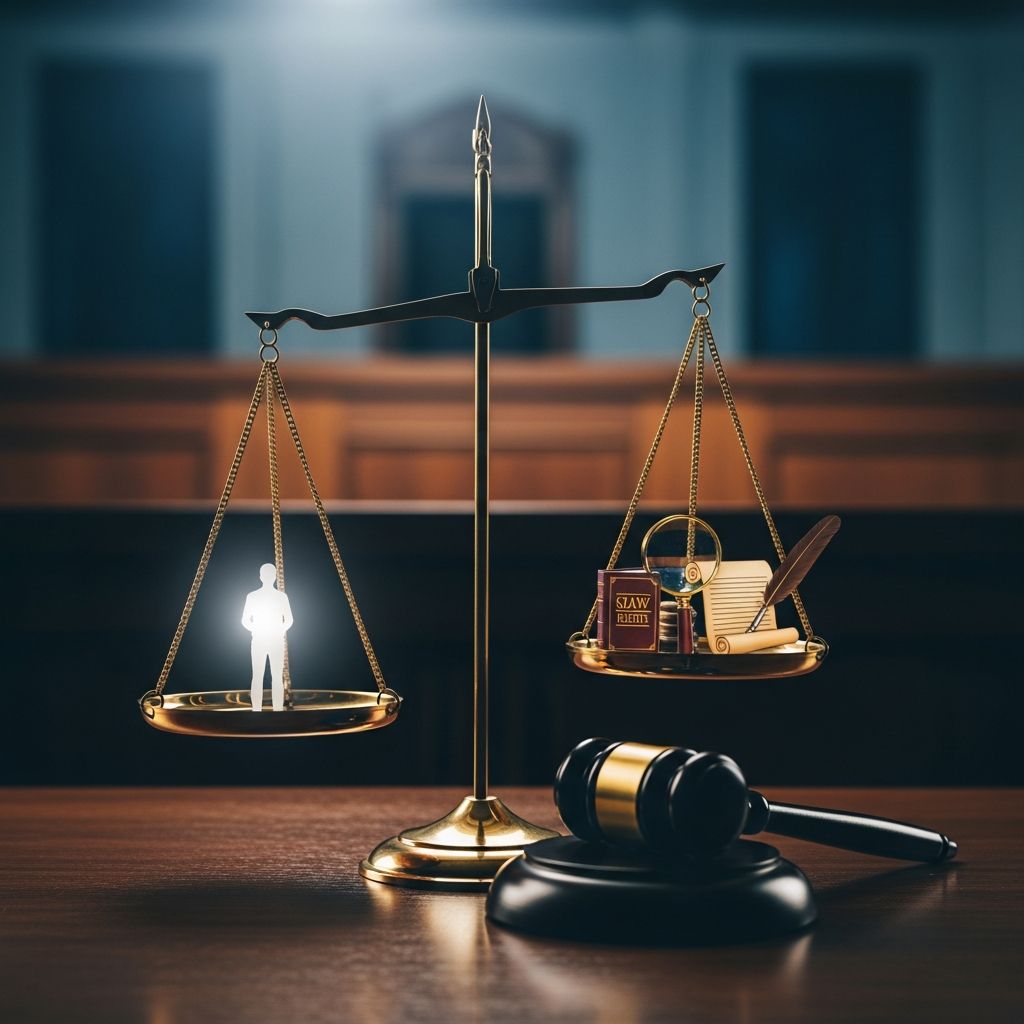
Criminal defendants in the United States enjoy a robust set of constitutional protections designed to ensure fairness and prevent miscarriages of justice. These rights, primarily enshrined in the Fourth, Fifth, and Sixth Amendments, form the bedrock of the American legal system, balancing the power of the state against individual liberty.
Foundational Protections Before and During Trial
From the moment of arrest, defendants are shielded by several key safeguards. The
right to remain silent
, rooted in the Fifth Amendment, prevents compelled self-incrimination. Law enforcement must inform suspects of this right via Miranda warnings, allowing them to avoid statements that could be used against them in court. This protection extends throughout the trial, where no judge or prosecutor can force a defendant to testify.Closely linked is the
right to due process
, which mandates fair treatment at every stage. This includes protection from unreasonable searches and seizures under the Fourth Amendment. Evidence obtained through illegal means is typically inadmissible, preserving the integrity of proceedings. Defendants must also be clearly informed of the charges against them, enabling effective defense preparation.The Role of Legal Counsel in Defending Rights
Access to competent legal representation is a cornerstone of defendant protections, guaranteed by the Sixth Amendment. Every accused individual has the right to an attorney, and if they cannot afford one, the court appoints a public defender. This counsel is essential for challenging evidence, negotiating pleas, and advocating in court.
Defendants are entitled to
effective assistance of counsel
, meaning attorneys must meet a reasonable standard of competence. If representation falls short—such as failing to investigate key evidence—convictions can be overturned on appeal. This right ensures defendants are not disadvantaged by inadequate advocacy.Ensuring Impartiality: Trial Structure and Presence
The Sixth Amendment promises a
speedy and public trial
by an impartial jury from the crime’s district. ‘Speedy’ is evaluated case-by-case, considering delays’ impact on the defense, such as faded witness memories. Public trials promote transparency, though closures may occur for safety or privacy.Defendants have the
right to be present
at all trial stages, derived from the Confrontation Clause. This allows personal oversight of proceedings, though it can be waived expressly (e.g., via written hardship statement) or implied through voluntary absence or disruptive behavior. Courts may remove unruly defendants but must instruct juries not to hold this against them and allow reasonable consultation with counsel.Confrontation and Evidence Presentation Rights
A critical safeguard is the
right to confront witnesses
, enabling cross-examination to test testimony credibility. Witnesses must generally appear in person; hearsay is limited, ensuring defendants can challenge accusations directly.Balancing this, defendants can
compel favorable witnesses
via subpoena and present their own evidence. This equality of arms prevents one-sided proceedings, allowing full defense development.Jury Trials and Presumption of Innocence
For serious offenses, the
right to a jury trial
applies, with 12 impartial jurors deciding guilt beyond a reasonable doubt. Defendants are presumed innocent until proven guilty, shifting the prosecution’s burden entirely. Juries must be unbiased, often selected through voir dire to exclude prejudices.| Aspect | Bench Trial | Jury Trial |
|---|---|---|
| Decision-Maker | Judge alone | 12-person jury |
| Availability | Defendant’s choice for non-capital cases | Constitutional right for serious crimes |
| Impartiality | Judge’s legal expertise | Random selection, voir dire |
| Appeal Grounds | Legal errors | Misconduct, instructions |
Defendants may opt for a bench trial, where a judge decides, often preferred for legal complexities or biased jury pools.
Post-Trial Safeguards: Appeals and Double Jeopardy
Convicted defendants retain the
right to appeal
, permitting higher courts to review for trial errors like evidentiary mistakes or ineffective counsel. This mechanism corrects injustices without retrying facts de novo.The Fifth Amendment’s
double jeopardy
protection bars retrial for the same offense after acquittal or conviction, shielding against prosecutorial harassment.Practical Strategies for Exercising Rights
- Invoke silence early: Politely decline statements until counsel arrives.
- Request appointed counsel: If indigent, assert this right immediately.
- Monitor trial pace: Challenge undue delays impacting defense.
- Prepare witnesses: Use subpoenas strategically with attorney guidance.
- Document disruptions: Ensure court handles presence issues fairly.
Navigating these rights requires awareness and proactive engagement with counsel. Missteps, like waiving silence prematurely, can undermine cases irreversibly.
Frequently Asked Questions
Can a defendant be forced to testify in a criminal trial?
No, the Fifth Amendment protects against self-incrimination; silence cannot be used as evidence of guilt.
What happens if a defendant disrupts the courtroom?
The court may remove them temporarily but must mitigate prejudice, allow counsel communication, and offer return upon good behavior.
Is a speedy trial a strict deadline?
No, it’s assessed balancing factors like case complexity and prejudice caused by delay.
Does the right to counsel apply to all cases?
Yes for cases with potential imprisonment; misdemeanor jail time triggers appointed counsel.
Can appeals retry the entire case?
Typically no; appeals focus on legal errors, not new evidence unless via separate motions.
Conclusion: Upholding Justice Through Rights
These interconnected rights create a balanced system where guilt is proven fairly, not assumed. Defendants exercising them diligently, with skilled counsel, maximize justice chances. Staying informed empowers effective rights assertion amid high-stakes proceedings.
References
- Legal Rights Of Defendants In Criminal Cases — Pioletti Law. 2023. https://piolettilaw.com/legal-rights-of-defendants-in-criminal-cases/
- Understanding Defendants’ Rights in Criminal Proceedings — California Attorney. 2024. https://www.california-attorney.us/articles-faqs/understanding-defendants-rights-in-criminal-proceedings/
- Amendment 6 – “The Rights of the Defendant” — Ronald Reagan Presidential Library. 2023-12-15. https://www.reaganlibrary.gov/constitutional-amendments-amendment-6-rights-defendant
- Sixth Amendment | U.S. Constitution — Legal Information Institute, Cornell Law School. 2024. https://www.law.cornell.edu/constitution/sixth_amendment
- Constitutional Rights of Criminal Defendants — Nolo. 2024. https://www.nolo.com/legal-encyclopedia/defendants-rights-during-court-trial-29793.html
- Defendant’s Rights in the Courtroom — NC PRO, UNC School of Government. 2024. https://ncpro.sog.unc.edu/manual/222-1
Similar Articles








Read full bio of medha deb




