
Dealing with Noisy Neighbors: Legal Rights
Understand your legal protections against disruptive noise and effective strategies to restore peace in your home.
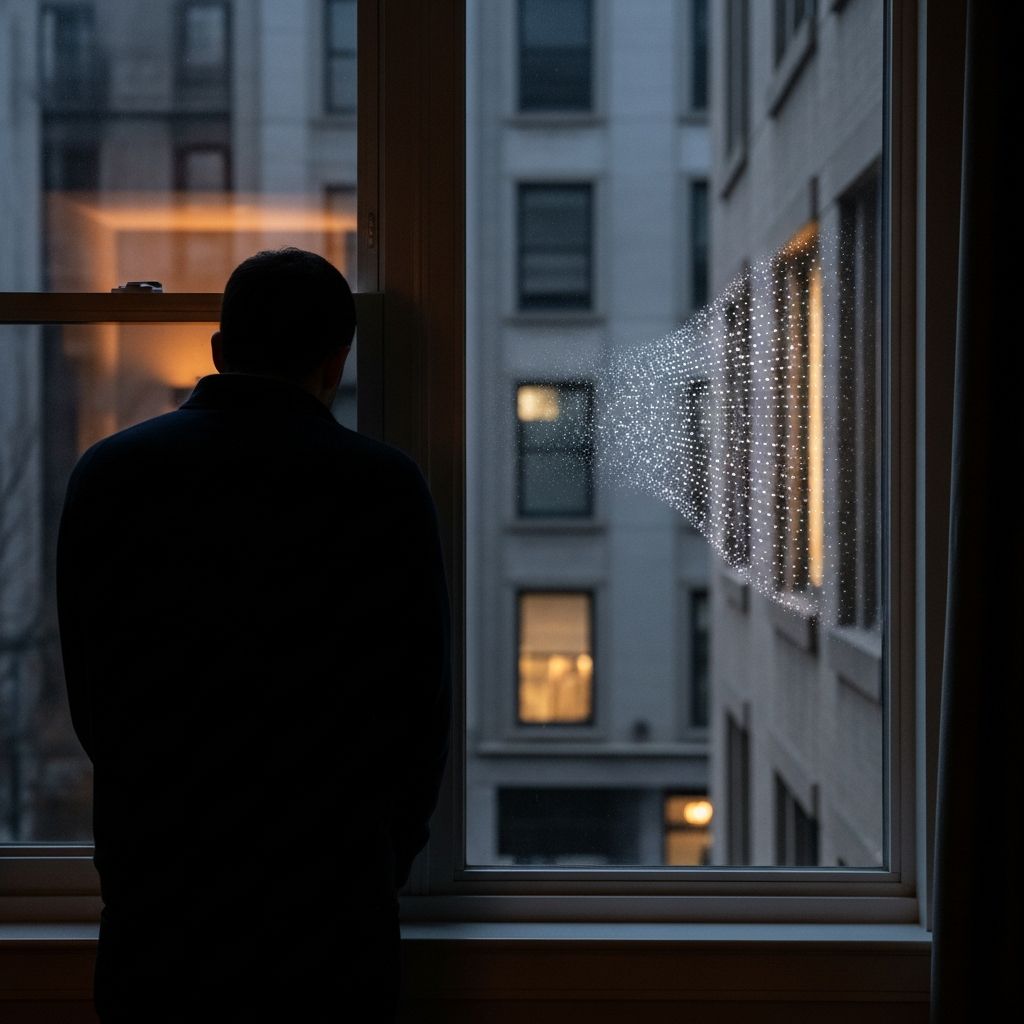
Excessive noise from neighbors can severely disrupt daily life, affecting sleep, work, and well-being. Homeowners and renters alike possess strong legal protections, primarily the right to
quiet enjoyment
, which ensures peaceful use of one’s property without unreasonable interference. This guide explores practical steps, legal frameworks, and remedies to address such disturbances effectively.Understanding Your Fundamental Right to Peaceful Living
The cornerstone of protections against noisy neighbors is the
implied covenant of quiet enjoyment
, a legal principle embedded in common law and reinforced by state statutes. This right guarantees that tenants and owners can occupy their homes free from substantial disturbances, such as incessant loud music, barking dogs, or late-night parties.For renters, this covenant is explicitly or implicitly part of every lease agreement, obligating landlords to mitigate neighbor-generated noise that impacts habitability. Homeowners benefit from similar assurances through property deeds, local ordinances, and nuisance laws. Courts consistently uphold these rights, recognizing that chronic noise diminishes quality of life and property value.
Quiet enjoyment extends beyond mere silence; it encompasses freedom from any substantial interference that prevents normal use of the property. Examples include ongoing construction noise controlled by a neighbor or repeated privacy invasions, both actionable under law.
Local Regulations: The Backbone of Noise Control
Most communities enforce
noise ordinances
that define acceptable decibel levels and designate quiet hours, typically from 10 PM to 7 AM. These municipal codes prohibit sounds exceeding specific thresholds, such as 50 decibels in residential areas during nighttime.Violations constitute a public nuisance, empowering authorities to intervene. State laws often supplement these with broader anti-disturbance provisions, covering activities like amplified music or industrial equipment operation near homes. Homeowners’ associations (HOAs) add another layer, with covenants, conditions, and restrictions (CC&Rs) mandating quiet periods and fining offenders.
| Noise Type | Typical Quiet Hours | Common Decibel Limit | Enforcement Body |
|---|---|---|---|
| Music/Parties | 10 PM – 7 AM | 45-55 dB | Local Police |
| Barking Dogs | Day/Night | Excessive/Continuous | Animal Control |
| Construction | 7 AM – 8 PM | Site-Specific | City Ordinance |
| Vehicle Noise | All Hours | Revving > 10 min | Code Enforcement |
This table summarizes common regulations; always verify your locality’s specific rules for accuracy.
Step-by-Step Guide to Resolving Noise Disputes
Addressing noisy neighbors requires a structured approach prioritizing amicable solutions before escalation.
- Document Thoroughly: Maintain a detailed log of incidents, noting dates, times, durations, noise types, and impacts (e.g., sleep loss). Use smartphone apps for decibel recordings or video evidence, ensuring no trespassing.
- Communicate Politely: Approach the neighbor calmly during a quiet moment, explaining the issue without accusation. Provide a written note citing local ordinances if verbal discussion fails.
- Involve Intermediaries: Notify your landlord, property manager, or HOA in writing. Landlords must act to protect tenants’ quiet enjoyment, potentially fining or evicting violators.
- Report to Authorities: File a noise complaint with police non-emergency lines during violations. Multiple reports build a case for citations or abatement orders.
- Seek Mediation: Many courts offer free or low-cost mediation services, facilitating neighbor agreements without litigation.
Renters’ Special Protections and Landlord Responsibilities
Tenants hold landlords accountable for neighbor nuisances under habitability warranties. Failure to address chronic noise breaches the lease’s quiet enjoyment clause, exposing landlords to lawsuits for negligence, constructive eviction, or rent abatement.
In California, for instance, courts have ruled that landlords must evict nuisance tenants if disturbances persist, as in landmark cases affirming tenant rights to peaceful possession. Document all communications with your landlord; if unresponsive, tenants may withhold rent (after notice) or terminate leases legally.
Legal Actions: From Complaints to Courtroom
When informal methods fail, formal remedies provide relief.
Administrative Complaints
Submit violations to code enforcement or health departments, which investigate and issue fines. HOAs enforce CC&Rs internally, often faster than government channels.
Civil Lawsuits for Nuisance
Sue under
private nuisance
theory, proving: (1) unreasonable noise, (2) neighbor causation, (3) disturbance to your property use, and (4) failed prior requests to cease. Remedies include monetary damages for distress or injunctions halting the noise.Small claims courts handle claims up to $12,500 in many states, ideal for damages without attorneys. For injunctions, superior courts issue orders backed by contempt penalties.
Criminal Charges
Repeated ordinance violations may lead to misdemeanor disturbing-the-peace charges, with fines or jail time.
Evidence Essentials for Successful Claims
Courts demand concrete proof:
- Logs and timestamps of 10+ incidents.
- Audio/video recordings (legal in public views).
- Witness statements from others affected.
- Decibel meter readings.
- Medical notes on stress-related health impacts.
Without this, cases falter; always prioritize documentation from day one.
HOA and Community-Specific Rules
In governed communities, CC&Rs often prohibit noise explicitly, empowering boards to levy fines, suspend amenities, or pursue liens. Review your deed restrictions promptly and report via official channels for swift enforcement.
Potential Outcomes and Preventive Measures
Successful actions yield quiet restoration, compensation (e.g., $1,000-$10,000 in small claims), or behavior orders. Prevention includes soundproofing, white noise machines, or neighbor goodwill events.
Avoid retaliation, which weakens your position legally. Patience with evidence-building maximizes success rates.
Frequently Asked Questions
What qualifies as excessive noise?
Noise unreasonable for the time, place, and manner, often exceeding local decibel limits or occurring during quiet hours.
Can I call the police every time?
Yes, for active violations, but build a pattern via logs for stronger intervention.
What if my landlord ignores complaints?
Pursue rent withholding, lease termination, or sue for breach of quiet enjoyment.
Is mediation free?
Often yes, through community dispute resolution programs.
Can I sue in small claims without a lawyer?
Absolutely; it’s designed for self-representation up to modest damage limits.
Long-Term Strategies for Neighborhood Harmony
Beyond legal fixes, foster community through block watches or shared rules. Sound barriers, schedules, and mutual respect prevent future issues. If relocation looms, noise history bolsters lease negotiations elsewhere.
This comprehensive approach empowers you to reclaim tranquility methodically.
References
- What Are Your Rights Regarding Noisy Neighbors — Ace California Law. 2023. https://acecalifornialaw.com/what-are-your-rights-regarding-noisy-neighbors/
- Can I Sue My Neighbor for Excessive Noise? — Super Lawyers. 2024-01-15. https://www.superlawyers.com/resources/real-estate/real-estate-disputes/can-i-sue-my-neighbor-for-excessive-noise/
- Nuisance Neighbors: Your Rights as a Tenant — Tobener Law. 2023-05-20. https://www.tobenerlaw.com/nuisance-neighbors/
- What to Do About Quiet Enjoyment Issues in California? — Castelblanco Law. 2024. https://castelblanco.com/quiet-enjoyment-violations-in-california/
- Neighbors and Noise FAQ — Self Insured Schools of California. 2023-08-10. https://www.anthemeap.com/sisc/find-legal-support/resources/landlords-and-property-management/legal-assist/neighbors-and-noise-faq
- Neighbor Disputes Fact Sheet — Disability Rights California. 2024-02-01. https://www.disabilityrightsca.org/publications/neighbor-disputes-fact-sheet
Similar Articles








Read full bio of Sneha Tete


