
Daylight Deprivation: How Windowless Workspaces Harm Health
Discover how lack of natural light in offices disrupts sleep, vitality, and productivity, with science-backed solutions for healthier work environments.
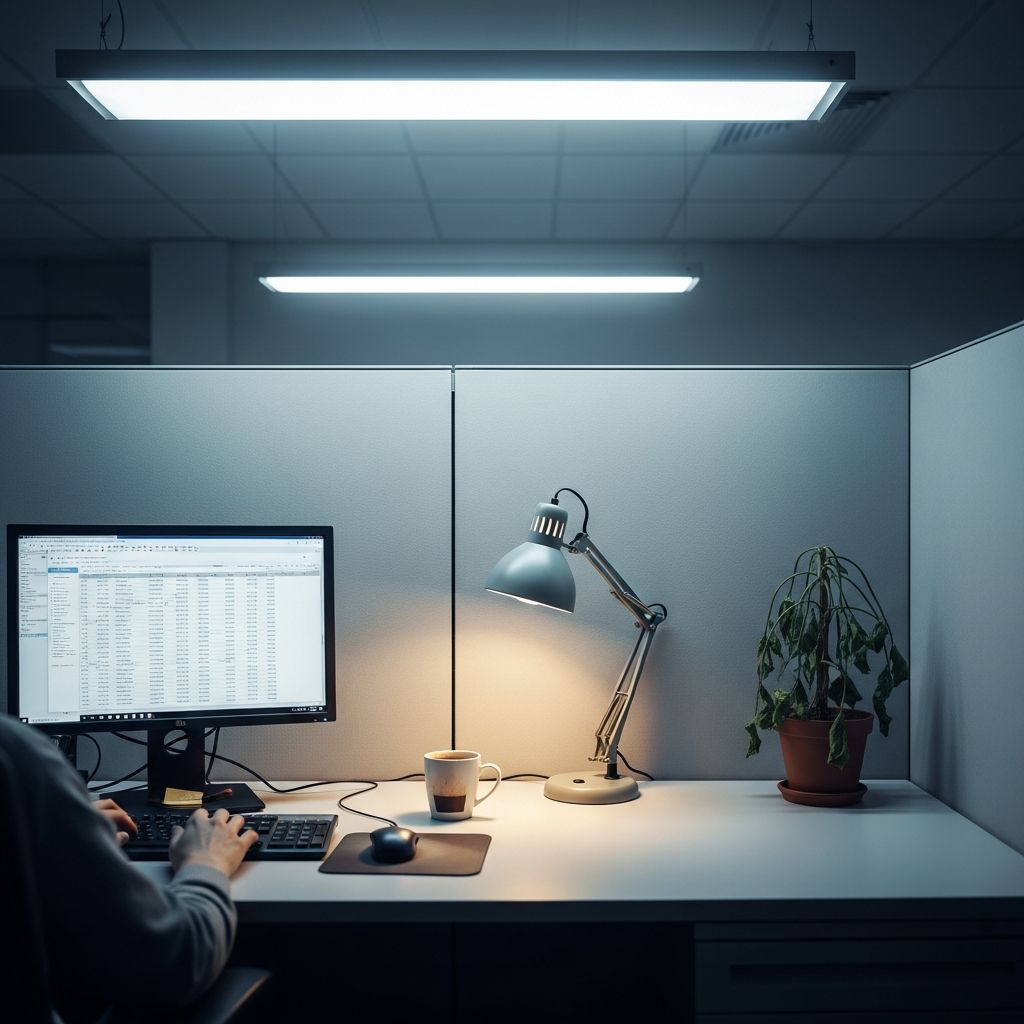
Modern office designs often prioritize open layouts and cost efficiency, but windowless interiors are taking a hidden toll on employee well-being. Research consistently shows that denying workers access to natural daylight triggers a cascade of health issues, from disrupted sleep cycles to diminished vitality and heightened stress levels. This article delves into the science behind these effects, quantifies the impacts through key studies, and offers actionable strategies to counteract them.
The Science of Natural Light and Human Physiology
Natural daylight plays a pivotal role in regulating the body’s circadian rhythm, the internal clock that governs sleep-wake cycles, hormone production, and overall energy levels. Exposure to daylight, particularly in the morning, signals the brain to suppress melatonin—a sleep-inducing hormone—and boost serotonin, which enhances mood and alertness.
Without this exposure, workers in enclosed spaces experience misalignment. A landmark study involving 49 office workers found that those in windowless environments received 173% less white light during work hours compared to colleagues with windows. This group slept 46 minutes less per night on average and showed trends toward reduced physical activity.
Such deficiencies extend beyond rest. Daylight influences vitamin D synthesis, immune function, and even cognitive performance. Prolonged absence fosters chronic fatigue, impairing focus and decision-making throughout the day.
Key Research Findings on Sleep and Quality of Life
Peer-reviewed investigations provide compelling evidence of daylight’s necessity. In a controlled analysis published in the Journal of Clinical Sleep Medicine, researchers used actigraphy devices to track light exposure, activity, and sleep in 21 participants. Windowed workers outperformed their counterparts across multiple metrics:
- Sleep Duration: 46 minutes more per night.
- Light Exposure: 173% higher during work hours.
- Physical Activity: Noticeable increase, supporting better metabolic health.
Quality of life assessments via the SF-36 survey revealed stark disparities. Windowless workers scored significantly lower on role limitations due to physical problems (p=0.001) and vitality (p=0.004). They also trended worse in overall sleep quality (PSQI global score, p=0.05), efficiency, disturbances, and daytime dysfunction.
| Metric | Workers with Windows | Workers without Windows | Statistical Significance |
|---|---|---|---|
| Sleep Duration (min/night) | Higher by 46 min | Lower | p<0.05 |
| Workday Light Exposure | 173% more white light | Deficient | Significant |
| SF-36 Vitality Score | Higher | Lower (p=0.004) | p=0.004 |
| SF-36 Physical Role Limitation | Higher | Lower (p=0.001) | p=0.001 |
These outcomes align with broader reviews confirming windowless settings correlate with poorer mental health, increased stress, and reduced life satisfaction.
Health Risks Beyond Sleep Disruption
The repercussions of dim, artificial lighting permeate physical and mental domains. Eye strain and headaches emerge frequently, as fluorescent bulbs flicker imperceptibly, straining visual muscles. Poor ventilation in sealed rooms compounds this with stale air, elevating fatigue and respiratory discomfort.
Melatonin dysregulation poses longer-term threats. Artificial light, especially blue-enriched LEDs, suppresses this hormone, linking to weakened immunity, higher cancer risks, and metabolic disorders. Nurses with limited daylight exposure reported 95% more errors in winter, underscoring safety implications.
Mentally, enclosed spaces breed isolation. Reduced serotonin fosters anxiety and depression-like symptoms, while lower vitality hampers collaboration and innovation. Students in windowless classrooms showed hormonal imbalances affecting concentration and growth, a pattern mirroring adult workspaces.
Productivity and Economic Consequences for Employers
Health deficits translate to tangible losses. Fatigued employees commit more errors, miss deadlines, and require higher absenteeism. The Northwestern study links window access to enhanced physical activity and life quality, indirectly boosting output.
Economically, retrofitting for light yields high ROI. Healthier teams exhibit 15-20% gains in focus and retention, per environmental psychology data. Conversely, persistent sleep issues from dark offices amplify turnover and healthcare costs.
Practical Solutions: Bringing Light into Dark Spaces
Employers can mitigate risks without full renovations. Start with light therapy lamps mimicking daylight spectra (10,000 lux), positioned for morning use to reset circadian rhythms. Combine with full-spectrum bulbs replacing harsh fluorescents.
Design Interventions:
- Install skylights or light tubes channeling outdoor brightness into interiors.
- Use reflective surfaces and light-colored walls to amplify ambient glow.
- Create rotation schedules ensuring periodic window access.
Encourage breaks outdoors or near glass walls. Biophilic elements like plants enhance perceived brightness and air quality. Policy-wise, mandate daylight audits during office planning, prioritizing perimeter seating.
Legal and Regulatory Considerations
While no universal mandate exists for office windows, building codes in many regions require minimum light levels (e.g., 300-500 lux). OSHA guidelines emphasize ventilation and ergonomics, indirectly supporting daylight claims. Forward-thinking firms reference studies in wellness policies to attract talent.
Employee complaints about health impacts could invoke ADA accommodations for conditions like seasonal affective disorder (SAD), tied to light deficiency.
Case Studies: Success Stories from Light-Focused Offices
Turkish hospitals reallocating nurses to sunlit shifts saw stress drop and satisfaction rise. U.S. firms adopting atrium designs report 20% vitality improvements via SF-36 follow-ups. These examples prove scalable benefits.
Frequently Asked Questions (FAQs)
What is the main impact of windowless offices on sleep?
Workers without windows sleep 46 minutes less per night due to 173% lower daylight exposure, leading to poorer quality and disturbances.
Can artificial lights fully replace natural daylight?
No; while full-spectrum lamps help, they lack the full spectral range and intensity of sunlight, insufficient for optimal circadian alignment.
How quickly do health effects appear in dark offices?
Effects emerge within weeks, with vitality and sleep scores declining significantly in study cohorts over workdays.
Are there productivity benefits to adding windows?
Yes; enhanced alertness, activity, and mood correlate with fewer errors and higher output, as seen in multiple workplace analyses.
What budget-friendly fixes exist for windowless spaces?
Light therapy devices, reflective paint, and scheduled outdoor breaks offer immediate, low-cost improvements.
Implementing Change: A Step-by-Step Guide
- Assess Current Setup: Measure lux levels and survey SF-36 scores.
- Prioritize High-Impact Zones: Target windowless cores for lamps and tubes.
- Monitor Progress: Retest sleep and vitality quarterly.
- Scale Up: Integrate into HR wellness programs.
By addressing daylight deprivation, organizations foster resilient, thriving teams. The evidence is clear: light is not a luxury, but a workplace essential.
References
- Windows Improve Employee Health — Pharmacy Times. 2014-08-20. https://www.pharmacytimes.com/view/windows-improve-employee-health
- Natural Light In The Office Boosts Health — Northwestern Now. 2014-08-11. https://news.northwestern.edu/stories/2014/08/natural-light-in-the-office-boosts-health
- Impact of Windows and Daylight Exposure on Overall Health — Glass.org (PDF). 2020-09. https://www.glass.org/sites/default/files/2020-09/impact_of_workplace_daylight_exposure_on_sleep_physical_activity_and_quality_of_life.pdf
- Study links workplace daylight exposure to sleep, activity and quality of life — American Academy of Sleep Medicine (AASM). N/A. https://aasm.org/study-links-workplace-daylight-exposure-to-sleep-activity-and-quality-of-life/
- Healthier by Design: Impact of Windows and Sunlight on Health — Blue Zones. 2018-03. https://www.bluezones.com/2018/03/healthier-by-design-impact-of-windows-and-sunlight-on-health-productivity-stress/
- Daylight, windows and workers’ well-being: Research review — Journalist’s Resource. N/A. https://journalistsresource.org/environment/daylight-windows-productivity-stress-health-depression/
- Problems When Working in an Office With No Natural Light — Puroptima. N/A. https://puroptima.com/working-in-an-office-with-no-natural-light/
Similar Articles








Read full bio of medha deb


