
The Crisis in Juvenile Detention: Systemic Failures & Reform
Systemic failures and civil rights lawsuits in youth detention reform.
Introduction to a Nationwide Emergency
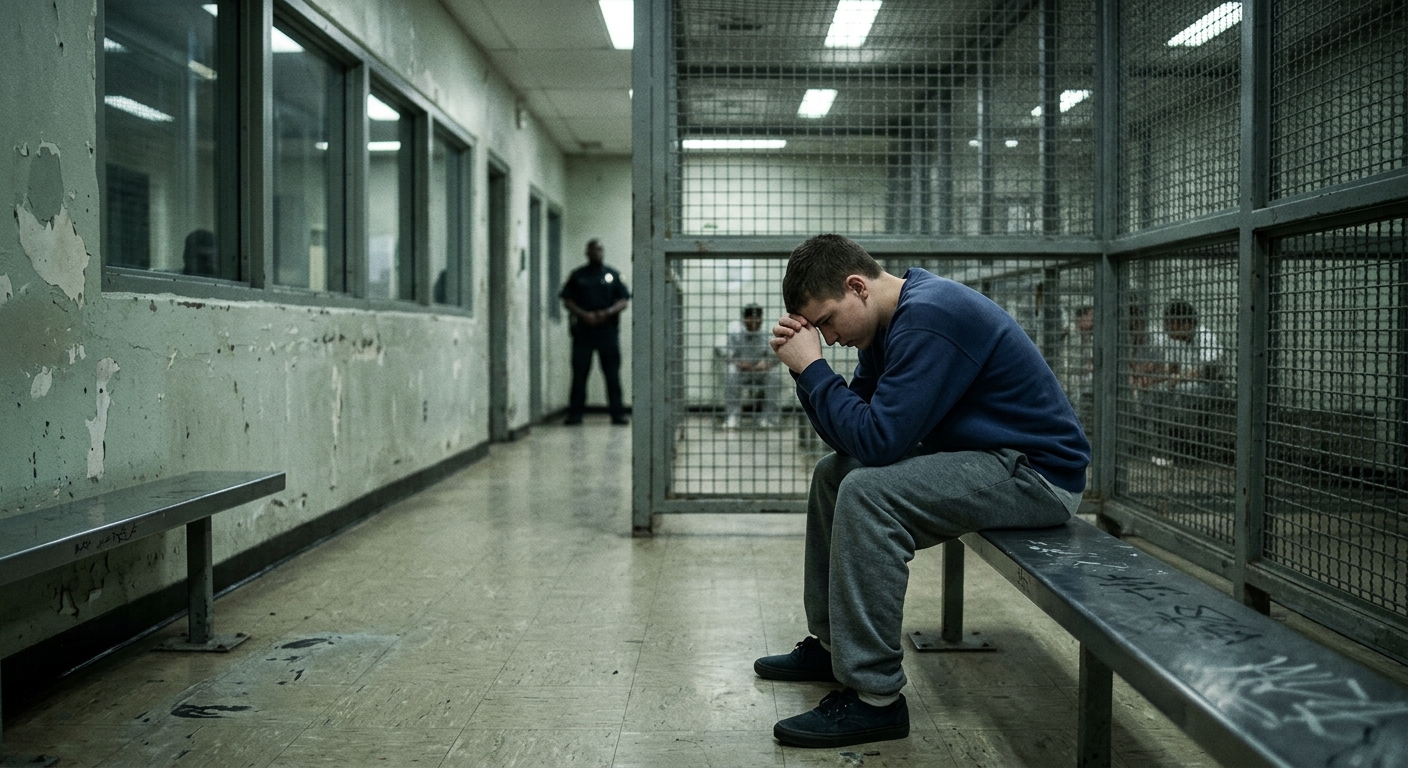
When a minor enters the juvenile justice system, the stated goal of the state is generally rehabilitation, not retribution. However, an unvarnished look at the conditions inside many youth detention facilities across the United States reveals a drastically different story—one marked by systemic deprivation, psychological harm, and physical danger. Widespread reports from families, legal advocates, and civil rights organizations indicate that incarcerated youth are often subjected to environments that exacerbate underlying trauma rather than correct behavioral issues. The crisis within juvenile detention centers is not an isolated phenomenon confined to a single state or jurisdiction; it is a nationwide emergency that has increasingly become the focal point of federal investigations and high-stakes legal battles.
Often, it is the parents and families of incarcerated youth who first sound the alarm. Mothers and fathers who witness the devastating physical and emotional toll that secure confinement takes on their children have become fierce advocates for institutional reform. Their testimonies detail heartbreaking realities—children denied basic medical care, subjected to prolonged isolation, and stripped of their educational rights. This grassroots advocacy by affected families frequently serves as the critical catalyst for sweeping civil rights litigation, bringing hidden abuses into the light of the courtroom and demanding strict accountability from state-run youth services.
A Broken Promise: The Reality of Youth Incarceration
Historically, the juvenile justice system was established on the principle of parens patriae, a legal doctrine granting the state the authority to act as a guardian for vulnerable children. The foundational promise was that youth who run afoul of the law would receive guidance, education, and therapeutic interventions rather than the harsh, retributive punishments meted out in the adult penal system. Today, however, that promise remains largely unfulfilled, as families and legal advocates continue to expose systemic, deeply entrenched failures within these state-run institutions.
Instead of rehabilitative havens, many secure juvenile facilities operate essentially as scaled-down adult prisons. Young people are routinely subjected to dangerous environments, severe overcrowding, and chronic staffing shortages that fundamentally compromise their safety. The architectural layout of these facilities—characterized by concrete cells, heavy metal doors, and pervasive surveillance—creates an intrinsically punitive atmosphere. This environment actively works against the developmental needs of adolescents, whose brains are still maturing and highly susceptible to environmental stressors. When youth are stripped of positive social interactions and educational enrichment, their potential for successful reintegration into society diminishes drastically, setting the stage for a lifetime of systemic entanglement.
The Devastating Impact of Isolation and Confinement
One of the most alarming practices within youth detention is the persistent use of solitary confinement. Although often euphemistically relabeled as “seclusion,” “room confinement,” or “administrative segregation,” the reality remains exactly the same: young people are locked alone in a small room for 22 to 24 hours a day with little to no meaningful human contact. Facility administrators frequently justify this extreme practice as a necessary measure for managing severe staffing shortages or controlling sudden behavioral outbursts, despite overwhelming clinical evidence of its detrimental effects on minors.
The U.S. Department of Justice has explicitly warned that the excessive use of isolation causes children unique and significant harm, fundamentally undermining the entire rehabilitative purpose of the juvenile justice system . During adolescence, the brain undergoes critical phases of neurodevelopment, particularly in areas responsible for emotional regulation, impulse control, and social cognition. Depriving a young person of environmental stimuli and social interaction during this crucial window can cause irreversible neurobiological damage . Youth held in prolonged isolation frequently report experiencing auditory hallucinations, extreme paranoia, and a profound loss of reality.
Furthermore, solitary confinement disproportionately impacts marginalized youth, including children of color and those with pre-existing learning or emotional disabilities. Rather than addressing the root causes of their behavioral issues, isolation directly exacerbates them, creating a vicious, unbreakable cycle of punishment and acting out. The emotional scars left by these practices follow young people long after their eventual release.
The Mental Health Deficit Behind Bars
A significant majority of youth entering the juvenile justice system bring with them extensive histories of trauma, abuse, and untreated mental health conditions. Instead of receiving the specialized, compassionate psychiatric care they require, these children are frequently met with a system completely unequipped to handle their complex clinical needs. In many secure facilities, mental health care is limited to brief, rudimentary assessments or the rapid over-prescription of psychotropic medications without concurrent therapeutic support. The lack of robust, trauma-informed care means that youth experiencing acute mental health crises are often punished for symptoms of their illness rather than treated for them.
This strictly punitive approach to mental illness has devastating and sometimes fatal consequences. Juvenile detention centers record alarmingly high rates of suicidal ideation and self-harm among their populations. For instance, a child acting out due to severe anxiety or post-traumatic stress disorder (PTSD) is more likely to be met with physical restraint protocols or solitary confinement than with a licensed counselor or a safe de-escalation routine. Without consistent access to licensed therapists, psychologists, and crisis intervention specialists, young people are left to navigate their emotional turmoil in a hostile, unforgiving environment, virtually ensuring they leave the facility worse off than when they arrived.
Educational Deprivation in Secure Facilities
Education is widely recognized by sociologists and criminologists as one of the most effective tools for reducing recidivism and empowering at-risk youth to build stable, productive lives. Under federal and state laws, incarcerated youth definitively retain the right to receive an education comparable to what they would receive in a traditional public school setting. Unfortunately, severe educational deprivation has become a hallmark of many secure juvenile facilities across the nation.
Systemic staffing shortages and a rigid prioritization of institutional security over academic rehabilitation frequently result in canceled classes, truncated school days, and a heavy reliance on low-quality, packet-based independent learning. In facilities struggling with high employee turnover, non-certified personnel or security guards are sometimes tasked with overseeing educational blocks, leaving students without any meaningful instructional guidance. Furthermore, a large percentage of incarcerated youth require special education services under the Individuals with Disabilities Education Act (IDEA). Yet, these specialized individualized education programs (IEPs) are routinely ignored or inadequately implemented behind bars. The inability to accumulate high school credits or obtain vocational training virtually guarantees that these youth will face massive barriers to employment upon release, transforming the school-to-prison pipeline into a closed loop.
Litigation as a Catalyst for Systemic Change
Given the deeply entrenched nature of these systemic failures, voluntary and proactive reform by state agencies is exceedingly rare. Instead, meaningful systemic change is almost entirely driven by external pressure, primarily through aggressive civil rights litigation. Lawsuits filed by advocacy organizations, dedicated families, and the U.S. Department of Justice have become indispensable tools for exposing the horrific conditions hidden inside youth facilities and forcing strict constitutional compliance. Under the 14th Amendment, children are legally protected from the illegitimate or excessive use of isolation and are fully entitled to safe conditions of confinement .
When state agencies fail to uphold these baseline constitutional mandates, comprehensive class-action lawsuits can boldly compel judicial intervention. The impact of successful litigation extends far beyond mere financial settlements for the affected families. Consent decrees and federal court orders frequently mandate sweeping overhauls of facility operations. This can include strict legal limitations on the use of solitary confinement, federally mandated staffing ratios, the required implementation of trauma-informed behavioral management systems, and the installation of independent, third-party monitors to ensure ongoing compliance. While civil litigation is undeniably a slow and arduous process, it remains one of the most highly effective mechanisms for dismantling abusive administrative practices.
A Blueprint for a Rehabilitative Future
The mounting statistical evidence against the efficacy of secure youth detention underscores the urgent need for a massive paradigm shift in how society approaches juvenile justice. A truly rehabilitative future must prioritize decarceration and the immediate diversion of youth away from secure facilities whenever safely possible. According to the Office of Juvenile Justice and Delinquency Prevention, community-based programs and low-intervention services are not only significantly more cost-effective than secure confinement, but they also consistently produce far better long-term outcomes for youth and broad public safety .
Instead of investing hundreds of millions of taxpayer dollars into maintaining archaic, prison-like detention centers, resources should be aggressively reallocated to community-based initiatives that directly address the root causes of adolescent delinquency. Restorative justice models, which focus on repairing the harm caused by an offense through mediated, constructive dialogue between the youth, the victim, and the community, have shown immense promise in fostering genuine accountability without the destructive need for physical incarceration.
| System Feature | Traditional Secure Detention | Community-Based Alternatives |
|---|---|---|
| Primary Focus | Punishment, physical containment, and control | Rehabilitation, trauma care, and root-cause resolution |
| Physical Environment | Institutional settings, concrete cells, and isolation | Integrated within the youth’s family and home community |
| Economic Impact | Extremely high cost burden (often exceeding $500 per day) | Significantly lower operating cost (often under $100 per day) |
| Long-Term Outcomes | Higher likelihood of adult justice system involvement | Demonstrated, measurable reduction in recidivism rates |
Frequently Asked Questions (FAQs)
- What is solitary confinement, and how is it used in juvenile facilities?
Solitary confinement, often referred to as room confinement or administrative seclusion, involves isolating a young person in a small cell for 22 to 24 hours a day with minimal human contact. While recognized as psychologically harmful, many facilities still use it to manage staffing shortages or punish minor behavioral infractions.
- Why are mental health services so critical for incarcerated youth?
A significant majority of youth in the juvenile justice system have experienced severe trauma, domestic abuse, or suffer from untreated mental illnesses. Without adequate mental health services, the stressful, violent environment of a detention center can exacerbate these underlying conditions, leading to increased self-harm and suicidal ideation.
- Do incarcerated youth legally have a right to an education?
Yes. Federal and state laws strictly require that youth in secure facilities receive an education that is academically comparable to what is offered in traditional public schools. This includes rigid adherence to special education mandates under the Individuals with Disabilities Education Act (IDEA).
- How do civil rights lawsuits help improve juvenile detention centers?
Civil rights lawsuits publicly expose systemic abuses and direct constitutional violations within state facilities. They often result in enforceable, court-ordered reforms, such as the total elimination of excessive solitary confinement, vastly improved staffing ratios, and the appointment of independent monitors to ensure ongoing compliance.
References
- Justice Department Files Statement of Interest in Challenge to the Constitutionality of Solitary Confinement of Children in Juvenile Justice Settings — U.S. Department of Justice. 2024-10-25. https://www.justice.gov/opa/pr/justice-department-files-statement-interest-challenge-constitutionality-solitary-confinement
- Juvenile confinement exacerbates adversity burden: A neurobiological impetus for decarceration — National Library of Medicine (PMC). 2022-09-30. https://www.ncbi.nlm.nih.gov/pmc/articles/PMC9563242/
- Fast Facts on Youth Justice — Office of Juvenile Justice and Delinquency Prevention. 2024-09-12. https://ojjdp.ojp.gov/facts-about-youth-crime
Similar Articles








Read full bio of medha deb




