
Criminal Trial Process: Complete Step-By-Step Guide
Comprehensive guide to the stages of a criminal trial from arraignment to verdict and sentencing.
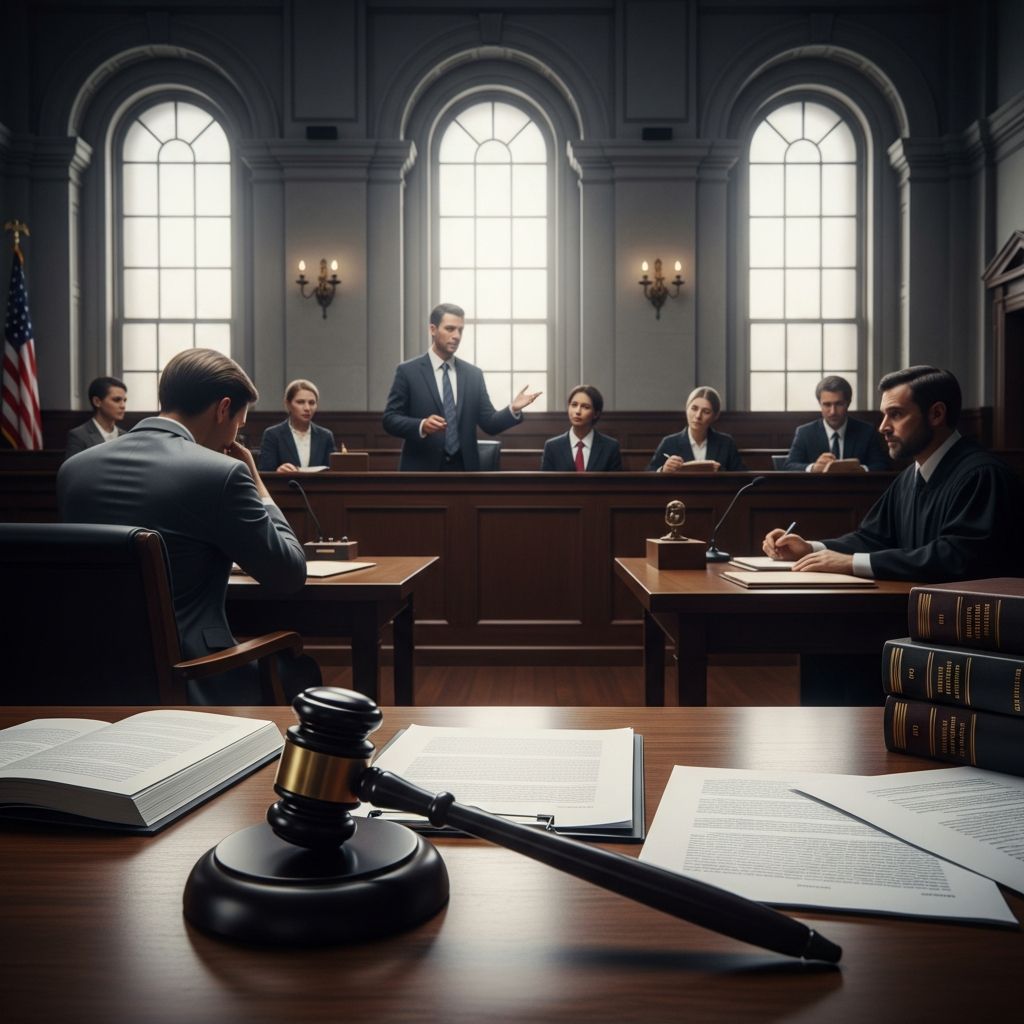
The criminal trial process in the United States follows a structured sequence designed to ensure fairness, protect rights, and determine guilt or innocence based on evidence. This overview breaks down each phase, highlighting key procedures, participant roles, and potential outcomes. Whether you’re a defendant, witness, or observer, grasping these steps demystifies the courtroom experience.
Before the Trial Begins: Essential Preparations
Criminal trials don’t start abruptly; extensive pretrial activities lay the groundwork. After arrest and charging, the prosecution files formal accusations, often via a complaint for misdemeanors or an indictment from a grand jury for felonies. The defendant then attends an arraignment, where charges are read, rights are explained, and an initial plea is entered—typically ‘not guilty’ to proceed to trial.
Pretrial phases include discovery, where both sides exchange evidence, and motions hearings. Prosecutors and defense attorneys may file motions to suppress illegally obtained evidence or dismiss charges. Preliminary hearings establish probable cause for felonies, determining if the case advances. Bail hearings assess release conditions, balancing public safety and defendant rights. These steps can resolve cases via pleas or continuances, avoiding full trials in many instances.
- Key Pretrial Goals: Ensure evidence admissibility, protect constitutional rights, and explore settlements.
- Common Outcomes: Plea bargains (resolving 90-95% of cases), dismissals, or trial readiness.
Selecting the Jury: Impartial Fact-Finders
Jury selection, or voir dire, assembles an impartial panel to deliberate facts. Courts summon citizens from voter rolls or driver’s license databases. Prospective jurors complete questionnaires, then face attorney questioning to uncover biases.
Challenges fall into two categories:
- For Cause: Unlimited removals if bias, hardship, or ineligibility (e.g., relation to parties) is shown.
- Peremptory: Limited (typically 6-10 per side) discretionary strikes without stated reason, though racial/gender discrimination is prohibited.
The judge oversees, approving the final panel—usually 12 jurors plus alternates for felonies. This phase ensures diverse, unbiased decision-makers, crucial since juries determine verdicts in most trials.
Opening the Case: Setting the Stage
With the jury seated, the bailiff calls the case, and the judge enters. The clerk reads charges, and the defendant reaffirms their plea. Opening statements follow: prosecution first outlines expected evidence proving guilt beyond reasonable doubt; defense responds, previewing counterarguments without presenting evidence yet.
These non-argumentative previews frame the narrative, helping jurors follow complex testimony. Judges instruct juries on basic rules, like evaluating credibility.
Prosecution’s Case: Building the Evidence Foundation
The prosecution bears the burden of proof, presenting its case-in-chief first. Through direct examination, prosecutors question witnesses—eyewitnesses, experts, victims—eliciting facts via open-ended queries. Physical evidence, like documents or forensics, is introduced via chain-of-custody authentication.
Defense attorneys cross-examine, using leading questions to probe inconsistencies, motives, or weaknesses. Prosecutors may redirect to clarify. Once complete, prosecution rests.
| Examination Type | Purpose | Question Style |
|---|---|---|
| Direct | Elicit supportive testimony | Open-ended (“What did you see?”) |
| Cross | Challenge credibility/accuracy | Leading (“You didn’t see clearly, did you?”) |
| Redirect | Rehabilitate witness | Open-ended follow-up |
Defense Response: Countering the Accusation
Defense presents its case-in-chief, calling witnesses or the defendant (invoking Fifth Amendment risks presuming guilt). Direct exams build doubt, alibis, or alternative theories. Prosecution cross-examines rigorously.
Defenses include justification (self-defense), excuse (insanity), or negation (alibi, mistaken identity). Defense rests after evidence submission. Prosecution may rebut with new, non-cumulative evidence.
Closing Arguments: Persuading the Jury
Final arguments summarize proofs. Prosecution closes first, then defense; prosecution rebuts. No new evidence allowed—attorneys tie facts to law, urging verdicts. Defense highlights reasonable doubt; prosecution reinforces guilt.
Judges may pre-instruct juries earlier, but formal jury instructions follow, explaining law application, verdict forms, and unanimity requirements.
Jury Deliberations and Verdict
Jurors retire to deliberate privately, electing a foreperson. They review evidence, discuss, and vote—unanimous in federal/criminal cases. Deadlocks trigger Allen charges urging agreement without coercion.
Verdicts: Guilty (all elements proven), Not Guilty (acquittal, double jeopardy bars retry), or Hung (mistrial, possible retrial). Poll allows individual confirmations.
Post-Verdict Proceedings: Sentencing and Appeals
Guilty verdicts lead to sentencing hearings. Judges consider presentence reports, victim statements, guidelines. Factors: crime severity, criminal history, remorse. Options: probation, fines, imprisonment.
Defendants file post-trial motions (new trial, acquittal judgment). Appeals challenge legal errors, not facts. Acquittals end cases immediately.
Bench Trials: Judge as Fact-Finder
Defendants waive juries for bench trials; judges decide guilt. Procedures mirror jury trials but faster, without selection/deliberations. Appeals focus on law application.
Special Considerations in Criminal Trials
- Motions in Limine: Pretrial evidence exclusions.
- Continuances: Delays for preparation.
- Mistrials: Declared for juror misconduct, deadlocks.
- Joint Trials: Multiple defendants, severance possible.
Frequently Asked Questions
What is the burden of proof in a criminal trial?
The prosecution must prove guilt beyond a reasonable doubt, the highest standard, unlike civil ‘preponderance of evidence’.
Can a defendant remain silent during trial?
Yes, invoking the Fifth Amendment prevents compelled testimony; no adverse inference in jury instructions.
How long do trials typically last?
Varies: days for misdemeanors, months for complex felonies, depending on evidence volume.
What happens if the jury can’t agree?
A hung jury prompts mistrial; prosecution may retry or dismiss.
Are plea bargains part of the trial?
No, they precede trials, resolving most cases pretrial.
Navigating Trials: Tips for Participants
Defendants: Consult attorneys early. Witnesses: Testify truthfully, listen carefully. Observers: Silence phones, no disruptions. Understanding empowers informed engagement.
References
- Steps in a Criminal Trial — Texas Municipal Courts Education Center. 2023-06-30. https://www.tmcec.com/wp-content/uploads/2023/06/Steps-in-a-Criminal-Trial-Lesson-4-30-2020.pdf
- Criminal Trial Procedures: An Overview — Nolo. 2023. https://www.nolo.com/legal-encyclopedia/criminal-trial-procedures-overview-29509.html
- Criminal Trial Procedures: An Overview — Anthem EAP. 2023. https://www.anthemeap.com/the-local-choice/find-legal-support/resources/criminal-law/legal-assist/criminal-trial-procedures-an-overview
- Stages of a Criminal Trial & the Legal Process — Justia. 2023. https://www.justia.com/criminal/procedure/stages-criminal-trial/
- The Criminal Justice Process — Tennessee District Attorneys General Conference. 2023. https://www.tndagc.org/the-criminal-justice-process/
- Steps in the Federal Criminal Process — U.S. Department of Justice. 2023-01-17. https://www.justice.gov/usao/justice-101/steps-federal-criminal-process
Similar Articles








Read full bio of medha deb




