
Criminal Penalties for Desecrating Human Remains
Explore how U.S. criminal and civil law punish the desecration of human remains, graves, and funerary sites across a range of disturbing scenarios.
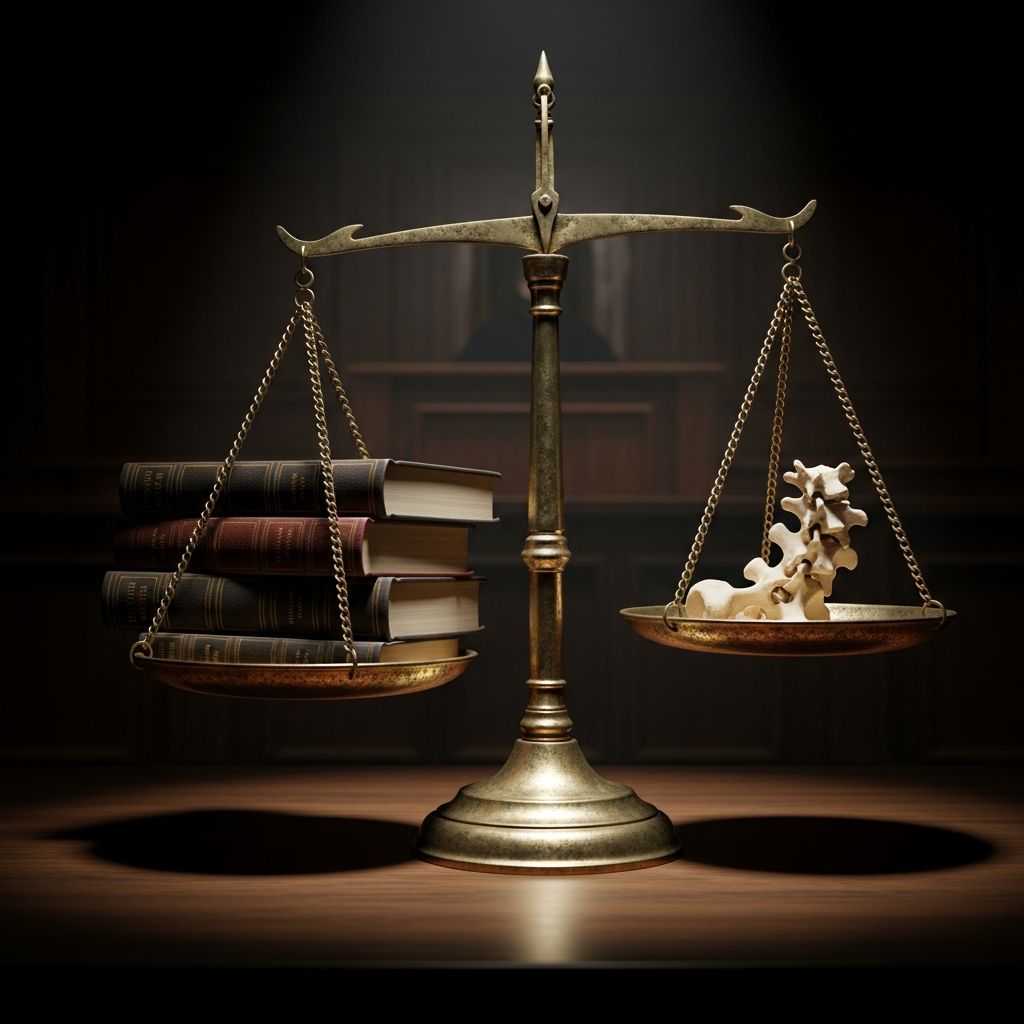
Damaging a grave, mistreating a corpse, or mishandling remains violates deep social, religious, and cultural norms. Modern U.S. law reflects this by criminalizing a wide range of conduct involving human remains and burial places, often with severe penalties for offenders.
Why the Law Protects the Dead
Although deceased individuals can no longer assert their own rights, the law protects their bodies and burial sites for several reasons:
- Respect for human dignity: Societies historically treat burial and mourning as sacred activities, and violating these practices is widely condemned.
- Protection of families and communities: Desecration harms surviving relatives emotionally and spiritually, sometimes giving rise to civil damages for emotional distress.
- Preservation of evidence: A corpse is often critical evidence in homicide or unexplained-death investigations; tampering can obstruct justice.
- Cultural and historical preservation: Burial grounds and associated artifacts may have enormous cultural, archaeological, or tribal importance.
To address these interests, states and the federal government use overlapping criminal statutes covering abuse of a corpse, grave vandalism, evidence tampering, and related conduct.
What Counts as Desecration or Abuse of a Corpse?
The exact wording differs from state to state, but common elements appear across U.S. laws. Typical criminal definitions of desecration or abuse of a corpse include acts such as:
- Physically mistreating a dead body in a way that most people would view as outrageously disrespectful.
- Intentionally mutilating, dismembering, or otherwise damaging bodily remains without legal authority.
- Removing a body from a grave, crypt, or storage facility without the necessary consent or legal order.
- Hiding, destroying, or moving a body to interfere with a death investigation or to avoid detection.
- Engaging in any sexual act with a corpse (often expressly criminalized as a form of abuse).
In practice, prosecutors also rely on more general statutes—such as tampering with evidence or criminal mischief—to charge conduct that impacts human remains or burial spaces.
Common Criminal Charges Involving the Dead
Several distinct crimes may be charged when someone interferes with a corpse or a grave. The exact labels and degrees vary by jurisdiction, but the categories are broadly similar.
1. Abuse or Desecration of a Dead Human Body
Many states have a dedicated offense for mistreating a corpse. A representative example is Utah’s law on “abuse or desecration of a dead human body,” which makes it a crime to intentionally disturb, conceal, damage, dismember, or sexually violate a dead body, or to disinter remains without legal authority.
- Lesser offenses: Failing to report finding a dead body may be charged as a misdemeanor (Utah treats this as a class B misdemeanor).
- More serious conduct: Acts like moving, dismembering, or sexually abusing a corpse are often third-degree felonies under similar statutes.
2. Grave and Cemetery Desecration
Grave desecration usually focuses on damage to burial sites, headstones, vaults, and related structures rather than the body itself. Conduct that may be covered includes:
- Destroying or defacing headstones, grave markers, or monuments.
- Opening graves, tombs, caskets, or burial vaults without authorization.
- Plowing over, covering, or obliterating grave sites.
- Stealing items placed in or on graves, such as vases, memorial plaques, or personal artifacts.
Some states classify grave desecration as a felony, especially when human remains are disturbed or when the damage is extensive or motivated by bias.
3. Tampering with Evidence Involving a Body
Because a corpse is often critical evidence of how a person died, moving or altering the body can be charged as evidence tampering. Many states define evidence tampering as destroying, altering, or hiding physical evidence with the intent to hinder a criminal investigation or prosecution.
Penalties typically scale with the seriousness of the underlying crime. For instance:
- If tampering relates to a homicide or other high-level felony, it may be charged as a third-degree felony.
- If it relates to a lower-level felony, it may be a fourth-degree felony.
- If it involves only a misdemeanor investigation, it may itself be a misdemeanor.
Even when a state has a specific abuse-of-corpse statute, prosecutors frequently add or substitute evidence-tampering counts where the main concern is obstruction of justice.
4. Funeral Home and Crematory Misconduct
Funeral homes, crematories, and cemeteries are especially regulated. When licensed professionals mishandle remains, they may face:
- Criminal liability: For acts like secretly commingling remains, selling body parts, or disposing of remains in unauthorized locations, which may violate abuse-of-corpse, fraud, or licensing statutes.
- Civil liability: Families can often sue for negligence, breach of contract, or intentional infliction of emotional distress when remains are lost, mishandled, or desecrated.
- Administrative sanctions: Licensing boards may revoke or suspend licenses and impose fines for professional misconduct.
How States Classify and Punish Desecration Offenses
Penalties vary substantially, but most states treat willful desecration of remains or graves as a serious crime. The following table illustrates typical patterns (using language and penalties that are representative but not exhaustive):
| Type of Conduct | Typical Offense Level | Representative Consequences |
|---|---|---|
| Failing to report discovery of a body (where required) | Misdemeanor (e.g., class B) | Short jail term (up to ~6 months) and/or fines; criminal record. |
| Vandalizing headstones or cemetery structures without disturbing remains | Misdemeanor or low-level felony | Up to 1 year in jail or more, restitution for damage, fines. |
| Intentionally damaging, dismembering, or concealing a corpse | Felony (often third degree) | Multi-year prison sentences, significant fines, probation, restitution. |
| Grave desecration involving human remains (e.g., opening caskets, plowing over graves) | Felony (often Class H–I or similar) | State prison time and fines; potential enhancement for bias motives. |
| Evidence tampering with a body in connection with homicide | Felony (e.g., third degree) | Separate sentence stacked on top of homicide or related convictions. |
Federal Law and Special Protections
Most desecration cases are prosecuted under state law, but federal statutes come into play when specific interests are involved:
- Native American human remains and cultural items: Federal laws protect Native American graves and associated cultural objects on federal and tribal lands, including a detailed process for repatriation of remains and penalties for noncompliance.
- Federal property and national cemeteries: The federal Government Property Destruction Act makes it a crime to willfully damage or destroy U.S. government property; it can apply to vandalism or desecration in federal cemeteries and memorials.
- Interstate conduct: When remains or body parts are trafficked or transported across state lines, federal jurisdiction may be triggered through statutes involving commerce, fraud, or transportation of stolen goods.
Civil Lawsuits: Financial Accountability for Desecration
Criminal prosecution does not compensate the family. To recover money damages, relatives may pursue civil claims arising from desecration of remains. According to legal analyses explaining these cases:
- Families often sue funeral homes, crematories, cemeteries, or hospitals when remains are lost, misidentified, or mishandled.
- Common claims include negligence, breach of contract (e.g., failing to provide agreed services), and intentional or reckless infliction of emotional distress.
- Damages may cover emotional anguish, out-of-pocket costs (such as repeating a funeral), and sometimes punitive damages to punish egregious conduct.
Even when a criminal case is weak or incomplete, civil law may still provide a route to accountability if the family can prove wrongdoing by a preponderance of the evidence.
Key Factors That Affect Penalties
Courts and legislatures consider several factors in determining how harshly to punish desecration and abuse-of-corpse offenses:
- Intent and motive: Deliberate, malicious, or hateful acts draw harsher penalties than reckless or negligent conduct.
- Scope of harm: Damage to multiple graves, theft of valuable artifacts, or far-reaching misconduct by a funeral provider may elevate charges.
- Impact on families and communities: Courts may consider victim impact statements describing grief and trauma when imposing sentence.
- Connection to other crimes: If desecration is used to hide homicide, insurance fraud, or other serious offenses, cumulative penalties can be substantial.
- Bias or hate-crime elements: Some jurisdictions enhance penalties when graves are targeted because of the decedent’s race, religion, or ethnicity.
Practical Steps if You Suspect Desecration
Anyone who discovers or suspects mistreatment of remains or graves should proceed carefully. Typical recommendations from attorneys and law enforcement agencies include:
- Contact law enforcement immediately: Do not move or disturb anything; the site may be a crime scene and potential evidence.
- Document what you see from a distance: Photos and notes (without touching remains) may help investigators.
- Notify cemetery or funeral staff: They can secure records, surveillance footage, and relevant paperwork.
- Consult an attorney: Families may have both criminal-victim rights and civil claims for emotional and financial harm.
Frequently Asked Questions (FAQs)
Is grave vandalism always a felony?
No. Minor vandalism of cemetery property (such as graffiti on a fence) may be treated as a misdemeanor, while conduct that disturbs human remains or causes extensive damage is more likely to be charged as a felony.
Can someone be charged even if the body is already very old?
Yes. Most statutes apply regardless of how long a person has been dead; disturbing centuries-old graves or human remains can still be a criminal offense and may also implicate cultural heritage laws.
Is moving a body to avoid calling the police considered desecration?
In many states, intentionally moving or hiding a corpse to avoid reporting a death or obstruct an investigation can be charged under abuse-of-corpse or tampering-with-evidence statutes, sometimes as a felony.
Can a funeral home go to prison for mishandling remains?
Individual employees or owners can face criminal charges if their conduct violates criminal statutes, in addition to civil liability and professional discipline.
Do families always need to wait for a criminal case before suing?
Not necessarily. A civil case for negligence or emotional distress can often proceed independently of any criminal investigation, though the two may influence each other.
References
- What Are the Penalties for Desecrating the Dead? — New Mexico Criminal Law Offices. 2023-05-10. https://newmexicocriminallaw.com/what-are-the-penalties-for-desecrating-the-dead/
- Stoneville, NC Code § 92.06 – Desecrating, Plowing Over or Covering Up Graves — Town of Stoneville. 2015-11-02. https://codelibrary.amlegal.com/codes/stoneville/latest/stoneville_nc/0-0-0-3056
- Grave Desecration — Overview article. 2019-08-01. https://en.wikipedia.org/wiki/Grave_desecration
- California Health and Safety Code §§ 7050.5–7055 — State of California. 2005-01-01. https://law.justia.com/codes/california/2005/hsc/7050.5-7055.html
- Can I Recover Damages for the Desecration of Human Remains? — Enjuris. 2023-06-15. https://www.enjuris.com/blog/questions/desecration-of-human-remains/
Similar Articles








Read full bio of Sneha Tete




