
Credit and Your Rights: A Practical Consumer Guide
Learn how U.S. credit laws protect you, how to read and fix your credit reports, and what to do if lenders or collectors break the rules.
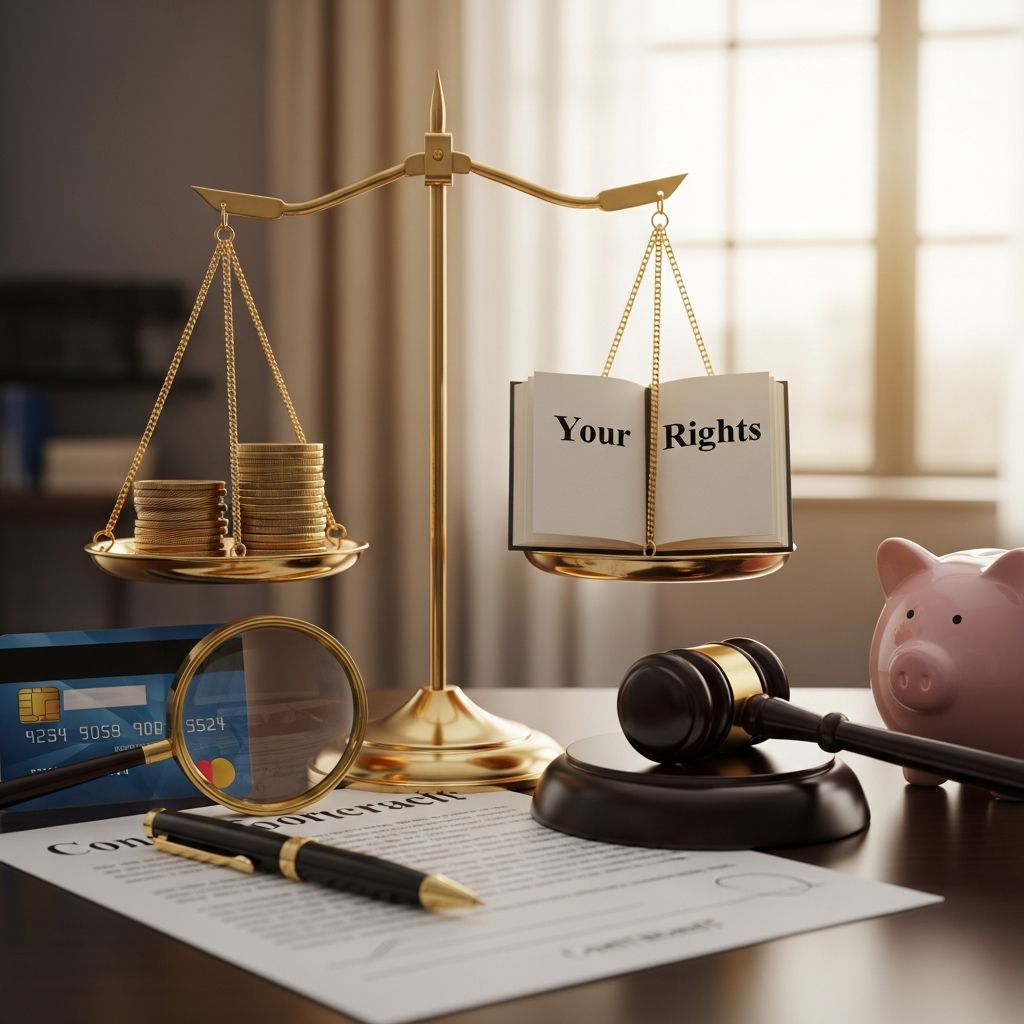
Access to credit can help you buy a home, finance a car, cover emergencies, and build a strong financial future. But credit only works in your favor if you understand your rights and know how to use them. Federal credit laws are designed to promote fair treatment, prevent discrimination, protect your information, and give you tools to fix mistakes and fight fraud.
This guide explains your main rights under U.S. credit and consumer protection laws, how to read and manage your credit reports, and what to do when something goes wrong with lenders, credit bureaus, or debt collectors.
1. Why Credit Matters and How It Affects You
Consumer credit generally refers to your ability to borrow money or access services now and repay later, usually with interest. Lenders and other businesses use your credit history and credit scores to decide whether to approve you, what interest rate to charge, or even whether to rent you an apartment.
- Loan approvals: Mortgage, auto, personal, and student loan decisions are heavily based on your credit reports and scores.
- Cost of borrowing: Better credit often means lower interest rates and fees; weaker credit usually leads to higher costs.
- Housing and utilities: Landlords and utility providers may review your credit to decide on deposits or approvals.
- Insurance and employment: In some cases, insurers and employers may review versions of your credit file within legal limits.
Because so many decisions depend on your credit history, having clear rights to fair treatment and accurate information is essential.
2. The Foundation: Key Federal Credit Protection Laws
Several federal laws, many grouped under the Consumer Credit Protection Act (CCPA), work together to safeguard your credit life. Each focuses on a different part of the credit process.
| Law | Primary Purpose | What It Protects |
|---|---|---|
| Truth in Lending Act (TILA) | Ensures clear disclosure of loan costs | Interest rates, fees, and terms on loans and credit cards |
| Fair Credit Reporting Act (FCRA) | Promotes accuracy and privacy of credit reports | Your credit reports and how they are used |
| Equal Credit Opportunity Act (ECOA) | Prevents discrimination in credit decisions | Who can get credit and on what terms |
| Fair Debt Collection Practices Act (FDCPA) | Restricts abusive debt collection | How third-party collectors may contact and treat you |
| Electronic Fund Transfer Act (EFTA) | Protects electronic payments | ATM, debit card, direct deposit, online transfers |
3. Your Rights to Fair and Non-Discriminatory Credit
The Equal Credit Opportunity Act (ECOA) makes it illegal for creditors to discriminate against you in any aspect of a credit transaction. This applies when you apply for credit, when your terms are set, and later when your account is managed.
3.1 Protected Characteristics
Under ECOA, a creditor cannot treat you unfairly because of:
- Race or color
- Religion
- National origin
- Sex
- Marital status
- Age (if you are legally able to enter into a contract)
- Because you receive income from public assistance
- Because you exercised rights under the Consumer Credit Protection Act
3.2 Practical Examples of Your ECOA Rights
- A lender must consider alimony, child support, or public assistance income in the same way as other income, if you choose to disclose it.
- You cannot be required to have a spouse co-sign solely because of your marital status if you independently qualify.
- If your application is denied, you have the right to know the specific reasons or to receive a notice stating how to request those reasons within a set period.
If you suspect discrimination, you can complain to federal agencies such as the Department of Justice, the Consumer Financial Protection Bureau (CFPB), or the Federal Trade Commission (FTC).
4. Understanding Credit Reports and Scores
Your credit report is a detailed record of how you have used credit, compiled by consumer reporting agencies (credit bureaus). Your credit score is a number generated from that information to summarize your credit risk.
4.1 What a Credit Report Contains
- Personal identifying information (name, Social Security number, addresses)
- Credit accounts (credit cards, auto loans, mortgages, student loans, etc.)
- Payment history, including late or missed payments
- Credit limits and balances
- Public records and collections (bankruptcies, judgments, some tax liens)
- Recent inquiries from lenders and others with a permitted purpose
4.2 Your Core Rights Under the Fair Credit Reporting Act
The FCRA gives you several powerful rights related to your credit reports and scores.
- Right to access: You may obtain credit reports from the nationwide credit bureaus and, in many cases, at no cost under certain circumstances (such as after an adverse action).
- Right to dispute inaccuracies: If information is incomplete or incorrect, you can dispute it, and the credit bureau generally must investigate and correct or delete inaccurate data.
- Right to know when your report is used against you: If a lender, employer, insurer, or other business takes an adverse action against you based on your report, they must inform you and tell you which agency supplied the information.
- Right to a credit score: You can request your credit score in many situations, often for a fee, and some lenders must disclose scores during certain applications.
- Right to privacy: Only people or organizations with a permissible purpose—such as creditors, insurers, landlords, and some employers with your consent—may access your report.
- Right to a security freeze: You can place a security freeze that limits new creditors from accessing your file without your consent, helping prevent new-account identity theft.
5. How to Check and Correct Your Credit Reports
Monitoring and correcting your credit reports is one of the most effective ways to protect your financial health.
5.1 Steps to Review Your Reports
- Order your reports: Obtain your credit reports from each major nationwide bureau. Review all three—information can differ between them.
- Verify personal details: Check for name variations, incorrect addresses, or Social Security number errors.
- Examine account listings: Confirm that every account is yours, balances are reasonable, and payment histories are accurate.
- Look for warning signs of fraud: New accounts you did not open, inquiries you do not recognize, or address changes you did not make may signal identity theft.
5.2 Disputing Errors: Your Rights and Strategy
If you find an error, the FCRA gives you the right to dispute it and have it investigated.
- Submit disputes directly to the credit bureau, ideally in writing and with copies of supporting documents (not originals).
- Explain clearly what is wrong, why, and what you want corrected or removed.
- The bureau generally must investigate, usually within 30 days, and contact the company that furnished the information.
- When the investigation is complete, the bureau must inform you of the results and provide a free updated report if changes were made.
- If the furnisher confirms the data is accurate and you still disagree, you may ask the bureau to add a brief statement of dispute to your file.
6. Protection Against Identity Theft and Fraud
Identity theft can damage your credit by adding fraudulent accounts, charges, or inquiries to your reports. Federal laws give you tools to limit the harm and repair your history.
6.1 Key Fraud-Related Rights
- Fraud alerts: You can place a fraud alert on your credit file, requiring lenders to take extra steps to verify your identity before opening new credit in your name.
- Security freezes: A freeze generally blocks new creditors from accessing your reports unless you lift it, helping stop new fraudulent accounts.
- Blocking fraudulent information: With appropriate proof, you can ask credit bureaus to block information resulting from identity theft so it does not appear on your report or affect your score.
- Limiting liability for unauthorized use: Under credit and electronic fund transfer laws, your liability for unauthorized transactions can be limited if you act promptly.
6.2 Practical Steps if You Suspect Identity Theft
- Contact affected creditors immediately to close or freeze compromised accounts.
- Place a fraud alert or security freeze with the major credit bureaus.
- File an identity theft report with appropriate government resources and law enforcement when necessary.
- Regularly follow up and keep records of all calls, letters, and confirmations.
7. Dealing with Debt Collectors: Your Rights and Limits
The Fair Debt Collection Practices Act (FDCPA) primarily governs third-party debt collectors, not original creditors. It sets rules for when and how collectors may contact you and bans harassment, deception, and unfair practices.
7.1 What Collectors May Not Do
- Call at unreasonable hours, usually defined as before early morning or late at night, except by agreement.
- Use threats, obscene language, or repetitive calls intended to annoy or harass.
- Lie about who they are, the amount you owe, or legal consequences.
- Discuss your debt with most third parties, such as your employer or neighbors, except in limited circumstances.
7.2 Your Options When Contacted by a Collector
- Request written validation of the debt, including the amount owed and the name of the original creditor.
- Dispute the debt in writing within the time allowed if you believe it is incorrect or not yours.
- Inform them in writing if you want them to stop contacting you, subject to certain legal exceptions.
- Keep detailed notes of all communications and save copies of letters.
8. Truth in Lending and Clear Cost Disclosures
The Truth in Lending Act (TILA), a core part of the Consumer Credit Protection Act, requires lenders to present credit costs in a clear, comparable way.
- Annual Percentage Rate (APR): Lenders must disclose the APR, which reflects the yearly cost of credit including interest and certain fees.
- Total finance charge: You have the right to know how much you will pay in interest and fees over the life of the loan, under the disclosed terms.
- Key terms: Payment schedule, due dates, late fees, and other important features must be stated in an understandable format.
These disclosures allow you to compare offers and avoid surprises. If terms change significantly, additional notices may be required.
9. Electronic Payments and Your Protections
The Electronic Fund Transfer Act (EFTA)
- Unauthorized transfers: If you report a lost or stolen card or unauthorized transfer promptly, your liability is limited by law.
- Access to account information: You are entitled to periodic statements or other records to confirm transactions.
- Choice of payment method: In many situations, you cannot be forced to use electronic fund transfers as the only option for paying a loan or bill, though certain employers may require direct deposit while allowing you to choose the institution.
10. Practical Tips to Use Your Credit Rights Effectively
Knowing your rights matters only if you use them. These strategies combine the protections from various laws to help you stay in control.
10.1 Build and Maintain Strong Credit
- Pay all bills on time; late payments can hurt your credit reports for years.
- Keep credit card balances relatively low compared with your limits.
- Only apply for credit you need; many hard inquiries in a short time can affect scores.
- Review your credit reports regularly and dispute errors as soon as you find them.
10.2 Document Everything
- Keep copies of letters, emails, and statements from lenders, collectors, and credit bureaus.
- Take notes of phone conversations, including dates, times, names, and what was discussed.
- Use certified mail with return receipt for important disputes or cease-contact requests.
10.3 Seek Help When Needed
- Contact federal agencies like the FTC or CFPB if you believe your rights have been violated.
- Consider nonprofit credit counseling for budgeting, debt-management plans, or help communicating with creditors.
- Consult a qualified consumer law attorney if you are facing serious disputes, lawsuits, or complex identity theft cases.
Frequently Asked Questions (FAQs)
Q1: How often should I check my credit reports?
You should review your credit reports from each major bureau at least once a year and anytime you are preparing for a major loan, such as a mortgage or auto loan. More frequent checks are wise after a data breach or if you suspect identity theft.
Q2: Will disputing an item hurt my credit score?
Filing a dispute itself does not damage your score. If the investigation results in negative but inaccurate information being deleted or corrected, your score may improve. If the data is verified as accurate, your score may not change.
Q3: Can a lender deny me credit just because I receive public assistance?
No. Under the Equal Credit Opportunity Act, creditors may consider the reliability and sufficiency of income, but they cannot reject you solely because your income comes from public assistance programs.
Q4: What should I do if a debt collector is harassing me?
Document every contact and consider sending a written request for the collector to stop communicating with you, keeping a copy for your records. You can also complain to regulators and speak with a consumer law attorney about possible violations of the Fair Debt Collection Practices Act.
Q5: How do security freezes and fraud alerts differ?
A fraud alert tells potential creditors to take extra steps to verify your identity before opening new accounts, while a security freeze generally blocks most new creditors from viewing your reports at all until you lift the freeze. A freeze is usually stronger protection but may require temporarily lifting it when you apply for new credit.
References
- Fair Credit Reporting Act — Federal Trade Commission. 2023-05-01. https://www.ftc.gov/legal-library/browse/statutes/fair-credit-reporting-act
- A Summary of Your Rights Under the Fair Credit Reporting Act — Consumer Financial Protection Bureau. 2018-09-01. https://files.consumerfinance.gov/f/documents/bcfp_consumer-rights-summary_2018-09.pdf
- Credit Protection Laws: The Consumer Credit Protection Act — Debt.org. 2024-01-10. https://www.debt.org/credit/your-consumer-rights/the-consumer-protection-act/
- The Equal Credit Opportunity Act — U.S. Department of Justice, Civil Rights Division. 2020-06-01. https://www.justice.gov/crt/equal-credit-opportunity-act-3
- Consumer Credit — Legal Information Institute, Cornell Law School. 2021-04-15. https://www.law.cornell.edu/wex/consumer_credit
Similar Articles








Read full bio of Sneha Tete


