
Creating Living Trusts In Alabama: 6 Essential Steps
Comprehensive guide to establishing revocable living trusts in Alabama for probate avoidance and asset management.
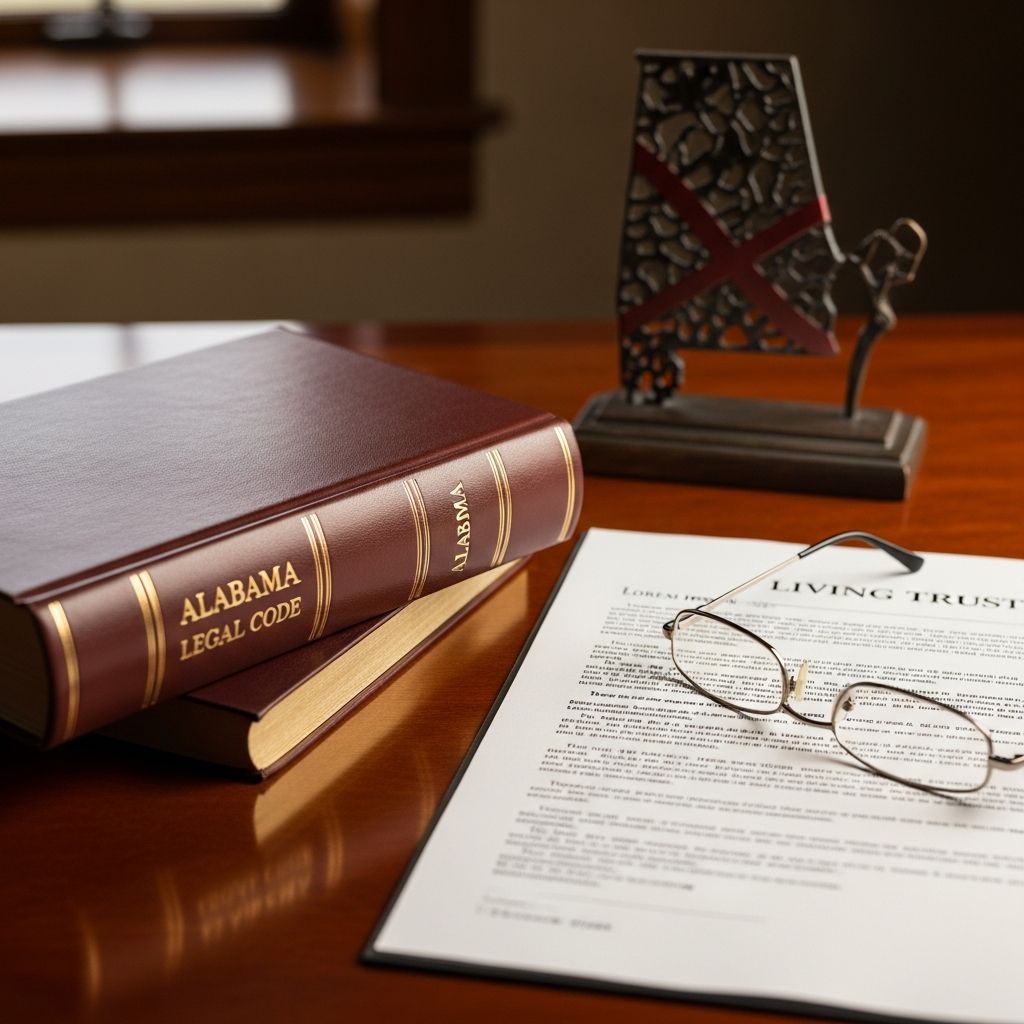
A living trust serves as a vital tool in Alabama estate planning, enabling individuals to control their assets during life, manage them if incapacitated, and transfer them to heirs without probate delays. This revocable document offers flexibility and privacy, making it ideal for many residents seeking efficient wealth transfer.
Understanding Revocable Living Trusts
Revocable living trusts, often called inter vivos trusts, are established during the creator’s lifetime. The grantor retains full control, serving as trustee and beneficiary, with the ability to amend or revoke at any time. Upon incapacity or death, a successor trustee steps in seamlessly.
Unlike wills, which become public during probate, living trusts maintain confidentiality. They bypass court oversight for funded assets, reducing time and costs associated with probate in Alabama courts.
Key Benefits for Alabama Residents
- Probate Avoidance: Assets in the trust transfer directly to beneficiaries, avoiding Alabama’s probate process, which can take months and incur fees up to 2-5% of estate value.
- Incapacity Planning: Successor trustees manage assets if the grantor cannot, preventing court-appointed guardianships.
- Privacy Protection: Trust details remain private, unlike public probate records.
- Flexibility: Easy modifications suit changing family or financial situations.
- Out-of-State Property Management: Simplifies handling real estate in multiple states.
These advantages make living trusts popular, though they complement—not replace—a pour-over will for unfunded assets.
Essential Requirements to Form a Valid Trust
To create a legally binding living trust in Alabama, specific elements must be met. The grantor must be at least 18 and mentally competent.
| Requirement | Description |
|---|---|
| Grantor (Settlor) | Person creating the trust; must have legal capacity. |
| Written Document | Detailed agreement outlining trustees, beneficiaries, and distribution terms. |
| Trustee | Initial trustee (often grantor) and successors named. |
| Beneficiaries | Clearly identified recipients with specified conditions. |
| Funding | Transfer of assets into trust name. |
| Signature | Grantor’s dated signature; notarization recommended. |
Alabama law does not mandate witnesses or notarization, but these enhance validity and ease administration.
Step-by-Step Process to Establish Your Trust
Assess Your Estate: Inventory assets like real estate, bank accounts, investments, vehicles, and personal property. Determine goals for distribution.
Draft the Trust Document: Detail powers of trustees, beneficiary entitlements, and contingencies like staggered payouts for minors.
Appoint Trustees: Name reliable successors, such as family members or professionals, with alternates.
Sign and Notarize: Execute before a notary for proof of authenticity.
Fund the Trust: Retitle assets—deeds for property, new account titles for banks. Unfunded trusts fail to avoid probate.
Maintain Records: Track assets, amendments, and distributions for compliance.
Optional county registration for real property provides public notice but is not required.
How to Properly Fund Your Living Trust
Funding is crucial; unfunded trusts offer no probate benefits. Common assets and methods include:
- Real Estate: Record new deed naming trust as owner (e.g., “John Doe, Trustee of the John Doe Revocable Living Trust dated [date]”).
- Bank Accounts: Open trust accounts or retitle existing ones.
- Investments:
- Personal Property: Use schedules listing items like jewelry or art.
- Vehicles: Update titles with Alabama DMV.
Transfer stocks, bonds via brokerage forms.
Consult professionals for tax implications or complex assets like businesses.
Choosing Trustees and Beneficiaries Wisely
Select trustees based on trustworthiness, financial acumen, and geographic proximity. Family often serves, but professionals avoid conflicts. Beneficiaries can include spouses, children, charities, or pets via provisions.
Distribution options: immediate lump sums, installments at ages (e.g., 25, 30, 35), or incentive-based (e.g., upon graduation).
Revocable vs. Irrevocable Trusts: Key Differences
| Aspect | Revocable Living Trust | Irrevocable Trust |
|---|---|---|
| Control | Full amendment/revocation rights | Permanent once created |
| Tax Filing | Reported on grantor’s return | Separate trust return |
| Asset Protection | Limited (creditors access) | Stronger shield |
| Primary Use | Probate avoidance, incapacity | Tax reduction, Medicaid |
| Duration | Flexible; rule against perpetuities applies (life +21 years, or 360 for realty) | Often perpetual |
Revocable suits most; irrevocable for advanced planning.
Tax Implications in Alabama
Revocable trusts use the grantor’s Social Security number; no separate return needed. Assets retain grantor’s tax basis. Upon death, no immediate tax event, but estate taxes apply over federal thresholds. Alabama has no state estate tax.
Irrevocable trusts may reduce taxable estate but require separate filings.
Common Mistakes and How to Avoid Them
- Incomplete Funding: Regularly review and transfer new assets.
- Poor Trustee Selection: Discuss roles beforehand.
- Ignoring Updates: Amend for life changes like divorce or births.
- Overlooking Pour-Over Will: Captures forgotten assets.
- DIY Without Advice: Attorneys ensure compliance.
Complementing Trusts with Other Documents
A living trust pairs with:
- Pour-Over Will: Transfers probate assets to trust.
- Durable Power of Attorney: Handles non-trust assets.
- Healthcare Directive: Appoints agents for medical decisions.
- HIPAA Authorization: Ensures info access.
Comprehensive plans prevent gaps.
When to Consult an Estate Planning Attorney
Professionals navigate complexities, especially for blended families, special needs beneficiaries, or large estates. They draft airtight documents and assist funding. While DIY possible, errors risk invalidation or disputes.
Frequently Asked Questions
Do I need a will if I have a living trust?
Yes, a pour-over will handles unfunded assets and nominates guardians.
Can I be my own trustee?
Absolutely, most grantors are initial trustees for control.
Does a living trust save on taxes?
No direct savings, but avoids probate costs. Irrevocable types may.
How much does setup cost in Alabama?
Varies; attorney fees $1,000-$3,000 typically.
Can I put my house in the trust?
Yes, via deed transfer; maintains homestead exemption if titled properly.
What if I move out of state?
Trust remains valid; may need state-specific reviews.
This guide equips Alabama residents to leverage living trusts effectively. Tailor to your situation with professional guidance.
References
- What Are the Requirements For a Living Trust in Alabama — Ryan BK Law. 2024-01. https://www.ryanbk.com/blog/2024/january/what-are-the-requirements-for-a-living-trust-in-
- Trusts — Alabama Cooperative Extension System. N/A. https://www.aces.edu/blog/topics/farm-management/trusts/
- Structuring Revocable Living Trusts for Asset Protection — Seawell Firm, LLC. N/A. https://seawellfirm.com/blog/structuring-revocable-living-trusts-for-asset-protection/
- What are the Most Important Documents for Estate Planning? — Stone Crosby. N/A. https://www.stonecrosby.com/most-important-documents-for-estate-planning/
- Revocable Living Trusts — Martinson & Beason, P.C. N/A. https://www.martinsonandbeason.com/practice-areas/probate-estate-administration/introduction-trusts-covering-basics/7304-2/
- Documents for Setting Up a Third-Party Revocable Trust — Alabama Family Trust. N/A. https://www.alabamafamilytrust.com/documents/documents-for-setting-up-a-third-party-revocable-trust/
- FAQs: Living Trusts — The Alabama Elder Care Law Firm, LLC. N/A. https://elderlawalabama.com/faqs-living-trusts/
Similar Articles








Read full bio of medha deb


