
Crafting a Winning Restaurant Business Plan
Master the art of restaurant business planning: from concept to funding with proven strategies for success and profitability.
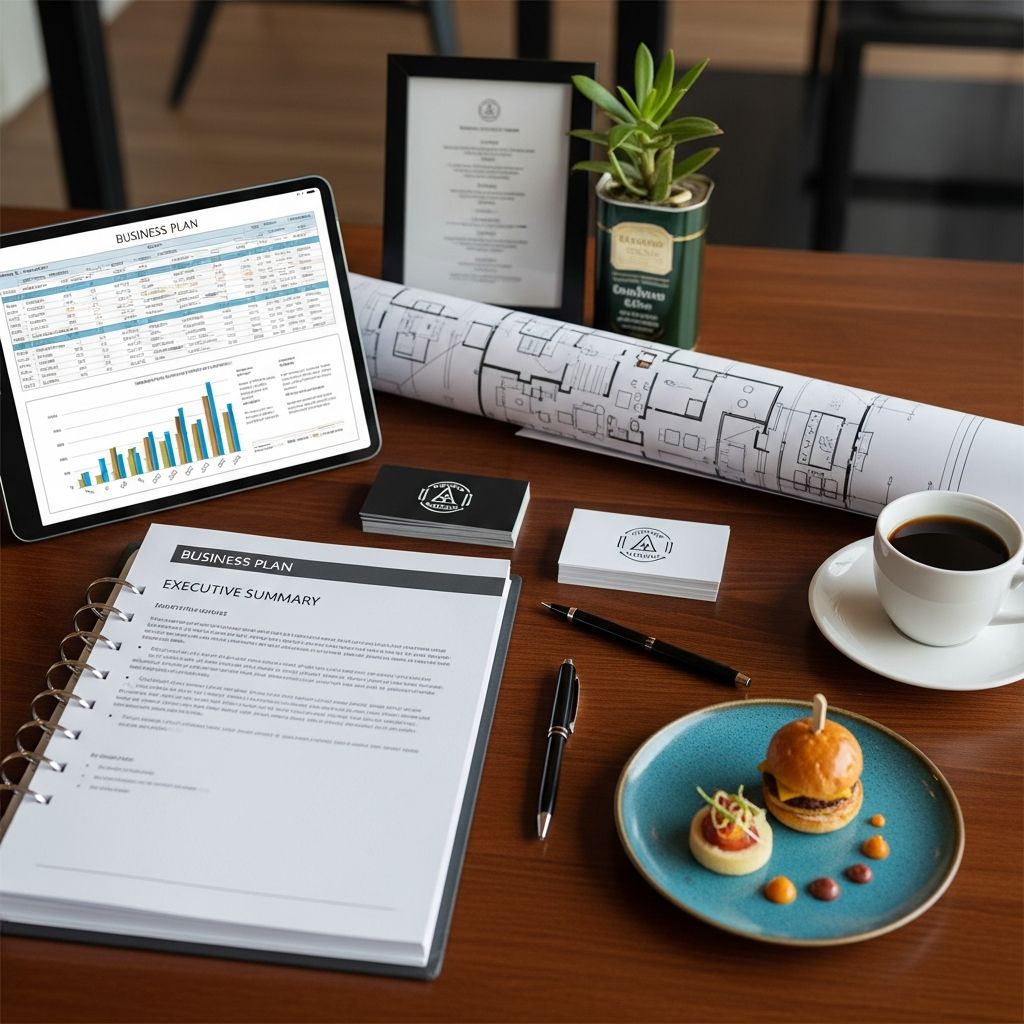
Launching a restaurant demands more than a great recipe— it requires a robust business plan to navigate challenges and secure funding. This document serves as your roadmap, detailing every aspect from concept to profitability, helping you convince investors and guide daily decisions.
Defining Your Restaurant Vision and Goals
Start by crystallizing your restaurant’s core identity. Articulate the unique concept, such as farm-to-table dining or fusion cuisine, and outline your mission to deliver exceptional experiences. Specify short-term goals like opening within six months and long-term aims such as expanding to multiple locations. This foundation ensures alignment across all plan sections.
- Concept Clarity: Describe service style—fine dining, fast casual, or delivery-focused—and target ambiance.
- Mission Statement: Craft a concise statement reflecting values like sustainability or community focus.
- Objectives: Set measurable targets, e.g., achieving 20% market share in year one.
Conducting Thorough Market Research
Analyze the industry landscape to position your restaurant effectively. Identify target demographics, such as young professionals or families, and assess local demand through surveys or data on dining trends. Evaluate competitors’ strengths, like pricing or menu variety, to carve your niche.
| Factor | Your Restaurant | Competitor A | Competitor B |
|---|---|---|---|
| Target Audience | Families & millennials | Business lunch | Tourists |
| Average Check | $25 | $40 | $18 |
| Unique Feature | Local sourcing | Wine list | Quick service |
This comparison highlights opportunities, such as emphasizing affordability and locality to differentiate.
Designing an Irresistible Menu and Pricing Model
Your menu is the heart of the business. Detail signature dishes, ingredient sourcing, and dietary options like vegan or gluten-free. Develop a pricing strategy balancing costs and perceived value—aim for 28-35% food cost percentage. Include seasonal rotations to keep offerings fresh and test profitability with menu engineering.
- Signature items with descriptions and costs.
- Pricing tiers for appetizers, mains, desserts.
- Cost analysis: e.g., $5 ingredient cost for $15 plate yields 67% gross margin.
Building a Dynamic Marketing and Sales Framework
Attract diners through targeted strategies. Leverage social media for visuals, SEO for local searches, and partnerships with delivery apps. Implement loyalty programs offering discounts after five visits. Budget 3-6% of revenue for marketing, tracking ROI via customer acquisition costs.
Key tactics:
- Digital: Instagram reels of dishes, Google My Business optimization.
- Community: Host tastings, collaborate with influencers.
- Promotions: Launch specials, email newsletters for repeat business.
Outlining Efficient Day-to-Day Operations
Detail workflows for seamless service. Cover staffing with roles like head chef (5+ years experience) and servers, scheduling via software, and supplier contracts for fresh produce. Address technology: POS systems for orders, inventory trackers to minimize waste. Comply with health codes and train staff on protocols.
| Role | Responsibilities | Qualifications |
|---|---|---|
| General Manager | Oversight, finances | 3+ years mgmt |
| Chef | Menu execution | Culinary degree |
| Server | Customer service | 1+ year exp |
Assembling Your Leadership and Team Structure
Highlight key personnel’s expertise to build credibility. For instance, a founder with 10 years in hospitality brings operational savvy. Define hierarchy from owners to part-time staff, including training programs and retention incentives like performance bonuses.
Projecting Realistic Financials and Funding Needs
Compile detailed projections: startup costs ($200K-$500K for lease, equipment, initial inventory), monthly expenses, and revenue forecasts aiming for break-even in 12-18 months. Use P&L statements, cash flow, and balance sheets. Specify funding: $300K loan for renovations, showing 20% ROI in year two.
Essential financial tables:
- Startup Budget: Lease $50K, Equipment $100K, Marketing $20K.
- Year 1 Projections: Revenue $600K, Expenses $480K, Profit $120K.
Creating a Step-by-Step Launch Timeline
Map milestones: Month 1-2: Secure funding/permits; Month 3-4: Renovate/hire; Month 5: Soft open; Month 6: Grand opening. Include contingencies like delays in licensing.
- Research and planning (Weeks 1-4).
- Legal setup and funding (Weeks 5-12).
- Build-out and staffing (Weeks 13-20).
- Marketing push and launch (Weeks 21-24).
Gathering Essential Supporting Materials
Append resumes, sample menus, leases, and market studies. These validate claims and provide depth for stakeholders.
Frequently Asked Questions
How long should a restaurant business plan be?
Typically 15-30 pages, concise yet comprehensive to hold investor attention.
What are common startup costs for a restaurant?
Average $250K-$1M, varying by location, size, and concept; focus on equipment and build-out.
How do I calculate break-even point?
Fixed costs ÷ (Average price – Variable costs per unit) = Units needed to sell.
Is a business plan necessary if self-funding?
Yes, it clarifies strategy, tracks progress, and prepares for growth.
How often should I update the plan?
Quarterly or after major changes like menu updates or expansions.
References
- Write your business plan — U.S. Small Business Administration. 2025-01-15. https://www.sba.gov/business-guide/plan-your-business/write-your-business-plan
- Free Restaurant Business Plan Templates: All Types & Formats — Smartsheet. 2024-11-20. https://www.smartsheet.com/content/restaurant-business-plan-template
- Free Restaurant Business Plan Template — PrometAI. 2025-02-01. https://prometai.app/business-plan-templates/restaurant-business-plan-template
- Free Printable Restaurant Business Plan Templates — Rezku. 2024-12-10. https://rezku.com/blog/restaurant-business-plan-template/
- The 11-Step Guide to Writing a Restaurant Business Plan — CloudKitchens. 2025-01-05. https://cloudkitchens.com/blog/how-to-write-a-restaurant-business-plan/
Similar Articles








Read full bio of Sneha Tete


