
Courtroom Attire Guide: Dress Right for Court
Master courtroom dress codes: Essential tips for men, women, and all attendees to show respect and professionalism in court.
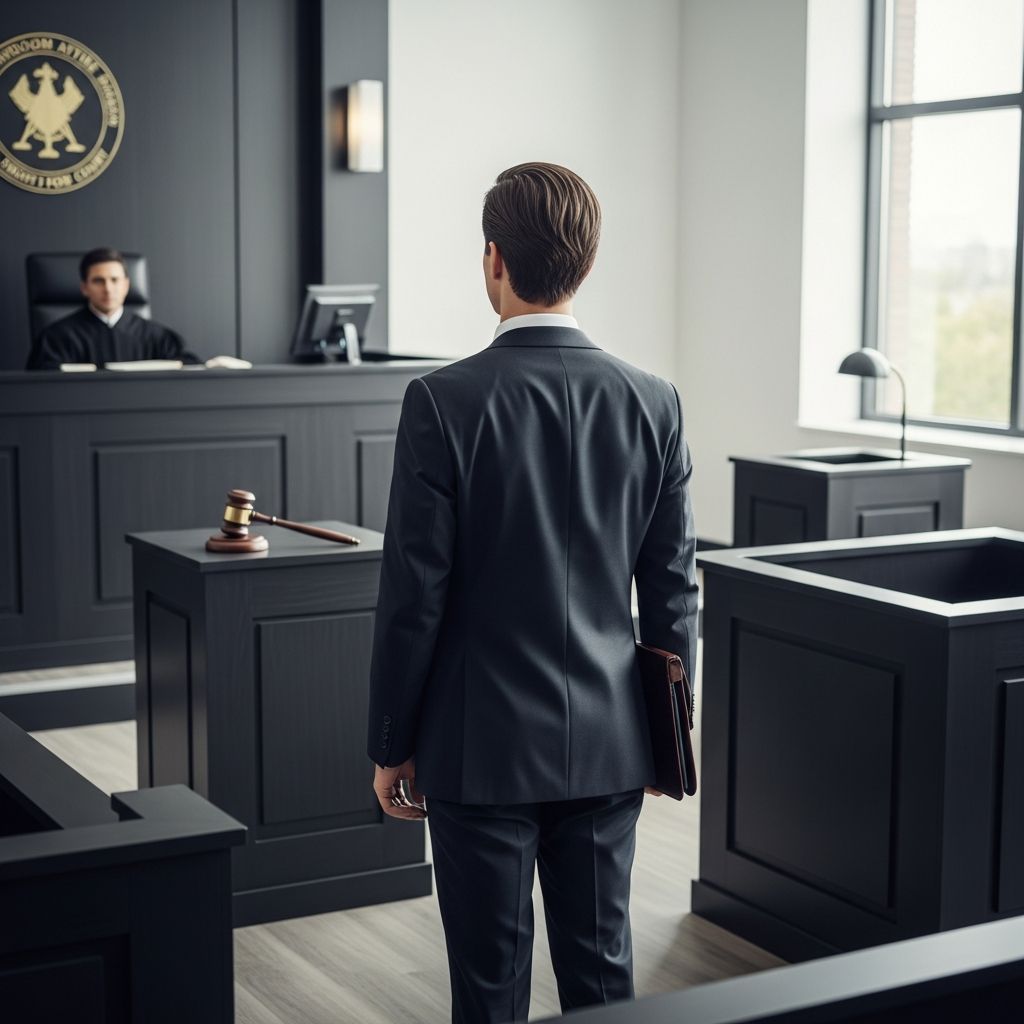
Appearing in court demands more than just knowing your legal arguments; your clothing plays a pivotal role in conveying respect for the judicial system. Judges, juries, and court staff form initial impressions based on appearance, making appropriate dress essential for maintaining decorum and focusing attention on your case rather than distractions. This guide draws from official court guidelines to outline best practices for all attendees, ensuring you present yourself professionally without needing a full wardrobe overhaul.
Why Courtroom Dress Matters
Courtrooms symbolize justice and authority, where attire reinforces the gravity of proceedings. Conservative clothing signals seriousness and respect, potentially influencing perceptions of credibility. Many courts explicitly state that improper dress can lead to exclusion from hearings, delaying your matter and requiring rescheduling. For instance, federal and state courts emphasize business-like standards to uphold dignity, applicable to litigants, witnesses, attorneys, and observers alike.
Dressing thoughtfully also aids practicalities: courtrooms often run cold due to air conditioning, so layers are advisable. Metal detectors at entrances mean minimizing jewelry and choosing easy-to-remove shoes. Ultimately, err on the side of formality—overdressing is safer than underdressing.
Universal Court Dress Code Rules
Across U.S. jurisdictions, core prohibitions remain consistent to preserve order. Adhere to these to avoid immediate dismissal:
- No hats or head coverings: Remove them upon entry, except for religious or medical reasons.
- No sunglasses: Unless medically necessary, as they obscure expressions.
- Avoid casual or revealing clothes: Ban on shorts, tank tops, T-shirts, tube tops, halter tops, midriff-baring items, or anything showing undergarments.
- No damaged apparel: Ripped jeans, baggy pants below the waist, or frayed clothing are unacceptable.
- Footwear requirements: Closed-toe shoes mandatory; flip-flops, thongs, or sandals prohibited.
- Prohibited graphics: Clothing with violence, profanity, drugs, or sexual imagery.
Cleanliness and fit are non-negotiable—wrinkled, dirty, or ill-fitting items undermine professionalism. Opt for neutral colors like navy, black, gray, or beige to project reliability.
Men’s Courtroom Attire Recommendations
Men should aim for business casual or formal wear, akin to a job interview. A full suit in dark tones is ideal but not always required; collared shirts with slacks suffice in many venues.
| Category | Recommended | Avoid |
|---|---|---|
| Tops | Collared button-down shirt (tucked in), sweater over shirt, suit jacket | T-shirts, sleeveless shirts, muscle shirts (unless under jacket) |
| Bottoms | Dress pants, slacks, chinos; jeans only if dark, clean, no rips (rarely ideal) | Shorts, baggy jeans, sweatpants |
| Footwear | Leather dress shoes, loafers, polished boots | Sneakers, sandals, flip-flops |
| Accessories | Tie (preferred), belt, minimal watch | Hats, excessive jewelry, flashy belts |
Ensure shirt collars are neat and buttons secured. A tie adds polish, especially in higher courts. Press pants and shine shoes for a crisp look. In cooler courtrooms, a blazer provides versatility.
Women’s Courtroom Attire Recommendations
Women benefit from modest, tailored options that balance professionalism and comfort. Knee-length or longer hemlines prevent distractions, while covered shoulders maintain formality.
| Category | Recommended | Avoid |
|---|---|---|
| Tops | Blouse, collared shirt, conservative sweater, suit jacket | Low necklines, sheer fabrics, sleeveless (unless covered) |
| Bottoms/Dresses | Skirt (knee-length), dress pants, sheath dress (modest fit) | Mini-skirts, leggings, tight/revealing dresses |
| Footwear | Closed-toe flats, low heels, pumps | Open-toe sandals, stilettos, high heels |
| Accessories | Simple earrings, necklace; subtle makeup | Hoop earrings, noisy bangles, heavy perfume |
Test outfits by raising arms to check coverage. Stockings are optional but pair well with skirts. Neutral palettes enhance seriousness; avoid bold patterns.
Special Considerations for Different Court Types
Dress expectations vary by venue:
- Federal Courts: Strictest standards; suits encouraged for all. Business attire mandatory for participants.
- State/Traffic Courts: Slightly relaxed; neat jeans may pass if paired properly, but slacks preferred.
- Family/Juvenile Courts: Emphasize modesty; additional rules like covered midriffs for juveniles.
- Criminal vs. Civil: Criminal demands sharper looks to signal responsibility; civil allows minor flexibility.
Check specific court websites or signs at entrances for localized rules. Virtual hearings mirror in-person standards—solid backgrounds, professional tops.
Practical Tips for Court Day Preparation
Plan ahead to sidestep issues:
- Layer for temperature: Bring a sweater; courtrooms vary from chilly to stuffy.
- Security-friendly choices: Avoid excess metal; wear slip-on shoes.
- Grooming matters: Neat hair, trimmed nails, minimal cologne/perfume. No chewing gum.
- Limited budget? Thrift clean button-downs and slacks; iron everything.
- Weather prep: Carry an umbrella; change if needed in restrooms.
Arrive early to adjust attire. Observe others entering for cues, but prioritize guidelines over peers.
Consequences of Inappropriate Attire
Violations aren’t overlooked: you may be denied entry, face contempt warnings, or reschedule, wasting time and money. In extreme cases, warrants issue for non-appearance due to dress code breaches. Proper dress prevents biasing judges against you, preserving focus on merits.
Frequently Asked Questions (FAQs)
What if I can’t afford a suit?
Clean, pressed slacks or skirt with a collared shirt work. Many courts accept neat business casual; prioritize fit and cleanliness over expense.
Are jeans ever okay in court?
Rarely—only dark, unworn jeans in informal courts like traffic hearings. Opt for dress pants to be safe.
What about religious attire?
Hats/head coverings allowed for religious/medical reasons; inform security.
How should children dress?
Polos, khakis, or dresses; no graphics or casual wear. Same prohibitions apply.
Virtual court dress code?
Professional top, neutral background; stand for judge to see full outfit if requested.
Final Thoughts on Courtroom Professionalism
Appropriate attire is your silent advocate, underscoring respect and preparedness. By following these guidelines, you honor the court while bolstering your case. Review local rules, dress the night before, and enter confidently.
References
- Dress Code Notice — U.S. District Court for the District of New Mexico (Judge Vidmar). Accessed 2026. https://www.nmd.uscourts.gov/sites/nmd/files/Judge%20Vidmar%20Dress%20Code.pdf
- 10 Rules For Dressing For Court — Chaile Allen Law. Accessed 2026. https://chaileallenlaw.com/10-rules-for-dressing-for-court/
- How to Dress for Court: Advice from a Lawyer — Daniel Stark Injury Lawyers. Accessed 2026. https://www.danielstark.com/blog/how-to-dress-for-court-advice-from-a-lawyer/
- Dress Code, Courtroom Etiquette & Basic Rules — Liberty County Government, GA. Accessed 2026. http://libertycountyga.gov/547/Dress-Code-Courtroom-Etiquette-Basic-Rul
- Dress Code for Court — City Court of Slidell. Accessed 2026. http://www.citycourtest.com/dress.php
- Dress Code for Courtroom Proceedings — Texas Courts. 2020-01-22. https://www.txcourts.gov/media/1445696/courtroom-dress-code.pdf
- Dress Code and Courtroom Etiquette — U.S. District Court for the Northern District of West Virginia. Accessed 2026. https://www.wvsd.uscourts.gov/jury-info/FAQ/dress-code-and-courtroom-etiquette
Similar Articles








Read full bio of medha deb


