
Court Rules Firing for Sexual Orientation Illegal
Federal appeals court affirms protections against workplace bias based on sexual orientation under Title VII.
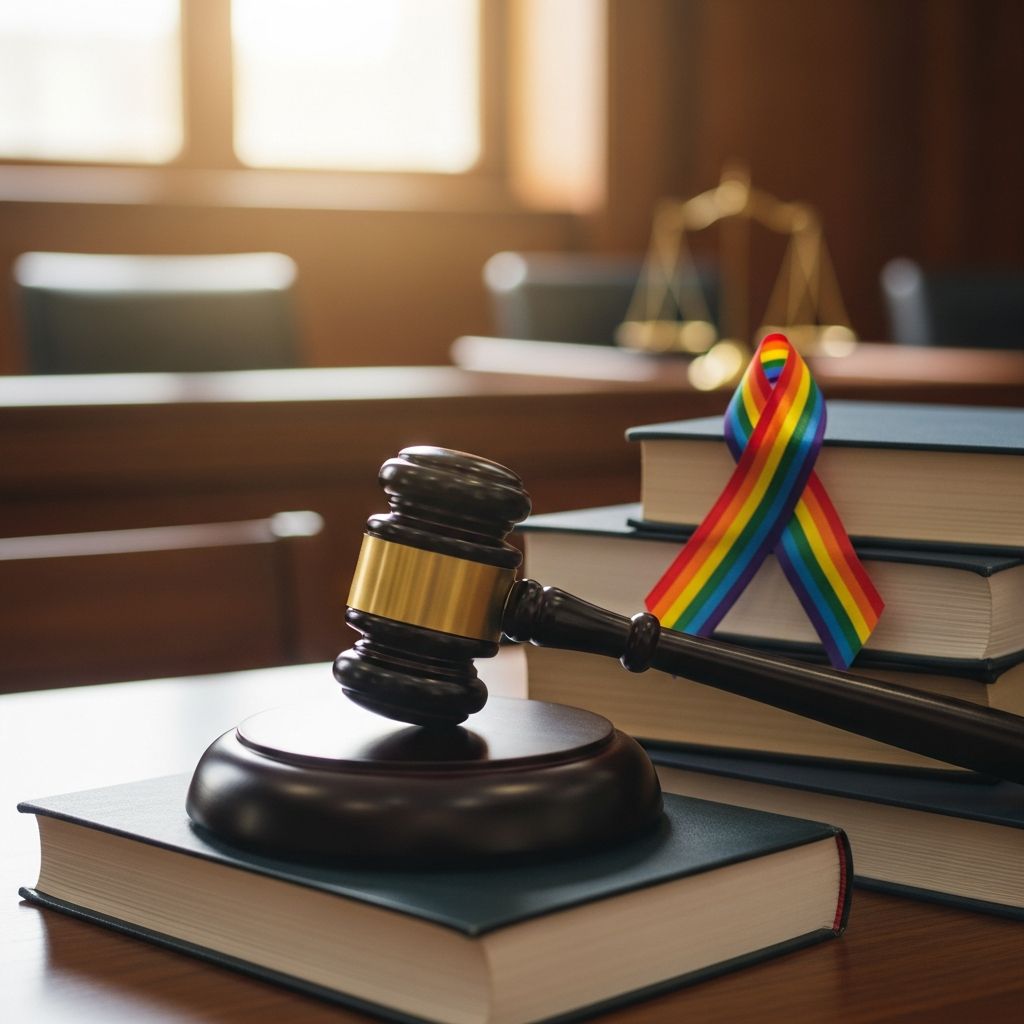
Federal circuit courts have increasingly affirmed that dismissing employees based on their sexual orientation constitutes unlawful discrimination under Title VII of the Civil Rights Act of 1964. This interpretation stems from the understanding that such actions inherently involve sex-based considerations, as solidified by Supreme Court precedent.
Understanding the Legal Foundation
Title VII prohibits employment discrimination on grounds including sex, a category now interpreted to encompass sexual orientation and gender identity. The U.S. Supreme Court’s 2020 decision in Bostock v. Clayton County established that “it is impossible to discriminate against a person for being homosexual or transgender without taking their sex into account.” This ruling applies to employers with 15 or more employees nationwide.
Prior to this, circuit courts varied in their approaches, but recent decisions align with the high court’s logic. For instance, lower courts have ruled that perceived or actual sexual orientation cannot justify termination, demotion, or other adverse actions.
Key Elements of Recent Circuit Court Decisions
Circuit courts have built on Bostock by addressing specific scenarios. In one notable case, a court determined that an employer’s knowledge or assumption about an employee’s same-sex relationship directly implicated sex discrimination protections. These rulings emphasize that even indirect evidence, such as comments about personal relationships, can trigger liability.
- Intent not required: Employers need not harbor explicit bias; any decision influenced by sexual orientation violates the law.
- Scope of coverage: Protections extend to hiring, firing, promotions, pay, and workplace conditions.
- Small employers: While federal law covers 15+ employees, many states like California protect smaller businesses with 5 or more.
State Variations in Protections
Not all states rely solely on federal law. California, for example, explicitly bans discrimination based on sexual orientation, gender identity, and even perceived traits under the Fair Employment and Housing Act (FEHA). This covers employers with five or more employees and includes harassment by coworkers or clients.
Other states have similar statutes, creating a patchwork of protections stronger than federal baselines in progressive areas. Nationally, the Supreme Court’s ruling provides a uniform floor, but local laws often enhance remedies and lower thresholds.
| Level | Employee Threshold | Key Protections |
|---|---|---|
| Federal (Title VII) | 15+ | Sexual orientation, gender identity via sex discrimination |
| California (FEHA) | 5+ | Explicit SOGI, harassment, retaliation |
| Other States | Varies | Explicit bans in 20+ states |
Implications for Business Owners
Small business owners must now scrutinize termination rationales to avoid inadvertent violations. Policies should explicitly prohibit bias related to personal relationships or identity. Training programs on inclusive practices are essential, particularly in light of potential litigation surges.
Religious exemptions pose challenges; employers balancing faith-based requests with LGBTQ+ rights risk claims from both sides. The EEOC continues to prioritize these tensions, urging clear accommodation policies.
Employee Rights and Recourse Options
Workers facing bias have multiple avenues. Federally, file with the EEOC within 300 days of the incident. In California, the Civil Rights Department (CRD) accepts complaints up to three years later, with no cost to initiate.
- Harassment claims: Cover hostile environments from jokes, slurs, or exclusion.
- Retaliation protections: Prohibited against those reporting or opposing discrimination.
- Right to sue: Agencies issue notices allowing court action if no resolution.
Additional safeguards include restraining orders under hate violence laws and Labor Commissioner hearings for wage-related claims.
Broader Legislative Landscape
The Equality Act (H.R. 15) seeks to codify these protections explicitly, amending Title VII to list sexual orientation and gender identity directly. Though facing hurdles, it reflects ongoing momentum. Earlier efforts like the 2013 Employment Non-Discrimination Act passed the Senate but stalled.
Best Practices for Compliance
To mitigate risks:
- Update handbooks to reference Bostock and state laws.
- Conduct annual anti-bias training.
- Document performance issues objectively, avoiding personal life references.
- Implement neutral reporting channels for complaints.
- Consult legal counsel for terminations involving protected traits.
Proactive steps foster diverse workplaces, boosting retention and innovation.
Frequently Asked Questions
Can my employer fire me for being in a same-sex relationship?
No, such actions violate Title VII as sex discrimination. This applies even if the relationship is perceived rather than confirmed.
Does this apply to small businesses?
Federal law requires 15+ employees, but states like California cover 5+. Check local laws.
What if harassment comes from a coworker?
Employers must prevent and address it, regardless of source. Single incidents can qualify if severe.
Am I protected if I’m not out at work?
Yes, discrimination based on perceived orientation is illegal.
How do I report retaliation after complaining?
File with EEOC/CRD/Labor Commissioner; protections are robust.
Navigating Religious and Identity Conflicts
Employers face dilemmas when religious beliefs clash with inclusivity mandates. Recent EEOC guidance highlights the need for individualized assessments, prioritizing least restrictive accommodations. Litigation in this area is expected to rise in 2026.
Courts weigh undue hardship claims carefully, ensuring neither group faces unchecked discrimination.
Historical Context and Future Outlook
Workplace equality evolved from race and sex protections in 1964 to today’s inclusive framework. The 2020 Supreme Court decision marked a pivotal shift, influencing thousands of cases. With pending legislation and state expansions, protections will likely strengthen.
Businesses adapting early avoid costly suits, where damages include back pay, emotional distress, and attorney fees.
References
- Senate Passes LGBT Workplace Anti-Discrimination Bill — Hinshaw & Culbertson LLP. 2013-11-11. https://www.hinshawlaw.com/en/insights/blogs/employment-law-observer/senate-passes-lgbt-workplace-anti-discrimination-bill
- Title VII Protection Extends to Sexual Orientation and Gender Identity — Thompson Coe. 2020-06-19. https://www.thompsoncoe.com/resources/myhrgenius/hr-tips/tip/title-vii-protection-extends-to-sexual-orientation-and-gender-identity/
- Sexual Orientation and Gender Identity Discrimination and Harassment — Legal Aid at Work. N/A. https://legalaidatwork.org/factsheet/sexual-orientation-and-gender-identity-discrimination-and-harassment-2/
- California Law Prohibits Workplace Discrimination — California Civil Rights Department. 2023-01. https://calcivilrights.ca.gov/wp-content/uploads/sites/32/2023/01/Workplace-Discrimination-Poster_ENG.pdf
- LGBTQ+ Rights in California — ACLU SoCal. N/A. https://www.aclusocal.org/know-your-rights/lgbtq-rights-california-amidst-recent-executive-orders/
- Six Issues for Employers to Monitor in 2026 — Vorys, Sater, Seymour and Pease LLP. N/A. https://www.vorys.com/publication-six-issues-for-employers-to-monitor-in-2026
- H.R.15 – Equality Act — Congress.gov. N/A. https://www.congress.gov/bill/119th-congress/house-bill/15/text
- Employment Nondiscrimination Laws — Movement Advancement Project. N/A. https://www.lgbtmap.org/equality-maps/employment_non_discrimination_laws
Similar Articles








Read full bio of medha deb


