
Understanding Court Recording Rules and Procedures
Learn the regulations governing courtroom recordings and how to obtain official court records.
The Fundamentals of Courtroom Recording Restrictions
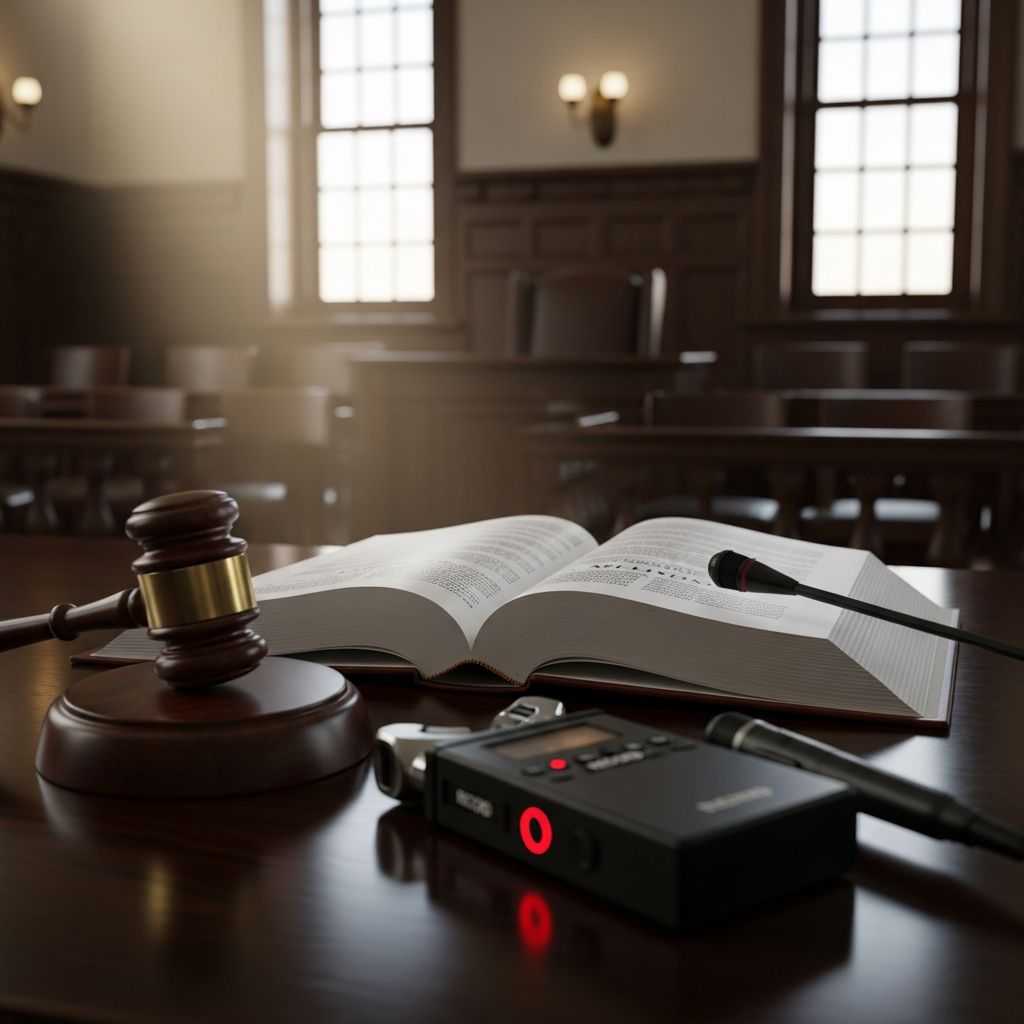
One of the most common questions individuals face when preparing for court appearances or attending proceedings concerns whether they are permitted to record what transpires within the courtroom. The straightforward answer is that in most jurisdictions, private individuals cannot independently record court proceedings. This restriction exists for several important reasons, including protecting the integrity of legal proceedings, maintaining courtroom decorum, and ensuring that official records remain accurate and complete.
Courts maintain strict control over what is recorded and how recordings are created. Rather than allowing members of the public or litigants to produce their own recordings, the judicial system relies on officially sanctioned methods to capture proceedings. These official recording mechanisms serve as the authoritative record of what occurred during a case, which becomes essential should the matter proceed to appeal or require future reference.
Official Court Recording Methods and Standards
When courts determine that a proceeding needs to be recorded, they employ specialized equipment and trained personnel to ensure accuracy and completeness. Courts may use electronic recording devices that meet specific technological standards established by judicial oversight bodies, or they may employ certified court reporters who create written records of testimony and proceedings. These official systems are designed to capture every word spoken during open court proceedings, ensuring nothing is omitted or misrepresented.
The caliber of recording equipment used in courtrooms must meet or exceed standards set by judicial councils and oversight organizations. This standardization ensures that regardless of which courthouse you visit, the quality and reliability of recordings remain consistent across different cases and jurisdictions. Court staff members, often called monitors, are responsible for overseeing the recording process and certifying that the equipment functioned properly throughout the proceedings.
These official monitors must execute detailed certificates documenting that:
- The recording equipment operated normally throughout designated time periods
- All open court proceedings between specified times were captured
- Any matters directed to be “off the record” were properly excluded
- The integrity of the recording was maintained from start to finish
When Multiple Individuals Monitor Recording Sessions
In some cases, particularly complex or lengthy proceedings, more than one person may oversee the recording process. When this occurs, each monitor must execute a certificate covering only the portion of the recording they personally supervised. This requirement ensures clear accountability and prevents any disputes about which sections of the proceeding were under whose oversight. For individuals who are not court employees—such as judges, clerks, or deputy clerks—these certificates must be prepared as formal affidavits or declarations made under penalty of perjury, adding a legal weight to their attestations.
Accessing Official Court Records and Transcripts
If you require a record of court proceedings, the appropriate method is to request official materials from the court itself rather than attempting to create your own recording. Both electronic recordings and written transcripts of proceedings are available to parties involved in a case, and to the public in many instances, though there may be associated costs.
The court clerk’s office serves as the central point for obtaining these records. When you request a transcript, court personnel can direct the preparation of a written version from the official recording. This transcript is created either by court employees or by professional recording services that maintain certification from federal court systems or other judicial oversight organizations, ensuring they possess the expertise necessary to produce accurate written records.
The Transcript Preparation Process
Once you submit a request for a transcript, the clerk’s office determines whether to have court staff prepare the document or to forward the recording to a professional transcription service. The person who prepares the transcript must execute a declaration under penalty of perjury confirming that the document represents a full, true, and accurate account of the recorded proceedings.
This declaration must specifically identify which recording reels or portions thereof were transcribed, using reference numbers and index information to ensure clarity about exactly what material the transcript covers. This precision prevents any misunderstanding about which portions of the proceedings are documented in the transcript.
The Legal Status of Officially Certified Transcripts
A transcript that has been prepared and certified according to proper procedures, when accompanied by the monitor’s certificate for the relevant recording, becomes what the law recognizes as prima facie evidence of a true and complete record of the oral proceedings it represents. This legal designation means that unless someone presents contrary evidence, the transcript is presumed to be accurate and reliable.
Certified transcripts satisfy all legal requirements that might otherwise require a reporter’s transcript of oral proceedings, whether those requirements come from California Rules of Court or state statutes. In some situations, parties may stipulate to use the original recordings themselves as the record of oral proceedings, which also satisfies legal requirements for a reporter’s transcript, though this arrangement requires approval from the reviewing court.
Consequences of Unauthorized Recording
Attempting to record court proceedings without permission constitutes a serious violation that can result in contempt of court charges. Contempt proceedings can lead to fines, temporary detention, or other penalties imposed by the judge. Beyond the immediate legal consequences, unauthorized recording disrupts courtroom operations and can interfere with the ability of all parties to participate fairly in the proceedings.
Courts maintain strict recording prohibitions because the judicial process depends on an orderly environment where participants can concentrate on the legal matters at hand. Unexpected recording devices or individuals attempting to capture proceedings can create significant distraction and security concerns within the courtroom.
Understanding Courtroom Decorum and Proper Etiquette
Understanding and following courtroom decorum represents an important aspect of navigating the legal system, whether you are an attorney, a party to the case, or a member of the public observing proceedings. Proper courtroom behavior includes respecting the judge’s authority, following all stated rules about recording and photography, dressing appropriately, and remaining silent unless invited to speak.
If you are uncertain about specific policies at your particular courthouse, the appropriate action is to ask the court clerk or the judge presiding over your case. Different courts may have varying policies about what is permitted, and clarifying these rules before proceedings begin prevents uncomfortable situations or legal violations.
Electronic Recordings Presented as Evidence in Court
When parties wish to present electronic recordings as evidence during a trial—such as audio or video recordings created outside the courtroom context—they must follow specific procedures distinct from those governing the official court recording. Before presenting such evidence, the party introducing it must provide the court and opposing parties with a transcript of the recording, unless the proceeding is uncontested or the other party does not appear.
The party presenting the recording does not necessarily need to provide a professionally certified transcript; they may prepare it themselves, though it must still accurately reflect what the recording contains. Additionally, opposing parties must receive a duplicate copy of the electronic recording itself, allowing them the opportunity to review and challenge it if appropriate.
Timing and Good Cause Exceptions
Generally, these transcript and recording copies must be provided before the presentation of evidence concludes or within five days after the recording is presented, whichever comes later. However, courts recognize that circumstances sometimes make immediate compliance impractical. For good cause, trial judges may permit parties to provide transcripts or duplicate recordings at the time evidence presentation closes or within five days afterward, allowing flexibility while still maintaining adequate notice to all parties.
Special Recording Scenarios in Federal Proceedings
In federal court proceedings, the recording process follows similar principles to state courts, with adjustments reflecting federal rules. Federal courts employ either court reporters or judges themselves to create recordings, particularly in proceedings conducted via telephone or other remote means.
Federal bankruptcy courts also maintain recordings of various proceedings, including bankruptcy hearings, depositions, Rule 2004 examinations, and meetings of creditors. However, important limitations apply to what the court itself can transcribe. Federal bankruptcy courts can only prepare transcripts from court hearings; for other proceedings such as creditors’ meetings, individuals must contact the U.S. trustee’s office to obtain recordings.
Comparing Official Recording Methods Across Jurisdictions
| Recording Type | Who Creates It | Cost to Obtain | Availability |
|---|---|---|---|
| Official Electronic Recording | Court personnel using approved equipment | May require fee | To parties and often to public |
| Court Reporter Transcript | Certified court reporter or professional service | Usually requires fee | To parties and often to public |
| Evidence Recordings | Party presenting evidence | Covered by presenting party | To court and opposing parties |
Preparing for Court Appearances: Recording Considerations
When you know you will be appearing in court, it is wise to research the specific courthouse’s policies regarding recording and photography well in advance. Different courts maintain varying regulations, and what is permitted in one jurisdiction might be prohibited in another. Contacting the court clerk’s office or checking the court’s website for local rules ensures you understand what to expect and what is expected of you.
If you require a record of your proceedings for appeal purposes or for your own records, plan ahead by understanding how to request transcripts at the appropriate time. Knowing the cost associated with transcripts and the timeframe for their preparation allows you to budget accordingly and avoid last-minute surprises.
The Importance of Official Records in the Justice System
The restriction on private recording and reliance on official court recordings serves several critical functions in the judicial system. First, it preserves the sanctity and dignity of courtroom proceedings. Second, it ensures that the record available for appeals and future reference is accurate, unbiased, and created according to established standards. Third, it prevents the distraction and security concerns that might arise from individuals recording without oversight.
The requirement that monitors certify the functioning of recording equipment protects the integrity of these records and provides a mechanism for challenging their accuracy if technical issues occur during proceedings.
Digital Recording Standards and Court Approval
As technology evolves, courts continue to update the specifications for recording equipment to ensure capabilities remain state-of-the-art. The Judicial Council and other oversight bodies establish and periodically revise standards for digital recording devices used in courtrooms. These standards address issues such as audio and video quality, file format compatibility, storage capacity, and equipment reliability.
Courts may approve different types of recording equipment as long as they conform to these established specifications. This flexibility allows courts to adapt to technological improvements while maintaining consistent quality standards across all proceedings.
Frequently Asked Questions About Court Recording
Q: Can I bring a recording device into the courtroom for my own use?
A: In most jurisdictions, recording devices are not permitted in courtrooms without explicit permission from the judge. If you bring a device into the courtroom, it generally must remain off and enclosed in a case or bag. Unauthorized operation of recording devices can result in contempt of court charges.
Q: What should I do if I need documentation of what happened in my court case?
A: Request a certified transcript or audio recording from the court clerk’s office. These official records are prepared by qualified personnel according to established standards and serve as reliable documentation of the proceedings.
Q: How much does it cost to obtain a court transcript?
A: Costs vary by jurisdiction and by the length of the transcript requested. Contact your local court clerk’s office for specific pricing information in your area.
Q: Can a judge authorize private recording in certain circumstances?
A: In some limited circumstances, judges may grant special permission for recording. This typically requires a formal request explaining the reason for recording. However, such permissions are uncommon and generally reserved for specific situations such as naturalization ceremonies or investitive proceedings.
Q: What happens if I am caught recording in court without permission?
A: You could be held in contempt of court, which may result in fines, removal from the courtroom, or temporary detention. This is considered a serious violation of court rules and judicial authority.
Q: Are court proceedings open to the public for in-person attendance?
A: Yes, most court proceedings are open to the public, and individuals may attend to observe. However, while you can observe, you cannot record what you observe without permission.
Q: How long does it take to receive a certified transcript?
A: The timeframe depends on the length of the proceedings and the court’s workload. Typically, allow several weeks for transcript preparation. Some courts may offer expedited services for an additional fee.
References
- Rule 2.952. Electronic recording as official record of proceedings — California Courts. https://courts.ca.gov/cms/rules/index/two/rule2_952
- Can I Record The Court Proceeding? — CountyOffice.org. https://www.youtube.com/watch?v=RyfV8z85NH0
- Rule 2.1040. Electronic recordings presented or offered into evidence — California Courts. https://courts.ca.gov/cms/rules/index/two/rule2_1040
- 5 CFR § 1201.53 – Record of proceedings — Cornell Law School Legal Information Institute. https://www.law.cornell.edu/cfr/text/5/1201.53
- Transcripts and Audio Recordings — United States Bankruptcy Courts, Central District of California. https://www.cacb.uscourts.gov/the-central-guide/transcripts-and-audio-recordings
Similar Articles








Read full bio of medha deb


