
Correcting Background Check Mistakes: Step-By-Step Guide
Learn essential steps to identify, dispute, and fix inaccuracies in background checks affecting jobs, housing, and more.
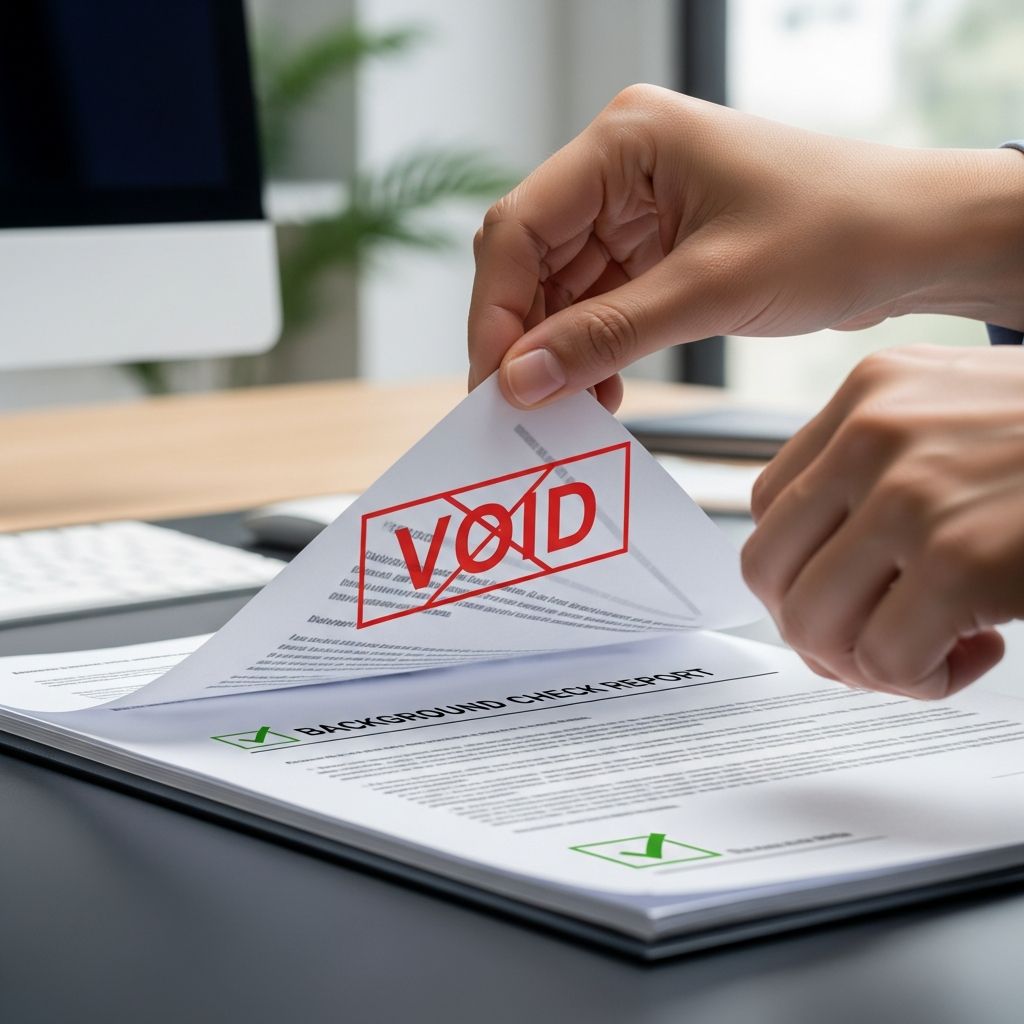
Background checks play a pivotal role in decisions for employment, housing, licensing, and other opportunities. Inaccuracies in these reports can lead to unfair denials or adverse actions. Federal laws like the Fair Credit Reporting Act (FCRA) empower individuals to challenge and correct erroneous information. This comprehensive guide outlines the process, from spotting errors to achieving resolution, ensuring your records reflect the truth.
Understanding Background Reports and Common Issues
Background reports compile data from various sources, including criminal databases, credit bureaus, and public records. They are generated by consumer reporting agencies (CRAs) such as Checkr or county offices. Errors arise from outdated information, identity mix-ups, or incomplete data entry.
Common problems include:
- Misattributed criminal convictions belonging to someone else with a similar name.
- Incorrect dates or charges for arrests that did not result in convictions.
- Failure to note case dispositions, like dismissals or expungements.
- Outdated records beyond legal reporting limits, such as arrests over seven years old under FCRA.
- Missing updates from court or law enforcement corrections.
These inaccuracies can wrongly portray you as unqualified, making swift correction essential.
Legal Framework Protecting Your Rights
The FCRA governs most employment-related background checks, mandating that CRAs ensure ‘maximum possible accuracy.’ If adverse action is taken based on a report—such as job denial—you receive a copy of the report and a summary of rights. Key protections include the right to dispute inaccuracies free of charge and require reinvestigation within 30 days.
For criminal history specifically, the FBI’s Criminal Justice Information Services (CJIS) Division maintains national records. States like Michigan and Texas have dedicated error resolution units requiring fingerprints and certified documents for verification. Employers must notify you before acting on disputed info, giving time for resolution.
| Aspect | FCRA Requirement | Timeline |
|---|---|---|
| Dispute Filing | Written notice to CRA with evidence | Immediate |
| Reinvestigation | CRA must verify or delete info | 30 days + 5 days notice |
| Updated Report | Send to prior recipients if requested | Within 60 days free copy |
This table summarizes core FCRA timelines for disputes.
Step-by-Step Guide to Identifying Errors
Begin by obtaining your report. If used for employment, request it from the CRA. For FBI records, submit fingerprints via authorized channels. Review meticulously:
- Check Personal Details: Confirm name, DOB, SSN match yours.
- Scrutinize Criminal Entries: Verify dates, charges, dispositions.
- Look for Omissions: Expunged or sealed records should not appear.
- Cross-Reference: Compare against personal court records or state portals.
Document discrepancies with screenshots or copies. Note any impact, like job rejections, for potential claims.
Gathering Essential Evidence
Proof is the cornerstone of successful disputes. Collect:
- Court dispositions showing dismissal, acquittal, or completion of probation.
- Fingerprint cards from local law enforcement for identity confirmation.
- Certified copies from clerks of court or state repositories.
- Notarized affidavits if no formal docs exist, though less effective.
- Prior clearance letters from agencies like Michigan State Police.
For state-specific issues, Michigan requires mailing fingerprints and ICHAT results to MSP’s Record Challenge unit. Texas DPS Error Resolution Unit demands certified docs only. Retain copies of everything sent.
Filing Disputes with Consumer Reporting Agencies
Contact the CRA first—via phone, then certified mail. Sample dispute letter structure:
- State the error clearly (e.g., ‘Conviction listed on 5/15/2010 is not mine’).
- Attach evidence.
- Request deletion or correction and updated report distribution.
CRAs must investigate promptly, contacting sources. Unverifiable info gets removed. If unsatisfied, add a 100-word statement to your file, visible to users.
Correcting State and Local Criminal Records
Errors often originate at the source: courts or police. Contact the originating agency:
- Request updates via forms (e.g., Michigan’s Request for Amendment).
- Provide fingerprints for matching.
- Follow up after 4-6 weeks.
Once fixed locally, notify CRAs and FBI. Processing varies; persistence is key.
Handling FBI-Level Corrections
For national records, submit to FBI CJIS:
- Complete Applicant Information Form.
- Include fingerprints, error explanation, evidence.
- Mail to CJIS Division; expect investigation and agency verification.
Appeals exist if denied. FBI must correct incomplete info. For out-of-state arrests, contact that state’s bureau first.
Engaging Employers in the Process
Inform your employer immediately of the dispute. While FCRA doesn’t pause hiring, many delay decisions. Provide your evidence summary. Post-resolution, request they reconsider.
When and How to Seek Legal Help
If disputes stall or FCRA violations occur (e.g., no reinvestigation), consult attorneys via National Employment Lawyers Association. Potential lawsuits yield damages, attorney fees. Free legal aid available for low-income via state bar referrals.
Preventive Measures and Monitoring
Regularly check reports annually via AnnualCreditReport.com (includes some background data). Use services like state ICHAT for ongoing vigilance. Seal or expunge eligible records proactively.
Timeline for full correction: 2-8 weeks, longer for FBI. Track via follow-ups.
Frequently Asked Questions
What if the error is someone else’s record?
Fingerprints prove identity. Agencies like MSP issue clearance letters upon mismatch.
How long does FCRA reinvestigation take?
Up to 30 days, plus 5 for notice.
Can I sue a CRA for errors?
Yes, for willful FCRA noncompliance; seek consumer lawyers.
Do landlords follow FCRA?
Yes, for tenant screening reports.
What about non-criminal errors like education?
Dispute similarly with verification docs.
References
- How To Correct Errors On A Background Check? — CountyOffice.org. 2025-08-31. https://www.youtube.com/watch?v=hWaDeJLEQgE
- Dealing with Errors on Your Background Check — Privacy Rights Clearinghouse. 2019-07-10. https://privacyrights.org/resources-tools/guides/dealing-errors-your-background-check
- Fixing Mistakes on Your Criminal Record — Michigan Legal Help. N/A. https://michiganlegalhelp.org/resources/crime-and-traffic/fixing-mistakes-your-criminal-record
- Criminal History Error Resolution — Texas Department of Public Safety. N/A. https://www.dps.texas.gov/section/crime-records-service/criminal-history-error-resolution
- Something on my background check report is wrong — Checkr Help. N/A. https://help.checkr.com/s/article/360036417814-Something-on-my-background-check-report-is-wrong-What-should-I-do
Similar Articles








Read full bio of medha deb




