
Consumer Protection Toolkit for Librarians
Practical strategies, free resources, and program ideas to help librarians teach patrons how to spot, avoid, and report fraud and scams.
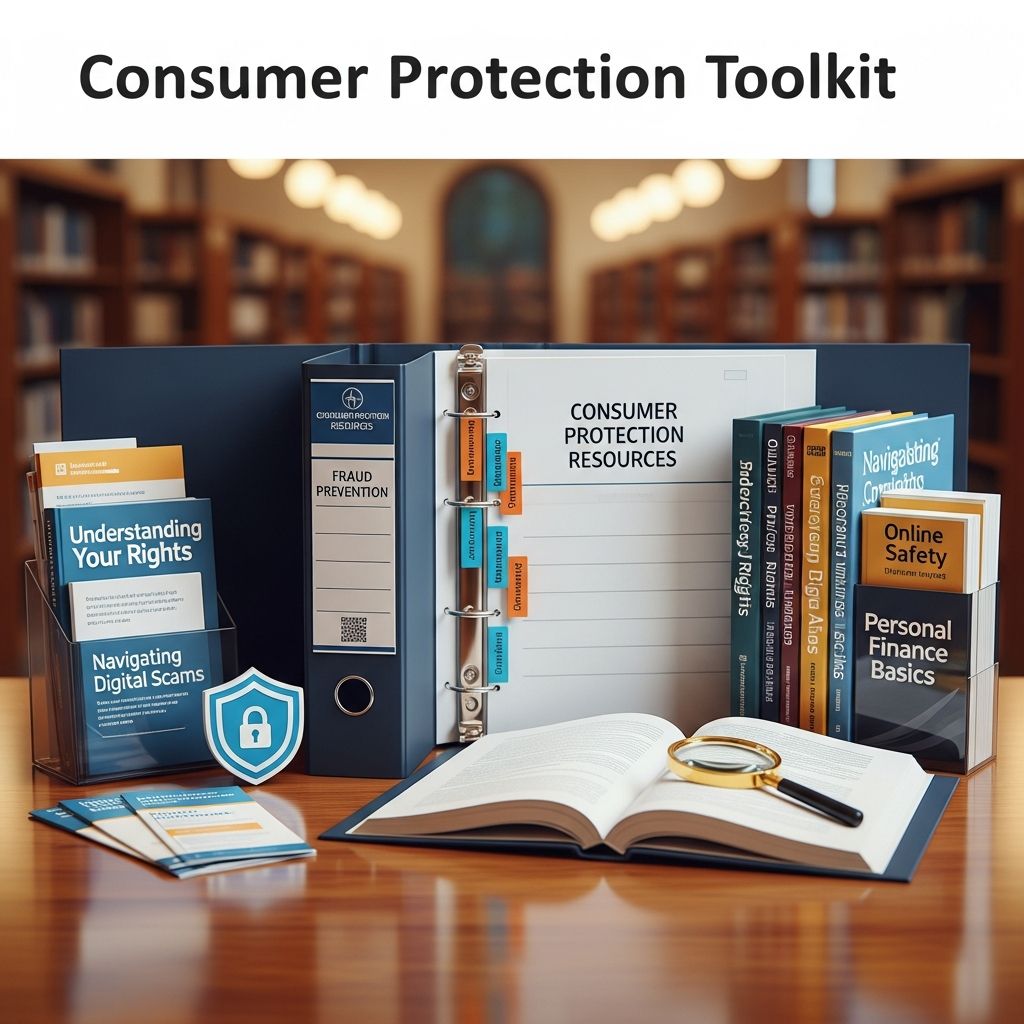
Librarians are often the first professionals community members turn to when they have questions about money, scams, privacy, and online safety. This toolkit is designed to help you point patrons to trustworthy information, design effective programs, and build confidence answering common consumer protection questions.
Why Consumer Protection Belongs in the Library
Helping people navigate information is core library work. Today, that includes helping patrons distinguish legitimate offers from fraud, understand their rights, and know where to report problems. Public agencies like the Federal Trade Commission (FTC) enforce consumer protection laws and create educational resources that any library can reuse, adapt, and share.
- Scams increasingly arrive by phone, text, social media, and email, making them harder for many patrons to recognize.
- Data breaches and identity theft affect millions of people each year, often leaving victims unsure where to start.
- Consumer privacy laws, like the California Consumer Privacy Act (CCPA), give people new rights over their data — but many do not know how to use them.
By curating reliable resources and offering approachable programs, librarians can reduce confusion, prevent losses, and connect people to the agencies that can help.
Core Topics Every Librarian Should Know
You do not need to be a lawyer or financial planner to help patrons. Focus on a few essential themes and know where to find plain-language explanations from official sources.
1. Recognizing and Avoiding Scams
Consumer protection agencies consistently warn that scammers follow patterns, even when the details change.
- Pressure and urgency: Threats of arrest, account closure, deportation, or immediate loss.
- Unusual payment methods: Gift cards, cryptocurrency, wire transfers, or peer-to-peer apps for supposed “fees” or “fines.”
- Impersonation: Messages or calls pretending to be from government agencies, tech support, banks, employers, or family members.
- Too-good-to-be-true offers: Guaranteed loans, prize winnings, or investment returns with little or no risk.
Encourage patrons to pause, verify, and use official contact information from government or financial institution websites before responding.
2. Credit Reports and Credit Freezes
Under U.S. federal law, people are entitled to free credit reports from each of the three nationwide credit reporting companies every 12 months.
- Explain the difference between a credit report (a record of accounts and payment history) and a credit score (a numerical summary based on that history).
- Show patrons how checking their own report does not hurt their credit.
- Discuss how a credit freeze can restrict new-credit checks, making it harder for identity thieves to open new accounts.
You can share links to official sites where people can request free credit reports, and encourage them to stagger requests during the year so they monitor regularly.
3. Identity Theft and Data Breaches
If a patron’s information is stolen — through a scam, lost wallet, hacked account, or data breach — they usually have specific steps they can take. Agencies like the FTC and state attorneys general provide step-by-step recovery plans.
- Encourage patrons to place fraud alerts or credit freezes when appropriate.
- Explain the importance of updating passwords and enabling multi-factor authentication.
- Direct victims of tax- or unemployment-related identity theft to official tax or labor agency guidance.
4. Privacy Rights and Personal Data
Several states have adopted consumer privacy laws giving residents the right to know, access, delete, or limit the sale or sharing of their personal information.
- Under laws such as the California Consumer Privacy Act (CCPA), consumers can request that covered businesses disclose categories of data collected and how it is used.
- Consumers often have the right to request deletion of certain personal information held by businesses, with some exceptions.
- Businesses are generally prohibited from discriminating against people for exercising these privacy rights.
Librarians can help patrons find the “privacy,” “your privacy rights,” or “do not sell or share my information” links on company websites, and understand what those options mean.
Designing Library Programs Around Consumer Protection
Once you are familiar with key topics, you can build programs that fit your community’s needs and your staff capacity. Many libraries integrate consumer protection themes into existing financial literacy, digital skills, or civic education events.
Programming Formats That Work Well
- Short workshops (30–60 minutes) on a single topic, such as “Avoiding Online Shopping Scams” or “Understanding Your Credit Report.”
- Drop-in help hours where staff refer to official guides and walk patrons through forms or websites, without giving individualized legal or financial advice.
- Film or webinar watch parties using public-domain videos from government agencies, followed by Q&A.
- Passive programs like handout displays, bookmarks, and posters around key national observances.
Linking Programs to Awareness Campaigns
Many agencies coordinate annual campaigns that libraries can easily plug into.
| Month or Season | Theme | Simple Library Program Idea |
|---|---|---|
| Early Year | Identity Theft & Tax Time | Host a session on spotting tax scams and protecting Social Security numbers. |
| March | National Consumer Protection Focus | Share one practical consumer tip a day on your website or social media. |
| Spring | Financial Literacy | Offer a basic credit and budgeting class that includes how to get free credit reports. |
| Summer | Military & Travel | Highlight resources on scams targeting servicemembers and vacationers. |
| Fall | Preparedness & Cybersecurity | Run a digital security basics workshop: passwords, updates, and recognizing phishing. |
| Holiday Season | Charity & Shopping Scams | Create a display on safe giving and secure online shopping. |
Tailoring Outreach to Different Patron Groups
The same scam can look very different depending on the audience. Tailoring examples, vocabulary, and formats to specific groups will make your programs more effective.
Older Adults
Older adults may be targeted with tech support scams, fake family emergencies, romance scams, and fraudulent investments.
- Offer in-person sessions with large-print handouts and time for questions.
- Focus on everyday scenarios: phone calls claiming to be from government, fake shipping notices, or computer pop-ups.
- Reinforce that reporting scams helps others and is not something to be embarrassed about.
Kids, Tweens, and Teens
Young people face privacy risks on social media and gaming platforms, as well as scams involving digital goods, scholarships, and job offers.
- Integrate consumer protection into digital citizenship lessons.
- Discuss in-app purchases, phishing in games, and protecting personal information.
- Use interactive activities like “spot the scam” examples on a big screen.
Servicemembers and Veterans
Military-affiliated patrons may be targeted with scams related to benefits, housing, education financing, and employment.
- Highlight resources from official military and veterans’ agencies that explain rights and common pitfalls.
- Discuss identity theft risks during relocations and deployments.
- Coordinate with local veterans’ organizations for co-hosted sessions.
Multilingual and Multicultural Communities
Language barriers can make communities more vulnerable to fraud and misinformation.
- Use translated brochures and videos from government sources when available.
- Partner with trusted community leaders to co-present or help adapt examples.
- Explain how to recognize official government domains (for example, addresses ending in “.gov”) versus look-alike websites.
Building a Small but Mighty Consumer Protection Collection
You can support patrons effectively with a modest, carefully chosen collection of print and digital materials.
Essential Print Items
- Short pamphlets on avoiding common scams.
- Brochures explaining credit reports, credit scores, and debt collection rights.
- Guides on privacy and online safety in plain language.
Go-To Digital Resources
Consider bookmarking, on staff and public computers, a small set of authoritative sites:
- Federal consumer protection agencies for guidance on scams, identity theft, and fair marketplace practices.
- State attorney general offices for local complaint procedures and state-specific rights.
- State privacy portals (such as CCPA pages) that clearly explain privacy rights and how to exercise them.
- Nonprofit law and consumer justice organizations that produce accessible handbooks on consumer law topics.
Helping Patrons Without Giving Legal or Financial Advice
Librarians are information professionals, not personal advisers. You can still provide meaningful help while staying within your role.
- Clarify your scope: Explain that you can help locate and explain official information, but you cannot tell patrons what decision to make.
- Use authoritative texts: When answering questions, point directly to the language in laws, agency FAQs, or official guides.
- Offer referrals: Maintain a list of legal aid clinics, consumer law hotlines, nonprofit counseling services, and government contacts for more specialized help.
- Protect patron privacy: Avoid viewing or storing sensitive information (like full Social Security numbers) unless absolutely necessary for a task, and defer to your library’s privacy and security policies.
Practical Steps to Get Started
If your library is new to consumer protection programming, start small and build over time.
- Audit existing services
Identify where patrons already ask consumer-related questions: reference desk, tech help sessions, financial literacy classes, or legal self-help corners. - Assemble a starter toolkit
Gather a few key brochures, print a one-page list of trusted websites, and create a small display near public computers. - Pilot a single program
Choose one issue that comes up frequently — such as phone scams — and host a brief talk using public-domain slides or videos. - Collect feedback
Ask attendees what topics they would like next and what format works best. - Expand partnerships
Invite local agencies, nonprofits, or university clinics with expertise in consumer law or financial counseling to co-host future sessions.
Frequently Asked Questions (FAQs) for Librarians
Q1: What should I do if a patron thinks they are in the middle of a scam right now?
Stay calm and encourage them to stop communicating with the suspected scammer immediately. If they have sent money or personal information, help them find the correct government and financial institution contacts to report the incident and ask what steps to take next, using official guidance from consumer protection agencies.
Q2: Am I allowed to print and distribute government consumer protection materials?
Yes. Publications and digital assets produced by U.S. federal agencies are generally in the public domain and may be copied, printed, and shared freely unless a specific notice states otherwise.
Q3: How do I protect patron privacy when helping them with online forms?
Encourage patrons to enter their own sensitive information and avoid writing down or storing details such as Social Security numbers or full account numbers. Follow your library’s privacy policies and use secure, updated computers and browsers when accessing sites that handle personal data.
Q4: Do I need special training to offer consumer protection programs?
Formal certification is not required. Rely on official guides from government and reputable nonprofit organizations, attend free webinars or office hours offered for librarians, and stay within your role as an information provider rather than an adviser.
Q5: How can I keep up with new scams and changing laws?
Subscribe to email alerts or newsletters from consumer protection agencies, state attorneys general, and trusted consumer law organizations. Many provide regular updates on emerging scams, enforcement actions, and new legal protections.
References
- Library Privacy Guidelines for Vendors — American Library Association. 2018-01-09. https://www.ala.org/advocacy/privacy/guidelines/vendors
- Consumer Protection Basics for Librarians — Federal Trade Commission. 2025-10-21 (page updated schedule). https://consumer.ftc.gov/features/librarians
- Business Law: Consumer Protection Law — University of Illinois Law Library. 2024-01-15. https://libguides.law.illinois.edu/c.php?g=1472582&p=10962457
- California Consumer Privacy Act (CCPA) — Privacy Information — California Office of the Attorney General. 2023-07-01. https://oag.ca.gov/privacy/ccpa
- The National Consumer Law Center Digital Library Can Help You Know Your Rights — New Jersey State Library. 2021-06-07. https://www.njstatelib.org/the-national-consumer-law-center-digital-library-can-help-you-know-your-rights/
- Attorney General Racine Launches Consumer Protection Library — Office of the Attorney General for the District of Columbia. 2019-12-19. https://oag.dc.gov/release/attorney-general-racine-launches-consumer
Similar Articles








Read full bio of medha deb


