
Protecting Your Rights: Essential Consumer Law Guide
Navigate consumer laws and protect yourself with comprehensive legal guidance and resources.
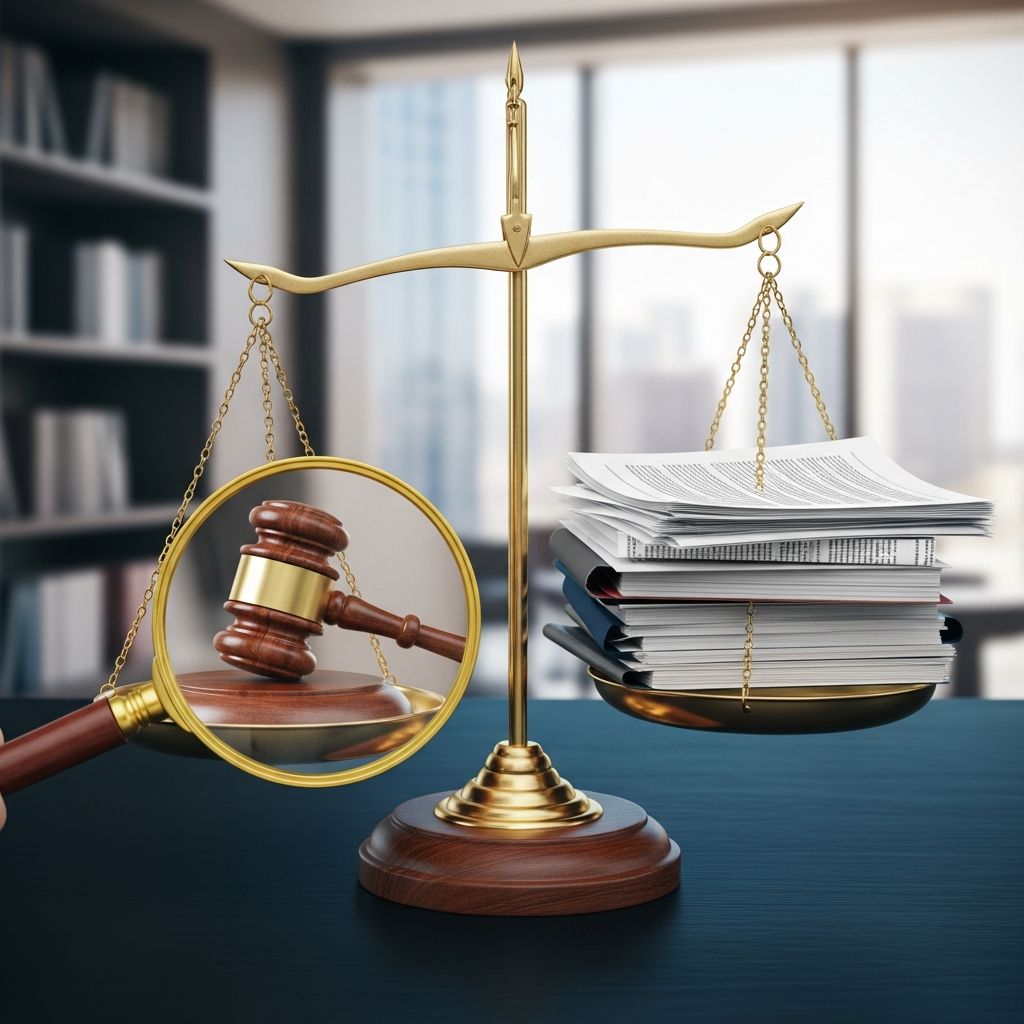
Understanding Consumer Protection in Today’s Marketplace
Every day, millions of people engage in consumer transactions—from purchasing groceries and electronics to signing up for services and making major purchases. While most transactions proceed smoothly, consumers occasionally encounter problems such as defective products, misleading advertising, unfair billing practices, or inadequate services. Understanding your rights as a consumer and knowing what legal protections are available to you is essential for navigating the modern marketplace confidently and protecting yourself from exploitation.
Consumer protection laws exist at multiple levels of government, including federal, state, and local jurisdictions. These laws establish standards for business practices, require disclosure of important information, prohibit deceptive conduct, and provide remedies when consumers are harmed. Whether you’re making an online purchase, financing a vehicle, or dealing with a service provider, consumer protection legislation serves as a safeguard against unfair or illegal practices.
The Framework of Federal Consumer Protection
The United States has developed an extensive system of federal laws designed to protect consumers from various forms of harm and exploitation. These statutes cover virtually every aspect of consumer activity, from the advertisement and sale of products to credit transactions and dispute resolution mechanisms.
Major Federal Statutes Protecting Consumers
- The Federal Trade Commission Act: Established in 1914, this foundational law prohibits unfair or deceptive practices in commerce. The Federal Trade Commission (FTC) enforces this statute and has broad authority to investigate complaints, issue regulations, and pursue enforcement actions against violators.
- The Truth in Lending Act: This statute requires lenders to disclose key terms and costs associated with credit transactions, including annual percentage rates, finance charges, and payment schedules. It applies to mortgages, auto loans, credit cards, and other forms of consumer credit.
- The Fair Credit Reporting Act: This law regulates how credit reporting agencies collect, maintain, and disseminate credit information. It grants consumers the right to access their credit reports, dispute inaccuracies, and understand how their information is being used.
- The Fair Debt Collection Practices Act: This statute establishes rules for debt collectors, prohibiting harassment, deception, and unfair practices. It gives consumers tools to stop unwanted collection calls and challenge disputed debts.
- The Magnuson-Moss Warranty Act: This federal law regulates product warranties and requires manufacturers and sellers to honor warranty terms. It also allows consumers to pursue damages for breach of warranty without having to pursue formal litigation in some cases.
- The Consumer Product Safety Act: This legislation empowers the Consumer Product Safety Commission to establish and enforce safety standards for consumer products, investigate hazardous products, and coordinate recalls.
State and Local Consumer Protection Mechanisms
Beyond federal protections, all fifty states have enacted their own consumer protection statutes. These state laws often provide additional safeguards and may establish different standards or remedies than federal law. State attorneys general offices typically enforce these laws and investigate consumer complaints.
Many states have enacted “mini-FTC acts” that mirror federal law but apply only within state borders. Others have created specialized statutes addressing particular industries or transaction types. For example, many states regulate auto sales practices, home improvement contractors, and mortgage lending with state-specific legislation. Local municipalities may also enact ordinances addressing consumer concerns relevant to their communities.
Identifying Common Consumer Problems and Solutions
Defective Products and Product Liability
When a product fails to perform as advertised or causes injury, consumers may have claims based on breach of warranty, negligence, or strict product liability. Warranty claims allow buyers to seek remedies for products that don’t meet seller promises or industry standards. Product liability claims hold manufacturers accountable for dangerous products, regardless of fault, in many jurisdictions.
Fraudulent and Deceptive Practices
Businesses that misrepresent products, conceal material information, or use deceptive marketing tactics violate consumer protection laws. Examples include false health claims, hidden fees, bait-and-switch tactics, and misleading disclosures. Consumers subjected to such practices may pursue rescission (cancellation of the transaction), damages, or other remedies depending on applicable law.
Credit and Financial Disputes
Credit card billing errors, unauthorized charges, incorrect credit reporting, and predatory lending practices are common consumer complaints. The Truth in Lending Act, Fair Credit Reporting Act, and Fair Debt Collection Practices Act provide mechanisms to dispute these issues and seek compensation.
Service-Related Complaints
Whether involving home repair contractors, utilities, telecommunications providers, or professional services, disputes often arise over service quality, billing accuracy, and contract terms. Consumer protection laws and industry-specific regulations address these concerns.
Steps to Resolve Consumer Disputes
Initial Communication and Documentation
When a problem arises, begin by documenting the issue thoroughly. Save receipts, contracts, emails, photographs, and written communications. Contact the business in writing (email or certified mail) describing the problem clearly and requesting a specific remedy. Maintain copies of all correspondence.
Formal Complaint Filing
If initial contact doesn’t resolve the issue, file complaints with relevant regulatory agencies. Options typically include:
- Your state attorney general’s office
- The Federal Trade Commission (FTC.gov)
- Industry-specific regulators (banking, insurance, securities)
- Local consumer protection offices or better business bureaus
Arbitration and Mediation
Many consumer contracts include arbitration clauses requiring disputes to be resolved through private arbitration rather than court. Mediation offers another alternative where a neutral third party helps parties reach agreement. Both processes are typically faster and less expensive than litigation.
Small Claims Court
For disputes under certain monetary limits (typically $5,000 to $10,000 depending on the state), small claims court provides an accessible forum for consumers to pursue claims without requiring an attorney. Procedures are simplified, and filing fees are minimal.
Civil Litigation
For larger disputes or cases requiring complex legal arguments, consumers may pursue claims in regular civil court. Class action lawsuits may be available when many consumers suffer similar injuries from a defendant’s conduct, allowing claims to proceed collectively.
Special Protections for Specific Consumer Transactions
| Transaction Type | Primary Federal Law | Key Protections |
|---|---|---|
| Credit Card Purchases | Truth in Lending Act, Fair Credit Billing Act | Dispute resolution for unauthorized charges; interest rate disclosure; minimum payment requirements |
| Mortgage Lending | Truth in Lending Act, Real Estate Settlement Procedures Act | Disclosure of loan terms; protection against predatory lending; right to review settlement disclosures |
| Vehicle Purchases | Magnuson-Moss Act, State Lemon Laws | Warranty coverage; right to repair or replacement for defective vehicles; disclosure of vehicle history |
| Door-to-Door Sales | FTC Cooling-Off Rule | Three-day cancellation right for purchases over $25 made away from business premises |
| Telemarketing | Telemarketing Sales Rule, Do-Not-Call Regulations | Right to opt out of calls; restrictions on calling times; disclosure of material terms |
Online and Digital Consumer Protections
E-commerce and digital transactions present unique consumer protection challenges. Federal law requires online retailers to honor stated prices, deliver products as described, and process refunds promptly. Identity theft and data breach protections exist under various federal statutes. The CAN-SPAM Act regulates commercial email marketing, and laws increasingly address cybersecurity, data privacy, and automated decision-making systems.
Consumers purchasing through online marketplaces should verify seller credentials, read product reviews carefully, use secure payment methods, and understand return policies before completing transactions. Digital payment services and cryptocurrency transactions may fall outside traditional consumer protections, requiring extra caution.
Your Rights and Responsibilities as a Consumer
Essential Consumer Rights
- The right to safe products meeting industry standards and legal requirements
- The right to accurate information and full disclosure of material terms
- The right to fair pricing without hidden charges or deceptive increases
- The right to remedies for breach of warranty or defective products
- The right to privacy of personal and financial information
- The right to dispute billing errors and unauthorized charges
- The right to access your credit reports and dispute inaccuracies
- The right to fair treatment in debt collection practices
- The right to cancel certain transactions within specified timeframes
- The right to pursue legal remedies through courts, arbitration, or regulatory complaint
Consumer Responsibilities
While consumer protection laws provide substantial safeguards, consumers also bear responsibility for protecting themselves. This includes reading contracts before signing, asking questions about terms and conditions, maintaining organized records of purchases, and reporting problems promptly. Consumers should verify business credentials, check online reviews, use secure payment methods, and be skeptical of offers that seem too good to be true.
Frequently Asked Questions About Consumer Rights
Q: What should I do if I receive a defective product?
A: Contact the seller or manufacturer immediately with documentation of the defect. Request repair, replacement, or refund as appropriate. If the business doesn’t respond satisfactorily, file complaints with your state attorney general or the FTC. You may also have claims under warranty laws or product liability statutes.
Q: How do I dispute an unauthorized credit card charge?
A: Contact your credit card issuer immediately, preferably in writing. The Fair Credit Billing Act requires the issuer to investigate and respond within specific timeframes. While the dispute is being investigated, you generally cannot be held liable for the unauthorized charge.
Q: Can a business cancel my order after I’ve paid?
A: This depends on the specific circumstances and the business’s stated policies. Once payment is accepted and delivery begins, the business generally cannot cancel without legal cause. However, if the business clearly discloses cancellation policies before purchase, you may be bound by those terms.
Q: What rights do I have if I’m harassed by debt collectors?
A: The Fair Debt Collection Practices Act prohibits harassment, obscene language, threats, false claims, and collection calls at unreasonable times. You can request that collection calls stop in writing. If violations occur, you can sue the collector for damages and attorney fees.
Q: How can I access and correct my credit report?
A: Federal law entitles you to one free credit report annually from each major credit bureau through annualcreditreport.com. You can dispute inaccuracies in writing with the credit bureau, which must investigate and correct errors within a specific timeframe.
Q: What is a cooling-off period and when does it apply?
A: The FTC’s Cooling-Off Rule gives consumers a three-day right to cancel certain purchases made away from the business’s normal place of business (such as door-to-door sales), provided the purchase exceeds $25. Check state laws, as some states provide longer cooling-off periods for specific transaction types.
References
- Federal Trade Commission Act — Federal Trade Commission. U.S. Government Publishing Office. https://www.ftc.gov/legal-library/
- Truth in Lending Act (Regulation Z) — Board of Governors of the Federal Reserve System. 2024. https://www.federalreserve.gov/homeowners/tila/
- Fair Credit Reporting Act — Consumer Financial Protection Bureau. 2024. https://www.consumerfinance.gov/regulations/fcra/
- Fair Debt Collection Practices Act — Federal Trade Commission. https://www.ftc.gov/legal-library/browse/statutes/fair-debt-collection-practices-act
- Magnuson-Moss Warranty Act — U.S. Government Publishing Office. Code of Federal Regulations Title 16. https://www.govinfo.gov/content/pkg/CFR-2023-title16-vol2/
- Consumer Product Safety Act — Consumer Product Safety Commission. 2024. https://www.cpsc.gov/about-cpsc/our-authority/cpsa
Similar Articles








Read full bio of Sneha Tete


