
Understanding Construction Law and Defective Building Claims
Learn how construction law governs building projects, defects, and the rights and remedies of property owners and contractors.
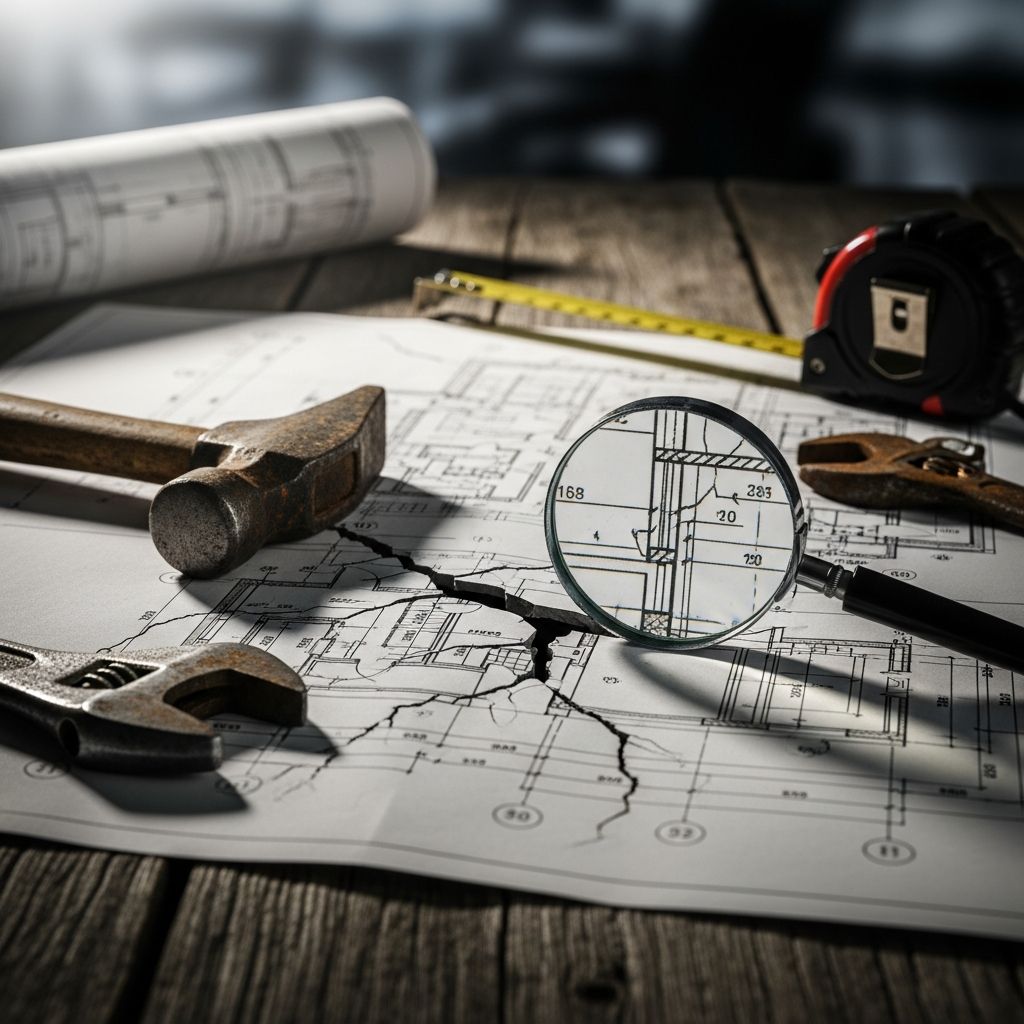
Construction law is the legal framework that governs how buildings and infrastructure are planned, designed, financed, built, and maintained. It affects everyone involved in a project, from the property owner who commissions the work to the contractors, subcontractors, suppliers, design professionals, lenders, and insurers who help bring the project to completion. This guide explains the fundamentals of construction law, what counts as a construction defect, who may be legally responsible, and how disputes are typically resolved.
What Is Construction Law?
Construction law is a blend of several legal areas that apply specifically to building and development projects. It combines contract law, tort law (such as negligence), property law, insurance law, regulatory compliance, and sometimes environmental and employment law. Together, these rules shape rights and obligations at every stage of a construction project.
Public and private projects are both governed by construction law, but public projects (such as highways or schools) often involve additional procurement rules, bidding requirements, and statutory protections for taxpayers and workers.
Key Functions of Construction Law
- Defining contractual relationships between owners, contractors, subcontractors, and design professionals.
- Allocating financial risk through pricing, bonds, insurance, indemnity clauses, and warranties.
- Ensuring regulatory compliance with building codes, zoning ordinances, safety standards, and licensing rules set by public authorities.
- Providing remedies when projects run into delays, cost overruns, safety issues, or defective work.
- Addressing post-construction issues, such as building failures, water intrusion, structural movement, or code violations discovered after occupancy.
Essential Players in a Construction Project
Understanding who is involved helps clarify why construction disputes can be complex—many parties may share responsibility for a single problem.
| Participant | Primary Role | Potential Legal Exposure |
|---|---|---|
| Property Owner / Developer | Initiates project, secures financing, and hires design and construction teams. | May be liable under contracts, building regulations, or for unsafe conditions. |
| General Contractor | Oversees day-to-day construction and manages subcontractors and suppliers. | Common target of defect claims, schedule disputes, and payment issues. |
| Subcontractors | Perform specialized work (plumbing, electrical, roofing, etc.). | Can be responsible for defective workmanship or code violations in their trade. |
| Architects & Engineers | Design the project and may oversee construction for design compliance. | May face claims for design errors, omissions, or failure to meet professional standards. |
| Material Suppliers & Manufacturers | Provide building materials and systems. | Can be liable for manufacturing defects or failure to warn about product limitations. |
| Lenders & Insurers | Finance the project and provide risk coverage. | Impacted by cost overruns, delays, and major defect claims that affect project value. |
What Is a Construction Defect?
A construction defect is generally a deficiency in the design, materials, or workmanship of a building that causes damage, safety risks, or failure to perform as reasonably expected under applicable standards. Defects can exist in new construction or renovations, and they often appear months or years after completion.
Common Categories of Construction Defects
- Design defects – Flaws in architectural or engineering plans that make the structure unsafe, nonfunctional, or noncompliant with building codes. For example, undersized structural members or inadequate drainage design.
- Workmanship defects – Poor execution of otherwise adequate plans, such as incorrect installation of roofing, improper concrete placement, or substandard finishes.
- Material or product defects – Defective or unsuitable products, like failing windows or roofing materials that prematurely deteriorate.
- Subsurface defects – Problems arising from inadequate site preparation or failure to address soil conditions, leading to settlement, foundation cracks, or water intrusion.
Patent vs. Latent Defects
Construction law often distinguishes between two broad types of defects, which matters for legal deadlines and responsibilities.
- Patent defects: These are obvious or reasonably discoverable upon inspection—such as visible cracks, incomplete finishes, or uneven floors. Because they are apparent, the time to bring claims is often shorter.
- Latent defects: These are hidden and may not emerge until years after completion, such as internal structural weaknesses or concealed water damage. Statutes of repose in many jurisdictions provide a longer window for discovery-based claims, but still impose an ultimate cutoff date.
Legal Standards Governing Construction Quality
Construction law relies on several types of standards to evaluate whether work is defective or legally inadequate.
Building Codes and Regulations
Local and national building codes set minimum safety and performance requirements for structures, including structural integrity, fire safety, plumbing, electrical systems, and energy efficiency. Failure to meet applicable codes can be powerful evidence of negligence or breach of contract.
Contracts, Specifications, and Industry Standards
- Construction contracts usually identify technical specifications, quality benchmarks, and performance obligations.
- Industry standards and trade customs (such as guidelines from professional associations or standard form contracts) help define what is considered “workmanlike” performance.
- Professional standards of care apply to licensed architects and engineers—measured against how a reasonably careful professional in the same field would act under similar circumstances.
Warranties and Guarantees
Construction projects often involve several layers of warranties:
- Express warranties – Written guarantees in the contract or separate warranty documents regarding quality, durability, or specific performance benchmarks.
- Implied warranties – Legal guarantees that work will be done in a reasonably workmanlike manner and that a new home will be fit for ordinary use, even if not spelled out in writing in some jurisdictions.
- Manufacturer warranties – Product-specific warranties on materials and components, such as roofing, windows, or mechanical systems.
Who Can Be Liable for Construction Defects?
Responsibility for defects depends on the source of the problem and the relationships defined by contracts and law. Multiple parties are often named in a single lawsuit.
Typical Legal Theories in Defect Cases
- Breach of contract – A party fails to perform obligations set out in the construction contract, such as delivering work that meets specified plans or timelines.
- Negligence – A contractor, subcontractor, or design professional fails to exercise reasonable care, violating the applicable standard of care and causing damage. Plaintiffs typically must show duty, breach, causation, and damages.
- Breach of warranty – Failure to honor express or implied warranties about quality, performance, or compliance with standards.
- Strict liability (in some jurisdictions) – Certain builders or product manufacturers may be held liable for defective construction or products without proof of negligence if the work or product is unreasonably dangerous or fails to perform as expected.
- Misrepresentation or fraud – Deliberate or reckless statements that conceal defects or overstate quality or compliance, potentially giving rise to additional damages.
Statutes of Limitation and Repose
Time limits are crucial in construction defect law. A property owner who waits too long may lose the right to sue, even if the defect is serious.
- Statutes of limitation set deadlines based on when the claim accrues—often when the defect is or should reasonably have been discovered and damages occur.
- Statutes of repose impose an absolute time limit after substantial completion of the project, regardless of when the defect is discovered. Many U.S. states adopt repose periods for construction claims to give builders finality and predictability.
- Tolling doctrines may pause these time limits in specific situations, such as ongoing repair negotiations or deliberate concealment of defects by a builder.
Because these rules vary significantly by jurisdiction and type of claim, consulting a lawyer familiar with local construction law is often essential when a defect is suspected.
Typical Process for Handling Construction Defect Disputes
Many construction contracts and statutes encourage parties to address problems cooperatively before resorting to litigation. While procedures vary, a common progression is outlined below.
1. Identifying and Documenting the Problem
- Keep a detailed written log of when problems appear and how they change over time.
- Take clear photographs and videos of the damage at different stages.
- Preserve relevant documents, including contracts, change orders, invoices, and communications with builders.
- Consider hiring an independent inspector or engineer to evaluate suspected defects and potential safety issues.
2. Notifying Responsible Parties
Many state statutes and contracts require that the owner provide written notice to the contractor or builder and allow an opportunity to inspect and propose repairs before filing suit. Proper notice can:
- Trigger warranty obligations and insurance coverage.
- Start statutory timelines for inspection and repair offers.
- Demonstrate that the owner acted reasonably in mitigating damages.
3. Repair, Negotiation, and Alternative Dispute Resolution
Disputes often proceed through several stages before any trial:
- Voluntary repairs by the original builder, sometimes under warranty or statutory programs.
- Mediation, where a neutral third party helps the sides negotiate a settlement.
- Arbitration, often required by contract, which involves a private decision-maker issuing a binding or nonbinding award.
4. Litigation and Allocation of Fault
If nonjudicial steps fail, the owner may file a lawsuit. Courts often see multiple defendants each arguing about the share of responsibility. Expert witnesses—typically engineers, architects, or other building professionals—are frequently needed to:
- Explain the technical cause of defects.
- Compare the work to applicable codes and industry standards.
- Estimate reasonable repair costs and any loss of property value.
Possible Remedies and Damages
The main purpose of defect litigation is usually to put the owner in the position they would have been in if the work had been properly done. Depending on the jurisdiction and facts, recoverable damages may include:
- Cost of repair or replacement of defective work and associated damage (for example, tearing out finishes to fix hidden leaks).
- Diminished value of the property if full repair is impractical or would exceed economic reasonableness.
- Consequential costs such as temporary relocation, loss of use, and increased operating or maintenance expenses.
- Professional fees for engineering reports or testing, when necessary to diagnose and correct the problem.
- Attorney’s fees and litigation costs when allowed by contract or statute.
- Punitive or exemplary damages in cases involving fraud or intentional concealment, in jurisdictions that permit them.
Preventing Construction Disputes Before They Start
Thoughtful planning and careful documentation can reduce the risk of costly disputes after construction.
Best Practices for Property Owners
- Engage qualified, licensed professionals and verify their track record and insurance coverage.
- Use clear written contracts that define scope of work, quality standards, timelines, payment milestones, and dispute resolution procedures.
- Insist on detailed plans and specifications and keep signed copies of all change orders.
- Schedule periodic inspections during construction, not only at final completion.
- Maintain good communication with the project team and promptly document any concerns in writing.
Best Practices for Contractors and Design Professionals
- Keep thorough project records, including daily logs, correspondence, and test results.
- Follow applicable building codes and stay informed about regulatory updates in relevant jurisdictions.
- Use written change orders and clarify when owner-directed changes affect cost, schedule, or risk allocation.
- Coordinate closely with other trades and design professionals to avoid gaps and inconsistencies.
- Maintain appropriate insurance and bonding to address potential defect claims and project failures.
Frequently Asked Questions (FAQs)
Q: How do I know if my problem qualifies as a construction defect?
A: A concern may rise to the level of a construction defect if it involves design, materials, or workmanship that fall below contractual or code standards and cause measurable damage, safety risks, or loss of function. Consulting an independent inspector or engineer can help determine whether the issue is cosmetic or legally significant.
Q: Can I sue the builder for defects I discover years after completion?
A: In many jurisdictions, latent defects can still be actionable for a number of years, but statutes of limitation and repose create firm deadlines. These limits vary widely by state and claim type, so early legal advice is important once a defect is discovered.
Q: Do I have to let the contractor try to fix the defect before going to court?
A: Many contracts and state laws require owners to give written notice and a reasonable opportunity to inspect and repair defects before filing a lawsuit. Failure to follow these procedures can affect your ability to recover damages or may delay your claim.
Q: Are minor cosmetic issues covered by construction law?
A: Cosmetic imperfections that do not affect performance, safety, or value may not justify legal action, though they could still be addressed under contractual punch lists or limited warranties. Defect claims generally focus on problems that interfere with intended use or violate standards.
Q: When should I contact a construction law attorney?
A: It is wise to seek legal advice if defects appear that could involve significant repair costs, safety risks, or disputes with builders or insurers, especially when statutory deadlines are approaching or when negotiations stall.
References
- Building blocks: Construction defects 101 — Advocate Magazine. 2014-03-01. https://www.advocatemagazine.com/article/2014-march/building-blocks-construction-defects-101
- Construction Defect Claims in California: Understanding Your Options — Stonesallus Law. 2022-01-10. https://www.stonesalluslaw.com/construction-defect-claims-in-california-understanding-your-options/
- What Is a Construction Defect? Understanding Your Legal Rights — Boggs Law Group. 2021-09-15. https://boggslawgroup.com/what-is-a-construction-defect-understanding-your-legal-rights/
- Design and Construction Defect Claims: Overview and Defense Strategies — Thompson, Coe, Cousins & Irons LLP. 2022-11-01. https://www.thompsoncoe.com/wp-content/uploads/2022/11/Design-and-Construction-Defect-Claims_-Overview-and-Defense-Strategies.pdf
- Construction Defects: Who Is Responsible for What? — Greenberg Traurig, LLP. 2015-03-15. https://www.gtlaw.com/-/media/files/insights/alerts/alerts-prior-to-march-27-2017/031503_gt-advisory_construction-defects–who-is-responsible-for-what.pdf
- Types of Construction Defects — Travelers Insurance. 2020-06-30. https://www.travelers.com/resources/business-industries/construction/types-of-construction-defects
Similar Articles








Read full bio of medha deb


