
Connecticut Small Claims Court Guide: File, Defend, Collect
Master the essentials of filing and resolving disputes in Connecticut's small claims court with this detailed guide.
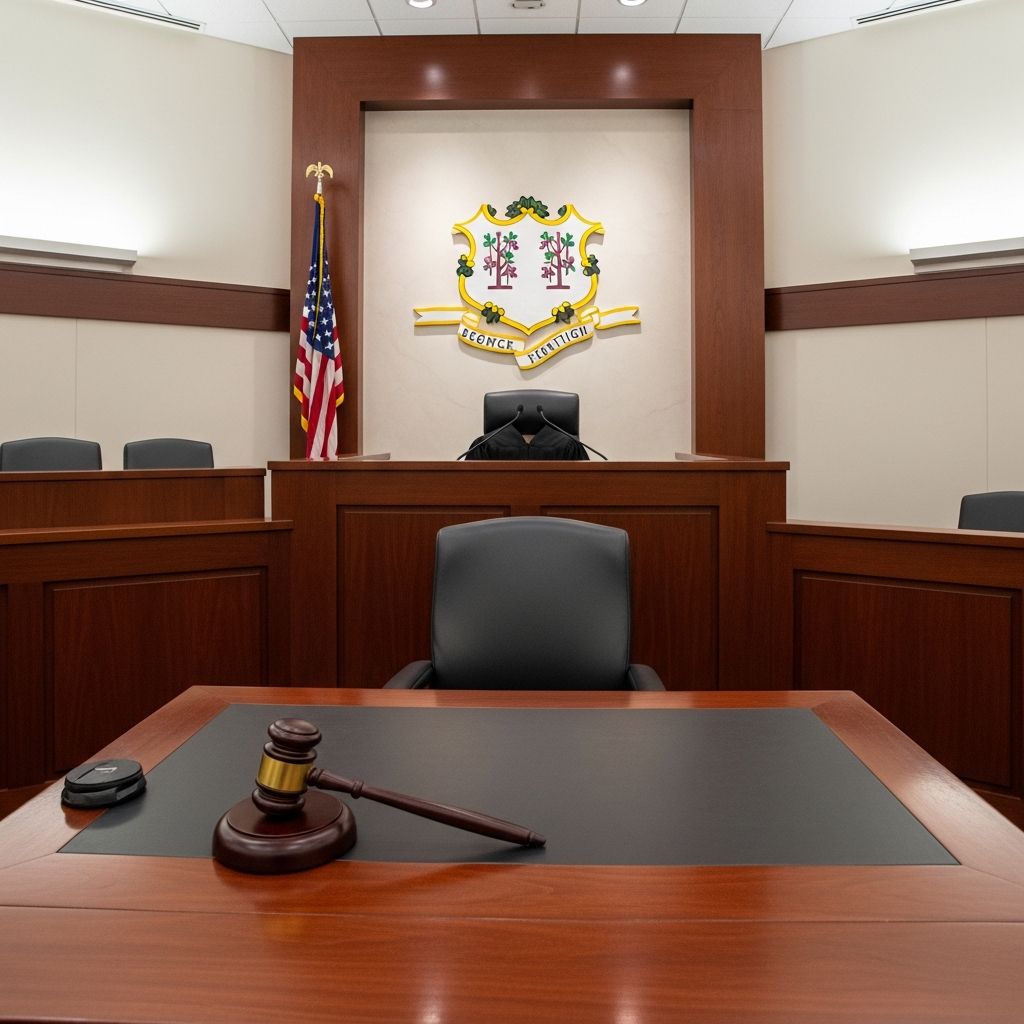
Connecticut’s small claims court offers a streamlined way for individuals to resolve minor civil disputes without the need for lawyers or complex procedures. Designed for efficiency, it handles cases up to $5,000, making it accessible for everyday issues like unpaid debts or property damage.
Understanding Small Claims Jurisdiction
Small claims sessions operate within Connecticut’s Superior Court system, focusing on quick resolutions for low-value disputes. These courts address a variety of issues, including money owed for services, damaged goods, security deposit returns, and minor contract breaches.
Eligible claims must not exceed $5,000, excluding interest and costs. This cap ensures the process remains simple and affordable.
Common Types of Cases
- Unpaid loans or bills from personal services
- Defective products or poor workmanship
- Landlord-tenant disagreements over deposits
- Vehicle repair disputes
- Small property damage claims
Cases Not Suitable for Small Claims
Not every dispute fits. Complex matters like divorce, libel, medical malpractice, or claims over $5,000 belong in regular civil court. Government entities cannot be sued here, and eviction cases go to housing sessions.
Step-by-Step Guide to Filing as a Plaintiff
Initiating a small claims action starts with completing the proper forms and selecting the correct court location.
Choosing the Right Court Location
File in the judicial district or housing session where the defendant lives, conducts business, or where the incident occurred. Use the Judicial Branch directory to confirm.
Required Forms and Fees
The primary form is the Small Claims Writ and Notice of Suit (JD-CV-40), accompanied by Instructions to Defendant (JD-CV-121). Filing costs $95, payable by cash, check, or money order to the Clerk of the Superior Court. Additional fees apply for sheriff service or postage.
| Fee Type | Amount | Notes |
|---|---|---|
| Entry Fee | $95 | Required for all new claims |
| Sheriff Service | Varies | Typically $50 per defendant |
| Certified Mail | $10-15 | Alternative to sheriff |
Serving the Defendant
After filing, the court serves the defendant via sheriff, indifferent person, or certified mail. Plaintiffs cannot serve papers themselves. Service must occur at least 15 days before the hearing.
Responding as a Defendant
If served, review the claim carefully. You have 15 days to file a response, including any counterclaims up to $5,000.
Options for Defense
- Pay the claim in full to avoid court
- File a denial or counterclaim using form JD-CV-107
- Appear at the hearing to present your side
Failure to respond may result in a default judgment.
The Hearing Process
Hearings are informal, held in a courtroom before a magistrate or clerk. No attorneys are required, and rules of evidence are relaxed.
Preparation Tips
- Bring all documents, receipts, photos, witnesses
- Arrive early and dress appropriately
- Practice a clear, concise presentation
- Focus on facts, not emotions
Hearings typically last 15-30 minutes. The magistrate decides on the spot or shortly after.
Possible Outcomes
- Judgment for plaintiff (full or partial)
- Judgment for defendant
- Dismissal or continuance
Collecting on a Judgment
Winning a judgment doesn’t guarantee payment. If the defendant doesn’t pay voluntarily:
- Request a financial statement (JD-CV-30)
- File for a property execution or wage garnishment
- Consider a bank execution
Post-judgment interest accrues at 10% per year.
Appeals and Transfers
Defendants can appeal to the Superior Court within 10 days, posting a bond. Plaintiffs may request transfer to regular docket pre-hearing for certain reasons.
E-Filing and Online Resources
Connecticut offers e-filing for small claims via the Judicial Branch E-Services portal. Case look-up is available online by name or docket number.
Free Legal Assistance
Low-income residents can access help from organizations like CTLawHelp.org, Statewide Legal Services, and local legal aid groups. Court clerks provide procedural guidance but no legal advice.
Frequently Asked Questions
Can I represent a business in small claims court?
Yes, business owners or authorized officers can represent their company without an attorney.
What if the defendant is out of state?
You may still file if the claim arose in Connecticut, but service follows interstate rules.
Is there a statute of limitations?
Yes, typically 6 years for written contracts, 3 years for oral; check specifics.
Can I get my filing fees back?
If you win, the court may add costs to the judgment.
How long does the process take?
From filing to hearing: 4-8 weeks, depending on location.
Key Benefits of Small Claims Court
- Cost-effective: Low fees compared to regular court
- Speedy: Quick hearings and decisions
- Accessible: No lawyer needed, informal setting
- Enforceable: Judgments carry legal weight
By using small claims court, Connecticut residents can efficiently settle disputes and recover what they’re owed without navigating the full court system.
References
- Where to File a Small Claims Matter — Connecticut Judicial Branch. 2026. https://www.jud.ct.gov/directory/directory/directions/smallclaims.htm
- Small Claims Court — United Way of Connecticut. 2026. https://uwc.211ct.org/small-claims-court/
- How Small Claims Court Works — Connecticut Judicial Branch. 2026. https://www.jud.ct.gov/Publications/CV045.pdf
- Small Claims Court — CTLawHelp.org. 2026. https://ctlawhelp.org/small-claims-court
- Small Claims Frequently Asked Questions — Connecticut Judicial Branch. 2026. https://www.jud.ct.gov/faq/smallclaims.html
- Small Claims Court — CTLawHelp.org. 2026. https://ctlawhelp.org/en/small-claims-court
Similar Articles








Read full bio of medha deb


