
Navigating Connecticut’s Senior Driver License Requirements
Everything Connecticut drivers aged 65+ need to know about license renewal, restrictions, and safety resources.
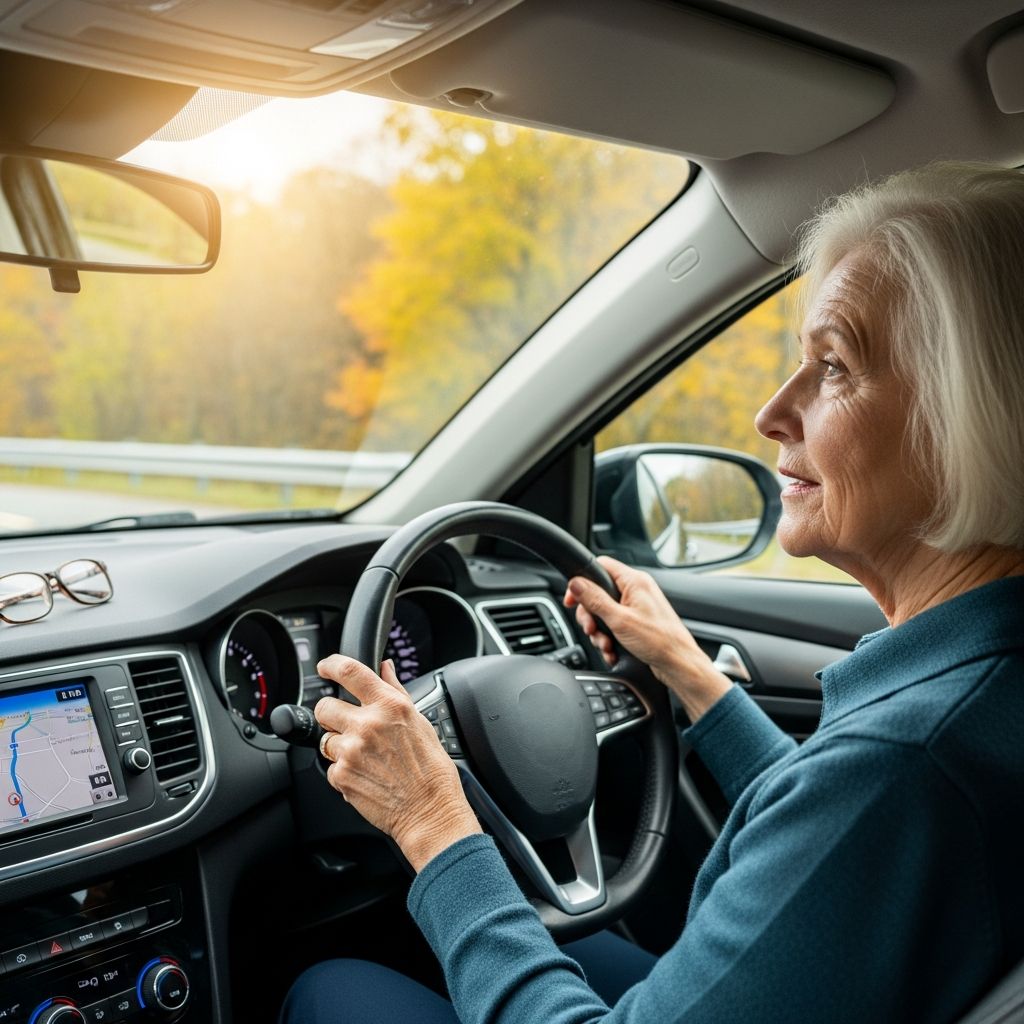
Understanding Connecticut’s Approach to Senior Driver Licensing
Connecticut takes a measured approach to regulating senior drivers, focusing on individualized assessments rather than blanket age-based restrictions. Unlike many states that impose mandatory testing or more frequent renewals for drivers over 65, Connecticut maintains flexibility in its licensing requirements while preserving mechanisms to ensure public safety on the road.
The state’s philosophy recognizes that chronological age alone does not determine driving ability. Instead, Connecticut’s Department of Motor Vehicles (DMV) evaluates drivers based on their specific health conditions and demonstrated competency to operate vehicles safely. This approach balances the independence and mobility needs of older adults with the critical responsibility of maintaining safe roadways for all drivers and passengers.
License Renewal Options and Fee Structures
Connecticut drivers of all ages enjoy considerable flexibility when it comes to renewing their licenses. The state offers multiple renewal periods to accommodate different preferences and needs, each with corresponding fees that reflect the duration of validity.
Standard renewal options available to all Connecticut drivers, including seniors, are as follows:
- Six-year renewal period for $72 (as of 2025)
- Eight-year renewal period for $96 (as of 2025)
Drivers aged 65 and older have an additional option that provides significant cost savings. Senior drivers can choose to renew their licenses for a two-year period for just $24. While this shorter renewal window is available to seniors, it is not mandatory, allowing older drivers to select the renewal option that best suits their circumstances and preferences.
This tiered pricing structure gives seniors the autonomy to decide whether they prefer the convenience of a longer-duration license or the reassurance that comes with more frequent renewals. The two-year option also allows older drivers to reassess their fitness to drive more regularly without incurring substantial fees.
Renewal Methods: Online, In-Person, and Mail Options
Connecticut recognizes that not all seniors have equal access to DMV facilities, so the state provides multiple pathways for license renewal that accommodate various circumstances and abilities.
Online Renewal Process
The most convenient option for many drivers is online renewal through the CT.gov renewal portal. To renew a license online, drivers must complete the following steps:
- Provide proof of identity through the online system
- Watch a brief safe driving educational video
- Submit the application electronically
- Receive your new license by mail within approximately 30 days
Online renewal eliminates the need to visit a DMV office, making it particularly valuable for seniors with mobility limitations or transportation challenges. The process is straightforward and can be completed from home at any time of day.
In-Person Renewal at DMV Offices
Drivers who prefer face-to-face interaction or who may have complications with their applications can schedule an appointment at a local DMV office. When renewing in person, you should bring the following documentation:
- A valid form of photo identification
- Proof of social security number
- Proof of Connecticut residency
- Documentation of any name changes (such as marriage certificates, divorce decrees, or civil union documentation)
In-person renewal appointments allow for immediate clarification of any issues and can be helpful if you have questions about the process or your license status.
Renewal by Mail for Limited Mobility
Connecticut’s DMV recognizes that some seniors face significant barriers to in-person visits due to serious medical conditions or disabilities. For these individuals, renewal by mail is available. To use this option:
- Complete the designated renew by mail form from the DMV
- Include all required identity verification documents
- Enclose payment via check or money order
- Send the complete package to:
Connecticut Department of Motor Vehicles
Attn: Central Issuance Operations Unit
60 State Street
Wethersfield, CT 06109
Vision Testing and Safety Assessment Requirements
One distinctive feature of Connecticut’s licensing system is that the state does not require vision testing as a condition of license renewal for any driver, regardless of age. This differs from many other states that mandate vision tests, particularly for older drivers.
However, Connecticut has preserved an important safety mechanism through discretionary medical evaluation. The DMV commissioner maintains authority to require any driver renewing their license to demonstrate proper vehicle operation if the commissioner identifies a health condition that may interfere with safe driving.
Additionally, Connecticut’s DMV can impose restrictions on driving privileges based on health-related concerns. These restrictions might limit driving to non-hazardous conditions, such as:
- Daytime driving only
- Restrictions on highway driving
- Speed limitations
- Requirement to use corrective lenses (eyeglasses or contact lenses)
- Restrictions on driving in adverse weather conditions
The responsibility for maintaining safe driving standards falls partly on the driver themselves and partly on the state’s assessment mechanisms. Seniors are encouraged to proactively assess their own abilities, including regular eye exams, hearing assessments, and evaluations of reaction time and medication side effects.
Reporting Concerns About Unsafe Older Drivers
Recognizing that family members, friends, and healthcare providers often have valuable insights into a driver’s safety, Connecticut provides a formal mechanism for reporting concerns about potentially unsafe drivers. Individuals who worry about an older driver’s ability to operate a vehicle safely can take action through the DMV.
To report concerns about a senior driver:
- Prepare a notarized affidavit describing your concerns about the driver’s safety
- Submit the affidavit to the Connecticut DMV
- The DMV will review the submission and may initiate a review of the driver’s fitness
- If a review is initiated, the DMV will contact the named driver to inform them of the concerns
- The driver will be provided with medical evaluation forms to complete with their physician
One important consideration: the driver who is the subject of the report has the right to review the affidavit submitted against them. This transparency means that reporters should not expect anonymity in this process. However, this formal mechanism provides an important safeguard for public safety when concerned parties believe intervention is necessary.
Understanding License Restrictions and Their Implications
Connecticut drivers with specific medical conditions or sensory limitations may have restrictions placed on their licenses. Understanding these restrictions is crucial because driving in violation of license restrictions can result in serious consequences, including suspension or revocation of driving privileges.
Common restrictions placed on licenses include:
- Corrective lens requirement: Perhaps the most frequent restriction, requiring drivers to wear eyeglasses or contacts
- Time-of-day restrictions: Limitations on driving during nighttime hours or low-light conditions
- Road type restrictions: Prohibitions on highway or expressway driving
- Geographic restrictions: Limitations to local or familiar road networks
- Vehicle modifications: Requirements for hand controls or other adaptive equipment
Violating any restrictions on your license constitutes a serious offense. Connecticut’s DMV can suspend or revoke driving privileges if a driver is caught operating a vehicle in violation of their license restrictions. Drivers who believe their license has been inappropriately suspended or revoked should contact the Connecticut DMV at 860-263-5720 to explore options for reinstatement.
Accessible Parking Accommodations for Seniors
Connecticut residents with disabilities, including many seniors with mobility limitations, can obtain specialized parking placards that permit them to park in designated accessible spaces. This accommodation can significantly improve independence and quality of life for individuals with physical limitations.
To qualify for accessible parking in Connecticut:
- A licensed physician, physician’s assistant, optometrist, ophthalmologist, or the state Board of Education and Services for the Blind must attest to a qualifying medical condition
- Qualifying conditions include significant mobility impairments, certain cardiac conditions, pulmonary diseases, and other conditions that substantially limit mobility or endurance
- Applicants must submit medical documentation establishing the condition
Accessible parking placards represent an important accommodation that allows seniors with disabilities to maintain their independence while driving and managing daily activities.
Educational Resources and Safety Initiatives
Connecticut provides multiple resources to help senior drivers maintain safety and competence throughout their driving years. Taking advantage of these educational opportunities demonstrates responsibility and may even result in insurance discounts.
Key resources available to Connecticut seniors include:
- Center for Experienced Drivers: A state-maintained webpage offering links to resources including senior-specific driving courses
- “How to Help an Older Driver” guide: A resource designed primarily for family and friends, though seniors can use it for self-assessment
- AARP Driver Safety Courses: Approved crash-prevention courses available to drivers aged 60 and older, which often qualify participants for insurance discounts
- Defensive driving refresher courses: Programs that update drivers on changes in traffic laws and modern driving conditions
Connecticut state law explicitly authorizes drivers aged 60 and older to take approved crash-prevention courses and receive insurance discounts as a result. Insurance discounts for completing these courses can amount to substantial savings over time, making the courses not only a safety investment but a financial one as well.
Recognizing When It’s Time to Limit or Stop Driving
Independence is important to seniors, but safety must remain paramount. Recognizing personal limitations is a mark of wisdom and responsibility. Several warning signs should prompt serious self-evaluation:
- Vision changes: Difficulty seeing at night, reduced peripheral vision, or struggles with glare
- Hearing loss: Inability to hear approaching vehicles, sirens, or horns
- Reaction time delays: Taking longer to respond to sudden changes in traffic conditions
- Medication side effects: Drowsiness, dizziness, or impaired concentration from prescriptions
- Confusion or disorientation: Getting lost on familiar routes or difficulty making quick decisions
- Multiple close calls or minor accidents: Patterns of near-misses or minor collisions
Seniors concerned about their driving abilities should consider consulting with their healthcare provider. Physicians can assess whether specific conditions affect driving safety and can discuss alternatives such as limiting driving to daytime hours on familiar roads or transitioning to other transportation methods.
Traffic Safety Data and Senior Driver Involvement
Connecticut’s traffic safety statistics provide important context for understanding the challenges senior drivers face. According to data from the Connecticut Department of Transportation, drivers aged 65 and older were involved in 14% of fatal traffic accidents in Connecticut in 2021, despite representing a smaller percentage of the driving population. This statistic underscores the increased vulnerability of older drivers to serious injuries and fatalities in accidents.
Age-related declines in vision, reaction time, and physical resilience contribute to these statistics. However, this information should not be interpreted as suggesting that all older drivers are unsafe. Rather, it highlights the importance of individual assessment, ongoing self-evaluation, and utilization of available safety resources.
Frequently Asked Questions
Q: Do I have to take a vision test to renew my Connecticut driver’s license?
A: No, Connecticut does not require a vision test as part of the standard license renewal process for any driver, regardless of age. However, the DMV commissioner can require a vision test or other medical evaluation if they identify a health condition affecting your ability to drive safely.
Q: Can I renew my license online if I’m 70 years old?
A: Yes, senior drivers can renew their licenses online through the CT.gov renewal portal just like younger drivers. The only requirement is that you watch a brief safe driving video and provide proof of identity.
Q: What documents do I need to bring to renew my license in person?
A: You should bring photo identification, proof of your social security number, proof of Connecticut residency, and documentation of any name changes since your last license was issued.
Q: How can I report concerns about an unsafe senior driver?
A: You can submit a notarized affidavit to the Connecticut DMV expressing your safety concerns. The DMV will review your report and may contact the driver to initiate a fitness evaluation. The driver will be allowed to see your affidavit.
Q: Can I get an insurance discount for taking a senior driving course in Connecticut?
A: Yes, drivers aged 60 and older can take an approved crash-prevention course and may be eligible for insurance discounts. Contact your insurance provider for information about available discounts.
Q: What should I do if I think I shouldn’t be driving anymore?
A: Discuss your concerns with your healthcare provider. They can help assess whether specific medical conditions affect your driving safety and discuss alternatives such as limiting your driving or exploring other transportation options.
References
- Connecticut Driving Laws for Seniors and Older Drivers — Nolo. 2025. https://www.nolo.com/legal-encyclopedia/connecticut-driving-laws-seniors-older-drivers.html
- Connecticut Department of Transportation Traffic Safety Data — CTDOT. 2021. https://www.ct.gov/dot
- Center for Experienced Drivers — Connecticut Department of Motor Vehicles. https://www.ct.gov/dmv
- AARP Driver Safety Program — AARP. https://www.aarp.org/driving-safety
- License Renewal Procedures for Older Drivers — Insurance Institute for Highway Safety (IIHS). https://www.iihs.org/research-areas/older-drivers/license-renewal-laws-table
Similar Articles








Read full bio of medha deb


