
Connecticut Car Accident Laws 2026: Complete Guide
Essential guide to Connecticut car accident regulations, insurance rules, claims process, and driver responsibilities in 2026.
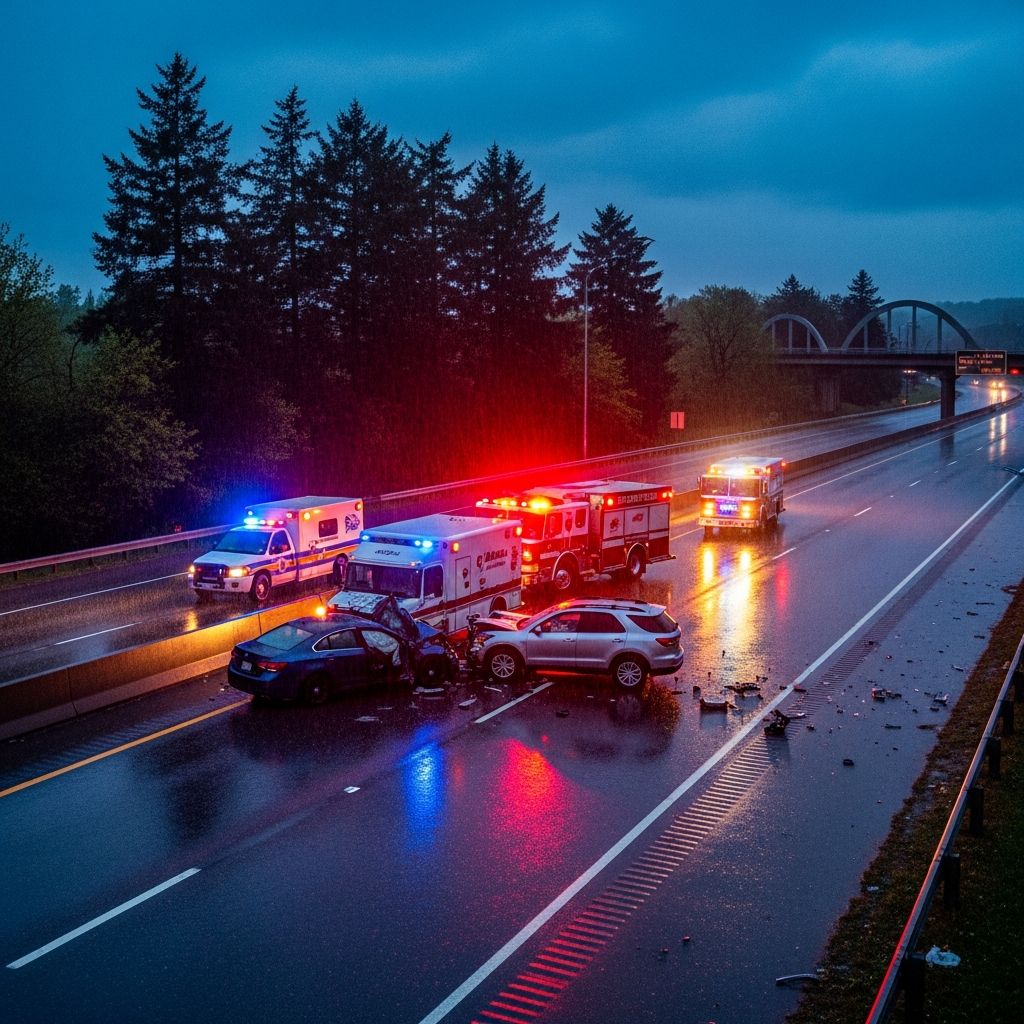
Connecticut’s roads see thousands of collisions annually, with over 300,000 crashes reported between 2022 and 2024 alone. Understanding state-specific rules on insurance, liability, reporting, and compensation is crucial for drivers and victims alike. This guide breaks down key regulations, helping you respond effectively to accidents and pursue rightful claims.
Mandatory Insurance Requirements for Connecticut Drivers
Every driver in Connecticut must carry minimum liability insurance to operate a vehicle legally. This coverage protects others if you’re at fault, covering bodily injury and property damage. The required limits are $20,000 per person and $40,000 per accident for bodily injury, plus $10,000 for property damage.
Failure to maintain this insurance triggers harsh penalties. Driving uninsured is a serious offense, leading to fines ranging from $100 to $1,000. For first-time violators, the Department of Motor Vehicles (DMV) suspends licenses and registrations for one month, requiring a $175 restoration fee and proof of insurance for reinstatement. Repeat offenses extend suspensions to six months. Commercial vehicles involved face Class D felony charges, with potential fines up to $5,000 and jail time up to five years.
Drivers must always carry proof of insurance alongside registration. Without it, expect fines around $50, escalating to $117 with additional fees. If police spot an uninsured vehicle with suspended registration, they can seize the license plate and impound the car until compliance is shown.
- Bodily Injury Liability: $20,000 per person / $40,000 per accident
- Property Damage Liability: $10,000 minimum
- Uninsured/Underinsured Motorist Coverage: Matching liability minimums ($20,000/$40,000)
Policies must also include uninsured/underinsured motorist (UM/UIM) coverage at the same levels. This safeguards you against at-fault drivers lacking sufficient insurance, covering medical bills, lost wages, and other damages up to policy limits after primary coverages pay out.
Immediate Actions Following a Collision
Prioritizing safety is paramount after a crash. Move to a safe location if possible, activate hazard lights, and check for injuries. Call 911 immediately for medical help or if damage/injuries exceed minor levels. While awaiting responders, exchange contact and insurance details with the other party—politely note their information even if they resist.
Avoid admitting fault or apologizing, as statements can be used against you. Document the scene thoroughly: photograph vehicle damage, injuries, road conditions, and license plates (especially for hit-and-runs). Collect witness contacts and obtain the police report once filed.
Connecticut mandates reporting accidents to law enforcement within five business days if they result in injury, death, or property damage over $1,000. Failure to report can lead to fines up to $2,500 for commercial vehicles causing harm.
| Step | Action | Why It Matters |
|---|---|---|
| 1. Ensure Safety | Pull over, check injuries, call 911 | Prevents further harm; establishes official record |
| 2. Exchange Info | Get names, insurance, vehicle details | Essential for claims processing |
| 3. Document Evidence | Photos, videos, witness statements | Supports liability determination |
| 4. Report Accident | File police report within 5 days | Legal requirement; aids insurance |
Uninsured and Underinsured Driver Scenarios
Accidents involving uninsured drivers are common challenges. If the at-fault party lacks coverage, your UM/UIM policy steps in, paying up to $20,000 per person/$40,000 per accident for injuries or death. This applies to hit-and-runs or drivers with inadequate limits.
If you’re uninsured and not at fault, you still face penalties like license suspension, but you can pursue the at-fault driver’s assets via a personal injury lawsuit. However, recovery is tough without their insurance. Always verify the other party’s coverage promptly.
In 2026, new laws emphasize accountability: drivers at fault in work zone crashes must complete education courses, alongside new license applicants.
Time Limits for Filing Personal Injury Claims
Connecticut imposes a two-year statute of limitations for most car accident personal injury lawsuits, starting from the injury date. Missing this deadline forfeits your right to sue the at-fault party.
Exceptions apply: A limited discovery rule extends filing if injuries aren’t immediately apparent, but a three-year statute of repose caps claims regardless. Government-related cases have stricter notices—six months for municipal employees, 90 days for road defects, and one year for state claims via the Claims Commissioner.
Consult an attorney early to navigate these timelines, especially for delayed symptoms like whiplash.
Workers’ Compensation for Work-Related Vehicle Crashes
Motor vehicle accidents during employment often qualify for workers’ compensation in Connecticut. If injured while driving for job duties—like delivery drivers or truckers—benefits cover medical costs, lost wages (typically two-thirds of average weekly wage), and disability.
Key criteria: The crash must occur during work hours or performing job tasks. Exceptions include intoxication or significant deviations (“frolic and detour”) from work routes, disqualifying claims. Independent contractors, such as rideshare drivers, generally aren’t covered unless misclassified.
- Covered Examples: Delivery during shift, commuting in company vehicle (if required)
- Not Covered: Personal errands, DUI-related crashes
- Benefits Include: Medical treatment, wage replacement, vocational rehab
Workers’ comp provides no-fault coverage but limits third-party suits against employers. For at-fault third parties, pursue separate personal injury claims.
Winter and Weather-Specific Rules
Connecticut’s harsh winters add unique hazards. Drivers must remove snow and ice from vehicles—including hoods, trunks, and roofs—before driving to avoid endangering others. Violations are infractions with $75 fines; commercial vehicles causing damage face up to $2,500.
Post-crash, evidence like uncleared snow on the at-fault vehicle strengthens negligence claims. Dashcams and traffic cams are invaluable in icy conditions.
Building a Strong Compensation Claim
Successful claims rely on robust evidence: police reports, medical records, repair estimates, wage statements, and expert testimony. Dashcam footage, witness accounts, and photos prove fault and damages.
Compensation covers economic losses (bills, repairs) and non-economic (pain, suffering). Pursue uninsured drivers personally if viable, but UM/UIM is often the practical path.
Hiring an experienced attorney boosts outcomes, handling negotiations and litigation while you recover.
Frequently Asked Questions (FAQs)
What if the at-fault driver has no insurance?
Use your UM/UIM coverage for compensation up to policy limits. Sue the driver directly for excess damages, though collection may be difficult.
How long do I have to sue after a car accident?
Two years from the injury date for standard claims, with exceptions for government entities and discovery rules up to three years.
Does workers’ comp cover my commute crash?
Generally no, unless your employer requires the vehicle or it’s part of job duties. On-shift crashes during tasks qualify.
Do I need to report minor accidents?
Yes, within five business days if injuries or over $1,000 in damage occur.
What are penalties for no proof of insurance?
Fines start at $50-$117; repeated uninsured driving leads to suspensions and impoundment.
Recent 2026 Legislative Changes
New requirements target work zone safety: At-fault drivers and new licensees must take education courses amid rising incidents. Housing laws indirectly affect parking but prioritize road safety enhancements.
References
- Connecticut Car Accident Without Insurance Not At Fault 2026 — Williams, Walsh & O’Connor. 2026. https://www.williamswalshandoconnor.com/blog/connecticut-car-accident-without-insurance-not-at-fault/
- Connecticut Statute of Limitations for Personal Injury — Rob Levine Law. Accessed 2026. https://roblevine.com/faqs/connecticut-statute-of-limitations-for-personal-injury/
- Motor Vehicle Accidents in Connecticut Workers’ Compensation 2026 — Morizio Law Firm. 2026. https://www.moriziolawfirm.com/blog/drive-time-are-motor-vehicle-accidents-covered-under-workers-compensation/
- Connecticut Car Accident Laws (2025 Updated) — LF Law. 2025. https://lflaw.com/blog/connecticut-car-accident-laws/
- Steps After a Winter Car Crash in Connecticut — BWP Law. Accessed 2026. https://bwplaw.com/blog/steps-after-a-winter-car-crash-in-connecticut/
- New Year, New Laws in 2026 — Connecticut House Republicans. 2026. https://www.cthousegop.com/piscopo/new-year-new-laws-in-2026
Similar Articles








Read full bio of Sneha Tete


