
Combating Showrooming: Fees vs. Smart Retail Tactics
Can charging fees deter showrooming, or should retailers focus on omnichannel innovation and customer loyalty?
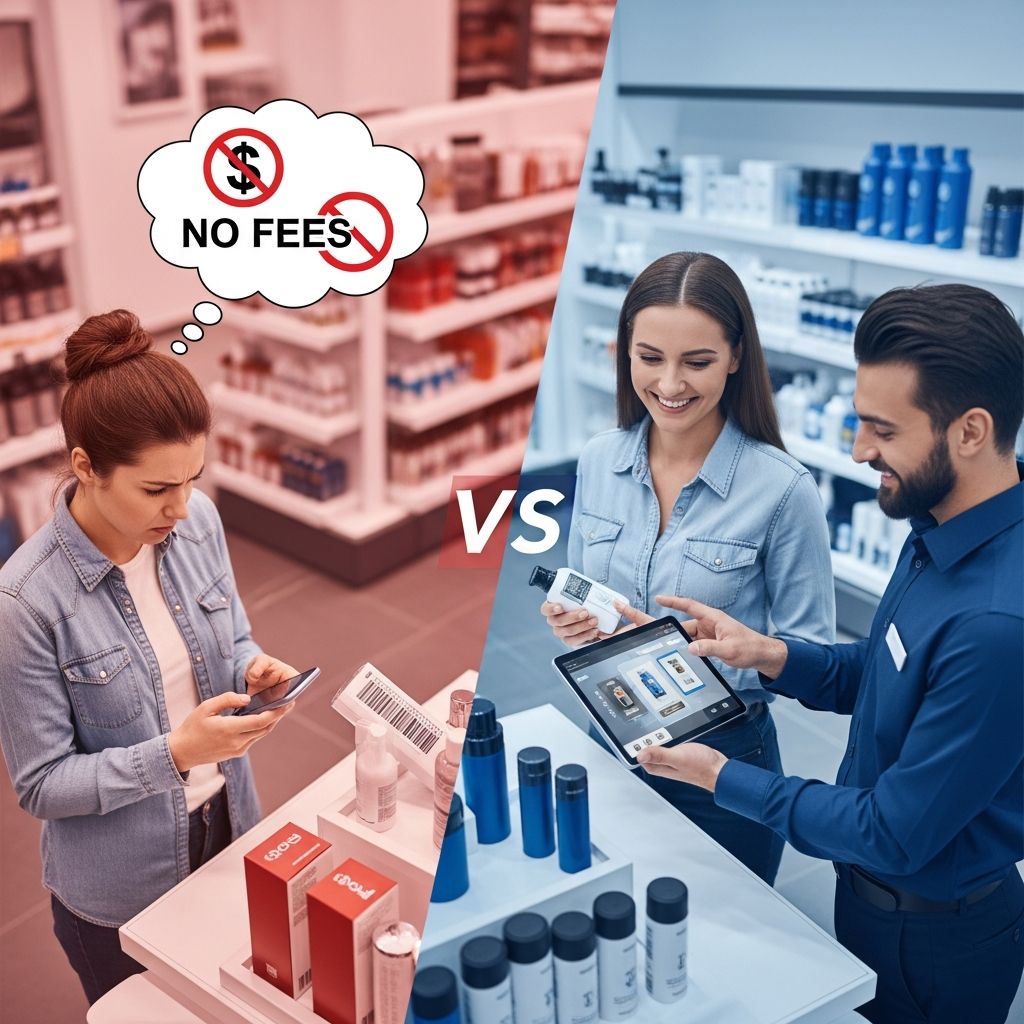
Showrooming, where customers inspect products in physical stores before buying online for lower prices, poses a significant challenge to traditional retailers. While some propose charging a small “browsing fee” to discourage this practice, evidence suggests more effective strategies lie in embracing omnichannel experiences and enhancing in-store value.
Understanding the Showrooming Challenge in Modern Retail
Showrooming has reshaped consumer behavior, driven by smartphones enabling instant price comparisons. Customers enter stores to touch, test, and evaluate items like electronics or appliances, then purchase from online giants offering discounts and free shipping. A study indicates 69% of showroomers cite lower prices as the primary motivator, with 47% valuing free delivery.
This trend threatens brick-and-mortar profitability, as stores bear costs for displays, staffing, and utilities without sales. Categories like consumer electronics are particularly vulnerable, with retailers like Best Buy historically reporting substantial losses from this practice. However, showrooming also highlights the enduring appeal of physical spaces for tactile evaluation, creating opportunities for savvy businesses.
- Physical interaction builds trust and informs decisions before online buys.
- Mobile tech facilitates seamless shifts from store to e-commerce.
- Distinguished from webrooming, where online research precedes in-store purchases.
Why a Browsing Fee Might Backfire on Your Business
Implementing a $5 “just looking” fee aims to monetize non-buying visitors and deter price shoppers. Proponents argue it compensates for resources used without revenue, potentially filtering serious buyers. Yet, legal and practical hurdles abound.
Consumer protection laws in many jurisdictions scrutinize such fees as potential unfair practices. For instance, they could violate regulations against deceptive pricing if not clearly disclosed, leading to lawsuits or refunds demands. Moreover, fees risk alienating casual browsers who might convert later, damaging brand reputation in an era of social media backlash.
| Pros of Browsing Fees | Cons of Browsing Fees |
|---|---|
| Generates revenue from non-buyers | Legal risks under consumer laws |
| Deters pure price comparison | Drives away potential future customers |
| Funds store improvements | Negative publicity and reviews |
Historical attempts, like those by small boutiques, often fail due to customer pushback. Instead of boosting sales, fees can accelerate showrooming as shoppers seek fee-free alternatives.
Omnichannel Mastery: Turning Showroomers into Loyal Buyers
Rather than barriers, forward-thinking retailers integrate physical and digital channels. Omnichannel strategies make stores pivotal in the customer journey, capturing sales at multiple points.
Key tactics include price-matching policies, where in-store purchases match online competitors, retaining 80-90% of would-be showroomers per industry reports. Exclusive in-store perks, like immediate availability or bundling, add value unattainable online.
- Seamless Integration: Use QR codes linking to your site for instant buys with store-pickup options.
- Personalization: Train staff for tailored advice, fostering loyalty beyond price.
- Inventory Optimization: Maintain low stock in showrooms, fulfilling orders centrally to cut costs.
Real-World Innovations: Lessons from Retail Leaders
Companies like IKEA exemplify adaptive showrooms. Their urban outposts focus on experiential zones—cafes, maker spaces—encouraging small buys on-site while directing large items to online via scans. This hybrid model minimizes inventory risks and boosts engagement.
Nordstrom’s “Local” hubs offer services like styling, alterations, and returns, transforming stores into service centers. Customers browse freely, then opt for convenience-driven in-store or online fulfillment.
These cases demonstrate that embracing showrooming drives loyalty. Retail futurists note, “Leveraging showrooming showcases unique product value and strengthens relationships.”
Practical Steps to Implement Anti-Showrooming Measures
- Audit Your Space: Convert storage to interactive displays or demo areas.
- Tech Upgrades: Deploy apps for in-store exclusives, like loyalty discounts.
- Staff Empowerment: Incentivize conversions with commissions on matched sales.
- Partnerships: Collaborate with online platforms for shared revenue.
- Analytics: Track foot traffic vs. conversions to refine tactics.
Small businesses can start small: Introduce a loyalty app rewarding in-store visits with online coupons, blending channels effectively.
Legal Considerations for Retail Fee Experiments
Before trialing fees, consult local laws. In the U.S., FTC guidelines prohibit hidden charges; fees must be prominent and justifiable. State consumer acts may deem them unconscionable if disproportionate. Internationally, EU directives emphasize transparency.
Alternatives like membership models (e.g., Amazon Prime-style) offer VIP access without alienating non-members, proving more sustainable.
The Future of Retail: Beyond Showrooming Battles
Showrooming signals a paradigm shift toward hybrid retail. By 2026, experts predict 70% of sales will involve cross-channel touchpoints. Retailers investing in experiences—AR try-ons, personalized demos—will thrive.
Consumer specialists emphasize omnichannel engagement at every step, turning threats into symbiotic online-offline ecosystems.
Frequently Asked Questions (FAQs)
What exactly is showrooming?
Showrooming occurs when shoppers examine products in physical stores but complete purchases online, often for better prices or shipping.
Will a $5 browsing fee solve showrooming?
No, it often backfires due to legal issues, customer resentment, and lost goodwill; better to focus on value addition.
How can small retailers compete with online prices?
Through price matching, exclusive services, and omnichannel perks like in-store pickup.
Is showrooming declining with e-commerce growth?
No, it’s evolving; mobile tech sustains it, but retailers adapting via showrooms see gains.
What are examples of successful showroom strategies?
IKEA’s experiential hubs and Nordstrom Locals blend browsing with services to drive sales.
Building Customer Loyalty in a Showrooming World
Loyalty programs integrated across channels are crucial. Reward points for in-store visits redeemable online encourage repeat business. Data from visits refines personalization, making customers feel valued.
Email follow-ups post-visit with tailored offers convert 20-30% more browsers, per retail analytics. This proactive approach counters passive online defection.
In conclusion—wait, no formal wrap-up, but the data is clear: Fees are risky gambles; innovation wins. Retailers prioritizing experiences over barriers will dominate the hybrid future.
References
- Showrooming – Lark — Lark Suite. 2023. https://www.larksuite.com/en_us/topics/retail-glossary/showrooming
- The Rise Of Showrooming And What It Means For Retailers — Retail TouchPoints. 2023. https://www.retailtouchpoints.com/blog/the-rise-of-showrooming-and-what-it-means-for
- Showrooming Is the New Trend in Retail — Megaventory Blog. 2021-12. https://blog.megaventory.com/2021/12/showrooming-is-the-new-trend-in-retail/
- Showrooming in Retail: How Brick & Mortar Stores Can Take… — GetDor. 2021-08-03. https://www.getdor.com/blog/2021/08/03/showrooming-in-retail/
- What is showrooming and why is it important for retail? — RedSeed. 2023. https://www.redseed.com/post/the-showrooming-phenomenon
- Addressing the Impact of Showrooming on the Retail Industry Essay — IvyPanda. 2023. https://ivypanda.com/essays/addressing-the-impact-of-showrooming-on-the-retail-industry/
Similar Articles








Read full bio of Sneha Tete


