
Colorado Small Claims Court: Step-By-Step Filing Guide
Master Colorado's small claims process: limits, filing steps, eligibility, and tips for success in resolving disputes up to $7,500.
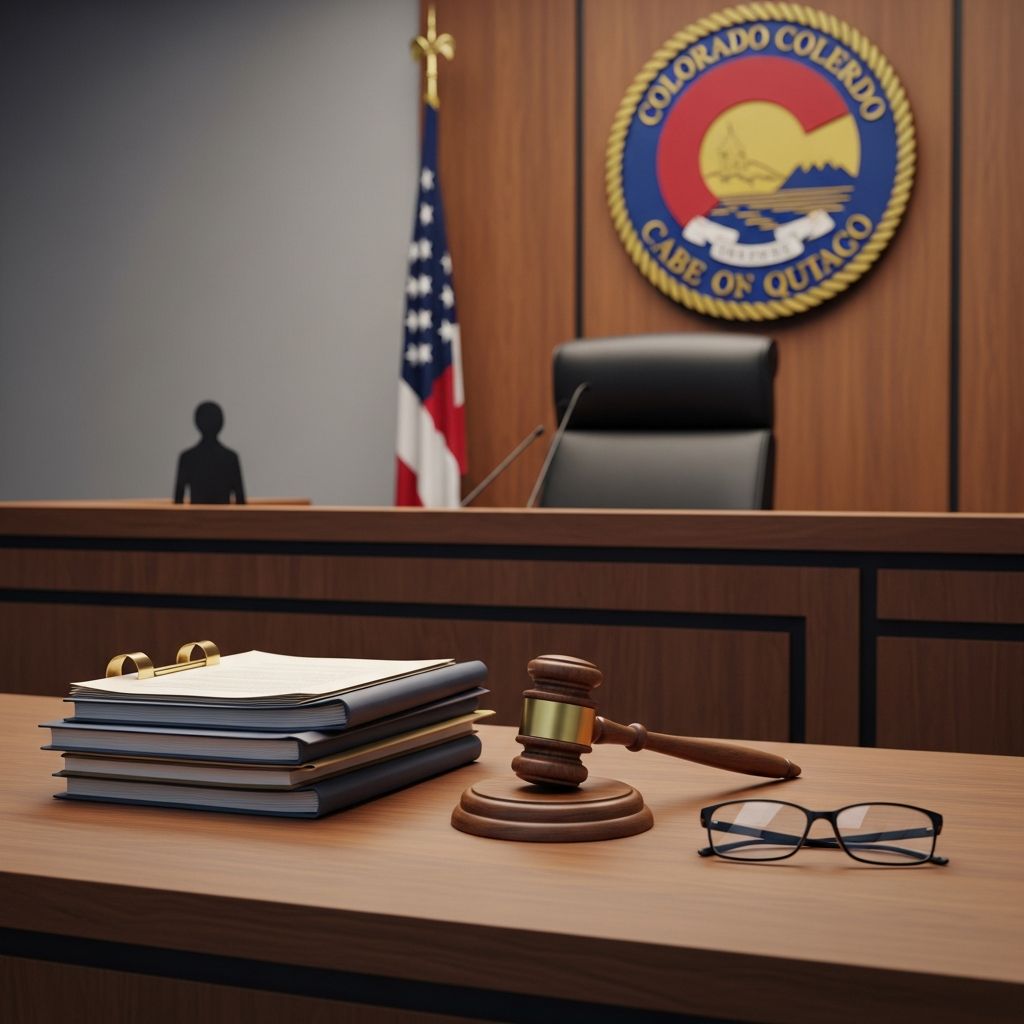
Colorado’s small claims court offers a practical way for individuals and businesses to resolve everyday disputes without the expense or complexity of higher courts. This division of the county court handles claims up to $7,500, focusing on monetary issues like unpaid bills or damaged property. Designed for self-representation, it emphasizes speed and accessibility, allowing parties to present their cases directly to a magistrate.
Understanding the Purpose and Scope
The core aim of small claims court is to provide swift justice for minor civil matters. Unlike district courts, it avoids lengthy trials and legal formalities, making it ideal for straightforward disputes. Hearings typically last under an hour, with decisions rendered on the spot or shortly after. This system empowers everyday Coloradans to seek remedies without attorneys, though legal advice is recommended for preparation.
Key limitations include no jury trials—cases are decided by magistrates unless a party requests a judge. The court excludes evictions, criminal charges, libel, slander, or traffic violations. Claims must seek money or specific performance, not complex equitable relief.
Eligibility Requirements for Filing
To file, plaintiffs must meet strict criteria. Individuals must be at least 18 or emancipated; minors require a parent or guardian. Businesses qualify if registered in Colorado. The claim amount cannot exceed $7,500, excluding interest and court costs—higher claims can be filed but capped at recovery.
Jurisdiction demands the defendant resides, works, or conducts business in Colorado. Out-of-state defendants fall outside scope. Statutes of limitations apply: typically 2-6 years depending on claim type, such as 3 years for contracts or 2 for personal injury. Missing this deadline bars the suit permanently.
- Plaintiff Age: 18+ or via guardian
- Amount: ≤ $7,500
- Jurisdiction: Defendant in CO
- Time Limit: Within statute of limitations
Common Types of Disputes Handled
Small claims excels in tangible, low-value conflicts. Frequent cases involve:
- Unpaid loans or services
- Security deposit disputes
- Property damage (e.g., car accidents under limit)
- Breach of contract (e.g., faulty repairs)
- Defective products or poor workmanship
These must prove a clear monetary loss. Complex issues like fraud or ongoing business disputes may require higher courts. For instance, a landlord withholding a $2,000 deposit fits perfectly, but title disputes do not.
Step-by-Step Filing Process
Filing begins with preparation. Identify the exact defendant details—name, address, and business info if applicable. Download Form JDF 250 (Notice, Claim, and Summons) from the Colorado Judicial Branch site.
- Complete Forms: Detail claim facts, amount, and basis.
- Pay Fees: $31-$55 based on amount (check local court).
- File: Submit to county court clerk in proper venue.
- Serve Defendant: Via sheriff, process server, or certified mail (Rule 504).
- Await Response: Defendant has 14 days to answer.
Venue rules: File where defendant lives, contract was signed, or incident occurred. Boulder County, for example, processes via its county court.
Preparing and Attending Your Hearing
Hearings occur 2-4 weeks post-filing. No formal pleadings needed—parties explain orally with evidence. Bring witnesses, photos, contracts, receipts. Dress professionally; arrive early.
Magistrates question parties directly, focusing on facts. Defendants counterclaim up to $7,500 if related. Decisions are binding unless appealed within 14 days to county court.
| Evidence Type | Tips for Success |
|---|---|
| Documents | Organize chronologically; make copies |
| Witnesses | Limit to relevant; subpoena if needed |
| Photos | Timestamped, clear quality |
| Receipts | Highlight damages/expenses |
Post-Judgment: Collecting and Appeals
Winning yields a judgment, but collection is plaintiff’s duty—no automatic garnishment. Options: wage garnishment, bank levies, or liens via sheriff. Assess collectability pre-filing—judgment-proof defendants waste time.
Appeal by filing notice within 14 days; transfers to county court for de novo review. Defendants may request stays if paying.
Defending Against a Claim
If served, respond promptly. File Answer and Counterclaim (JDF 251) detailing defenses. Common defenses: payment made, no debt owed, statute expired. Attend hearing or risk default judgment. Preparation mirrors plaintiff’s.
Local Variations Across Counties
While statewide rules apply, counties differ in fees, hours, e-filing. Denver offers online portals; rural areas require in-person. Use the Judicial Branch locator for addresses, fees. Larimer County emphasizes pro se arguments.
Frequently Asked Questions
Can businesses use small claims court?
Yes, corporations and LLCs file routinely, represented by owners or agents.
Do I need a lawyer?
No, but consult for complex cases. Pro se is standard.
What if my claim exceeds $7,500?
File in county court; recovery limited if electing small claims docket.
How long until hearing?
Typically 15-40 days post-service.
Can I appeal a loss?
Yes, within 14 days to county court.
Does small claims handle evictions?
No, use separate eviction process.
Resources and Next Steps
Access forms, instructions at coloradojudicial.gov. Review C.R.S. §§ 13-6-401 to 417 and Rules 501-521. Local clerks assist with procedures, not advice. Preparation—evidence, practice speech—boosts success rates.
Avoid pitfalls: incomplete service, missing deadlines, emotional arguments. Mediate first via community centers for amicable resolutions.
References
- Navigating Small Claims Court in Colorado | A Complete Guide — Ramos Law. 2023. https://www.ramoslaw.com/navigating-small-claims-court-in-colorado/
- Colorado Small Claims Court Overview — Nolo. 2024. https://www.nolo.com/legal-encyclopedia/colorado-county-court-small-claims-division-an-overview.html
- Small Claims Handbook: A Guide for Non-Lawyers — U.S. Air Force Academy Judge Advocate. 2015-10-30. https://www.usafa.af.mil/Portals/21/documents/Leadership/JudgeAdvocate/Small%20Claims%20Handbook.pdf?ver=2015-10-30-115235-577
- Small Claims — Rocky Mountain Victim Law Center. 2024. https://www.rmvictimlaw.org/learn/legal-information/civil/small-claims
- Small Claims – Boulder County — Colorado Judicial Branch. 2025. https://www.coloradojudicial.gov/courts/trial-courts/boulder-county/small-claims
- Opening a Case — Colorado Judicial Branch. 2025. https://www.coloradojudicial.gov/self-help/opening-case
Similar Articles








Read full bio of medha deb


