
Unlawful Confinement: The Fight Against Colorado’s Prolonged Juvenile Detention Crisis
A federal class-action lawsuit challenges Colorado's ongoing failure to release vulnerable youth to community-based care.
The Escalating Crisis in Juvenile Justice
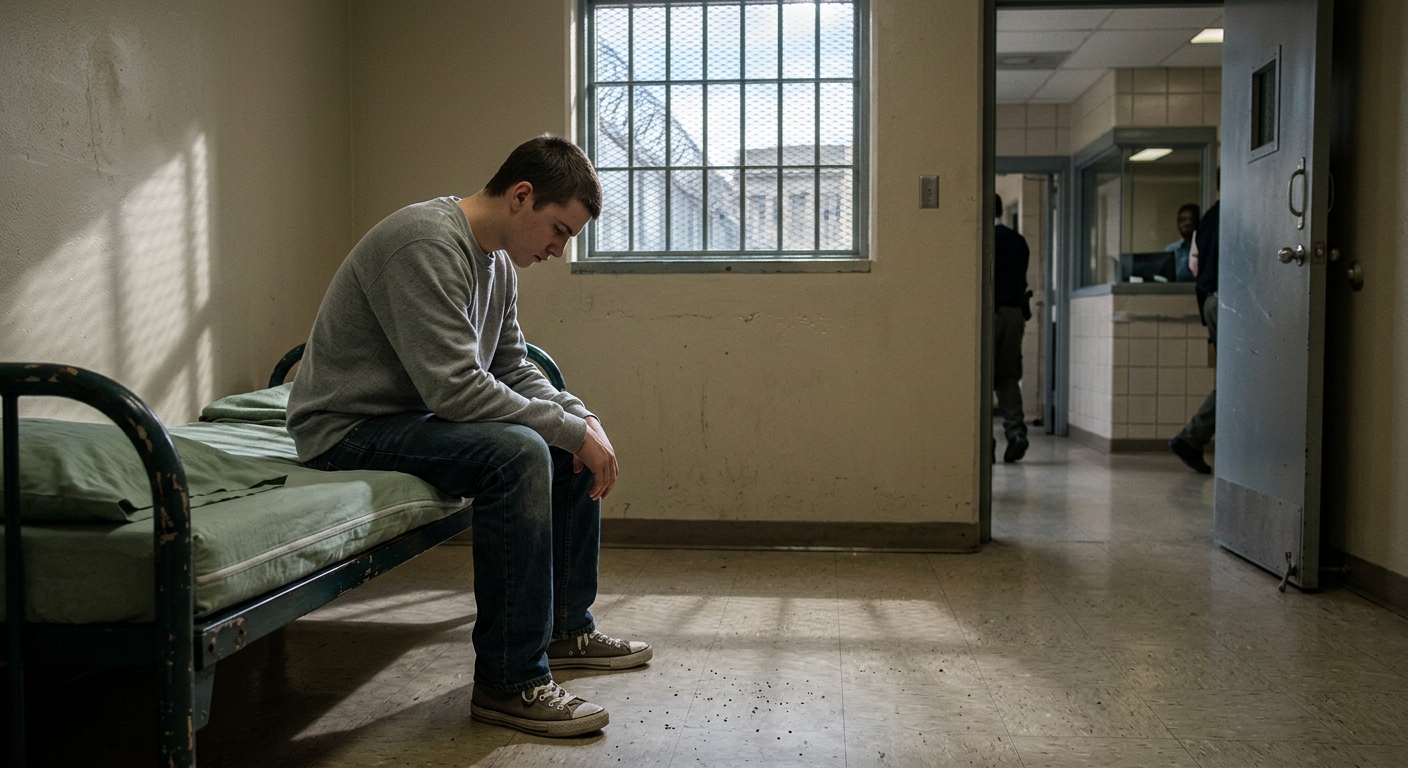
Across the United States, the fundamental objective of the juvenile justice system is supposed to be rehabilitation rather than harsh punishment. Yet, in the state of Colorado, advocates argue that an alarming systemic failure is actively harming the exact children it was designed to protect. A sweeping federal class-action lawsuit filed in March 2026 has brought intense scrutiny to the Colorado Division of Human Services (CDHS) and the state’s broader administrative practices. The core allegation is as straightforward as it is distressing: state officials are routinely and knowingly confining young people in highly restrictive, dangerous youth detention centers for weeks—or even months—after juvenile court judges have formally cleared them for release.
When a judge reviews a juvenile delinquency case and determines that a minor does not pose a threat to the public and should be transitioned to a therapeutic, community-based setting, the legal expectation is prompt release. Instead, due to severe shortages in foster care placements and an underdeveloped infrastructure for community-based therapeutic services, hundreds of young individuals find themselves trapped in institutional limbo. These are not adults awaiting trial in a county jail; these are adolescents, many of whom have cognitive disabilities, behavioral health challenges, or previous trauma stemming from their involvement in the foster care system. By keeping them locked in environments described by watchdogs as the functional equivalents of adult penitentiaries, the state is arguably triggering profound developmental damage that could follow these youths for the rest of their lives.
The Mechanics of the Administrative Logjam
The transition from a secure detention center back into society requires coordination, resources, and placement options. However, the current lawsuit alleges that Colorado’s state authorities have failed to cultivate the necessary placement networks required to facilitate this transition. Instead of expanding community-based infrastructure, the state has allowed a bottleneck to form, relying on incarceration as a default housing solution for youth who have nowhere else to go. This administrative paralysis primarily affects children who are wards of the state or those who require specialized disability accommodations that traditional foster families may not be equipped to provide.
The numbers underlying this crisis are sobering. Data highlights a persistent pattern of delayed releases that stretch well beyond acceptable or lawful administrative timeframes. When children are left to languish in confinement simply because the state cannot process a suitable placement, the justice system morphs into a warehousing operation.
Key Statistics on Detention Delays
To understand the scope of this administrative bottleneck, it is vital to review the data spanning recent fiscal years regarding youths held past their court-ordered release dates.
| Fiscal Year | Total Youth Held Past Release Order | Youth Held 30+ Days Past Order | Primary Reason for Delay |
|---|---|---|---|
| 2024-2025 | 693 | 140+ | Lack of community/foster placement |
| 2023-2024 | Approx. 650 | 120+ | Shortage of therapeutic beds |
As the table illustrates, the practice of holding youths post-adjudication or post-clearance is not an isolated error; it is a systemic habit. Every single day a child spends unnecessarily incarcerated translates to a day of lost educational opportunity, severed familial ties, and heightened exposure to institutional trauma.
Vulnerable Populations at Supreme Risk
The burden of Colorado’s inadequate community placement infrastructure does not fall equally on all youth. According to the civil rights organizations spearheading the litigation—including Disability Law Colorado, the ACLU, and Children’s Rights—the vast majority of the minors trapped in this institutional limbo belong to highly vulnerable demographics. Children with disabilities and youth already entangled in the child welfare system are drastically overrepresented in these delayed-release scenarios.
For youth with cognitive impairments, autism spectrum disorder, or severe psychiatric conditions, an institutional, locked-down environment is arguably the most detrimental setting possible. The Americans with Disabilities Act (ADA) explicitly mandates that individuals with disabilities must receive services in the most integrated, least restrictive setting appropriate to their needs. When a judge determines a child can be managed in the community, retaining them in a high-security detention center solely due to a lack of accessible therapeutic beds constitutes a direct contradiction of this federal mandate. The lawsuit heavily emphasizes this point, noting that using juvenile halls as makeshift waiting rooms for disabled youth fundamentally violates their civil rights under the ADA and the Rehabilitation Act.
Similarly, foster youth face a unique indignity. Many of these young people are detained on incredibly minor charges. When it comes time for their release, because their legal guardians are state agencies who lack available foster homes, they remain incarcerated. They are effectively punished for being orphans or victims of neglect. Rather than being protected by the state agency tasked with their well-being, they are subjected to prolonged penal confinement.
Life Inside the Carceral State: Trauma by Design
It is crucial to demystify what “juvenile detention” actually entails in this context. These are not therapeutic boarding schools or rehabilitative camps. The lawsuit, alongside numerous independent reports, paints a grim picture of the facilities operated by the Division of Youth Services (DYS). They are described as highly punitive, locked environments that function indistinguishably from adult jails.
When releasable youth are forced to remain in these facilities, they are subjected to a heavily regimented, hostile environment. The realities of daily life inside these centers include:
- Loss of Bodily Autonomy: Youth are stripped of their personal clothing and forced to wear standard-issue institutional uniforms, a practice designed to strip individuality and enforce strict compliance.
- Invasive Security Measures: Children are frequently subjected to strip searches for routine or mundane reasons, a process that can be intensely traumatizing, particularly for youth with a history of physical or sexual abuse.
- Escalating Use of Force: Reports indicate a significant spike in the use of mechanical restraints and aggressive physical takedowns by facility staff. Witnessing or experiencing this violence leaves lasting psychological scars.
- Isolation and Solitary Confinement: When youth exhibit behavioral issues—often a direct symptom of their disabilities or the stress of unlawful confinement—staff frequently utilize isolation tactics, which can exacerbate psychiatric distress and lead to severe depressive episodes or self-harm.
- Deprivation of Normalcy: Basic teenage milestones and comforts are erased. Children are denied the ability to engage in standard recreational activities, attend regular community schools, or interact freely with their peers.
The prolonged exposure to these conditions fundamentally alters an adolescent’s neurological development. A massive body of scientific literature confirms that incarcerating young people dramatically increases their likelihood of future involvement with the criminal justice system. By detaining youths who have been cleared for release, the state is effectively manufacturing recidivism.
The Constitutional and Statutory Battle
The legal framework underpinning the lawsuit against Colorado’s leadership is robust, relying on both constitutional guarantees and federal statutes. The coalition of pro bono attorneys and civil rights organizations has constructed a case that challenges the very foundation of how the state handles post-clearance detentions.
At the center of the constitutional argument is the Fourteenth Amendment’s Due Process Clause. The right to liberty is a fundamental pillar of American jurisprudence. If a judicial authority determines that the state has no legal basis to hold a minor in a secure detention facility, continuing to incarcerate that minor simply for administrative convenience or resource scarcity is a clear violation of their due process rights. The state cannot use a deprivation of liberty as a substitute for a functioning social services network.
Furthermore, the plaintiffs invoke the integration mandate of the Americans with Disabilities Act. Drawing heavily on the precedent set by the landmark Supreme Court case Olmstead v. L.C., the attorneys argue that the unjustified institutional isolation of people with disabilities constitutes discrimination. For the dozens of disabled youth locked in DYS facilities past their release dates, the state’s failure to provide community-based therapeutic environments is not just a bureaucratic failure; it is illegal discrimination under federal law.
Building a Better Framework: The Push for Community Care
The ultimate goal of this sweeping litigation is not merely to win a judgment, but to force a structural overhaul of Colorado’s juvenile care infrastructure. Advocates are demanding a legally binding mandate that requires the state to invest in and dramatically expand its network of community-based services. This means shifting funding away from carceral institutions and redirecting it toward resources that actually heal and integrate vulnerable youth.
A functional system would prioritize family-like settings, specialized foster care homes trained in trauma-informed methodologies, and robust wraparound services. Wraparound care involves creating a localized, customized support system for a youth that might include in-home counseling, psychiatric care, educational tutoring, and substance abuse treatment. Evidence overwhelmingly shows that youth integrated into their communities with robust support networks have vastly superior outcomes compared to those subjected to the punitive isolation of secure detention.
The lawsuit represents a critical turning point. It forces the public and lawmakers to confront the stark reality that handcuffs and locked cells cannot cure the trauma of the foster care system, nor can they treat cognitive disabilities. The fight against unlawful confinement in Colorado is a fight for the fundamental dignity of children who have been repeatedly failed by the systems sworn to protect them.
Frequently Asked Questions (FAQs)
Why are children being held in detention centers after judges order their release?
Children are being held primarily because the state lacks adequate community-based placements, such as therapeutic foster homes or specialized care facilities. Without a safe place to send them, state agencies default to keeping them incarcerated, even though it violates court orders.
Who is disproportionately affected by these delayed releases?
Youth with disabilities and children who are already in the foster care system make up the majority of those affected. These groups often require specialized, integrated care that the state has failed to adequately fund or develop.
How does the Americans with Disabilities Act (ADA) relate to this lawsuit?
The ADA mandates that individuals with disabilities must receive care in the least restrictive, most integrated setting possible. By keeping disabled youth in highly restrictive, jail-like detention centers instead of community programs, the state is allegedly violating this federal civil rights law.
What conditions do these youths face while unlawfully detained?
Advocates and independent reports describe the facilities as punitive and dangerous. Youths face strip searches, mechanical and physical restraints, isolation, and an environment that is functionally equivalent to an adult prison, leading to severe psychological harm.
References
- Colorado Confines Hundreds of Children in Dangerous Detention Facilities Instead of Providing Legally Required Community Services, Lawsuit Alleges — American Civil Liberties Union (ACLU). 2026-03-19. https://www.aclu.org/press-releases/colorado-confines-hundreds-of-children-in-dangerous-detention-facilities-instead-of-providing-legally-required-community-services-lawsuit-alleges
- Doe, et al. v. Polis, et al. — ACLU of Colorado. 2026-03-18. https://www.aclu-co.org/en/cases/doe-et-al-v-polis-et-al
- ‘Releasable youths’ sue Colorado for a path to pretrial freedom — Courthouse News Service. 2026-03-19. https://www.courthousenews.com/releasable-youths-sue-colorado-for-a-path-to-pretrial-freedom/
- Isaac N. v. Polis — Children’s Rights. 2026-03-18. https://www.childrensrights.org/class_action/isaac-n-v-polis/
Similar Articles








Read full bio of Sneha Tete




