
Pursuing Claims for Road Irregularity Crashes
Learn when and how to hold entities accountable for accidents triggered by uneven roads, potholes, and speed bumps.
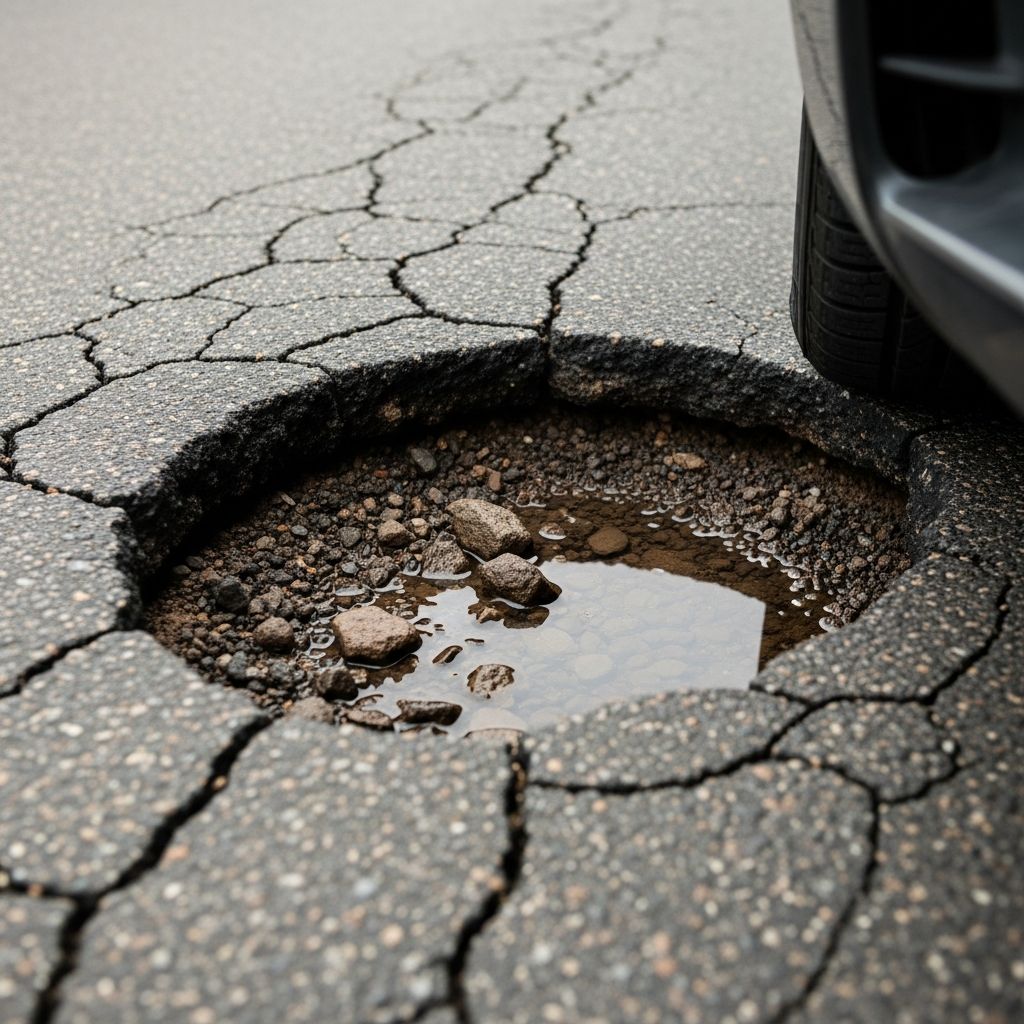
Road irregularities like unexpected bumps, potholes, and poorly marked speed bumps can lead to serious vehicle damage or injuries. Drivers and passengers may seek compensation by proving negligence from responsible parties, often local governments or property owners.
Common Road Features That Trigger Incidents
Many roadways contain intentional or unintentional features that pose risks if not managed properly. Potholes form from weathering and traffic wear, creating craters that burst tires or cause drivers to swerve. Speed bumps, designed to slow traffic, become hazardous without warning signs, proper height limits, or lighting, especially at night. Uneven pavement, cracks, and ruts from poor maintenance exacerbate dangers for all vehicles, including motorcycles and bicycles.
These issues often result from delayed repairs or flawed initial designs. For instance, overgrown vegetation blocking views or faded signage can hide bumps, turning routine drives into emergencies. Motorists must demonstrate that the entity responsible failed in its duty to keep roads safe.
Determining Who Bears Responsibility
Liability depends on ownership and maintenance duties. Public roads fall under city, county, or state departments of transportation, which must address known hazards promptly. Private roads, such as those in parking lots or gated communities, implicate property owners or HOAs. In speed bump cases, the installing entity—often a municipality or business—must ensure compliance with safety standards.
Government bodies enjoy partial immunity but can be sued if they had prior notice of the defect and neglected fixes. Drivers hitting bumps might also face scrutiny if speeding or distracted, invoking comparative negligence rules where fault percentages reduce awards.
Essential Evidence to Build a Strong Case
Gathering proof immediately after an incident is critical, as conditions change quickly. Key items include:
- Photographs of the bump, pothole, or defect from multiple angles, including vehicle damage and surroundings.
- Police or incident reports documenting the scene and officer observations.
- Witness contacts and statements describing visibility and prior complaints about the road.
- Maintenance records obtained via public records requests, showing ignored repair requests.
- Medical records linking injuries to the impact, plus repair estimates for property losses.
Video footage from dashcams or nearby surveillance strengthens claims by timestamping the event. Experts like accident reconstructionists can testify on how the irregularity caused the loss of control.
Navigating Claims Against Governmental Entities
Suing public bodies requires strict adherence to procedures. Most states mandate a formal notice of claim within days or months of the incident, detailing the date, location, defect description, and damages sought. Submit to the city clerk or risk management office; missing deadlines bars lawsuits.
After notice, governments have time to investigate and possibly settle. If denied, proceed to court, but sovereign immunity caps may limit recoveries—e.g., $200,000 per person in some jurisdictions. Prove actual or constructive notice: the entity knew or should have known via prior reports.
Types of Recoverable Compensation
Victims can pursue broad damages categories, even without physical injuries if property suffers. Compensation includes:
- Medical expenses: Bills for treatment, therapy, and future care.
- Lost income: Wages missed due to recovery or disability.
- Property damage: Vehicle repairs or totals, rental costs.
- Pain and suffering: Quantified emotional and physical distress.
- Punitive damages: Rare, for egregious neglect.
| Damage Type | Examples | Typical Proof |
|---|---|---|
| Economic | Medical bills, lost wages, repairs | Receipts, pay stubs, estimates |
| Non-Economic | Pain, emotional distress | Medical notes, journals |
| Property | Car damage, towing | Photos, mechanic reports |
Claims proceed via insurance first, then lawsuits if inadequate.
Legal Hurdles and Defense Arguments
Defendants often argue victim fault, like excessive speed over bumps or failure to brake. Comparative negligence in many states reduces payouts proportionally—if 30% at fault, recover 70%. Statutes of limitations, typically 1-3 years, demand prompt action.
Governments cite discretionary functions immunity for design choices, though maintenance failures rarely qualify. Weather-related temporary defects may excuse liability if addressed reasonably.
Steps to Take Immediately After a Crash
- Ensure safety and call emergency services if injured.
- Document the scene thoroughly before moving vehicles.
- Seek medical evaluation, even for minor symptoms.
- File police report emphasizing the road feature.
- Contact a personal injury attorney for claim evaluation—no upfront fees in contingency cases.
Avoid insurer statements without counsel, as they seek to minimize payouts.
Case Examples and Precedents
Courts have awarded damages where cities ignored repeated pothole complaints, leading to tire failures and rollovers. In speed bump litigation, improper heights exceeding standards (e.g., over 4 inches) or absent signage proved negligence. Successful plaintiffs presented FOIA-obtained emails showing delay despite knowledge.
Conversely, claims fail without notice proof or when drivers ignored warnings. These outcomes underscore evidence’s role.
Frequently Asked Questions
Can I recover if unharmed but my car is damaged?
Yes, pursue property damage claims proving the other party’s fault caused it, via insurance or suit.
How soon must I notify a city of a pothole crash?
Typically 30-180 days; check state laws to avoid claim denial.
Does speed affect my road defect claim?
Yes, excessive speed may invoke comparative fault, reducing compensation.
Are punitive damages available against governments?
Rarely, due to caps and immunity; focus on compensatory awards.
Should I hire a lawyer for these claims?
Essential for government procedures and maximizing recovery.
Preventing Future Road Hazards
Drivers should report defects via apps or hotlines. Governments prioritize based on complaints. Advocacy for better funding improves maintenance. Regular vehicle checks help mitigate risks.
References
- Can I Sue for a Car Accident If I’m Not Hurt? — Morris Bart LLC. 2023. https://www.morrisbart.com/faqs/can-you-sue-for-a-car-accident-if-you-are-not-hurt/
- Claim Damages For Atlanta Defective Road Accident Injury? — CEO Lawyer. 2024. https://ceolawyer.com/faq/georgia-law/car-accident/can-you-claim-damages-for-injuries-in-a-defective-road-accident-in-atlanta/
- Georgia Rear-End Collisions: Liability and Legal Remedies — Keenan Law Firm. 2024-01-15. https://www.keenanlawfirm.com/georgia-rear-end-collisions-liability-and-legal-remedies/
- Injuries from Potholes or Road Defects — Black Rock Trial Lawyers. 2023. https://www.blackrocklaw.com/injuries-from-potholes-or-road-defects/
- Speed Bump Accidents Caused by Improper Installation — For Your Rights. 2024. https://foryourrights.com/blog/speed-bump-accidents/
- Can I Sue a City for Bad Roads? — Paul Previte Law. 2023-11-20. https://helpmepaul.com/personal-injury-claims/can-i-sue-a-city-for-bad-roads/
Similar Articles








Read full bio of Sneha Tete


