
Chinese Drywall: Health Risks and Property Damage
Understanding contaminated drywall: health impacts, structural damage, and homeowner remedies.
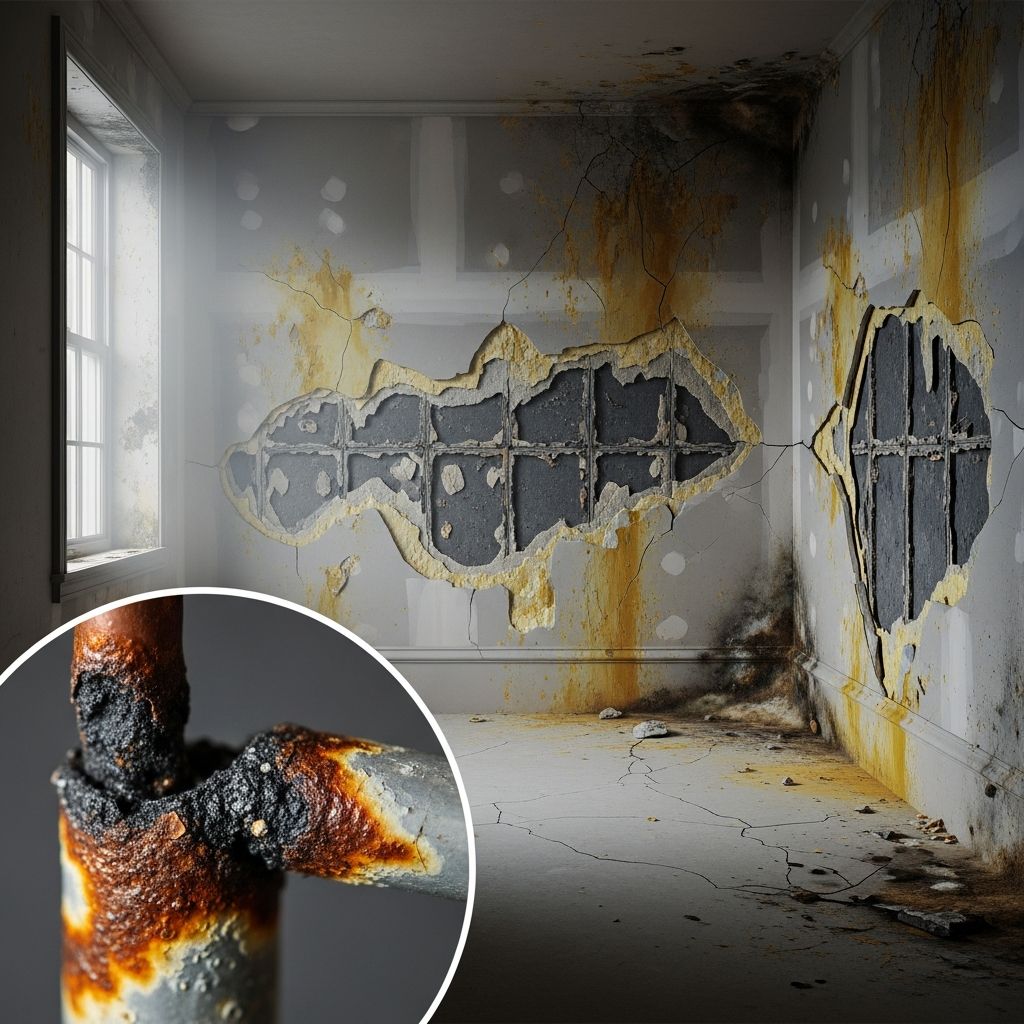
Beginning in 2008 and continuing through 2009, homeowners across the United States, particularly in Florida and other southeastern states, began experiencing unusual problems in their residences. Foul odors resembling rotten eggs permeated living spaces, while household appliances malfunctioned inexplicably and metal surfaces corroded without explanation. These troubling phenomena traced back to a single source: defective drywall imported from China during the housing boom that preceded the financial crisis. What initially appeared to be isolated complaints gradually revealed itself as a widespread public health and property damage crisis affecting thousands of American households.
The Origins and Discovery of Contaminated Drywall
The contaminated drywall crisis emerged during a period of rapid American home construction and renovation. Manufacturing capacity constraints in the United States, combined with competitive pricing, led builders and contractors to source substantial quantities of drywall from Chinese manufacturers. This imported material was used extensively in residential construction projects throughout the country, particularly in states like Florida where hurricane damage and new construction activity created enormous demand for building materials.
Initial complaints focused on unusual odors, prompting inspectors and researchers to investigate the source. Laboratory analysis identified the problematic drywall as originating from Chinese production facilities. Subsequent testing revealed that contaminated samples contained elevated levels of volatile chemical compounds and sulfurous gases that were absent or present in negligible amounts in domestically manufactured drywall.
Chemical Composition and Off-Gassing Problems
Scientific investigation into contaminated drywall samples revealed the presence of multiple harmful chemical compounds. The primary culprits included carbon disulfide, carbonyl sulfide, and hydrogen sulfide gases that continuously released into indoor air. These emissions intensify when exposed to elevated temperatures and humidity levels, creating seasonal variations in odor intensity and symptom severity.
The source of these emissions appears related to elevated pyrite content in Chinese-manufactured drywall compared to American-made products. Pyrite oxidation in the presence of moisture and heat generates sulfur compounds. Additionally, research identified the bacterium Acidithiobacillus ferrooxidans in contaminated samples, which through disproportionation of elemental sulfur produces hydrogen sulfide and sulfuric acid. One hundred percent of affected drywall samples from southeastern homes tested positive for this bacterium, while non-contaminated drywall contained only minimal levels.
Recognizing Contaminated Drywall in Your Home
Homeowners can identify potential contamination through several observable signs that warrant professional inspection:
- Persistent rotten egg odors throughout the residence that worsen in warm, humid conditions
- Blackening or discoloration of metallic items, including silverware, jewelry, and visible metal components
- Corrosion or browning of copper-based materials and electrical fixtures
- Unexplained failures of HVAC systems and other electrical appliances
- Rusted or deteriorated door hinges and other metal hardware
- Malfunctioning smoke detectors triggering without apparent cause
A critical diagnostic indicator involves symptom patterns: if residents experience health problems while at home that improve or disappear when away from the property, contaminated drywall may be responsible.
Health Effects Associated with Exposure
The health consequences of living in homes with contaminated drywall range from minor irritation to serious respiratory complications. The most frequently reported symptoms include respiratory problems, sensory irritation, and neurological effects.
Acute and Short-Term Exposure Effects
Short-term exposure to sulfur gas emissions, occurring over periods of hours, typically produces temporary symptoms including sore throat, eye irritation, persistent cough, shortness of breath, chest pain, and nausea. These acute reactions often resolve once the individual leaves the contaminated environment.
Chronic Long-Term Health Consequences
Prolonged exposure to low-level sulfur gas concentrations may result in more persistent health effects. Research suggests chronic exposure over weeks or extended periods can contribute to fatigue, insomnia, appetite loss, dizziness, irritability, recurring headaches, and cognitive difficulties including memory impairment.
Commonly Reported Symptoms
The Centers for Disease Control and the Consumer Product Safety Commission have documented specific health effects reported by affected households:
- Irritated and itchy eyes and skin
- Respiratory difficulty and labored breathing
- Persistent or chronic cough
- Nosebleeds and runny nose conditions
- Recurrent headaches and migraines
- Sinus infections and sinusitis
- Asthma attacks and exacerbation of pre-existing asthma
- Kidney and liver dysfunction
- Unexplained rashes and skin reactions
- General fatigue and malaise
- Eye irritation and excessive tearing
In severe documented cases, individuals have experienced strokes and other serious neurological events, though direct causation remains an area requiring further research.
Property and System Damage
Beyond health concerns, contaminated drywall causes extensive physical damage to home systems and structural components. The corrosive sulfurous gases attack copper-based materials throughout residential infrastructure.
Electrical System Damage
Copper electrical wiring becomes charred and corroded, leading to system failures and permanent damage to connected appliances. Homeowners report that refrigerators, televisions, dishwashers, video gaming systems, and other electronics experience intermittent malfunctions or complete failure.
HVAC System Deterioration
Heating, ventilation, and air conditioning systems suffer particularly severe damage. Copper coils corrode rapidly, reducing system efficiency and eventually causing complete mechanical failure.
Plumbing Infrastructure Compromise
Copper pipework experiences accelerated corrosion, potentially leading to leaks and system failures that require expensive replacement.
Additional Structural Consequences
Metal components throughout the home deteriorate prematurely, including door hinges, window hardware, and other fixtures. The contamination significantly reduces property values, creating financial hardship for affected homeowners who attempt to sell.
Radioactivity Concerns and Safety Data
Early investigations raised concerns about whether contaminated drywall contained phosphogypsum, a radioactive material formed during phosphate ore processing that has been banned for construction use in the United States since 1989. Phosphogypsum contains naturally occurring uranium and radium that pose theoretical health risks.
However, subsequent testing by the Environmental Protection Agency and the Florida Department of Health determined that radioactivity levels in contaminated drywall samples did not exceed naturally occurring background radiation levels found in typical environments. This finding reduced concerns about radiological hazards as a primary health risk factor.
Official Findings and Regulatory Response
In November 2009, the Consumer Product Safety Commission released findings from a comprehensive indoor air quality study conducted in collaboration with the Centers for Disease Control. The research compared 41 homes containing complaint drywall in five states against 10 control homes constructed during similar timeframes. Results demonstrated a strong statistical association between imported contaminated drywall and elevated hydrogen sulfide gas levels coupled with visible metal corrosion.
The Virginia Department of Health and other state health agencies acknowledge that gases emitted from Chinese drywall produce rotten egg odors and may irritate sensitive individuals, though they note that current available data does not definitively establish immediate chronic health problems.
Steps for Concerned Homeowners
Professional Assessment
Homeowners experiencing suspicious odors or symptoms should contact licensed home inspectors capable of identifying contaminated drywall. Professional assessment helps confirm whether imported drywall is present and whether remediation is necessary.
Medical Consultation
Individuals experiencing symptoms consistent with drywall exposure should consult physicians for proper medical evaluation. Healthcare providers can determine whether symptoms correlate with environmental exposure and recommend appropriate treatment.
Utility and Safety Inspections
If electrical or gas safety concerns emerge, homeowners should contact local utility providers and hire licensed electricians or building inspectors to evaluate potential hazards.
Testing Recommendations
Indoor air quality testing can provide objective data regarding the presence and concentration of harmful gases, helping homeowners make informed decisions about remediation needs.
Frequently Asked Questions
Q: How can I determine if my home contains Chinese drywall?
A: Visual indicators include rotten egg odors, blackened or corroded metal surfaces, unexplained appliance failures, and malfunctioning HVAC systems. However, definitive identification requires professional inspection and laboratory analysis of drywall samples. Licensed home inspectors can assess your property and determine whether imported contaminated drywall is present.
Q: What are the most common health symptoms from contaminated drywall?
A: The most frequently reported effects include respiratory irritation, difficulty breathing, persistent cough, nosebleeds, runny nose, recurrent headaches, sinus infections, and asthma attacks. Many residents notice that symptoms improve or disappear when they leave their homes and return upon re-entry, suggesting the indoor environment is the causative factor.
Q: Is the radioactivity in contaminated drywall dangerous?
A: Testing by the EPA and state health departments found that radioactivity levels in contaminated drywall samples were no higher than naturally occurring background radiation. Radioactivity is not considered a primary health concern related to this contamination.
Q: What electrical appliances are most vulnerable to damage?
A: Appliances containing copper components are most affected, including air conditioning systems, refrigerators, televisions, dishwashers, electrical wiring systems, and HVAC equipment. The corrosive sulfurous gases attack copper coils and wiring, causing system failures and permanent damage.
Q: What should I do if I suspect my home is affected?
A: Contact a licensed home inspector for professional assessment and possible drywall sampling. If you experience health symptoms, consult your physician. For electrical or safety concerns, contact your local utility provider and hire a licensed electrician. Consider indoor air quality testing to objectively measure gas concentrations.
Q: Can contaminated drywall be repaired or must it be replaced?
A: Affected drywall typically requires complete removal and replacement with domestically manufactured, non-contaminated material. Simply addressing surface symptoms does not resolve the underlying chemical off-gassing problem, which originates from the drywall material itself.
Conclusion and Key Takeaways
Chinese drywall contamination represents a significant public health and property protection concern that affected thousands of American homeowners. The defective material emits harmful sulfurous gases that cause both acute health symptoms and potentially chronic health effects, while simultaneously causing extensive damage to electrical, HVAC, and plumbing systems. Homeowners who suspect contamination should seek professional inspection, medical evaluation if experiencing symptoms, and expert guidance regarding remediation options. Early identification and appropriate action help protect both health and property value.
References
- The Problems Associated With Chinese Drywall — Lieser Skaff. Accessed January 17, 2026. https://lieserskaff.com/the-problems-associated-with-chinese-drywall/
- Dangers of Chinese Drywall in Your Home — A Handy Home Inspectors. Accessed January 17, 2026. https://www.ahandyhi.com/dangers-of-chinese-drywall-in-your-home/
- Ask NCHH About Chinese Drywall — National Center for Healthy Housing. Accessed January 17, 2026. https://nchh.org/information-and-evidence/learn-about-healthy-housing/ask-nchh/about-chinese-drywall/
- Chinese drywall — Wikipedia. Accessed January 17, 2026. https://en.wikipedia.org/wiki/Chinese_drywall
- Chinese Drywall & Invisible Home Hazards: Pro Home Inspector Q&A — My Mortgage Insider. Accessed January 17, 2026. https://mymortgageinsider.com/chinese-drywall-invisible-home-hazards-pro-home-inspector-qa/
- Drywall Imported from China — Virginia Department of Health. Accessed January 17, 2026. https://www.vdh.virginia.gov/environmental-health/public-health-toxicology/chinese-drywall/
- Health Effects Chinese Drywall — Boston Children’s Hospital Pediatric Environmental Health Center. Accessed January 17, 2026. https://www.childrenshospital.org/services/pediatric-environmental-health-center/patient-resources/health-effects-chinese-drywall
Similar Articles








Read full bio of medha deb


