
Defending the Indefensible: CBP and Migrant Abuse
Analyzing the defensive tactics of border agencies against human rights reports.
Introduction
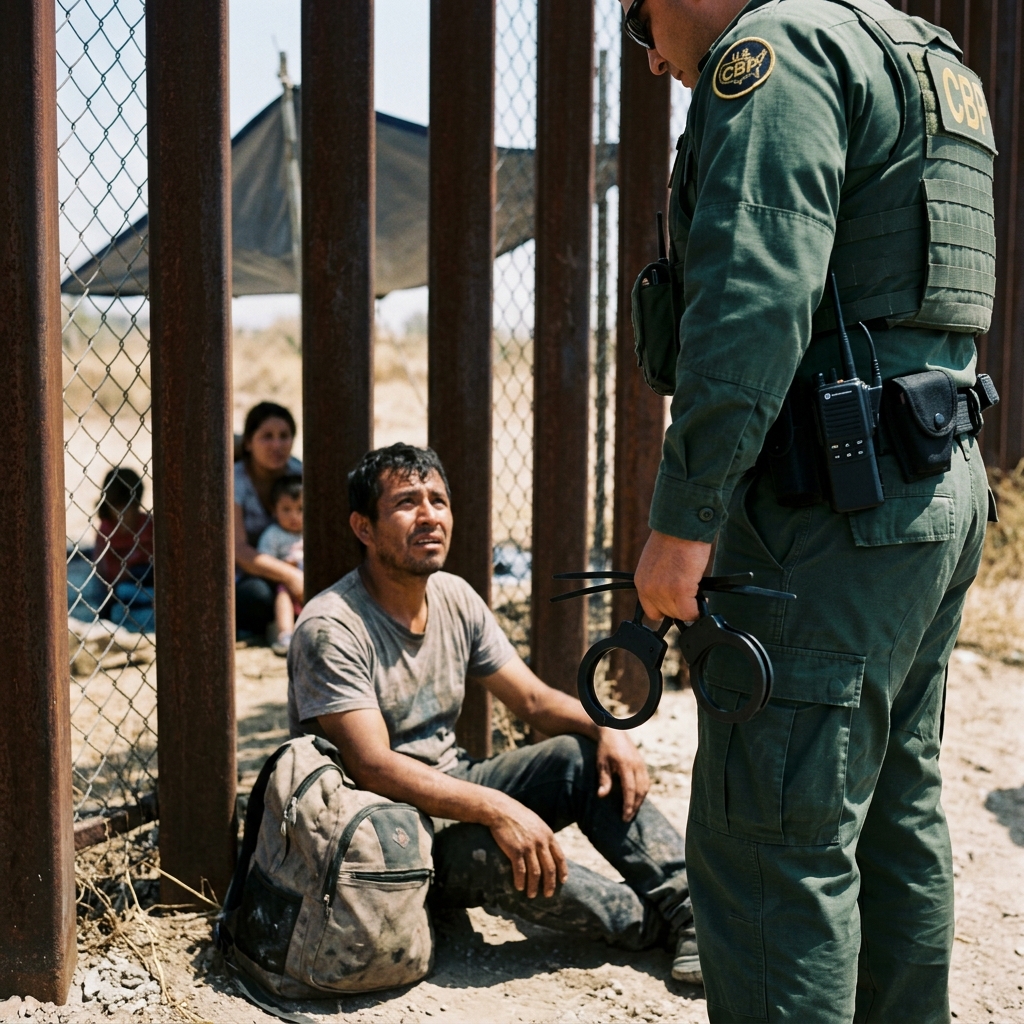
The border between the United States and Mexico is not just a geographic boundary; it is a highly militarized zone where fundamental human rights and national security policies frequently collide. For years, independent human rights organizations, legal advocates, and grassroots watchdogs have meticulously documented widespread allegations of mistreatment, excessive force, and negligence by United States Customs and Border Protection (CBP) personnel against migrants and asylum seekers. When confronted with these comprehensive reports, the agency’s default response often involves attempting to discredit the researchers, downplay the severity of the allegations, or dismiss the findings as isolated incidents.
However, a closer examination of government data and internal watchdogs reveals that these defensive tactics fail to obscure the systemic nature of the issues at hand. The consistent documentation of physical abuse, verbal degradation, and denial of basic medical care paints a starkly different picture than the official narrative of absolute professionalism and compliance promoted by the agency. This article delves into the mechanisms of abuse at the border, the agency’s predictable defensive posture, and the structural flaws in accountability that allow such impunity to persist.
The Anatomy of the Documented Abuses
To understand why the agency’s attempts to discredit external reports fail, one must first examine the sheer volume and consistency of the documented abuses. These are not anomalous events perpetrated by a few rogue agents; rather, they form a discernible pattern of behavior that has been corroborated across multiple administrations and by numerous independent investigations.
Physical Force and Coercion
Reports frequently detail the use of unwarranted physical force against migrants, including those who are already in custody and pose no credible threat. This includes instances of slamming individuals against vehicles, the deployment of stress positions, and the inappropriate use of less-lethal weapons. Official statistics published by CBP regarding use-of-force incidents often reflect hundreds of altercations annually, yet advocates argue that these numbers are artificially deflated due to stringent internal definitions and a culture of underreporting . When migrants attempt to report these physical transgressions, they are often met with bureaucratic roadblocks or outright intimidation.
Inhumane Detention Conditions
Another deeply troubling facet of the allegations centers on the conditions within short-term holding facilities, colloquially known by migrants as “hieleras” or iceboxes. These holding centers are notorious for their freezing temperatures, extreme overcrowding, and lack of basic hygiene facilities. Migrants, including young children and pregnant women, have reported being forced to sleep on concrete floors with nothing but mylar blankets for warmth. The Department of Homeland Security (DHS) Office of Inspector General (OIG) has repeatedly issued warnings about operational conditions at the Southwest border, highlighting severe overcrowding and prolonged detention times that violate the agency’s own operational guidelines .
Denial of Essential Medical Care
Perhaps the most heavily scrutinized area of CBP’s operational conduct is its provision—or lack thereof—of medical care. Migrants often arrive at the border having survived harrowing journeys, suffering from dehydration, exposure, or pre-existing medical conditions. Independent reports have documented numerous instances where pleas for medical assistance were ignored or fatally delayed. The U.S. Government Accountability Office (GAO) recently underscored these systemic failures in a 2026 report, indicating that CBP severely lacks adequate oversight of medical care for individuals in custody, failing to properly enforce its own medical standards or monitor the contractors hired to provide health screenings .
The Agency’s Defensive Posture
Faced with mounting evidence from both non-governmental organizations and federal watchdogs, CBP has historically adopted a highly defensive posture. Instead of utilizing independent reports as a roadmap for constructive reform, the agency frequently engages in public relations strategies designed to undermine the credibility of its critics.
Dismissing Systemic Patterns as Anecdotal
A primary tactic utilized by the agency is the characterization of abuse allegations as purely anecdotal. By framing the documented incidents as isolated deviations from standard protocol, CBP attempts to shield its broader organizational culture from scrutiny. When independent researchers compile hundreds of testimonies detailing identical patterns of mistreatment across different border sectors, the agency often responds by citing the millions of encounters it processes annually, arguing that the percentage of complaints is statistically negligible. This mathematical deflection ignores the profound chilling effect that the threat of deportation has on a migrant’s willingness to file a formal complaint.
Attacking Methodological Rigor
Furthermore, the agency frequently attacks the methodology of human rights reports. CBP officials have been known to argue that NGOs lack operational context, do not understand the volatile realities of border enforcement, and rely on unverified claims from individuals who have a vested interest in circumventing immigration laws. By shifting the focus onto the perceived biases of the researchers or the legal status of the victims, the agency successfully distracts public attention away from the substantive evidence of civil rights violations.
The Disconnect Between Policy and Practice
The agency’s defensive strategy also relies heavily on citing its written policies. Officials routinely point to comprehensive handbooks on use of force, medical care protocols, and detention standards as proof that human rights are safeguarded. However, the mere existence of a policy is entirely divorced from its practical implementation. As noted by the GAO in its 2025 assessment of facility inspection programs, the entities responsible for overseeing immigration detention frequently lack clear performance goals and measures, making it nearly impossible to determine whether the facilities are genuinely safe, secure, and humane in practice .
Systemic Flaws in Oversight and Accountability
The failure of CBP to successfully discredit reports of abuse is largely due to the fact that internal government watchdogs frequently arrive at the same alarming conclusions as independent human rights organizations. However, identifying a problem is vastly different from rectifying it. The Department of Homeland Security’s accountability mechanisms are notoriously fragmented, under-resourced, and structurally flawed.
The Illusion of Internal Investigations
For years, the investigation of critical incidents involving border agents was often handled by internal entities that were heavily criticized for a lack of transparency. While some of the more controversial internal critical incident units have been disbanded or reformed, the underlying culture of self-preservation remains deeply entrenched. The Office of Professional Responsibility (OPR), which is tasked with investigating employee misconduct, often suffers from severe backlogs and a lack of transparency, leaving victims of abuse without timely or effective redress.
Fragmented Departmental Oversight
The broader DHS accountability ecosystem is characterized by a confusing overlap of jurisdictions. A migrant attempting to report an abuse may theoretically submit a complaint to the DHS Office of Civil Rights and Civil Liberties (CRCL), the DHS Office of Inspector General (OIG), or the CBP Joint Intake Center. This labyrinthine process frequently results in complaints being continuously forwarded between offices without any substantive investigation ever taking place. The GAO has explicitly highlighted this lack of cohesion, noting that multiple entities conduct inspections with varying focuses and methodologies, often leading to inconsistent enforcement of standards and a failure to address systemic deficiencies .
Lack of Meaningful Disciplinary Action
Even in the rare instances where an investigation substantiates an allegation of abuse, the resulting disciplinary action is often entirely disproportionate to the severity of the offense. Agents found to have engaged in verbal abuse, excessive use of force, or dangerous vehicular pursuits frequently receive mere reprimands or brief suspensions, rather than termination or criminal prosecution. This lack of meaningful consequences reinforces a culture of impunity, sending a clear message to both agents and migrants that the agency operates above the law.
The Human Impact: The Cost of Impunity
Behind the bureaucratic terminology, statistical analyses, and political maneuvering lies an immense human toll. The agency’s ongoing failure to hold its personnel accountable has profound and enduring consequences for the individuals and families who endure the abuses.
Psychological Trauma and Retraumatization
For many migrants, the journey to the United States border is already fraught with violence, extortion, and severe hardship. To finally reach the border and seek asylum, only to be subjected to physical violence, racial slurs, and dehumanizing treatment by the authorities, results in profound retraumatization. The psychological scars of being held in freezing, overcrowded cells or being denied medical attention for a sick child can last a lifetime, severely impacting a migrant’s ability to integrate and thrive even if they are eventually granted refuge.
The Erosion of Public Trust
The systemic nature of the abuses and the agency’s reflexive defensiveness also cause irreparable damage to public trust. When a law enforcement agency is repeatedly found to be violating the civil rights of vulnerable populations without facing substantive consequences, it undermines the foundational principles of justice and democratic oversight. It signals to the broader public that certain agencies are permitted to operate in a permanent state of exception, shielded from the transparency and accountability demanded of other public servants.
Moving Toward Genuine Reform
Discrediting independent reports will not resolve the structural crisis at the border. If the Department of Homeland Security and Customs and Border Protection are serious about upholding the law and protecting human life, they must abandon their defensive posture and embrace comprehensive, externally mandated reforms.
Empowering Independent Oversight
The most critical step toward meaningful reform is the establishment of robust, fully independent oversight mechanisms. Internal watchdogs, while valuable, have proven insufficient in dismantling the entrenched culture of impunity. Advocates are increasingly calling for the creation of an external oversight board with binding subpoena power, unannounced and unrestricted access to all border enforcement facilities, and the authority to mandate disciplinary action against personnel found to have committed abuses.
Legislative Mandates and Transparency
Congress must also take decisive action to codify accountability requirements into law. This includes passing legislation that clearly defines and restricts the use of force, mandates the consistent and unalterable use of body-worn cameras by all agents interacting with the public, and establishes strict, enforceable standards for medical care and short-term detention conditions. Furthermore, all data regarding complaints, use-of-force incidents, and disciplinary outcomes must be made readily accessible to the public in a standardized format, removing the agency’s ability to obscure its operational realities.
Conclusion
When human rights organizations publish meticulously researched reports detailing widespread abuses at the border, CBP’s failure to discredit these findings is not due to a lack of public relations effort. It fails because the evidence of systemic mistreatment is overwhelming, corroborated by victims, legal advocates, and the government’s own internal auditors. The agency’s ongoing reliance on defensive deflections, attacks on methodology, and statistical dismissals only serves to highlight its profound resistance to transparency. True security cannot be achieved through the systemic violation of human rights. Until there is a fundamental restructuring of oversight and a genuine commitment to accountability, the cycle of abuse and denial will continue to exact a devastating toll on those seeking refuge at the borders.
Frequently Asked Questions (FAQs)
- What are the primary allegations made against border enforcement personnel?
The most common allegations documented by human rights organizations and government watchdogs include the use of excessive physical force, verbal and psychological abuse, holding migrants in overcrowded and freezing conditions, and the fatal denial or delay of essential medical care. - How does the agency typically respond to these reports?
Customs and Border Protection frequently attempts to discredit the reports by dismissing the documented abuses as isolated, anecdotal incidents. The agency also frequently attacks the methodology of the researchers, cites its written policies as evidence of compliance, and claims that critics lack an understanding of the operational realities of border security. - What role do government watchdogs play in this context?
Entities like the Government Accountability Office (GAO) and the Department of Homeland Security Office of Inspector General (OIG) conduct audits and inspections of border operations. Their reports frequently corroborate the findings of independent human rights groups, highlighting systemic failures in medical care, facility conditions, and internal accountability mechanisms. - Why is internal accountability considered inadequate?
Internal oversight mechanisms are often criticized for being fragmented, under-resourced, and deeply entrenched in a culture of self-preservation. Complaints are frequently shuffled between different overlapping departments without substantive investigation, and disciplinary actions, when they do occur, are rarely proportionate to the severity of the offense. - What reforms are being proposed to address these issues?
Advocates and lawmakers are calling for the establishment of fully independent oversight boards with subpoena power, stricter legislative mandates on the use of force and medical care standards, mandatory body-worn cameras, and comprehensive public transparency regarding complaint and disciplinary data.
References
- Southwest Border: CBP Should Improve Oversight of Medical Care for Individuals in Custody — U.S. Government Accountability Office (GAO). 2026-01-14. https://www.gao.gov/products/gao-26-108767
- Immigration Detention: DHS Should Define Goals and Measures to Assess Facility Inspection Programs — U.S. Government Accountability Office (GAO). 2025-05-21. https://www.gao.gov/products/gao-25-107346
- Summary of Previously Issued Recommendations and Other Insights to Improve Operational Conditions at the Southwest Border — Department of Homeland Security Office of Inspector General (DHS OIG). 2024-01-09. https://www.oig.dhs.gov/sites/default/files/assets/2024-01/OIG-24-10-Jan24.pdf
- Assault and Use of Force Statistics — U.S. Customs and Border Protection. 2026-05-15. https://www.cbp.gov/newsroom/stats/assaults-and-use-force
Similar Articles








Read full bio of Sneha Tete


