
When a Cat Is on Your Property: What the Law Really Allows
Understand when, if ever, you can lawfully harm a cat on your property and what safer, legal alternatives you have.
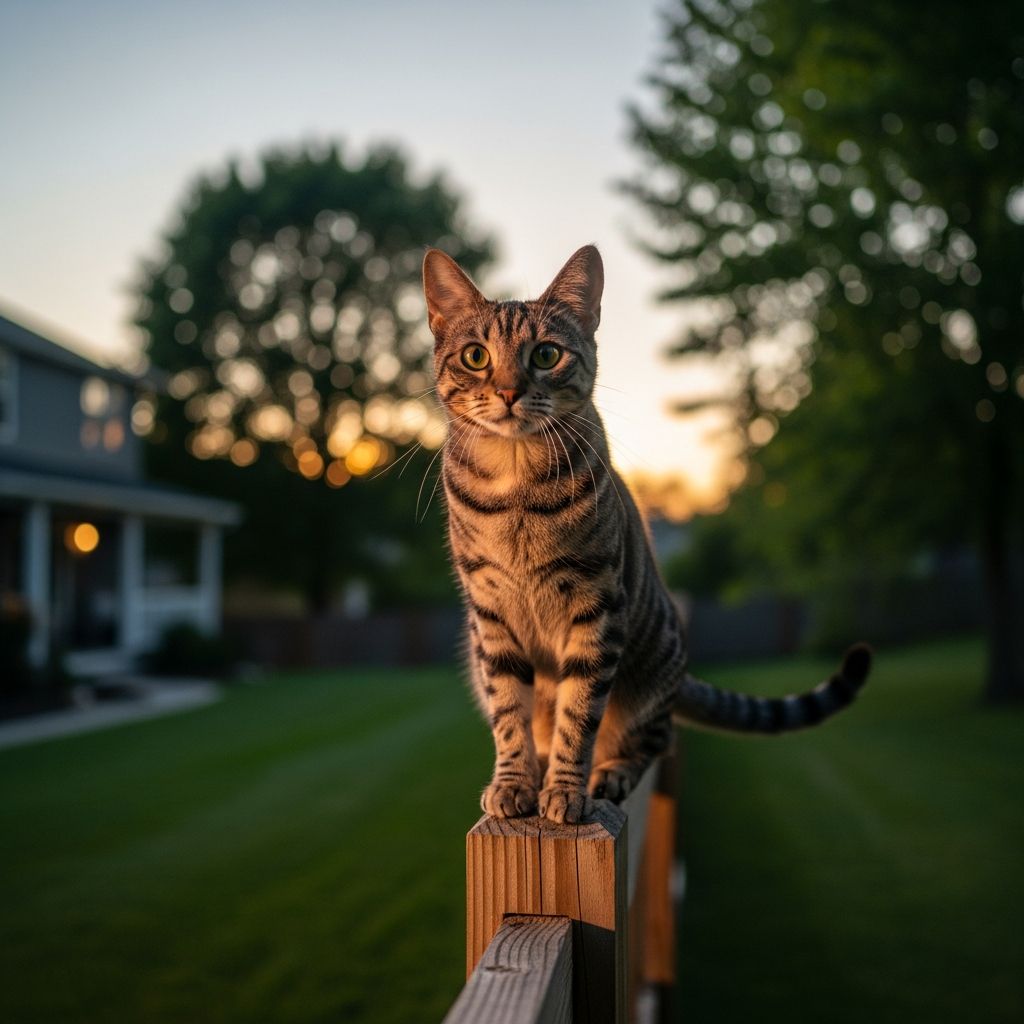
Many property owners feel frustrated when a neighbor’s cat or a feral cat appears in their yard, damages landscaping, or threatens small animals. But acting on that frustration by harming or killing the cat can easily lead to criminal charges and civil liability. This guide explains why killing a cat is almost always unlawful in the United States, the narrow situations where lethal force may be legally defensible, and the practical, legal alternatives you should consider instead.
1. The Big Picture: Animal Cruelty Laws Protect Cats
In every U.S. state and the District of Columbia, intentionally inflicting serious harm or death on animals is a criminal offense, and many jurisdictions treat severe cruelty as a felony. These laws typically apply regardless of whether a cat is:
- An indoor companion cat
- An outdoor pet that roams the neighborhood
- A feral or community cat with no identifiable owner
While the exact wording varies, most animal cruelty statutes prohibit:
- Intentionally killing an animal without legal justification
- Torturing, maiming, or causing unnecessary suffering
- Failing to provide basic care to animals under one’s control
Some states explicitly list killing as a prohibited form of cruelty; others punish it indirectly under broad bans on intentional or malicious harm. Either way, the law generally assumes that killing a neighbor’s cat or a feral cat because you are annoyed, inconvenienced, or even angered is a criminal act.
2. Why Cats Are Legally Treated as Property (and Why That Matters)
Under U.S. law, domesticated animals, including cats, are typically classified as the personal property of their owners. In California, for example, state law explicitly includes all domestic animals in the category of personal property. That classification has two important consequences:
- Harming a pet can be both a crime and a property wrong. Killing a cat can violate criminal animal cruelty statutes and also count as destruction of someone else’s property, giving rise to a civil lawsuit for damages.
- The owner is entitled to compensation. If a person unlawfully injures or kills a pet, the owner can pursue civil remedies for losses such as the pet’s market value and, in some cases, veterinary bills and emotional distress damages.
Because the cat is legally an extension of its owner’s property interests, intentionally shooting, poisoning, or otherwise killing it is treated much like destroying a neighbor’s car or burning down a shed—only with the added moral and legal weight attached to harming a living being.
3. Common Misconceptions About ”Cats on My Land”
Property owners often assume that their right to control their land allows them to kill animals that enter it. That assumption is dangerous and usually wrong. Key misconceptions include:
| Misconception | Legal Reality (General, Not State-Specific Advice) |
|---|---|
| ”If a cat is on my property, I can do whatever I want.” | Owning land does not override animal cruelty laws or property rights in pets. You generally cannot lawfully injure or kill a cat just because it is physically present on your land. |
| ”Feral cats are ‘wild’ so protections do not apply.” | Intentional harm to feral cats is considered criminal animal cruelty in all 50 states and D.C., even when no individual owner is known. |
| ”The cat damaged my property, so I can shoot it.” | Property damage does not create a right to kill. Legal responses focus on reporting, civil remedies, and nonlethal control, not vigilante killing. |
| ”Rural areas are different—people shoot trespassing animals all the time.” | Rural custom does not override criminal statutes. Shooting a neighbor’s cat for roaming often results in animal cruelty charges and civil lawsuits. |
4. Narrow Exceptions: When Lethal Force Might Be Defensible
Despite broad bans on cruelty, there are a few narrow circumstances where killing a cat might be legally defensible. These exceptions are interpreted cautiously and differ by state. Common examples include:
4.1 Self-Defense or Defense of Others
Most jurisdictions recognize the right to protect yourself or other people from an imminent threat of serious harm posed by an animal. A classic example is using force to stop a dog that is actively attacking you. Some states even allow harming an animal that is threatening livestock or other animals under specific conditions.
To invoke self-defense or defense of others in the context of a cat, you would typically need to show that:
- The cat posed an immediate, serious threat (for example, a violent attack, not minor scratching or nuisance behavior).
- No reasonable nonlethal alternative was available in the moment.
- The level of force used was proportionate to the danger.
In practice, it is rare that a domestic cat presents the kind of severe, immediate danger that justifies deadly force, and law enforcement or prosecutors may be skeptical of such claims.
4.2 Protecting Livestock or Other Animals
Some states have statutes or case law allowing owners to protect livestock or certain animals from attack. For example, California law permits killing a dog that is actively threatening livestock or people under specific conditions. These rules do not automatically extend to cats, and they are interpreted narrowly even for dogs.
Important limitations typically include:
- The threat must be ongoing and serious, not speculative or historical.
- The animal must actually be attacking or clearly about to attack, not merely present nearby.
- The person using force may still be investigated to confirm that the threat was real and immediate.
If you believe a cat is harming your poultry or other animals, consult local animal control or a lawyer rather than assuming you have the same rights that some laws grant in dog–livestock conflicts.
4.3 Euthanasia by Officials or Licensed Professionals
Animal control agencies, shelters, and veterinarians may be authorized by law to humanely euthanize animals in specific situations, such as:
- Severe, untreatable illness or injury
- Confirmed dangerous behavior and no safe placement options
- Overcrowding in shelters under regulated procedures
Private citizens cannot rely on these institutional powers to justify killing a cat themselves. Humane euthanasia is regulated, typically requires training or licensing, and must follow strict standards to minimize suffering.
5. Legal Consequences of Killing a Cat
Intentionally killing a cat outside of a recognized legal justification can expose you to both criminal prosecution and civil lawsuits.
5.1 Criminal Penalties
Animal cruelty statutes often allow for:
- Misdemeanor charges for less severe or first-time offenses
- Felony charges for aggravated cruelty, including intentional, malicious killing or torture
Potential criminal penalties can include:
- Fines (sometimes thousands of dollars)
- Jail or prison time
- Probation with conditions such as no-animal ownership
- Mandatory counseling or anger management programs
Because feral and unowned cats are explicitly protected in many cruelty laws and local ordinances, intentionally killing them can be prosecuted just as seriously as harming a pet cat.
5.2 Civil Liability to the Cat’s Owner
If the cat has an identifiable owner, that person can sue for damages. Under property law principles, the owner may recover for:
- The cat’s market value or replacement cost
- Reasonable veterinary expenses for injury or suffering caused before death
- Sometimes, emotional distress or loss-of-companionship damages, depending on state law and case facts
Courts increasingly recognize the emotional significance of pets, and some jurisdictions allow enhanced damages when a person’s intentional, outrageous conduct harms or kills a companion animal.
6. Safer, Legal Alternatives When Cats Cause Problems
Instead of risking criminal charges or lawsuits, property owners have a range of lawful, humane options when cats become a nuisance.
6.1 Talk to the Cat’s Owner
If the cat is a neighbor’s pet and you know who owns it, start with a calm conversation. You can:
- Explain the specific problems you are experiencing (e.g., digging in gardens, spraying, hunting birds).
- Ask the owner to keep the cat indoors or supervise it outdoors.
- Suggest practical measures like collars with bells, microchipping, or building cat enclosures.
Document communications in writing (email or text) so there is a record, especially if the problem continues.
6.2 Contact Animal Control or Local Authorities
Most communities have an animal control department or similar agency that handles:
- Stray and feral cats
- Dangerous or sick animals
- Animal cruelty complaints
Where permitted, animal control may trap cats humanely, check for identification or microchips, and coordinate with shelters or rescue groups. They can also advise you on local leash laws, licensing rules, and nuisance ordinances that might apply to wandering pets.
6.3 Use Humane Deterrents
A variety of nonlethal strategies can discourage cats from using your yard without harming them, such as:
- Motion-activated sprinklers or lights
- Physical barriers, like fencing or plant covers
- Using plants or commercial repellents that cats dislike, where permitted by local law
- Securing trash cans and removing food sources that attract animals
Check product labels and local rules to ensure that any deterrent you choose is safe, humane, and legal.
6.4 Support Trap–Neuter–Return (TNR) for Feral Cats
For feral cat colonies, many municipalities and animal-welfare organizations promote Trap–Neuter–Return (TNR) programs, in which cats are:
- Humanely trapped
- Sterilized and vaccinated by veterinarians
- Returned to their territory with caretakers monitoring their health
TNR is widely viewed by animal professionals as a humane approach that gradually reduces feral cat populations and associated conflicts without relying on killing or removal. Local laws increasingly distinguish between owners and caretakers, giving legal structure and protection to people who help manage colonies.
7. What to Do If Someone Has Harmed or Threatened Your Cat
If you are on the other side of the issue—your cat has been harmed or someone has threatened to kill it—acting quickly is important.
7.1 Seek Veterinary Care Immediately
If your cat has been injured, get emergency treatment first. Vets can:
- Stabilize the cat and reduce suffering
- Document injuries with medical records and photos, which may later serve as evidence
- Provide expert opinions about the likely cause and severity of injuries
7.2 Report to Animal Control and Law Enforcement
Intentional injury or killing of pets should be reported as possible animal cruelty. Many advocacy groups note that prompt reporting and documentation significantly improve the chances of investigation and prosecution. When you report:
- Provide a detailed timeline and description of what happened.
- Share photos, veterinary records, and witness names.
- Mention any prior threats or similar incidents.
7.3 Consider Civil Remedies
You may wish to consult a lawyer experienced in animal law or civil litigation. Depending on your state, you might be able to pursue compensation for:
- Veterinary bills
- The loss of your cat’s value
- Emotional distress and related harms in appropriate cases
Legal organizations such as the Animal Legal Defense Fund provide resources and sometimes assistance to individuals seeking to protect animals through the legal system.
8. State and Local Variations: Why Location Matters
While general principles are widely shared, animal law is heavily state- and locality-specific. Differences include:
- How animal cruelty is defined, and what conduct is explicitly criminalized
- Whether killing an animal is specifically listed as cruelty or addressed through broader language
- How feral or community cats are treated compared with owned pets
- Available civil damages for the wrongful injury or death of pets
- Local ordinances about feeding, caring for, or trapping outdoor cats
Because of these variations, it is essential to review your own state’s statutes and any local ordinances, or to speak with a licensed attorney in your jurisdiction before taking any action against an animal.
Frequently Asked Questions (FAQs)
Q: Can I legally shoot a cat that keeps coming into my yard?
A: In almost all situations, no. Animal cruelty laws and property laws protect both owned and unowned cats. Intentionally shooting a cat because it wanders onto your land can lead to criminal charges and civil liability, even in rural areas. Only in rare, clearly justifiable self-defense or defense-of-others situations might lethal force be defensible, and those are heavily scrutinized.
Q: What if the cat is killing my chickens or other animals?
A: Some states offer limited protections for owners defending livestock from attacking animals, but these rules are usually written with dogs in mind and are interpreted narrowly. Rather than relying on an uncertain legal defense, contact animal control, improve physical barriers, and use humane deterrents. Always check your local and state law before using any force.
Q: Are feral cats legally protected the same way as pets?
A: Intentional cruelty toward feral cats is treated as a criminal offense in all 50 states and D.C., even if no individual owner can be identified. Some laws still offer stronger protections or penalties for pet cats than for unowned cats, but cruelty statutes generally cover both.
Q: My neighbor threatened to kill my cat if it comes onto his property. What should I do?
A: Take threats seriously. Keep your cat indoors or supervised, document the threat (texts, emails, recordings where legal), and consider reporting it to local law enforcement or animal control as a potential cruelty risk. If you feel comfortable, you can also try mediated communication, but your cat’s safety and legal documentation should come first.
Q: Can I trap and relocate a cat that bothers me?
A: Trapping and relocating cats is regulated and often restricted. In many places, moving animals without proper authorization can violate animal-control rules or abandonment laws. If you are considering trapping, work with animal control or a recognized rescue or TNR program to ensure any action is humane and legal.
References
- Dog or Cat Injury: California Law on Remedies Available — Stimmel, Stimmel & Smith. 2017-05-01. https://www.stimmel-law.com/en/articles/dog-or-cat-injury-california-law-remedies-available
- Animal Law in California — Animal Legal & Historical Center (Michigan State University College of Law). 1983-01-01. https://www.animallaw.info/article/animal-law-california
- Anti-Cruelty Laws Protect All Cats — Alley Cat Allies. 2023-04-10. https://www.alleycat.org/resources/anti-cruelty-laws-protect-all-cats/
- Feral Cat Legislation — General Code. 2022-06-15. https://www.generalcode.com/blog/feral-cat-legislation/
- Animal Legal Defense Fund – About — Animal Legal Defense Fund. 2024-01-05. https://aldf.org
Similar Articles








Read full bio of Sneha Tete


