
Can a Car’s Paint Color Trigger a Police Stop?
Discover if changing your vehicle's paint job can legally justify a traffic stop and what drivers need to know about police encounters.
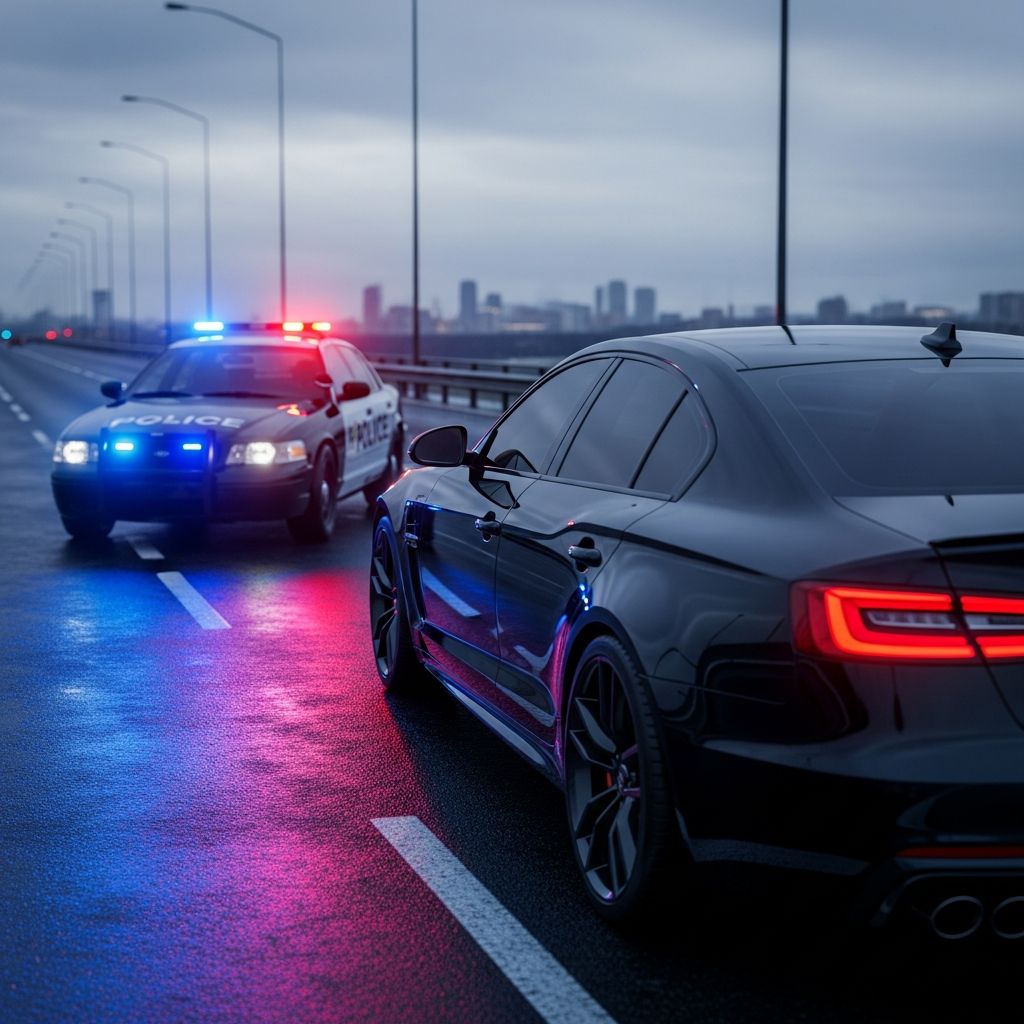
Customizing a vehicle’s appearance, such as applying a fresh coat of paint in a bold new shade, is a popular way for car enthusiasts to personalize their rides. However, this seemingly harmless modification can sometimes draw unwanted attention from law enforcement. In various states, officers have initiated traffic stops based solely on a discrepancy between a car’s current color and the one listed on its registration. This raises critical questions about the boundaries of police authority, driver rights, and the potential consequences of such stops. This article delves into the legal landscape surrounding vehicle color changes, landmark court decisions, and practical advice for motorists.
Understanding Vehicle Registration and Color Discrepancies
Vehicle registration documents typically include details like make, model, year, VIN, and color at the time of initial registration. When owners repaint their cars—whether for aesthetic reasons, rust repair, or restoration—the physical appearance no longer matches the paperwork. Is this mismatch inherently suspicious? In most jurisdictions, no law mandates immediate notification to the Department of Motor Vehicles (DMV) or equivalent agency about color changes. Drivers are free to repaint without bureaucratic hurdles, as long as the vehicle remains roadworthy and compliant with other regulations.
Yet, law enforcement databases pull from these records during routine plate checks. Spotting a neon pink truck registered as silver might prompt an officer to investigate, theorizing the car could be stolen and repainted to evade detection. While this scenario is plausible, courts have repeatedly scrutinized whether such a hunch alone constitutes reasonable suspicion for a stop.
Key Court Rulings on Paint Color Stops
Several appellate and supreme court decisions have shaped the legality of stops based on color mismatches, particularly in Florida, where the issue has been litigated extensively.
- Florida Supreme Court in State v. Teamer (2015): Officers stopped a bright green Chevrolet after a database check revealed it was registered as blue. The driver explained a recent repaint, but marijuana odor led to a search uncovering drugs and cash. Lower courts initially upheld the stop, but the Supreme Court ruled that color discrepancy alone does not provide reasonable suspicion, absent other indicators like a stolen vehicle report. The evidence was suppressed, overturning convictions for drug trafficking and possession.
- Van Teamer v. State (Fla. 1st DCA 2013): Reinforcing the precedent, this case emphasized that allowing stops for unreported color changes would subject every repainted vehicle to investigatory scrutiny, violating Fourth Amendment protections against unreasonable seizures.
- Contrasting Views like Aders v. State (Fla. 4th DCA 2011): Some earlier rulings permitted stops, arguing the mismatch could signal falsified registration. However, higher courts have trended toward requiring additional articulable facts.
These cases illustrate a judicial pushback against pretextual stops—where minor or fabricated issues mask broader investigations, often for drugs. The Fourth Amendment demands ‘reasonable suspicion’ of criminal activity, not mere hunches.
State Variations in Vehicle Color Laws
Laws differ across the U.S. While Florida explicitly does not require color updates, other states impose varying obligations.
| State | Color Change Reporting Required? | Key Statute/Note |
|---|---|---|
| Florida | No | No DHSMV mandate; repaint legal without notice. |
| California | Yes, within 30 days | DMV Form REG 343; failure may lead to fines. |
| Texas | No strict requirement | Color mismatch not sole stop basis per case law. |
| New York | Yes, at renewal | Must update during registration renewal. |
| Illinois | No | Similar to Florida; suspicion needs more context. |
Even in states requiring updates, failure to report is often a civil infraction, not criminal, and rarely justifies an immediate stop without traffic violations. Always verify local DMV rules before major modifications.
Common Police Tactics and Driver Rights During Stops
Beyond color issues, officers sometimes cite invented violations like ‘illegal tint’ or ‘rolling stops’ as gateways to searches. Key rights include:
- Remaining silent beyond basic identification.
- Refusing consent to searches (‘Am I free to go?’).
- Recording the interaction if safe.
- Requesting a supervisor if detained unreasonably.
If drugs or contraband are found post-unlawful stop, motions to suppress can exclude evidence, potentially dismissing charges. Statistics from the ACLU indicate pretextual stops disproportionately affect minority drivers, prompting federal scrutiny.
Practical Tips to Avoid Color-Related Stops
- Update Registration Proactively: Even if not required, visit your DMV post-repaint to amend records, reducing database flags.
- Choose Subtle Colors: Extreme hues like matte black or vibrant neons stand out more during patrols.
- Maintain Impeccable Driving: Zero traffic infractions minimize opportunities for stops.
- Document Modifications: Keep receipts from paint shops as proof of legitimacy if questioned.
- Carry Proof of Ownership: Title, bill of sale, and insurance ready to dispel theft concerns.
Professional detailing shops often advise on compliant wraps or paints that avoid legal pitfalls.
Broader Implications for Vehicle Customization
Car culture thrives on personalization—vinyl wraps, hydro-dipping, chameleon paints. Yet, enthusiasm must balance with legal awareness. Beyond color, modifications like aftermarket lights or exhausts trigger separate regulations. The National Highway Traffic Safety Administration (NHTSA) oversees federal standards, while states enforce tint, noise, and emissions.
In an era of automated license plate readers (ALPRs), discrepancies amplify risks. A 2023 DOJ report highlighted ALPRs’ role in 80% of urban stops, urging calibration for accuracy.
Frequently Asked Questions (FAQs)
Is it illegal to repaint my car without telling the DMV?
No, in most states like Florida, it’s legal without notification. Check local rules to confirm.
Can police search my car just because the color doesn’t match registration?
No, they need probable cause or consent. Color alone lacks reasonable suspicion per key rulings.
What if my car was repainted by a previous owner?
Carry ownership documents; explain the history if stopped. Courts favor legitimate explanations.
How do I update my vehicle’s color officially?
Visit DMV with proof of repaint (e.g., invoices). Fees vary by state, typically $10-50.
Does a custom wrap count as a paint change?
Yes, if it alters visible color. Treat like paint for registration purposes.
Navigating Legal Challenges Post-Stop
If facing charges from a disputed stop, consult a criminal defense attorney immediately. They can file suppression motions citing precedents like Teamer. Success rates climb with dashcam footage proving no violations. Public defenders handle indigent cases, but private counsel offers specialized traffic stop expertise.
Reforms like body cameras and stop data reporting enhance accountability. Organizations like the Institute for Justice litigate against overreach, securing victories for motorists nationwide.
References
- State v. Teamer – Vehicle Color Discrepancy Not Grounds for Traffic Stop — Fort Lauderdale Criminal Attorney Blog. 2015-approx. https://www.fortlauderdalecriminalattorneyblog.com/state_v_teamer_vehicle_color_d/
- “That’s Not Against the Law”: When Police Invent Traffic Rules — JG Crim Law. 2013-approx. https://www.jgcrimlaw.com/articles/changing-the-color-of-your-car-can-cause-trouble-with-the-law/
- Can Color of Vehicle Be Probable Cause In Traffic Stop? — Drug2Go. 2015-approx. https://drug2go.com/can-color-of-vehicle-be-probable-cause-in-traffic-stop/
- Is it illegal to change a car color and not report it to the DMV — Avvo Legal Answers. 2013-approx. https://www.avvo.com/legal-answers/is-it-illegal-to-change-a-car-color-and-not-report-167849.html
- Florida Vehicle Registration Requirements — Florida Department of Highway Safety and Motor Vehicles (official .gov). 2025-01-01 (last updated). https://www.flhsmv.gov/motor-vehicles-tags-titles/registration/
Similar Articles








Read full bio of medha deb


