
Car Crash Liability Defenses: 8 Key Legal Strategies
Unravel the key legal defenses that can shift blame and impact compensation in car crash lawsuits across U.S. jurisdictions.
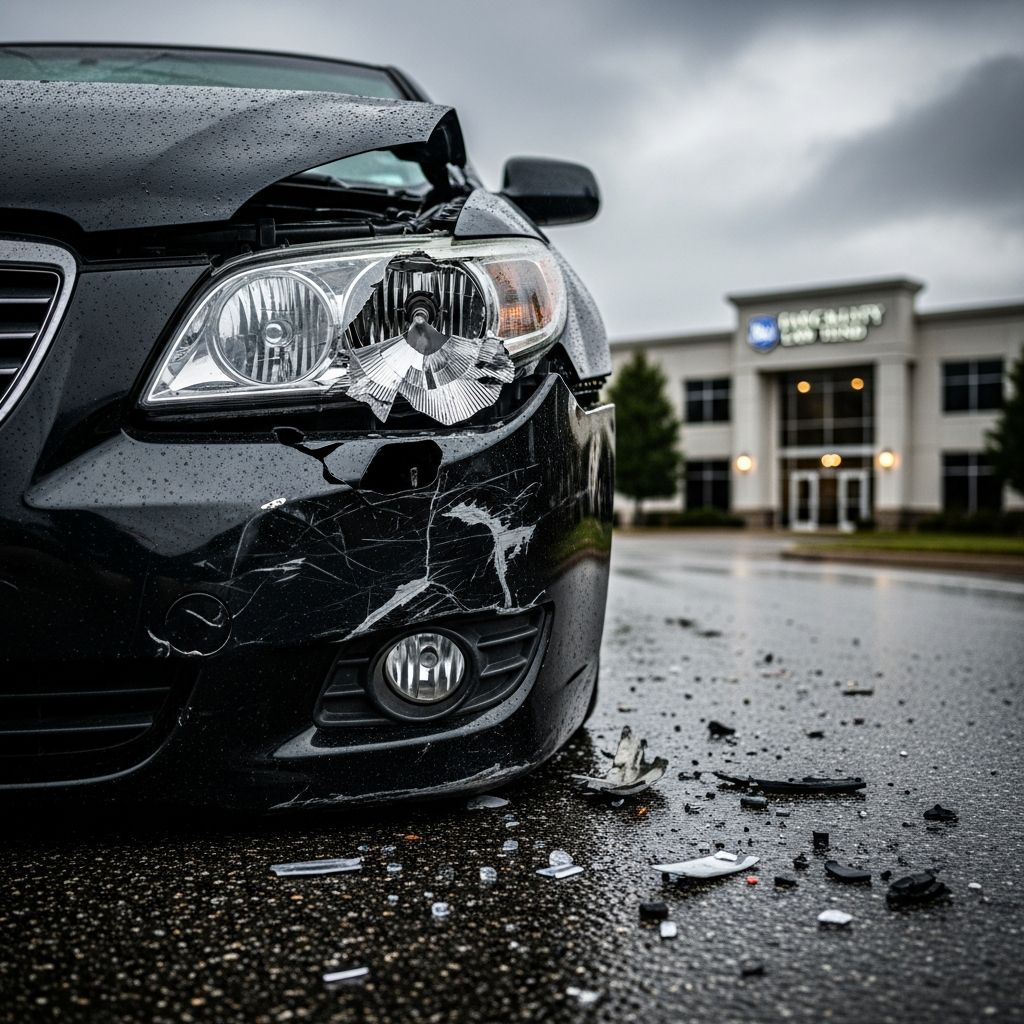
Navigating the aftermath of a car crash often involves complex legal battles where defendants deploy various strategies to minimize or eliminate their responsibility. Understanding these defenses empowers injured parties to counter them effectively and pursue rightful compensation. This article explores the primary legal arguments used in car accident litigation, their applications, and jurisdictional differences.
Understanding Fault Allocation Systems
The cornerstone of many car crash defenses revolves around
fault allocation
, primarily through comparative negligence or contributory negligence doctrines. These systems determine how responsibility is divided between parties involved in an accident.In
pure comparative negligence
jurisdictions, such as California, plaintiffs can recover damages regardless of their fault percentage, though awards are reduced proportionally. For example, if a plaintiff is deemed 30% at fault, their compensation drops by 30%. This approach allows recovery even if the injured party bears most blame, promoting fairness in shared-fault scenarios.Conversely,
modified comparative negligence
bars recovery if the plaintiff’s fault exceeds 50% or 51%, depending on the state. A handful of states cling tocontributory negligence
, where any plaintiff fault, however minor, completely forfeits compensation. This strict rule persists in places like Alabama and Maryland, though some apply the ‘last clear chance’ exception, allowing recovery if the defendant had the final opportunity to avert harm.| Negligence Type | Recovery Rule | Example States |
|---|---|---|
| Pure Comparative | Reduced by fault % (any level) | California, Florida, New York |
| Modified Comparative | Barred if >50% fault | Texas, Illinois |
| Contributory | No recovery if any fault | Alabama, Virginia |
Challenging Injury Causation with Preexisting Issues
Defendants frequently argue that a plaintiff’s
preexisting conditions
caused or exacerbated injuries, not the crash itself. Medical records showing prior back pain or joint issues become pivotal evidence. However, theeggshell skull rule
counters this by holding defendants liable for the full extent of aggravated injuries, even if the plaintiff was unusually vulnerable.For instance, if a minor collision worsens a plaintiff’s herniated disc from years ago, the defendant remains responsible for all related damages. Courts scrutinize medical expert testimony to distinguish crash-related harm from baseline conditions, emphasizing thorough documentation post-accident.
The Duty to Minimize Losses
Another potent defense is
failure to mitigate damages
, asserting plaintiffs neglected reasonable steps to lessen their losses. This includes:- Delaying or skipping medical care after the crash.
- Ignoring prescribed rehabilitation or therapy.
- Refusing suitable work opportunities during recovery.
Defendants must prove the plaintiff acted unreasonably, as the burden lies on them. Prompt treatment and compliance records are crucial for plaintiffs to rebut this claim.
Sudden and Unforeseeable Events
The
sudden emergency doctrine
excuses drivers who face abrupt, unforeseen perils they didn’t cause, such as a child running into traffic or a tire blowout. Courts evaluate if the driver’s response was reasonable under the circumstances, often relying on witness accounts and vehicle data.This defense doesn’t apply if the emergency stemmed from the driver’s prior negligence, like fatigued driving leading to a swerve. Successful invocation can fully absolve liability.
Intervening Events Breaking the Chain
An
intervening cause
defense posits that a third-party action or event superseded the defendant’s negligence as the primary injury cause. Examples include a pedestrian’s sudden dash or another driver’s reckless intervention post-crash. Proving foreseeability is key; if the event was predictable, the defense fails.Seat Belt and Safety Device Disputes
In states like California, the
seat belt defense
allows defendants to argue non-use worsened injuries, invoking comparative fault to reduce awards. A 1998 ruling mandates jury instructions on this if evidence shows non-compliance, even without direct causation proof.Not all states permit this; most reject it to avoid penalizing victims beyond crash fault. California requires seat belts for all occupants, and violations can slash compensation by assigned fault percentages. Always buckle up to neutralize this tactic.
In California, juries assess seat belt non-use’s contribution to injuries, potentially reducing awards significantly despite the crash being the other driver’s fault.
Assumption of Known Risks
**Assumption of risk** applies when plaintiffs voluntarily encounter obvious dangers, like racing or off-roading with aware participants. In standard crashes, it’s rarer but might arise in joyrides or track events. Express waivers or implied acceptance via conduct must be proven.
Procedural and Technical Barriers
Beyond substantive defenses, procedural ones include statute of limitations expirations or improper claim filings. Defendants may challenge jurisdiction, service of process, or evidence admissibility to dismiss cases early.
State-Specific Variations and Strategies
Laws differ widely; California’s pure comparative system favors plaintiffs more than contributory states. Insurance adjusters aggressively deploy defenses to lowball settlements, underscoring the need for legal counsel to gather counter-evidence like dashcam footage, eyewitnesses, and experts.
Recent trends show increased scrutiny on defenses amid rising accident rates, with courts favoring equity in fault apportionment.
Frequently Asked Questions
What if both drivers share fault in a crash?
Most states use comparative negligence, reducing awards by your fault share. Pure systems allow recovery even at 99% fault.
Can not wearing a seatbelt bar my claim?
In permissive states like California, it reduces but doesn’t bar claims via fault allocation.
Does prior injury history affect my case?
Defendants may argue it, but the eggshell skull rule holds them accountable for aggravations.
What proves failure to mitigate?
Evidence of skipped treatments or unreasonable delays; plaintiffs must act reasonably.
Is sudden emergency always a valid defense?
Only if unforeseeable and response reasonable; prior negligence voids it.
Protecting Your Rights Post-Crash
Document everything immediately: photos, police reports, medical visits. Consult attorneys early to dismantle defenses. Strong evidence often leads to favorable settlements before trial.
In summary, while defenses complicate claims, awareness and preparation level the field. Victims retaining skilled lawyers counter tactics effectively, securing deserved recoveries.
References
- Defenses in Car Accident Lawsuits — Justia. 2023. https://car-accidents.justia.com/what-to-do-after-a-car-accident/defenses-in-car-accident-cases/
- Type of Car Accident Defenses in California — Demas Law Group, P.C. 2024-05-15. https://www.injury-attorneys.com/blog/type-of-car-accident-defenses-in-california/
- Common Defenses Against Car Accident Claims in California — Wilshire Law Firm. 2024. https://wilshirelawfirm.com/blog/car-accident-claims-defenses/
- So You’ve Had an Accident, What’s Next? — California Department of Insurance. 2025-01-10. https://www.insurance.ca.gov/01-consumers/105-type/95-guides/01-auto/hadaccident.cfm
Similar Articles








Read full bio of Sneha Tete


