
Cannabis and Canines: Legal and Health Risks
Unpacking the surge in marijuana exposure among dogs: legal boundaries, toxic effects, and vital prevention strategies for pet owners.
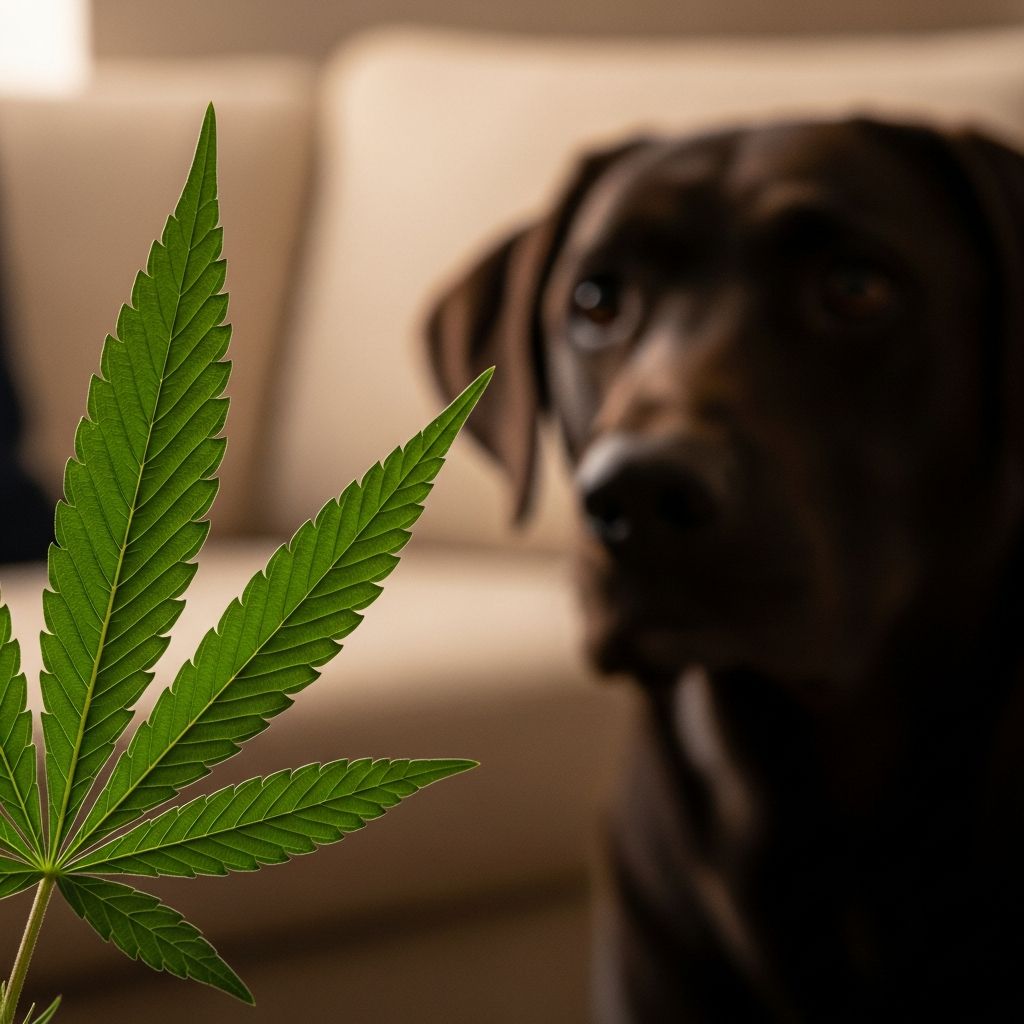
In an era of expanding cannabis legalization across numerous jurisdictions, pet owners face new challenges in safeguarding their dogs from accidental or intentional exposure to marijuana. While humans may enjoy recreational or medicinal benefits from THC, the psychoactive compound in cannabis, dogs experience severe toxicity even from minimal amounts. This comprehensive guide delves into the physiological impacts, escalating incidence rates, legal ramifications, emergency responses, and proactive measures to prevent such incidents.
The Growing Threat of THC Exposure in Pets
Reports from veterinary poison control centers highlight a dramatic uptick in marijuana-related incidents among dogs. For instance, the ASPCA’s Animal Poison Control Center noted an 11% increase in 2022 compared to the prior year, with a staggering 300% rise over the previous five years.THC toxicity now ranks among the top pet poisoning concerns in regions with legalized cannabis.
Dogs possess a higher density of cannabinoid receptors in their brains than humans, amplifying THC’s effects and rendering even trace exposures potent. This biological difference explains why symptoms manifest quickly and intensely, often requiring professional intervention. Legalization trends correlate directly with these statistics, as accessible products like edibles and oils enter households.
Why Dogs Are Uniquely Vulnerable to Cannabis
Unlike humans, whose bodies metabolize THC relatively swiftly, dogs recycle cannabinoids through a process involving bile storage in the liver. This enterohepatic recirculation prolongs exposure, intensifying and extending symptoms. Factors influencing severity include the dog’s size, the THC concentration in the product, and the ingestion method—whether smoked residue, plant material, or concentrated edibles.
- Small breeds face higher risks from tiny quantities due to lower body mass.
- Concentrates like oils or butters deliver potent doses rapidly.
- Combined toxins, such as chocolate in cannabis brownies, compound dangers.
Veterinary experts emphasize that no safe threshold exists for dogs; any exposure warrants caution.
Recognizing Symptoms of Marijuana Toxicity
Symptoms typically emerge 30 minutes to 12 hours post-exposure, peaking within hours and persisting up to days. Early detection is crucial for timely treatment. Common signs include:
| Symptom Category | Specific Signs | Onset Time |
|---|---|---|
| Neurological | Lethargy, disorientation, ataxia (wobbling), tremors, seizures | 30-90 minutes |
| Ocular | Dilated pupils, glassy eyes | Immediate to 1 hour |
| Gastrointestinal | Vomiting, drooling, urinary incontinence | 1-3 hours |
| Cardiovascular/Respiratory | Altered heart rate, blood pressure changes, slow breathing | Variable |
| Behavioral | Whining, agitation, hypersensitivity to stimuli | Early |
In severe cases, dogs may enter coma or exhibit hyperthermia/hypothermia. Owners often mistake initial lethargy for fatigue, delaying care.
Routes of Exposure: How Dogs Encounter THC
Dogs access cannabis through multiple pathways, many preventable with vigilance.
- Inhalation: Secondhand smoke from joints or vapes irritates respiratory systems and induces mild to moderate effects.
- Ingestion: Edibles like gummies, cookies, or brownies prove irresistible; even discarded butts pose risks.
- Direct contact: Licking oils, butters, or plant parts during walks in public spaces.
- Secondary sources: Consuming feces from THC-using humans, common on outdoor adventures.
Public areas near dispensaries or festivals amplify outdoor risks, underscoring the need for leashed supervision.
Legal Considerations: Is Feeding Pot to Dogs Permissible?
Intentionally administering cannabis to dogs constitutes animal cruelty in most jurisdictions, regardless of human legalization status. THC’s toxicity classifies it as harmful substance exposure, prosecutable under animal welfare statutes. For example, even in fully legalized states, veterinary consensus deems such acts negligent or abusive.
Key legal points:
- Veterinarians must report suspected intentional poisoning.
- Negligent storage leading to exposure may invite liability.
- Federal law still prohibits certain cannabis activities, complicating interstate pet travel with residues.
Pet owners should consult local animal control laws; penalties range from fines to felony charges in egregious cases.
Emergency Response and Veterinary Treatment
If exposure is suspected, contact a veterinarian or poison hotline (e.g., ASPCA at 888-426-4435) immediately—do not wait for symptoms to worsen. Treatment focuses on decontamination, stabilization, and supportive care:
- Decontamination: Induce vomiting (only under vet guidance), administer activated charcoal to bind THC.
- Monitoring: IV fluids for hydration, anti-emetics for nausea, temperature regulation.
- Symptomatic relief: Sedatives for agitation, anticonvulsants for seizures.
Most dogs recover fully within 24-72 hours with prompt care; fatalities are rare but possible in massive overdoses. Costs can exceed $1,000, emphasizing prevention.
Prevention Strategies for Responsible Pet Ownership
Proactive habits mitigate risks in cannabis-friendly environments.
- Secure storage: Use locked cabinets for all products, including human meds.
- No smoking indoors: Ventilate or step outside away from pets.
- Educate visitors: Inform guests to stash belongings.
- Supervise outings: Avoid high-risk areas; clean up immediately after use.
- Pet-proof edibles: Never leave treats unattended.
Cornell University’s Riney Canine Health Center stresses these as foundational to safety.
Comparing THC Toxicity to Other Pet Poisons
| Toxin | Common Sources | Key Symptoms | Lethality Risk |
|---|---|---|---|
| THC (Cannabis) | Edibles, smoke, plants | Ataxia, lethargy, incontinence | Low (severe cases) |
| Xylitol | Gum, candy | Hypoglycemia, liver failure | High |
| Chocolate | Brownies, bars | Vomiting, seizures | Moderate |
| Permethrin | Flea products | Tremors, seizures | Moderate (cats higher) |
THC mimics some symptoms but uniquely prolongs via recirculation.
Frequently Asked Questions (FAQs)
Can a small amount of marijuana harm my dog?
Yes, even trace amounts can cause toxicity due to dogs’ sensitive cannabinoid systems. Seek vet care immediately.
How long do THC effects last in dogs?
Symptoms may persist 1-3 days, longer with recirculation; full recovery typically follows treatment.
Is cannabis oil safe for dogs?
No, THC oils are highly concentrated and toxic. Vet-approved CBD (low-THC) may have uses, but consult professionals.
What if my dog inhales secondhand smoke?
Mild symptoms possible; prevent by smoking outdoors away from pets. Monitor closely.
Will my dog die from marijuana poisoning?
Fatalities are rare with treatment, but severe cases require urgent intervention.
This article equips pet owners with knowledge to navigate cannabis prevalence safely. Prioritize prevention for your dog’s well-being.
References
- The dangers of marijuana and dogs — BC SPCA. Accessed 2026. https://spca.bc.ca/news/marijuana-dogs/
- What Happens If My Dog Eats Marijuana? Understanding the Risks — HVSEvet. Accessed 2026. https://www.hvsevet.com/blog/23/what-happens-if-my-dog-eats-marijuana-understanding-the-risks-and-symptoms
- THC (Marijuana) Poisoning in Dogs: What to Know — WebMD. Accessed 2026. https://www.webmd.com/pets/dogs/thc-poisoning-dogs
- Cannabis (THC) intoxication in dogs — Cornell University College of Veterinary Medicine. 2025-12-22. https://www.vet.cornell.edu/departments-centers-and-institutes/riney-canine-health-center/canine-health-information/Cannabis-THC-intoxication-in-dogs
- What Is Cannabis (Marijuana) Toxicity in Dogs? — PetMD. Accessed 2026. https://www.petmd.com/dog/poisoning/cannabis-toxicity-in-dogs
- What You Need to Know About Marijuana Intoxication in Dogs — MedVet. Accessed 2026. https://www.medvet.com/marijuana-intoxication-in-dogs/
Similar Articles








Read full bio of Sneha Tete


