
Cannabis Advertising Rules: Targeting Vehicles Legally
Unlock compliant ways to advertise cannabis on cars, trucks, and billboards amid evolving state and federal regulations.
The cannabis industry has exploded in recent years, creating unprecedented opportunities for businesses to reach consumers. However, advertising remains a minefield due to stringent state and federal regulations designed to protect public health, especially minors, and prevent misleading claims. Vehicle wraps, car magnets, and mobile billboards offer dynamic ways to promote dispensaries, products, and services, but they must strictly adhere to location-based rules, age-targeting mandates, and content guidelines. This article explores the current legal framework, practical strategies, and emerging trends for 2026.
Understanding Core Federal and State Constraints
Federal law classifies cannabis as a Schedule I substance, prohibiting direct advertising through U.S. Postal Service mailings or in publications knowingly distributing Schedule I promotions. Despite lax enforcement, businesses risk penalties by ignoring this. States like California impose layered rules via Proposition 64 (Chapter 15), mandating truthful ads, 21+ targeting (with at least 71.6% audience over 21 based on research), and inclusion of license numbers.
Key prohibitions include false claims about efficacy, prices, or effects. Ads cannot depict cannabis consumption, use youth-appealing imagery like cartoons, or mimic non-cannabis products such as candy. Recent laws like SB 1498 (2024) empower attorneys general and local prosecutors to sue violators directly, extending restrictions to hemp.
- Truthful Messaging: All claims require scientific backing; no unverified health benefits.
- Age Gating: Design and placement must avoid minors; influencers must be 21+.
- Symbol Usage: AB 1126 (2023) bans unlicensed use of California’s official cannabis triangle symbol.
Vehicle-Specific Advertising: Opportunities and Pitfalls
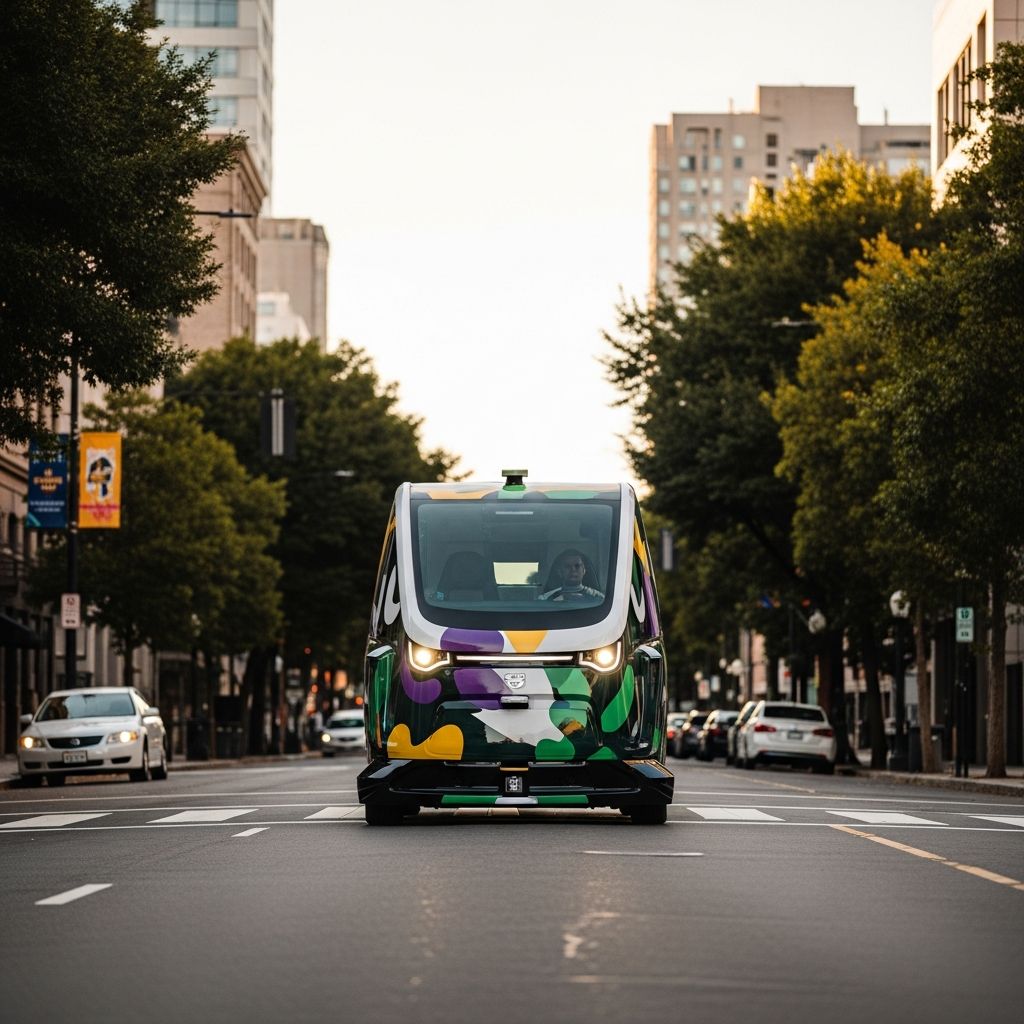
Wrapping company vehicles or using magnetic signs turns cars into mobile ads, ideal for dispensaries targeting local traffic. However, these count as “advertisements” under state law, triggering the same rules as billboards. No free cannabis giveaways or accessories as promotions, though branded items like hats or bottles may be allowed after legal review.
Placement is critical: ads cannot appear within 1,000 feet of schools, daycares, parks, youth centers, or alcohol outlets in many jurisdictions. San Diego extends this to minor congregation areas; Los Angeles bans within 700 feet of similar sites and restricts sign types (no digital, spinning, or roof signs).
| City | Prohibited Zones (Feet) | Additional Limits |
|---|---|---|
| California Statewide | 1,000 (schools, youth centers) | 71.6%+ adult audience |
| San Diego | 1,000 (minor areas) | Civil fines |
| Los Angeles | 700 (schools, parks) | No dynamic signs |
Highway billboards face extra hurdles: none on interstate or state routes crossing borders, covering major arteries. Mobile vehicle ads skirt some static billboard bans but must avoid highways during travel.
2026 Regulatory Updates Impacting Mobile Ads
California’s landscape shifts in 2026. Governor Newsom’s 2025 excise tax cut from 19% to 15% boosts margins, freeing funds for compliant marketing. Stricter child-appeal enforcement follows audits revealing enticing packaging; expect DCC vigilance on vehicle graphics resembling kid-friendly items.
SB 540 (2023) requires updated warning labels by July 2025, reviewed every five years, covering impairment, mental health, and pregnancy risks. Dispensaries must display consumer brochures from March 2025, which vehicle ads could reference for education. AB 8 tightens hemp cannabinoid rules under food/drug laws.
Compliant Strategies for Vehicle Advertising
Success lies in creativity within bounds. Use geotargeting tech for urban routes away from restricted zones. Compliance platforms handle age verification, opt-ins, and platform rules for digital tie-ins.
- Audience Research: Verify 71.6%+ adult exposure via traffic data.
- Design Best Practices: Bold, adult-oriented visuals; include license # and warnings.
- Hybrid Approaches: Pair vehicle wraps with SEO blogs, compliant social (X/Twitter), and 21+ influencers.
- Tech Integration: GPS apps track routes; QR codes link to age-gated sites.
Content marketing amplifies: blogs on responsible use build trust without direct sales pitches.
Penalties and Enforcement Risks
Violations trigger citations, $5,000+ fines per incident, license suspension, or revocation. Local ordinances add layers; e.g., San Diego fines billboard breaches near schools. Federal risks persist for print/mailing, though rarely enforced. Consult cannabis attorneys early to audit designs and placements.
Case Studies: Wins and Losses
Innovators succeed with subtle wraps promoting “wellness centers” (not products) on compliant routes. Failures include colorful vehicle art near schools, drawing DCC fines and redesign orders. Hemp firms face parallel scrutiny post-SB 1498.
Future Outlook: Normalization and Innovation
Schedule III rescheduling whispers promise broader ad freedoms, but 2026 prioritizes compliance amid tightening youth protections. Hemp convergence demands unified strategies. Invest in legal counsel and tech for sustainable growth.
Frequently Asked Questions (FAQs)
Can cannabis businesses wrap their delivery vans with ads?
Yes, if designs target 21+, include license info, avoid restricted zones, and comply with truthful messaging rules.
Are magnetic car signs treated like billboards?
Yes, they fall under advertising regs, prohibiting highway border routes and proximity to youth areas.
What if my vehicle ad uses fun colors?
Risk fines if resembling child-appeal; post-2024 enforcement ramps up on copycat designs.
How do local rules differ from state?
Cities like LA/SD add buffer zones and sign bans; always check municipal codes.
Can I promote via influencers on social tied to vehicles?
Only 21+ influencers; ensure overall campaign meets 71.6% adult threshold.
References
- California Cannabis Laws And Regulatory Changes: What to Expect in 2026 — Drivon Consulting. 2025. https://www.drivonconsulting.com/california-cannabis-laws-and-regulatory-changes-what-to-expect-in-2026/
- California Cannabis Marketing & Promotional Guidelines — McElfresh Law (Criminal Lawyers San Diego). Accessed 2026. http://www.criminallawyersandiego.com/california-marijuana-business-lawyer/laws-and-resources/marketing-promotional-guidelines/
- Cannabis Marketing Strategies 2026: A Playbook for Dispensary — MediaJEL. 2026. https://www.mediajel.com/blogs/cannabis-marketing-strategies
- Advertising, Marketing, Packaging, and Labeling — California Department of Cannabis Control (cannabis.ca.gov). 2026. https://www.cannabis.ca.gov/licensees/cannaconnect-compliance-hub/
Similar Articles








Read full bio of medha deb


