
Can Your Neighbor Legally Block Your View?
Understand when a blocked view is perfectly legal, when it crosses the line, and what realistic options you have to protect your outlook.
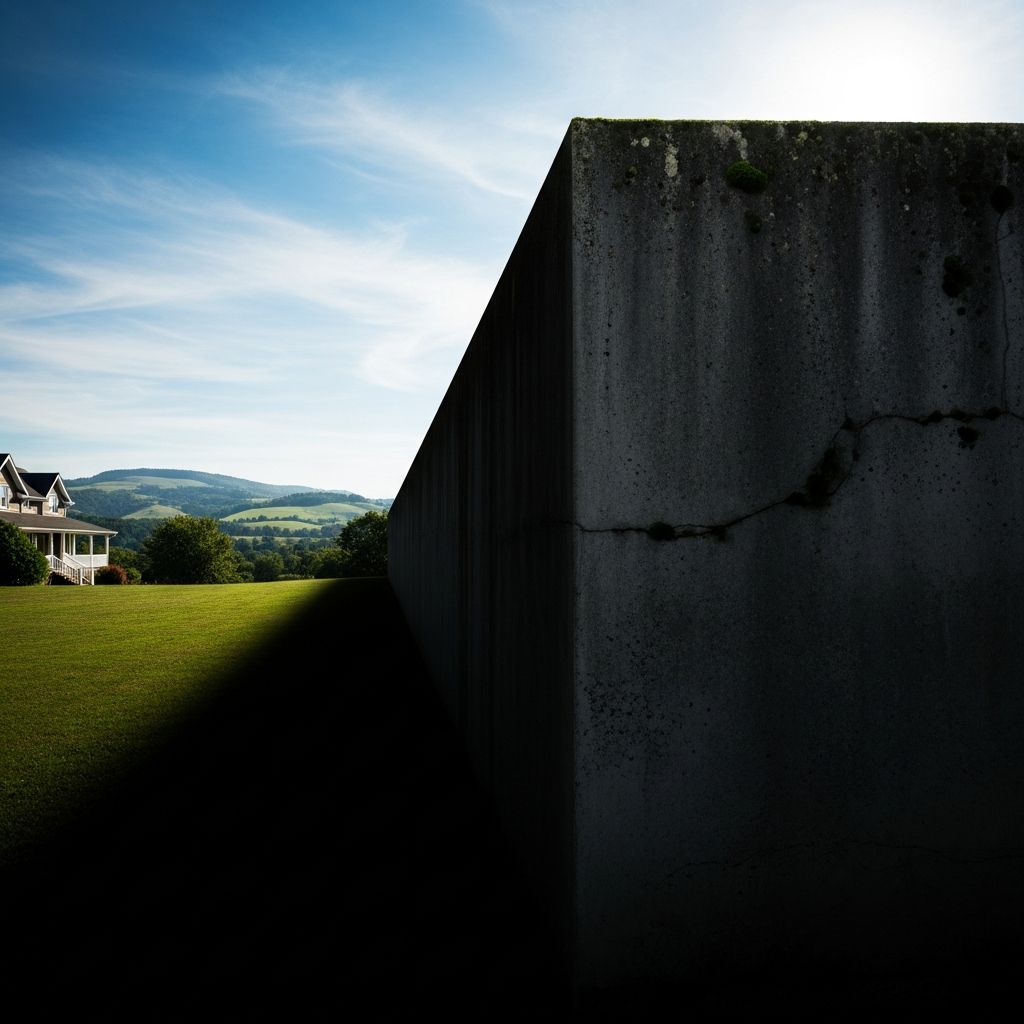
Many homeowners assume that the beautiful scenery they enjoy today will be protected forever. In most parts of the United States, that assumption is wrong: the law generally does not guarantee an unrestricted view across someone else’s land. Understanding what the law does and does not protect is essential before you confront a neighbor, involve your homeowners association (HOA), or consider going to court.
1. The General Rule: No Automatic Right to a View
Under traditional American property law, a landowner typically has no inherent right to light, air, or an unobstructed view across adjoining property. Courts in multiple states have affirmed that, as long as zoning and building rules are followed, an owner can usually build structures or plant trees even if this blocks a neighbor’s ocean vista, mountain panorama, or city skyline.
This approach reflects a core principle of real property law: the owner of land is largely free to use it, even if nearby owners lose some advantages they once enjoyed.
1.1 Common Situations Where You Usually Have No Claim
- A neighbor builds a second story that blocks your city view, but complies with local height limits.
- New construction goes up on a vacant lot and hides the sunset you used to see from your deck.
- A neighbor plants fast-growing trees that eventually block your view of a golf course or lake.
In each of these examples, if there is no special agreement or law protecting your view, courts have routinely held that there is no legal injury simply because the view is lost.
2. Key Exceptions: When a View May Be Protected
Although the default rule disfavors view rights, there are important exceptions. A blocked view can sometimes be legally challenged when one of the following applies:
- Local view ordinances explicitly protect certain views.
- Recorded covenants (CC&Rs) in a subdivision restrict height or foliage.
- Easements or private agreements grant a view right.
- The neighbor’s project is a malicious or spite structure with no reasonable use.
2.1 Local View Protection Ordinances
Some cities, especially those with valuable scenic or coastal vistas, have adopted view protection ordinances. These local laws may limit structures or vegetation that block defined views, often focusing on the view as it existed when the owner purchased the property or as of a specific date.
Typical features of view ordinances include:
- Height limits for trees or structures within designated view corridors.
- Procedures to file a complaint if a neighbor’s trees grow into the protected view.
- Requirements to provide photographs, surveys, or witness testimony demonstrating a lost view.
- Administrative hearings or mediation before any court action.
These ordinances are highly local: one city may offer robust protection, while another offers none at all.
2.2 Subdivision CC&Rs and HOA Rules
Owners in subdivisions, planned communities, and condominiums are often bound by covenants, conditions, and restrictions (CC&Rs), enforced by an HOA. These documents frequently address:
- Maximum building heights on certain lots.
- Tree or hedge height limits (for example, 15–20 feet).
- Prohibitions on planting that obstruct designated view lines.
By purchasing property in the community, buyers agree in writing to follow these rules, which can be enforced through fines, privilege suspensions, and, in some cases, lawsuits that may lead to court orders to trim trees or modify structures.
2.3 View Easements and Private Agreements
In some cases, a view is protected through an express easement or written contract. An easement is a recorded legal right to use or restrict another person’s land in a defined way. While many easements cover access (such as driveways or utility lines), they can also expressly preserve a view.
Features of a view easement may include:
- Exact area or corridor in which the view must remain clear.
- Height limits on structures or vegetation within that area.
- Binding effect on future buyers of both properties when recorded in land records.
Courts are generally reluctant to invent a view easement where none is written; most states require clear documentation to recognize such a right.
2.4 Malicious or “Spite” Structures
A narrow but important exception arises when an owner erects a spite fence or similar structure intended solely to harm a neighbor, with no legitimate use. Many states recognize claims based on malicious obstruction where, for example, a neighbor builds an unusually tall, useless wall only to destroy someone’s view.
To succeed, the complaining owner typically must show:
- The structure serves no reasonable or normal purpose for the builder.
- The dominant motive was to annoy, injure, or retaliate against the neighbor.
- The obstruction causes a substantial impact, such as completely blocking a major view or significantly interfering with enjoyment of the property.
Proving spite is difficult, and courts are cautious about labeling otherwise lawful construction as malicious without compelling evidence.
3. Zoning, Building Codes, and Fence Laws
Even if you have no free-standing right to a view, your neighbor must still follow zoning regulations, building codes, and local fence rules. These public laws may indirectly protect views by limiting height, location, or density of structures and barriers.
3.1 Zoning and Height Restrictions
Local zoning ordinances typically control:
- Maximum building height in each district.
- Setback requirements (how far buildings must be from property lines).
- Lot coverage and bulk standards.
If your neighbor’s project violates these rules—such as exceeding height limits—you may ask the city to enforce compliance or challenge any variances that were granted.
3.2 Fence and “Natural Fence” Limits
Many municipalities cap fence heights (for example, six feet in back yards and three to four feet in front yards). Some also treat tall hedges or dense shrubs as natural fences and apply similar limits.
If a fence or hedge exceeds legal height or is placed where fences are restricted, you can often file a complaint with the local code enforcement office. In some jurisdictions, spite fence statutes specifically address abnormally tall barriers built to annoy neighbors.
3.3 Historic or Landmark View Corridors
Where views of historic buildings or significant natural landmarks are involved, some communities create protected view corridors. Development in these zones must be designed so that critical sight-lines remain open, balancing private property rights against preservation concerns.
4. Private Remedies: Agreements, HOAs, and Easements
If you value your view and your local law offers little protection, private planning may be your best strategy. Several tools can help safeguard a view before a dispute arises.
4.1 Negotiating with Neighbors
Open communication often prevents long, expensive conflicts. Practical steps include:
- Discussing construction plans early so potential view impacts can be addressed.
- Offering to share costs of alternative designs or tree trimming.
- Putting any agreements into writing and, if appropriate, recording them in land records.
4.2 Working Within an HOA or Community Association
If you live in a community with an HOA, its governing documents may already address views. Actions you can consider:
- Review CC&Rs, architectural guidelines, and enforcement policies for view-related rules.
- File a written complaint if a neighbor’s project seems to violate height or foliage limits.
- Participate in hearings or dispute-resolution programs the HOA provides.
HOAs typically have authority to levy fines, require corrective action, or, in serious cases, initiate legal proceedings to enforce the community’s restrictions.
4.3 Creating a View Easement
If a neighbor is willing, you may negotiate a recorded view easement. Common elements include:
- Legal descriptions of both dominant (benefiting) and servient (burdened) parcels.
- Precise definition of the protected view corridor and height limits.
- Allocation of maintenance duties, such as tree trimming responsibilities.
Because easements permanently affect property rights, both parties should obtain legal advice before signing.
5. Going to Court: When Is Litigation Worthwhile?
Litigation over blocked views is often complex, expensive, and emotionally draining. Courts are cautious about interfering with property use unless clear legal rights have been violated.
5.1 Claims Courts Commonly Reject
Judges frequently dismiss lawsuits based solely on the loss of an advantageous view where:
- No view ordinance, easement, or covenant exists.
- The neighbor’s construction complies with zoning and building regulations.
- There is no credible evidence of a malicious or spiteful purpose.
Even significant reductions in property value have not persuaded courts to invent new view rights in the absence of a legal foundation.
5.2 Situations Where a Claim Might Succeed
Lawsuits are more likely to be viable when you can point to a specific legal protection, such as:
- A local ordinance capping tree height within a protected view corridor that has been clearly exceeded.
- CC&Rs that expressly restrict foliage or building heights to preserve views in your subdivision.
- A recorded easement or contract that defines and safeguards your view.
- Evidence that a neighbor built a useless, abnormally tall structure primarily to block your outlook (a spite fence claim).
5.3 Remedies a Court May Order
If you prevail, possible remedies include:
- Injunctions requiring trimming, removal, or modification of trees or structures.
- Damages for loss in property value or for costs incurred because of the violation.
- In some HOA or contract cases, attorney’s fees if provided by statute or written agreement.
6. Practical Steps If Your View Is Being Blocked
If you discover that your view is disappearing, a measured, step-by-step response is usually best.
| Step | Purpose | Key Actions |
|---|---|---|
| 1. Gather information | Understand your legal and factual position | Collect photos (before and after), review your deed, CC&Rs, and any recorded easements. |
| 2. Check local law | Identify any public protections | Look up zoning rules, fence ordinances, and any view protection codes through city or county resources. |
| 3. Talk to your neighbor | Seek a collaborative solution | Discuss concerns early, propose compromises, and avoid accusatory language. |
| 4. Use HOA or mediation | Resolve disputes outside of court | File an internal complaint, attend hearings, or use mediation programs if available. |
| 5. Consult a lawyer | Evaluate legal options | Obtain advice on the strength of your case, deadlines, and potential remedies. |
7. Frequently Asked Questions (FAQs)
Q1: My neighbor’s new second story blocked my ocean view. Can I sue?
In most jurisdictions, you cannot sue successfully based only on a lost view if there is no view ordinance, easement, or covenant protecting it and the addition complies with zoning. You may still want to confirm whether local rules or subdivision documents provide any special protections.
Q2: Are trees treated differently from buildings?
Legally, both trees and buildings can block views, but they are sometimes regulated under different rules. Local ordinances may address tree height specifically, and HOA rules often limit foliage height or density, while zoning codes primarily focus on structures.
Q3: What is a spite fence?
A spite fence is typically a fence or similar barrier of excessive or unusual height, erected mainly to annoy or harm a neighbor and without a reasonable use. Many states authorize claims against such fences, and courts may order them reduced or removed where malicious intent is proven.
Q4: How do I find out whether I have a view easement?
Review your deed and any title documents you received at purchase, and consider obtaining a title search. Recorded easements will usually appear in the property records maintained by the local land recorder or registry of deeds.
Q5: Does the law treat views of historic landmarks differently?
Sometimes. Certain cities create protected view corridors to preserve sight-lines to historic or culturally significant landmarks. Within these corridors, development may be more tightly regulated to avoid blocking such views.
Q6: If my view loss reduces my property value, do I have a stronger case?
A drop in market value alone rarely creates a legal claim. Courts generally require a recognized legal right—such as a statute, ordinance, covenant, or easement—before they will award damages for lost value due to a blocked view.
References
- Chapter 8: Obstruction of View — vLex United States (summarizing U.S. view law principles). 2022-01-01. https://law-journals-books.vlex.com/vid/chapter-8-obstruction-of-1037083529
- Construction of Structure Blocking a Neighbor’s View Not a Nuisance — National Legal Research Group. 2018-01-10. https://www.nlrg.com/property-law-legal-research/construction-of-structure-blocking-a-neighbors-view-not-a-nuisance
- Property Rights to a View: The Law — Stimmel, Stimmel & Roeser, Attorneys. 2021-06-01. https://www.stimmel-law.com/en/articles/property-rights-view-law
- Homeowners’ Right to Views — Nolo. 2020-09-15. https://www.nolo.com/legal-encyclopedia/homeowners-right-views-29942.html
- Homeowners Right to Views — Anthem EAP Legal Assist. 2019-04-01. https://www.anthemeap.com/company-guest/find-legal-support/resources/real-estate/legal-assist/homeowners-right-to-views
Similar Articles








Read full bio of Sneha Tete


