
Can You Sue A Public Storage Facility? Steps To Protect Rights
Learn when you can sue a public storage facility, what legal rights you have, and how to prepare a strong claim for lost or damaged property.
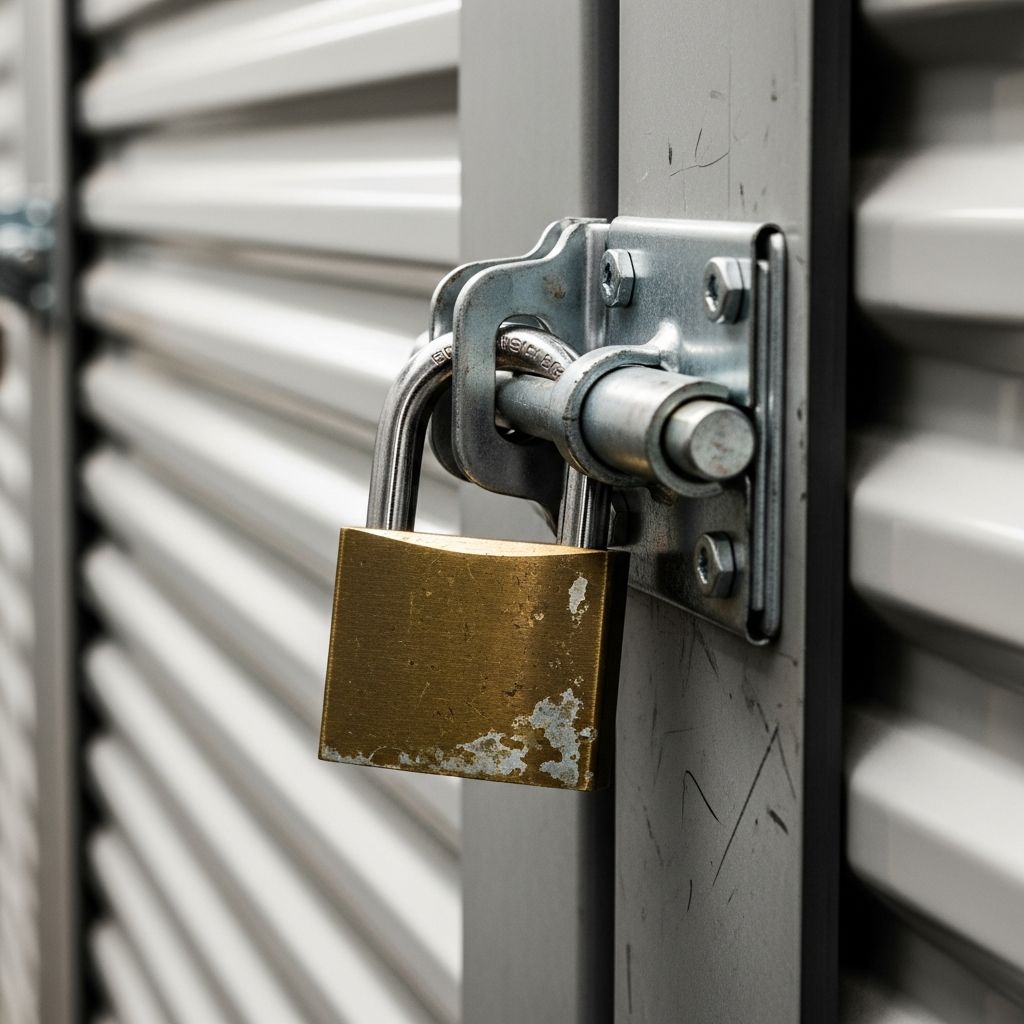
Many people rent storage units believing their belongings will be safe until they are ready to retrieve them. When items are stolen, destroyed, or sold, the financial and emotional impact can be significant. This guide explains when you may be able to sue a public storage facility, what obstacles you may face, and how to protect your rights if something goes wrong.
Understanding the Storage Relationship
When you rent a storage unit, you typically enter into a written rental agreement that sets the terms of your relationship with the facility. In most states, this relationship is governed both by the contract and by specific self-storage or landlord-tenant statutes that address issues like lien sales and notice requirements.
| Legal Concept | What It Means for You |
|---|---|
| Contract | Sets rules on payment, access, liability, insurance, and what happens if you default on rent. |
| Negligence | Facility may be liable if it failed to use reasonable care (e.g., ignoring broken gates) and that failure caused your loss. |
| Lien & Sale | State laws often allow a storage operator to sell stored property if rent is not paid, but only after following specific notice and timing rules. |
Common Problems That Lead to Lawsuits
Not every loss at a storage facility creates a viable lawsuit. However, certain patterns frequently give rise to claims for damages or court cases.
- Theft or burglary where gates, doors, or security systems were not properly maintained or monitored.
- Water or mold damage caused by roof leaks, poor drainage, or failure to repair obvious problems.
- Fire damage tied to faulty wiring, ignored fire hazards, or blocked fire exits.
- Wrongful auction or sale when the facility sells your unit without giving proper notice or miscalculates your account status.
- Restricted or denied access beyond what the contract allows, causing you significant business or personal loss.
- Injuries on the premises such as slip-and-fall accidents, falling objects, or vehicle collisions inside the property.
Key Legal Theories: How Claims Are Typically Framed
Most lawsuits against storage facilities are built around one or more of the following legal theories. Which one applies depends on the facts of your situation and your state’s law.
1. Negligence
You may claim negligence if the facility failed to act with reasonable care and that failure directly caused your loss.
To succeed on a negligence claim, you generally must show:
- The facility owed you a duty of reasonable care.
- It breached that duty (e.g., ignored broken locks or disabled cameras).
- The breach caused your loss (e.g., theft that occurred through an unrepaired gate).
- You suffered actual, provable damages (value of items, related expenses).
2. Breach of Contract
A breach of contract claim argues that the facility did not live up to the written terms of your rental agreement.
Examples might include:
- Advertising or promising certain security features that were not in place.
- Failing to provide access during the stated business hours.
- Not following contract procedures for late payments or lien sales.
3. Wrongful Lien Sale or Conversion
If the facility sells or disposes of your property improperly, you may have a claim for wrongful sale or conversion (wrongful control over your property). State self-storage laws usually require specific steps before a sale, such as written notices, waiting periods, and public advertising of the auction.
4. Premises Liability (Injuries on Site)
When someone is physically injured at a storage facility, the claim often proceeds under premises liability, a branch of personal injury law that focuses on unsafe property conditions.
How Rental Agreements Limit Your Rights
Most storage contracts are drafted to favor the facility and contain several clauses designed to reduce its legal exposure.
- Liability limits: The contract may cap the amount you can recover, sometimes tied to a declared value of the contents or a low fixed amount.
- “Store at your own risk” wording: These clauses attempt to shift responsibility for theft or damage entirely to the renter, especially if you declined offered insurance.
- Mandatory arbitration: Some agreements require disputes to go to private arbitration instead of regular court, which changes how your claim is handled.
- Short notice and claim deadlines: You may be required to report losses and file claims within a relatively brief time after discovering the problem.
Certain limitations may not be enforceable if the facility acted with gross negligence, violated specific statutes, or misrepresented important facts, but this analysis is usually fact-intensive and state-specific.
Evidence You Need to Support a Claim
Whether you negotiate directly with the company, file an insurance claim, or go to court, strong documentation is critical.
- Written agreement and any updates, addenda, or emails changing the terms.
- Photos or video of the unit, damaged items, leaks, broken locks, or security failures.
- Receipts or records proving the value of stored property (purchase receipts, appraisals, bank or credit card statements).
- Communication history with the facility: emails, texts, letters, notices, and call logs.
- Police or fire reports for theft, vandalism, or fire-related incidents, when applicable.
- Witness statements from staff, neighbors, or other tenants who observed issues like ongoing break-ins or chronic flooding.
Where and How to Bring a Claim
The size of your loss and the terms of your contract influence where your claim should be brought and whether you need a lawyer.
Small Claims Court
For moderate-value disputes, many renters sue in small claims court, which is designed for individuals without lawyers. Each state sets a maximum dollar amount for these courts.
- Lower filing fees and simpler procedures.
- Faster resolution compared with higher civil courts.
- Good for straightforward disputes over clear property value.
Higher Civil Court
If your losses are large, complex, or involve serious personal injury, your claim may belong in a higher civil court, and professional representation is usually advisable.
What Kind of Lawyer Handles Storage Facility Disputes?
Different types of lawyers may handle claims against storage facilities, depending on the main issue.
- Property damage or theft: Consumer protection, property damage, or civil litigation attorneys.
- Breach of contract or unfair practices: Contract or business litigation lawyers.
- On-site injuries: Personal injury or premises liability lawyers.
- Large or complex disputes: Firms experienced in self-storage law or commercial real estate disputes.
Many attorneys offer free or low-cost initial consultations. During that meeting, you can ask about likely outcomes, fee arrangements, and whether your case is economically worth pursuing.
Insurance: Your Policy, Their Policy, and Gaps
Losses at a storage facility often implicate multiple insurance policies.
- Tenant insurance: You may have purchased a policy through the storage company or used coverage available under a renters or homeowners policy. These policies often cover theft, fire, and certain types of water damage, but may exclude mold or gradual deterioration.
- Facility insurance: The storage operator typically carries liability and property coverage, which may respond if the company is found negligent.
- Deductibles and limits: Even if insurance applies, you may bear deductibles or be limited by policy caps.
Before suing, it is often wise to:
- Review any insurance you bought or already had.
- Notify insurers promptly and comply with claim reporting requirements.
- Ask the storage company to disclose relevant insurance information if you assert a formal claim.
Realistic Expectations About Compensation
Courts generally award the fair market value of your lost or damaged property, not what the items meant personally to you.
- Fair market value is usually what similar used items sell for, not the new replacement cost.
- Sentimental value (family photos, keepsakes) is rarely compensable.
- Additional damages (lost business income, emotional distress, punitive damages) may be available only in specific circumstances and jurisdictions.
Practical Steps If Your Property Is Lost or Damaged
If you discover a problem with your storage unit, acting quickly and methodically will strengthen your position whether you pursue insurance, negotiation, or litigation.
- Document immediately
- Photograph and video everything from multiple angles.
- Note dates, times, and any obvious facility issues (water on floor, broken locks, open doors).
- Notify the facility in writing
- Describe what happened and list known missing or damaged items.
- Ask for a copy of the incident report and the facility’s insurance information, if appropriate.
- Review your contract and insurance policies
- Check liability limits, claim deadlines, and mandatory procedures.
- Look up how to file a claim with your insurer, if coverage may apply.
- Consider legal advice
- If the loss is large, the facts are complicated, or the company is uncooperative, speak with a lawyer experienced in storage-related disputes.
Prevention: How to Reduce Your Risk Before Problems Arise
While you cannot eliminate all risk, you can significantly improve your position—both to avoid losses and to strengthen any future claim—by planning ahead.
- Read the contract carefully before signing. Pay attention to liability limits, insurance requirements, and what happens if you miss a payment.
- Inspect the facility in person: look at gates, cameras, lighting, door locks, and drainage or roof conditions.
- Keep your own inventory of stored items with photos and estimated values.
- Buy adequate insurance for the true value of your belongings; do not rely solely on the facility’s disclaimer language.
- Store valuables wisely: Avoid extremely high-value items or irreplaceable heirlooms if you can; consider safer alternatives such as a safe-deposit box for very sensitive items.
Frequently Asked Questions (FAQs)
Q: Can I sue a storage facility if my items are stolen?
A: You may have a claim if the theft can be linked to the facility’s negligence, such as failing to repair known security problems or not following basic safety practices. However, contract language and state law can significantly affect your rights, so a case-specific legal review is important.
Q: What if the contract says the facility is not responsible for any losses?
A: Many contracts contain broad disclaimers, but they are not always absolute. Courts may decline to enforce some provisions if they conflict with state statutes, public policy, or involve gross negligence. Whether limitations apply depends heavily on your jurisdiction and the particular facts.
Q: Is it worth suing over low-value property?
A: For smaller claims, informal negotiation or small claims court may be more cost-effective than hiring an attorney. Consider the total value of your loss, court costs, time investment, and the likelihood of collecting any judgment before deciding how far to pursue the case.
Q: How long do I have to file a lawsuit?
A: Deadlines, called statutes of limitations, vary by state and by legal claim (negligence, contract, personal injury). Your rental agreement may also set shorter deadlines for notifying the facility or making a claim. To avoid missing important timelines, consult a lawyer as soon as you discover substantial loss or damage.
Q: Do I need a lawyer, or can I handle this myself?
A: For clear, modest-value disputes, many people negotiate or file in small claims court on their own. For higher losses, disputed facts, serious personal injuries, or possible wrongful sales, legal counsel is usually advisable because the law and contracts can be complex.
References
- Suing Storage Facility for Negligence — Muller Brazil. 2023-08-10. https://www.mullerbrazil.com/personal-injury-lawyer/blog/suing-storage-facility-for-negligence
- What Kind of Lawyer Do I Need to Sue a Storage Facility? — Pusch & Nguyen. 2023-06-15. https://puschnguyen.com/what-kind-of-lawyer-do-i-need-to-sue-a-storage-facility/
- Critical Legal Situations Faced by Self-Storage Operators — Inside Self-Storage. 2021-04-01. https://www.insideselfstorage.com/legal-issues/critical-legal-situations-faced-by-self-storage-operators-how-to-handle-them-plus-prevention-tips
- Self Storage Law — Miller & Lee LLP. 2020-09-30. https://www.millerandlee.com/self-storage-law/
- Self-Service Storage Facility Act (example state statute) — State of California Legislative Information. 2019-01-01. https://leginfo.legislature.ca.gov/faces/codes.xhtml
Similar Articles








Read full bio of Sneha Tete


