
Can You Sue a Court? Understanding When the Justice System Can Be Sued
Learn when, how, and under what rare circumstances courts, judges, and court staff can be sued and what remedies really exist.
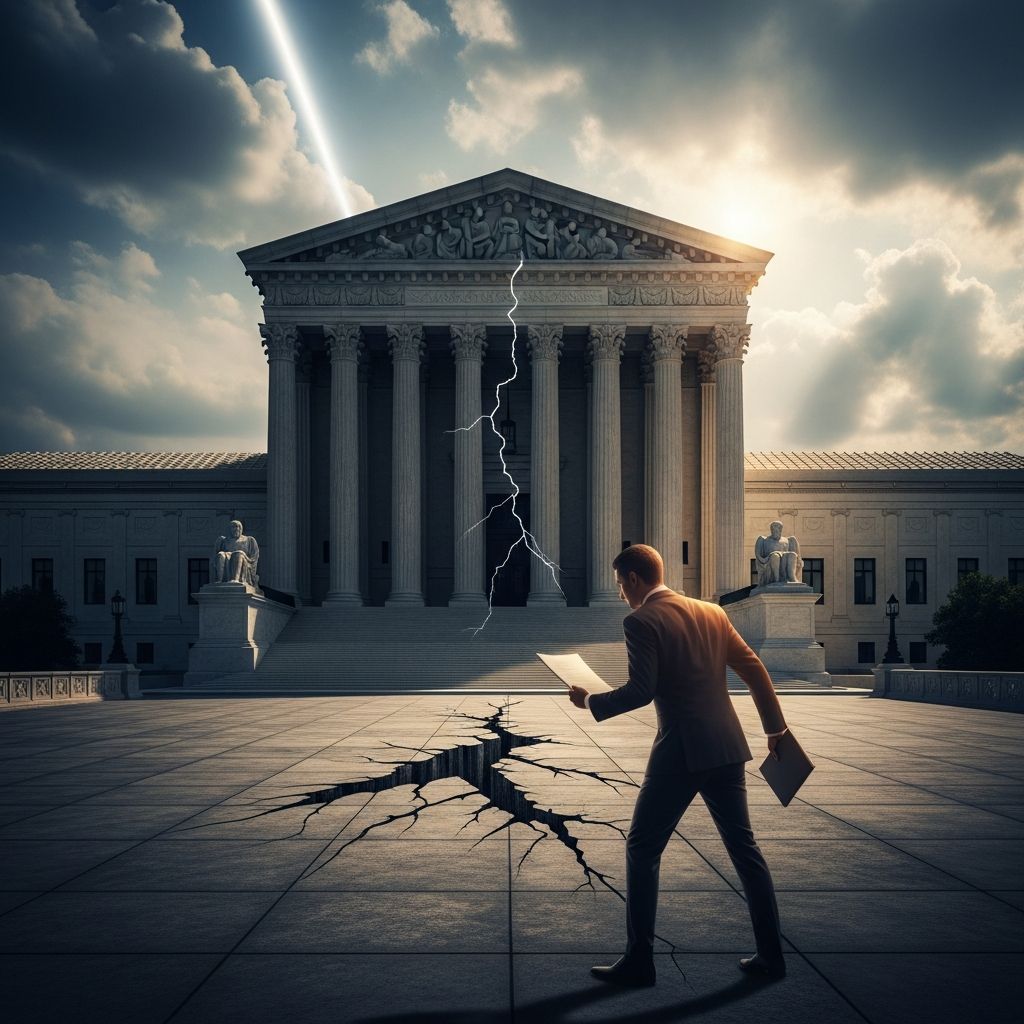
People often leave the courthouse feeling angry, unheard, or genuinely harmed by what happened in their case. It is natural to ask: can I sue the court itself for what went wrong? The answer is complicated. In many situations you cannot sue a court or judge at all, but in a few narrow circumstances you may be able to bring a related lawsuit against specific officials or the governmental body that operates the court.
This guide explains, in plain language, when courts and judges are legally protected, when they can be sued, and what realistic options exist if you believe the justice system treated you unfairly.
Why Most Lawsuits Against Courts Fail
Modern legal systems are built on the idea that judges must be able to decide cases independently, without constantly worrying about being sued by the losing party. To protect that independence, the law creates powerful shields against lawsuits targeting judges and courts.
- Most claims about a wrong result must be handled through appeals, not new lawsuits.
- Judges usually cannot be sued for decisions they make from the bench, even if those decisions are later found to be wrong, unfair, or unconstitutional.
- Courts as institutions are typically treated as part of the state or federal government, which means they benefit from governmental immunity in many cases.
Because of these protections, simply disliking the outcome, feeling the judge was rude, or believing the court applied the law incorrectly almost never gives you a valid basis to sue the court.
Judicial Immunity: The Core Protection for Judges
The main legal shield is called judicial immunity. Under U.S. law, judges have absolute immunity from damages for acts taken in their judicial capacity, as long as they are not acting completely without jurisdiction.
In practice, this means:
- You generally cannot sue a judge for money because you disagree with their ruling.
- Judicial immunity still applies even if the judge is later found to have made serious legal mistakes.
- Immunity also covers many actions closely tied to running a courtroom, such as scheduling hearings or ruling on motions.
Appellate courts review legal errors, not civil juries. For most complaints about what happened in your case, the correct path is an appeal or another form of legal review, not a lawsuit against the judge.
When Judicial Immunity Usually Applies
Judicial immunity is broad. It generally protects judges when they:
- Preside over trials and hearings
- Issue rulings, orders, and judgments
- Decide motions, such as motions to dismiss or for summary judgment
- Control courtroom proceedings, evidence, and scheduling
Even if you believe the judge was biased, misinterpreted evidence, or misapplied the law, immunity often still applies. The remedy is to challenge the decision through the court system, not by filing a new lawsuit against the judge.
Examples of Actions Typically Protected
| Judicial Action | Can You Usually Sue? | Typical Remedy |
|---|---|---|
| Judge rules against you at trial | No, protected by judicial immunity | File an appeal within the deadline |
| Judge excludes evidence you think is important | No, usually immune | Appeal the evidentiary ruling as legal error |
| Judge dismisses your case before trial | No, usually immune | Appeal or move for reconsideration |
| Judge sets a trial schedule you think is unfair | No, usually immune | Request continuance or seek appellate review |
Courts as Government Entities: Sovereign and Governmental Immunity
Even if you do not name an individual judge, suing a court as an institution runs into another barrier: sovereign immunity and related doctrines that protect government bodies from many lawsuits.
In the United States, federal courts are part of the federal government, and state and local courts are part of state or local government. Governmental immunity means:
- The government cannot be sued for money damages unless it has clearly agreed to be sued in that area.
- Any waiver of immunity (for example, through a state tort claims act or the Federal Tort Claims Act) comes with strict limits and procedures.
- Some claims, such as many constitutional violations by state actors, must be brought under specific statutes (like 42 U.S.C. § 1983) and often target the government official in their official or individual capacity, not the court as an abstract entity.
Because of these layers of immunity, lawsuits filed directly against “the court” as if it were a private person almost always fail at the outset.
When Court-Related Lawsuits May Be Possible
Although suing the court or judge for a bad decision is usually impossible, there are situations where you may bring a lawsuit tied to what happened in court. These cases are narrow, technical, and highly fact-specific.
1. Non-Judicial Acts by Court Staff
Judicial immunity primarily protects judicial acts. Many court employees do purely administrative work, such as managing records, accepting filings, or sending notices. When these employees make serious errors that harm someone, a lawsuit may be possible, depending on the law of your state or the federal government.
- Examples of administrative errors might include:
- Failure to docket a filing that was properly submitted
- Incorrect data entry that leads to an improper warrant or judgment
- Mailing notices to the wrong address despite having correct information
Even in these scenarios, immunity rules for government employees and agencies still apply. Some jurisdictions allow negligence or civil rights lawsuits for certain types of misconduct; others sharply limit such claims. Timelines (statutes of limitations) are also short, so prompt legal advice is critical.
2. Civil Rights Claims for Constitutional Violations
In the U.S., individuals sometimes use civil rights laws to challenge unconstitutional actions by government officials connected to the courts. A common tool is a lawsuit under 42 U.S.C. § 1983 against state or local officials, or a so-called Bivens claim against some federal officials.
However, these claims face several hurdles:
- Judges still have judicial immunity when acting in a judicial role.
- Court clerks and other staff may have qualified immunity or other protections.
- The claim must involve a clear violation of a constitutional right, such as denial of access to the courts or discrimination based on race, religion, or similar protected categories.
- Procedural rules for such suits are strict, and many claims are dismissed early for technical reasons.
Civil rights litigation is complex. If you believe your constitutional rights were violated by court-related actions, you almost always need a lawyer experienced in this area to assess whether any claim is realistically available.
3. Injunctive or Declaratory Relief Instead of Money
Some people are not seeking money, but rather want the court system to stop doing something, change a policy, or correct a record. In limited circumstances, you may be able to seek:
- Injunctive relief: a court order telling an official or agency to start or stop a particular action.
- Declaratory judgment: a binding statement of the parties’ rights under a law or policy.
These remedies are often used to challenge ongoing practices of government agencies, including some court-related practices, especially when they allegedly violate constitutional rights. Courts are cautious about interfering with other courts’ operations, so such cases are relatively rare and usually brought by organizations or lawyers with substantial resources.
If You Think the Court Got It Wrong: Practical Paths Forward
For most people, the real question is not whether they can sue the court, but rather: What can I do now that I think the court was wrong? Here are the main legal tools available in the ordinary justice system.
1. Appeal the Decision
Appeals are the standard way to challenge a judge’s legal errors. In civil and criminal cases, the losing party typically has a limited time to file a notice of appeal with a higher court.
- Appeals focus on legal mistakes, not just unfairness.
- New evidence is rarely allowed; the appellate court usually reviews the existing record.
- Strict deadlines apply, sometimes as short as 10–30 days, depending on the jurisdiction and type of case.
If you think the judge misapplied the law, misinterpreted the rules of evidence, or exceeded their authority, talking to an appellate lawyer promptly is usually the best step.
2. Ask the Same Court to Reconsider or Modify
Many court systems allow motions such as:
- Motion for reconsideration or motion for new trial
- Motion to alter or amend judgment
- Motion to correct clerical errors
These are formal requests asking the same judge (or same court) to change a decision based on legal error, newly discovered evidence, or clear mistakes in the written judgment. Rules and deadlines vary by jurisdiction, so local court rules or legal advice are important.
3. Use Established Post-Conviction or Post-Judgment Procedures
In criminal cases, someone who has been convicted may have additional options beyond a direct appeal:
- Post-conviction relief petitions (for example, based on new evidence of innocence)
- Habeas corpus actions challenging unlawful detention
- Applications to correct or reduce sentences
In civil matters like family law or small claims, parties sometimes can file petitions to modify custody, support, or other ongoing orders when circumstances change, rather than suing the court itself.
Complaints and Discipline: Non-Lawsuit Options
Even if you cannot sue the court or judge, systems usually exist to handle serious misconduct or persistent poor performance.
Judicial Conduct Commissions
Every U.S. state and the federal judiciary has some form of judicial conduct body or commission that investigates claims of ethical violations or misconduct by judges.
- You can often file a written complaint, usually online or by mail.
- The commission may investigate behavior such as:
- Corruption, bribery, or clear conflicts of interest
- Serious bias or discrimination
- Repeated failure to follow the law or ethical rules
These processes do not overturn the result in your case or award you money. Instead, they can lead to discipline against the judge, from a private warning up to removal from office in extreme situations.
Administrative Complaints About Court Staff
For problems involving clerks, bailiffs, or other court employees, there may be internal complaint procedures through the court’s administration or the local government that runs the court. These systems are usually designed to improve operations or address misconduct, not to compensate individuals for harm.
Key Questions to Ask Before Considering a Lawsuit
If you are still wondering whether some sort of lawsuit is possible, it helps to ask yourself the following:
- Am I upset about the judge’s decision, or about something non-judicial?
Pure disagreement with a legal ruling almost always belongs in an appeal, not a lawsuit. - Who exactly harmed me?
Was it an individual judge, a clerk, a law enforcement officer, a private attorney, or another party? - What specific legal right do I believe was violated?
A vague sense of unfairness is rarely enough to support a claim. - Is there a more direct remedy?
Appeals, post-conviction motions, or internal complaints are often more realistic than suing the court.
Because of the complexity of immunity doctrines and court procedures, even lawyers sometimes struggle with these questions. A consultation with an attorney who focuses on civil rights or appellate work can help sort through your options.
Practical Tips If You Believe the Court Treated You Unfairly
If you think you were seriously harmed by something that happened in court, consider these steps:
- Act quickly. Appeal and post-judgment deadlines can be very short. Missing them may permanently end your options.
- Get your records. Request copies of the docket, orders, and (if available) transcripts or recordings. Accurate records are crucial for appeals or complaints.
- Write down details immediately. Document dates, names, and exactly what happened while it is still fresh.
- Consult a qualified lawyer. Many offer low-cost or free initial consultations, especially in civil rights or criminal post-conviction matters.
- Consider realistic goals. Decide whether you want a new hearing, policy change, accountability for misconduct, or financial compensation—and understand that not all goals are achievable.
Frequently Asked Questions (FAQs)
Q: Can I sue a judge for being biased against me?
A: In most cases, no. Claims that a judge was biased or unfair are usually addressed by asking for the judge to be recused, filing an appeal, or submitting a complaint to a judicial conduct commission. Judicial immunity typically blocks lawsuits for money damages based on alleged bias in rulings.
Q: What if the judge clearly broke the law or the constitution?
A: Even serious legal errors made while acting as a judge are generally protected by judicial immunity from damages lawsuits. The primary remedies are reversal on appeal, post-conviction relief, or—in extreme cases—disciplinary proceedings against the judge.
Q: Can I sue the court clerk for messing up my case?
A: Possibly, but it depends on the law in your jurisdiction and the nature of the error. Some administrative mistakes may be covered by governmental or qualified immunity. In some situations, a negligence or civil rights claim might be available, but these cases are difficult and require careful legal analysis.
Q: Is small claims court different—can I sue the court there?
A: Small claims procedures are simpler, but the same basic ideas apply: you cannot sue the judge for decisions made in your small claims case, and you generally cannot sue the court itself. You may have the right to appeal or to ask for a new hearing according to your state’s small claims rules.
Q: If I win a civil rights lawsuit, does that overturn my conviction or judgment?
A: Not usually. Civil rights suits and appeals are separate. A civil rights case might provide compensation or change a policy, but it does not automatically erase a conviction or civil judgment. You typically must use the appeals or post-conviction process to change the underlying result.
References
- Civil Cases — Administrative Office of the U.S. Courts. 2023-05-01. https://www.uscourts.gov/about-federal-courts/types-cases/civil-cases
- How to Sue in Justice Court (Small Claims Court) — TexasLawHelp.org (Texas Legal Services Center). 2022-06-15. https://texaslawhelp.org/article/how-to-sue-in-justice-court-small-claims-court
- The Legal Process in the United States: A Civil Case — Animal Legal Defense Fund. 2021-08-10. https://aldf.org/article/the-legal-process-in-the-united-states-a-civil-case/
- Civil Lawsuits: The 8-Step Process From Start to Finish — Shumway Van (law firm). 2020-09-01. https://shrr.com/news_events/civil-lawsuits-8-step-process/
- Filing Small Claims Cases — Harris County Justice Courts. 2023-02-01. https://www.jp.hctx.net/civil/filing.htm
- General Information – Small Claims Cases — Texas State Law Library. 2023-04-01. https://guides.sll.texas.gov/small-claims
Similar Articles








Read full bio of medha deb


