
Can You Legally Live In Your Car? Practical Legal Guide
Understand when sleeping or living in your car is allowed, when it is restricted, and how to avoid legal trouble on the road.
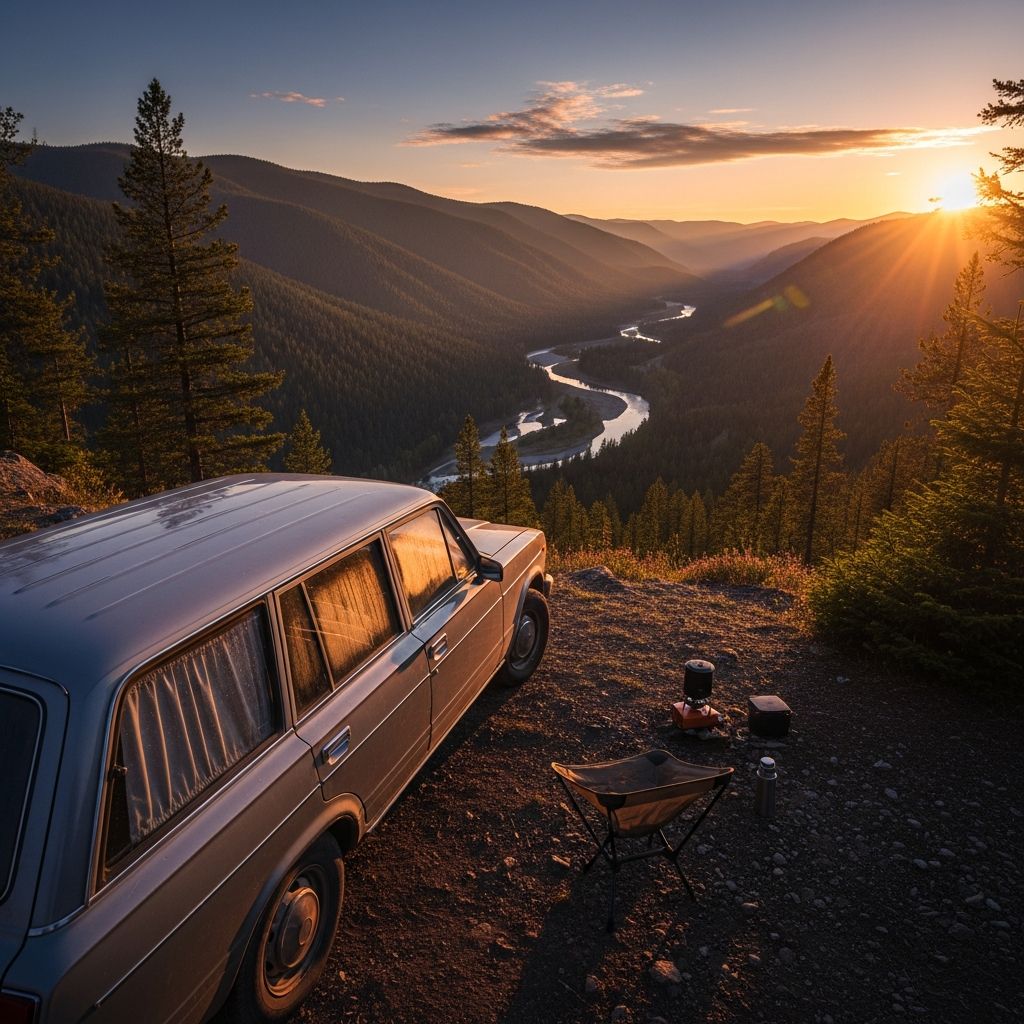
Using a car as a temporary bedroom is common, whether after a long drive, a late shift, or a road trip. But when a few nights of rest turn into living full-time in a vehicle, the legal picture becomes much more complicated. This guide explains how U.S. laws treat sleeping or living in your car, why the rules differ so much from place to place, and how to reduce the risk of fines, towing, or arrest.
Why the Law Treats “Sleeping” and “Living” Differently
There is no single federal law that either bans or permits sleeping in your car. Instead, each state—and often each city or county—regulates behavior like overnight parking, camping in vehicles, and use of public spaces. Local lawmakers typically draw a line between:
- Short-term rest (for safety or convenience, such as a quick nap at a rest area), and
- Extended vehicle habitation (treating the vehicle as a home or campsite).
Short-term rest is often tolerated or explicitly allowed at highway rest stops and designated parking areas. In contrast, long-term vehicle living is frequently limited or effectively pushed out of sight through bans on camping, overnight parking, or “vehicle habitation” on public property.
Key Legal Concepts That Affect Living in Your Car
Whether you can legally live in your car depends on how several types of laws interact where you are parked.
1. Parking and Time Limits
Most cities and towns control how long any vehicle may remain in one spot, regardless of whether someone is sleeping inside. Common rules include:
- Time-limited street parking (for example, no more than 24 or 72 hours in the same place).
- Overnight parking prohibitions in downtown or residential areas.
- Posted signs at lots, beaches, or parks stating “No overnight parking” or “No camping in vehicles.”
Violating these rules can lead to parking tickets, towing, or orders to move along, even if sleeping in a vehicle is not directly outlawed.
2. Anti-Camping and Vehicle Habitation Ordinances
Many municipalities have specific ordinances restricting camping or living in vehicles on public streets or in certain zones. These may use terms such as:
- “Camping” in a vehicle or on public property,
- “Using a vehicle as living quarters”, or
- “Vehicle habitation” in defined areas.
These ordinances often target behavior such as repeatedly sleeping in the same spot, cooking or storing large amounts of belongings in a vehicle, or setting up makeshift camps nearby. Penalties can range from warnings to fines and, in some cases, arrest for repeat violations.
3. Trespass on Private Property
Even if a state or city does not directly outlaw sleeping in your car, parking where you are not welcome creates a separate legal problem: trespass. On private property, you generally need the owner’s consent to park and sleep in your car.
- Parking or sleeping without permission can lead to a demand to leave and, if you refuse, a trespass charge.
- Property owners may also call for your vehicle to be towed if it is parked without authorization.
States commonly define criminal trespass as entering or remaining on property without effective consent after notice is given, whether that notice is a sign, a verbal warning, or written communication.
4. DUI and “Physical Control” of a Vehicle
Trying to avoid driving drunk by sleeping in your car can still expose you to DUI charges in some states. Many DUI laws make it illegal not only to drive but also to be in “actual physical control” of a vehicle while intoxicated.
- Factors that may be considered include whether the keys are in the ignition, where you are sitting, and whether the vehicle is capable of moving.
- Some jurisdictions have upheld DUI convictions where an impaired person was asleep in the driver’s seat with the keys nearby, even if the car was not moving.
It is safer legally (and physically) to avoid drinking to excess if you plan to sleep in your vehicle, or to use alternative transportation to a safer sleeping location.
Typical Places People Try to Live or Sleep in Their Cars
People who rely on cars for shelter often rotate between different locations. Each type of spot carries different legal and practical risks.
| Location Type | Legal Status (Typical) | Main Risks |
|---|---|---|
| Highway rest areas | Often allow short-term rest or limited overnight stays; long-term living is usually not allowed. | Time limits, security checks, being asked to move on, occasional towing for overstay. |
| Public streets (residential or downtown) | Subject to local parking, camping, and nuisance rules; overnight vehicle habitation often restricted. | Tickets, neighbor complaints, police contact, towing for violations or abandoned vehicle rules. |
| Retail lots (e.g., big-box stores) | Depends on store policy and local law; some allow 1 night, others ban any overnight stays. | Trespass warnings, towing, bans from the property, possible police involvement. |
| Campgrounds and RV parks | Often legal if you pay fees and follow rules; some require a tent or RV, not just a car. | Cost, time limits, restrictions on sleeping inside an ordinary vehicle. |
| Your own driveway or property | Usually legal, though local codes may still regulate long-term vehicle storage or visible habitation. | Code enforcement in strict municipalities; complaints from neighbors if the vehicle appears abandoned. |
Why Some Communities Restrict Vehicle Living
Cities often justify restrictions on living in vehicles by citing a mix of public safety, health, and land-use concerns. Common reasons include:
- Preventing long-term encampments on public streets and near businesses.
- Reducing nuisance conditions like noise, trash, or public urination when no facilities are available.
- Protecting property values and neighborhood aesthetics in residential areas.
- Limiting crime risks, including theft from or against people staying in vehicles.
- Managing liability for fires, accidents, or injuries occurring in improvised camps on public land.
At the same time, legal and human-rights advocates point out that these restrictions can effectively criminalize homelessness, pushing people into constant motion rather than providing stable, lawful options. Some federal courts have held that enforcing certain camping bans against people with no access to shelter can violate constitutional protections, prompting ongoing legal and policy debates.
Safer, More Legal Options If You Must Live in Your Car
If living in your car is your only realistic choice—at least for now—there are ways to reduce legal risk and increase safety.
1. Prioritize Locations with Clear Permission
- Campgrounds and RV parks: These often provide bathrooms, showers, and a measure of security. Check whether they allow sleeping in standard cars or require an RV or tent.
- 24-hour gyms: Some people maintain an inexpensive gym membership mainly to access restrooms and showers. Overnight parking may still be restricted, so confirm rules.
- Private driveways or lots with written permission: A written agreement from a property owner can reduce the risk of trespass allegations.
2. Understand Local Rules Before You Park
Because laws vary widely, research the area where you plan to stay:
- Check city or county websites for ordinances on camping, overnight parking, and vehicle habitation.
- Look for posted signs in parking lots, at parks, and along streets.
- Pay attention to time limits at rest areas and public facilities.
If you frequently cross state or county lines, make a habit of reviewing local rules ahead of time. Relying on what was allowed in one city can lead to tickets in the next.
3. Minimize Police and Community Complaints
Even when your presence is technically legal, visible signs of long-term habitation can draw attention and complaints. Practical steps include:
- Keeping belongings organized and out of sight when possible.
- Avoiding loud music, arguments, or other disruptive behavior at night.
- Not leaving trash, bags, or cookware outside your vehicle.
- Moving locations periodically to avoid appearing to camp in one place.
These steps do not guarantee you will be left alone, but they can reduce scrutiny and calls to law enforcement.
4. Protect Your Safety and Health
Living in a car is physically and emotionally difficult. In addition to legal issues, there are serious safety and health concerns:
- Temperature extremes: Cars can become dangerously hot or cold. Public health agencies warn that even mild outdoor temperatures can cause interior temperatures to rise rapidly, creating life-threatening conditions.
- Carbon monoxide risk: Running the engine to stay warm can be hazardous, particularly with blocked exhaust or snow around the car.
- Personal security: Choose well-lit areas where other people are present but not so isolated that help is unavailable.
Where possible, connect with outreach programs or shelters, which may offer safer alternatives even if overnight spots are limited.
How Courts and Policymakers Are Responding
In recent years, some courts and lawmakers have reconsidered how far cities can go in punishing people for sleeping in public or in their vehicles when they have no access to housing.
- Civil rights organizations and homelessness advocates have challenged blanket anti-camping and vehicle habitation bans, arguing that they criminalize survival behavior.
- Several communities have experimented with “safe parking” programs, where people living in vehicles are allowed to park overnight in controlled lots with restrooms, case management, and security.
- State transportation agencies continue to emphasize that rest areas are intended primarily for short-term safety stops, not long-term residence, but some allow extended stays for fatigue management.
The legal landscape remains fluid, and outcomes often depend on local politics, housing availability, and ongoing litigation. People living in vehicles are at the intersection of traffic law, property law, and constitutional law, making clear guidance difficult and highly location-specific.
Practical Checklist Before Sleeping in Your Car
Because legal details vary by jurisdiction, the following checklist is not a substitute for legal advice, but it can help you think through immediate risks:
- Where am I parked? Public street, private lot, rest area, or campground?
- Do I have permission? If on private property, do I have the owner’s explicit consent?
- Are there posted rules? Any signs about overnight parking, camping, or vehicle dwelling?
- Is this a short rest or an ongoing arrangement? Longer stays trigger more laws and complaints.
- Am I under the influence? If you’ve been drinking or using drugs, you may risk DUI charges even if you do not intend to drive.
- Is there a safer alternative? Shelters, safe parking programs, campgrounds, or staying with friends may reduce risk.
Frequently Asked Questions About Living in Your Car
Is it legal to live in your car anywhere in the United States?
No single law covers the entire country. There is no federal ban on sleeping in vehicles, but states and, especially, local governments have their own rules about overnight parking, camping, and vehicle habitation. In many areas, you may sleep in your car temporarily but cannot use it as a long-term residence on public streets.
Can I sleep in my car at a highway rest area indefinitely?
Highway rest areas are generally intended for short-term rest to prevent drowsy driving. State transportation agencies often set specific time limits—commonly a few hours or up to 24 hours—after which you may be required to leave or face enforcement action. They are not designed for permanent or semi-permanent residence.
Is it trespassing to sleep in my car in a store parking lot?
It can be. Even if a lot is open to customers, the owner can restrict overnight parking or vehicle habitation. If there are posted signs or you are told to leave and do not comply, you risk being cited for trespass and having your vehicle towed. Some stores permit one-night stays as a courtesy, but policies differ widely.
Is it safer legally to sleep in the back seat if I’ve been drinking?
Not necessarily. In some states, being intoxicated inside a vehicle with the keys available may satisfy the legal standard for being in “actual physical control,” which can still lead to DUI charges. Laws vary, but relying on your car as a place to sleep after heavy drinking is legally risky. Planning sober transportation is much safer.
What if my car is parked on property I own?
Sleeping in a vehicle on your own property is typically lawful, though local building and zoning codes may restrict using vehicles as permanent housing or may regulate long-term vehicle storage. Neighbors can still complain, which might trigger code enforcement in stricter jurisdictions.
Where can I find help if I’m forced to live in my car?
Local homeless service providers, legal aid organizations, and community outreach programs may help you access shelters, safe parking programs, or social services. Some cities partner with nonprofits to designate secure lots where people living in vehicles can park overnight with fewer legal risks and access to restrooms or caseworkers.
References
- Is It Illegal to Sleep in Your Car? Laws You Need to Know — Reolink. 2023-07-18. https://reolink.com/blog/is-it-illegal-to-sleep-in-your-car/
- Is It Illegal to Sleep in Your Car? | State Laws & Safety Tips — DJC Law. 2023-10-10. https://teamjustice.com/is-it-illegal-to-sleep-in-your-car/
- Is it illegal to sleep in your car in Florida? Discussing the new ”anti-camping” law HB 1365 — YouTube / Exploring With Carrol. 2024-07-05. https://www.youtube.com/watch?v=2lYA-Q0Sznw
- Mobile Homelessness: The Legality Of Living In A Vehicle — Invisible People. 2022-06-06. https://invisiblepeople.tv/mobile-homelessness-the-legality-of-living-in-a-vehicle/
Similar Articles








Read full bio of Sneha Tete


