
Can Teachers Keep Students After the Bell?
Explore when teachers can legally keep students after the bell and how school rules, state law, and student rights fit together.
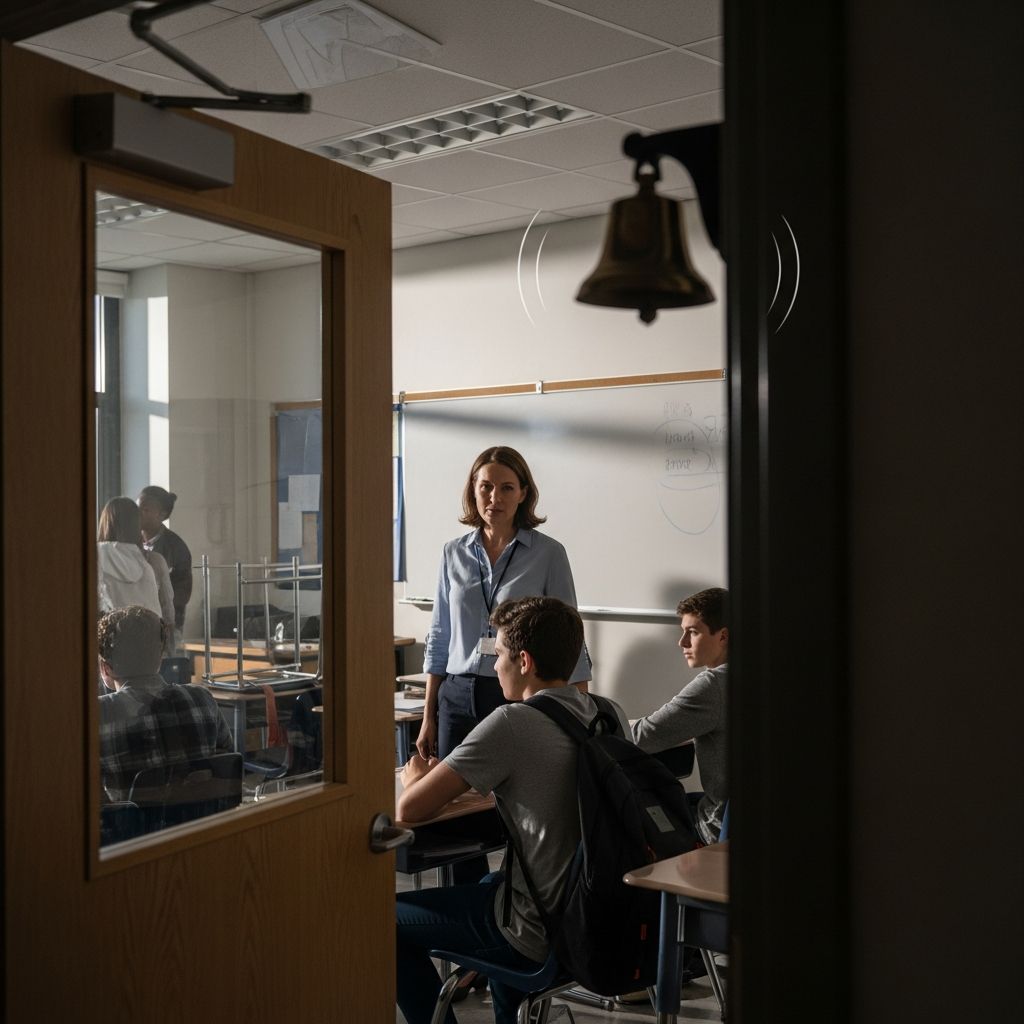
Many students assume that once the bell rings, class is over and they are free to leave. In reality, the law and school rules are more complicated. Teachers and administrators do have authority to keep students briefly after the bell or assign detention, but that power is not unlimited. It exists within a framework of compulsory education laws, student rights, and district policies that vary by state.
This article explains how the law views keeping students after the bell, when it is generally permissible, where the boundaries lie, and what students and parents can do if they believe discipline has gone too far.
1. Why Schools Have Authority Over Students’ Time
Public schools operate under compulsory education laws, which require school-age children to attend school for a set number of days and hours each year. States typically authorize districts to adopt rules needed to enforce attendance and maintain order in classrooms.
Because students are required to attend, courts and legislatures give schools broad—though not unlimited—power to manage the school day, including:
- Setting start and end times for the school day
- Requiring students to attend classes, assemblies, or extra academic support
- Imposing reasonable discipline, including detention, for rule violations
As long as a school action reasonably relates to education, safety, or discipline, it is usually considered within the school’s authority, provided it does not violate constitutional rights, disability laws, or state-specific protections.
2. The Bell vs. the Law: Is the Bell Time a Legal Right?
Students often talk about the bell as if it creates a legal right to leave the classroom at that exact second. In most cases, it does not. The bell is an administrative tool, not a statute or constitutional provision. It signals a scheduled transition time, but it does not itself grant or remove legal rights.
Legally, what matters more is whether the school is acting within its established policies and whether those policies comply with state and federal law. If a teacher keeps a student a few extra minutes for a legitimate educational or disciplinary reason, most courts would treat that as part of the ordinary discipline schools are allowed to impose.
3. Typical Scenarios: When Staying After the Bell Is Expected
While rules differ by school and state, the following scenarios are common and generally considered permissible if applied reasonably and fairly:
- Brief follow-up after misconduct (for example, to talk about classroom behavior or missing assignments)
- Short academic check-ins (clarifying instructions, reviewing test performance, or offering needed support)
- Minor in-class detentions of a few minutes for repeated tardiness or disruption
- Supervision for safety reasons when something has happened that requires staff to keep students in place temporarily
Where problems arise is not usually the fact that a student was kept after the bell, but how long, how often, and for what purpose it happened, and whether it interferes significantly with the student’s rights, health, or access to education in other classes.
4. Detention, Tardiness, and Attendance Rules
Many questions about keeping students after the bell come up in the context of detention or tardy policies. States give school districts considerable discretion to impose penalties for truancy and tardiness, so long as they are consistent with state law and district policy.
| Issue | Common School Response | Legal Considerations |
|---|---|---|
| Repeated tardiness | Lunch detention, after-school detention, or brief hold after class | Generally allowed if reasonable and not excessive; must comply with district policy |
| Unexcused absences | Parent contact, attendance contracts, mandatory meetings, or in-school consequences | States authorize a range of responses and sometimes referrals to truancy programs or courts. |
| Chronic absenteeism | Referral to attendance review boards, required programs, court referrals in serious cases | Statutes often define “truant” or “chronic truant” and outline escalating interventions. |
In some places, schools even use suspension to respond to repeated tardiness or absence, despite concern from advocates that this practice can push students further behind academically.
5. Where the Line Is: Reasonableness and Limits
Although teachers can usually keep students briefly after the bell, that power has limits. Key constraints include:
- Length of time – Holding a student for a couple of minutes is common; holding them for long periods without notice or cause may raise legal concerns.
- Pattern of use – Routine, extended confinement, or using after-class time as a frequent punishment could be challenged as unreasonable or inconsistent with district rules.
- Impact on other classes or obligations – Making a student repeatedly miss another teacher’s class, a bus, or required services can create conflicts.
- Health, disability, or safety concerns – Keeping a student when they need medication, special transportation, or other accommodations may violate disability laws or safety standards.
State education departments often emphasize that penalties for truancy and related issues must be lawful and reasonable, and that districts have discretion but must align with state law. That same logic applies to classroom-level disciplinary practices like brief delays after the bell.
6. How Truancy and Compulsory Education Laws Connect
Understanding truancy helps clarify why schools are so focused on attendance and why they sometimes impose time-related penalties. Many states define truancy based on the number of unexcused absences or periods missed and direct schools to follow a series of steps to address attendance problems.
For example, in one state:
- Parents can be notified after a small number of unexcused absences or tardies.
- Continued issues may trigger required meetings, counseling, or referrals to an attendance review body.
- In severe or ongoing cases, schools can refer students or parents to juvenile court or prosecutors, where penalties might include fines, probation, or educational programs.
These laws show that the state’s goal is to keep students in school and learning. Briefly holding students after the bell for attendance-related discipline is usually seen as part of that enforcement framework, provided it is applied fairly.
7. Constitutional and Civil Rights Considerations
Even when schools act with good intentions, they must respect students’ constitutional and statutory rights. Several legal principles can come into play when students are kept after the bell:
7.1 Due Process and Fair Procedures
When discipline becomes serious enough to affect a student’s education—such as repeated in-school suspensions, out-of-school suspensions, or expulsions—students are generally entitled to basic due process, such as notice of the allegations and an opportunity to respond. The U.S. Supreme Court has recognized that public education is a key interest that cannot be taken away arbitrarily.
A single short hold after class may not trigger formal due process protections, but a consistent pattern of discipline that substantially affects instruction or leads to official sanctions is more likely to require clear procedures and documentation.
7.2 Equal Protection and Nondiscrimination
Schools must avoid policies or practices that treat students differently based on race, disability, gender, or other protected characteristics. Discipline policies—including how and when students are kept after the bell—can come under scrutiny if they are enforced unevenly and result in significant disparities across groups. Federal and state civil rights laws prohibit discrimination in public education.
7.3 Disability Rights
For students with disabilities, holding them after the bell may interfere with services or accommodations required by an individualized education program (IEP) or a Section 504 plan. Schools must ensure that disciplinary actions, including brief delays after class, do not deny access to required supports or violate agreed-upon schedules.
8. Practical Limits: Transportation, Work, and Family Obligations
Even when a teacher is allowed to keep a student briefly past the bell, there are practical realities that educators and families must manage:
- Bus schedules – Missing a school bus can leave a student without safe transportation home, especially in rural areas.
- Caregiving duties – Some students must pick up siblings or assist with family responsibilities after school.
- Jobs or appointments – Older students may have work shifts or medical appointments that rely on timely dismissal.
Courts and school policies often expect a reasonable balance: discipline should promote learning and safety without creating serious, avoidable hardship. Many schools instruct staff to consider transportation and family obligations before assigning after-school time.
9. What Students and Parents Can Do
If a student is occasionally asked to stay a few extra minutes, there may be little reason to escalate. But if being kept after the bell becomes frequent, prolonged, or harmful, students and parents have options for addressing the situation.
9.1 Review School Policies
Most districts publish student handbooks or codes of conduct that cover:
- Attendance and tardiness rules
- Detention and other disciplinary procedures
- Appeal processes or complaint procedures
Checking these documents is often the first step in deciding whether a teacher’s practice is allowed under local rules.
9.2 Communicate with the Teacher
Many conflicts can be resolved by calmly discussing concerns. Helpful questions include:
- Why is the student being kept after the bell?
- How long will it last, and how often do you expect it to happen?
- Can it be scheduled at a time that does not conflict with transportation or other classes?
When teachers understand the student’s obligations and needs, they can often adjust their approach while still addressing behavior or academic issues.
9.3 Use Administrative Channels
If informal discussions do not resolve the issue, parents or students can:
- Raise the concern with a school counselor or assistant principal
- Request a meeting with the principal
- File a written complaint under district policy, especially if they believe rights are being violated
Documentation—dates, times, reasons given, and effects on the student—can make it easier for administrators to evaluate the situation.
9.4 When to Seek Legal Advice
It may be appropriate to consult an education attorney or a legal aid organization if:
- Discipline is frequent and significantly impacting the student’s education
- There are indications of discrimination or retaliation
- The student has a disability and required services or accommodations are being disrupted
- Truancy charges, court hearings, or other legal proceedings are involved
A lawyer familiar with state education laws can explain local standards, review school policies, and recommend next steps.
10. Balancing Classroom Management and Student Rights
From a policy perspective, keeping students after the bell sits at the intersection of two important goals: giving teachers tools to manage classrooms and protecting students’ access to education and fair treatment.
Research and reporting have highlighted concerns that harsh penalties for attendance issues—such as suspensions for tardiness—can backfire by reducing instructional time and increasing disengagement. Education agencies emphasize early intervention, communication with families, and attendance support systems as more constructive approaches.
When schools use brief, reasonable post-bell holds in combination with supportive strategies rather than purely punitive ones, they are more likely to encourage consistent attendance without undermining student trust or opportunity.
Frequently Asked Questions (FAQs)
Q1: Is it always legal for a teacher to keep me after the bell?
Not always, but in many cases a brief hold—such as a few minutes to discuss behavior or assignments—is allowed if it is reasonable and consistent with school policy. Lengthy or repeated detentions that cause serious problems, or that conflict with disability needs or other rights, may be open to challenge.
Q2: Can I be kept after the bell for being late to class?
Yes, many schools use short detentions or after-class conversations as part of their tardiness policies. States allow districts to use a range of responses to attendance issues, and brief detentions are a common, generally lawful tool when applied fairly.
Q3: What if staying after class makes me miss my bus?
You should tell the teacher about your bus schedule and explain the consequences of missing it. Many schools ask staff to avoid discipline that causes transportation problems. If it continues, a parent or guardian can speak with school administration to find a better solution.
Q4: Can a teacher hold the whole class after the bell because a few people misbehaved?
Collective punishment—keeping everyone because of a few students’ actions—is often unpopular but not automatically illegal. However, if it is extreme, frequent, or conflicts with specific rights or accommodations, parents can challenge it as unreasonable or inconsistent with school policy.
Q5: When does this become a legal issue rather than just a school rule issue?
It becomes more clearly a legal issue when discipline affects access to education (through frequent suspensions, missed services, or lost instruction), when discrimination or retaliation is alleged, or when attendance problems escalate into truancy proceedings involving courts or law enforcement.
References
- Enforcement of Compulsory Education Laws – School Attendance Review Boards — California Department of Education. 2011-10-01. https://www.cde.ca.gov/ls/ai/sb/sarbhbkenforcement.asp
- Truancy – Attendance Improvement — California Department of Education. 2021-09-01. https://www.cde.ca.gov/ls/ai/tr/
- Truancy Laws in California — The Rodriguez Law Group. 2020-05-15. https://www.aerlawgroup.com/blog/truancy-laws-in-california/
- California Truancy Laws – Rules for Parents & Children — Shouse Law Group. 2022-06-10. https://www.shouselaw.com/ca/defense/laws/truancy-laws/
- When the punishment is the same as the crime: Suspended for missing class — Center for Public Integrity / The Hechinger Report. 2022-02-14. https://publicintegrity.org/education/when-the-punishment-is-the-same-as-the-crime-suspended-for-missing-class/
Similar Articles








Read full bio of Sneha Tete


