
Can Prank Calls Get You Arrested? Legal Risks Explained
Understand when a phone prank stops being a joke and turns into a criminal offense with real legal and financial consequences.
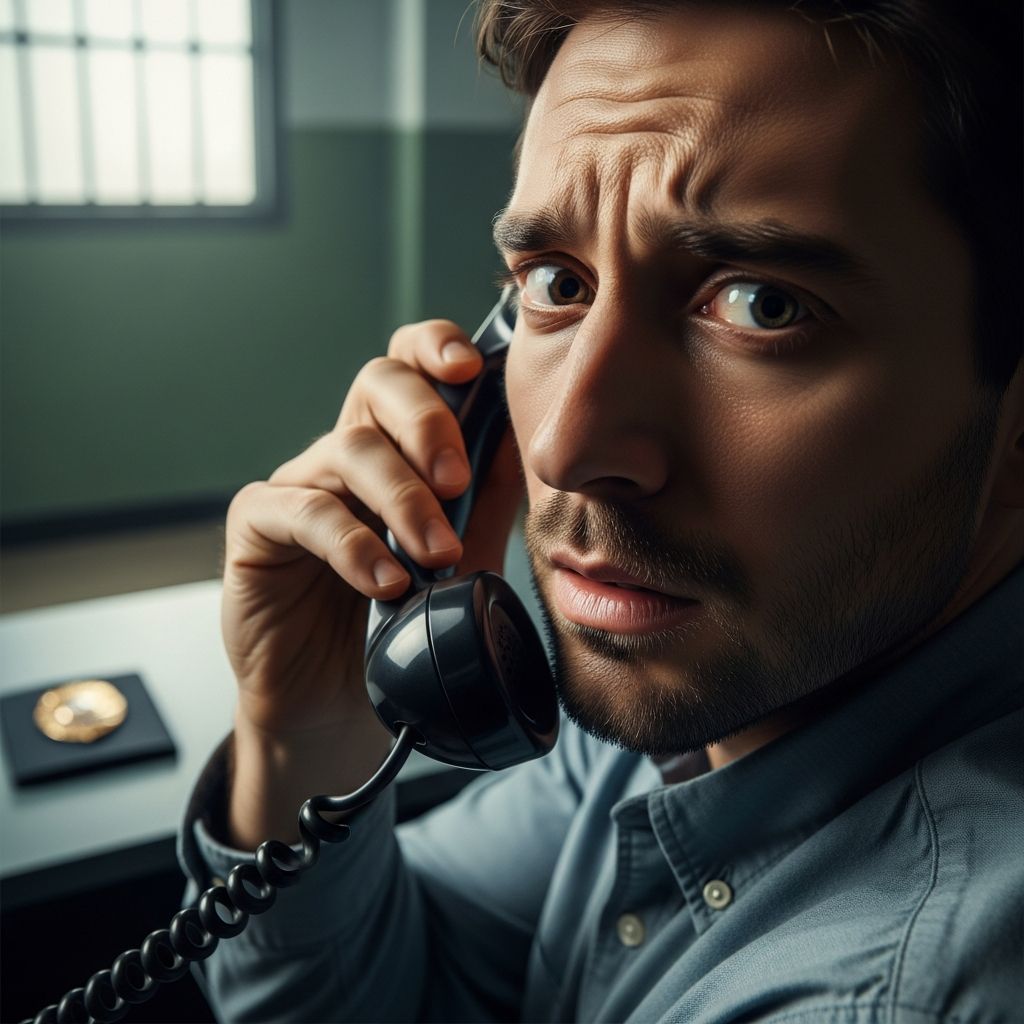
Phone pranks are often treated as harmless jokes, especially among teenagers and young adults. But in modern criminal law, certain kinds of prank calls can lead to arrest, criminal charges, and even a permanent record. Understanding where the legal line sits can help you avoid a joke turning into a court case.
Harmless Joke or Crime? The Legal Line
In most places, there is no single statute titled “prank call law.” Instead, prosecutors rely on broader criminal laws that apply whenever the call is threatening, deceptive, or seriously disruptive to others. Whether a prank is legal depends largely on its intent and its impact on the person receiving the call.
- Intent: Was the caller trying to scare, threaten, or torment someone?
- Impact: Did the call cause fear, emotional distress, or waste emergency services?
- Context: Was the call to a friend who understood the joke, or to a stranger or emergency number?
Even if the caller claims it was “just a joke,” the law tends to focus on how a reasonable person would react and the actual consequences that followed.
Common Criminal Charges Linked to Prank Calls
Different states define these crimes differently, but several recurring categories appear across U.S. law.
| Type of Law | Typical Conduct Involved | How It Relates to Prank Calls |
|---|---|---|
| Harassment / Annoying Calls | Repeated or obscene contact intended to bother or alarm someone | Multiple calls, late at night, or using abusive language to upset the victim |
| Disorderly Conduct / Breach of Peace | Behavior that disturbs public order or safety | Pranks that cause arguments, disturbances, or public disruption |
| Stalking / Cyberstalking | Repeated contact that causes fear or distress | Targeting the same person with persistent, scary calls |
| False Emergency Reports | Knowingly reporting an emergency that does not exist | Calling 911 about fake crimes, fires, or shootings |
| Impersonating Officials | Pretending to be law enforcement or other officials | Claiming to be police, FBI, or emergency dispatch to intimidate someone |
Some states, such as California, even have specific laws targeting telephone harassment and annoying or threatening calls.
Harassing or Obscene Calls
The most common way a prank call becomes a crime is when it is intended to harass, threaten, or seriously annoy the other person. For example, California law makes it a misdemeanor to make repeated or obscene calls with the intent to annoy or harass someone, punishable by up to six months in jail and a fine of up to $1,000.
Behaviors that often fall under harassment or similar laws include:
- Calling the same number over and over after being told to stop
- Using vulgar or obscene language, especially of a sexual nature
- Making explicit threats of violence or harm
- Targeting a particular person as part of bullying or domestic abuse
In states that do not have a specific phone-harassment statute, these calls may still be prosecuted under general harassment or stalking laws if they cause substantial emotional distress or fear.
False 911 Calls and Emergency “Pranks”
One of the most serious forms of prank calling involves false reports to emergency services. Calling 911 or other emergency lines with fake information is illegal in every state and can result in significant penalties.
Consequences often include:
- Criminal charges for filing a false report or misusing emergency services
- Jail or prison time, especially if the call is part of a dangerous hoax
- Orders to repay the cost of the emergency response (restitution)
Many states treat false emergency reports as misdemeanors with potential jail terms of up to one year and fines of up to $1,000. However, if the call creates a serious risk of death or injury, or someone is actually harmed, the charges can be elevated to a felony, which may carry multi-year sentences and much higher fines.
“Swatting”: Extreme Emergency Hoaxes
“Swatting” is a form of false emergency report where someone calls police claiming a serious crime—such as an active shooter or hostage situation—at another person’s address, prompting a heavily armed police response. Law enforcement agencies and prosecutors treat swatting as extremely serious due to the risk of injury or death to both officers and innocent bystanders.
Potential consequences of swatting can include:
- Felony charges for false reporting or making terrorist threats
- Years in state prison
- Restitution for police overtime, equipment, and any property damage
- Additional charges if someone is hurt or killed during the response
Recording or Sharing Prank Calls
Many prank calls today are recorded and posted online for entertainment. That raises a separate set of legal issues tied to wiretapping and privacy laws.
States generally fall into two categories:
- One-party consent states: Only one person on the call (often the caller) must consent to recording.
- All-party (two-party) consent states: Everyone on the call must agree to being recorded.
In all-party consent states such as California, secretly recording a phone call without the other party’s consent can itself be a crime, even if the content of the call is not otherwise illegal. Violations of wiretapping or eavesdropping laws can be charged as misdemeanors or felonies depending on the circumstances, and may carry fines and possible jail or prison time.
Potential Penalties for Illegal Prank Calls
Because prank calls fall under many different statutes, the range of penalties is broad. Penalties often depend on whether the conduct is charged as a misdemeanor or felony and whether anyone was hurt or seriously endangered.
| Type of Offense | Typical Classification | Possible Penalties (Example Ranges) |
|---|---|---|
| Annoying / harassing calls | Misdemeanor | Fines up to ~$1,000; up to 6–12 months in local jail; probation and counseling. |
| False non-emergency police report | Misdemeanor | Fines; up to one year in jail; restitution for response costs. |
| False 911 / emergency report | Misdemeanor or felony | Up to one year in jail for basic cases; several years in prison and high fines if injury or major risk occurs. |
| Swatting incident | Usually felony | Multi-year prison sentences; restitution; additional charges if injury or death occurs. |
| Illegal recording of calls | Misdemeanor or felony (depends on state and facts) | Significant fines, possible jail or prison time, and civil damages. |
The specific numbers—such as maximum jail time or fine amounts—vary by state, and some states impose even harsher penalties for repeat offenders or when minors, domestic partners, or vulnerable people are targeted.
Civil Lawsuits: Being Sued Over a Prank Call
Criminal charges are only part of the risk. Victims of prank calls can also seek civil damages in court. Civil cases are about compensation rather than punishment, and the standard of proof is lower than in criminal cases.
Potential civil claims stemming from prank calls include:
- Intentional infliction of emotional distress if the conduct was extreme and caused severe psychological harm
- Negligence if careless actions caused foreseeable harm
- Invasion of privacy, especially if a call was illegally recorded or widely shared
- Property damage or financial loss linked to an emergency response or business disruption
In serious cases—such as swatting—civil damages can be very high, particularly when emergency responses lead to injuries, property damage, or large-scale public safety operations.
What If the Call Was to a Friend or Family Member?
Many prank calls occur within a social circle, such as friends, siblings, or cousins. While the risk of prosecution is often lower in these contexts, the same laws technically apply. A prank call to someone you know might still be illegal if it:
- Includes threats of violence
- Causes panic, such as by falsely claiming a serious emergency
- Repeatedly targets someone who has asked you to stop
- Is recorded and posted online in a way that humiliates or seriously harms them
Courts generally look at how the recipient experienced the call. If they reasonably felt scared, harassed, or humiliated, the fact that the caller saw it as “just a joke” may not be a strong defense.
Minors, Parents, and Liability
Teenagers and younger children are frequent prank callers, particularly when they have access to smartphones and internet-based calling apps. Even when minors are involved, prank calls can still result in:
- Juvenile delinquency proceedings rather than adult criminal court
- Court-ordered counseling, community service, or probation
- Parental responsibility for fines, restitution, or civil damages in some jurisdictions
Because false emergency reports and swatting incidents have led to real injuries and deaths, law enforcement increasingly treats such behavior seriously even when the suspect is under 18.
How to Keep Pranks on the Right Side of the Law
If you or your kids enjoy practical jokes, it is essential to shape them in ways that do not cross legal boundaries. Some practical guidelines include:
- Do not involve emergency services: Never call 911 or law enforcement as part of a prank.
- Avoid threats or scary scenarios: Jokes about violence, crimes, or disasters often look like real threats to the person on the other end.
- Respect “stop”: If someone says they are uncomfortable or asks you to stop calling, stop immediately.
- Be careful with recording: Know your state’s consent rules before recording any call, and avoid posting recordings that could humiliate or identify someone without permission.
- Think about impact, not just intent: Ask whether a reasonable stranger would find the call harmless or frightening.
Parents and guardians may want to explain that online “prank culture” and viral content do not reflect what courts and police see as acceptable behavior. What gets laughs on social media can still be treated as criminal in the real world.
Frequently Asked Questions (FAQs)
Q: Can you really be arrested for a prank call?
Yes. If a prank call violates laws against harassment, stalking, false reporting, or similar offenses, the caller can be arrested and charged.
Q: Are all prank calls to 911 illegal?
Calling 911 is for genuine emergencies only. Making a false emergency report—whether you call it a prank or not—is illegal in every state and can carry jail or prison time.
Q: What if I did not mean any harm?
Courts focus more on what you did and the impact it had than on whether you thought it was funny. A “joke” can still be a crime if it reasonably caused fear, distress, or misuse of emergency services.
Q: Is it legal to record a prank call and post it online?
That depends on state recording laws. In all-party consent states, it is illegal to record private phone conversations without everyone’s consent. Posting the recording online can also create privacy and defamation risks.
Q: How can I find out what my state’s law says?
Because prank calls can trigger many different statutes, the safest approach is to review your state’s criminal code or consult a licensed attorney in your area. Official state court or legislature websites often publish up-to-date versions of relevant laws.
References
- Is It Illegal to Make Prank Calls in California? — Simmrin Law Group. 2023-06-01. https://www.simmrinlawgroup.com/faqs/illegal-to-make-prank-calls-ca/
- Are Prank Calls Illegal? Know Your Rights! — Garrett, Walker, Aycoth & Olson. 2023-08-10. https://www.garrettandwalker.com/are-prank-calls-illegal/
- “Can I Go to Jail for Prank Calls?” — Former District Attorney Explains — YouTube / Prindle Law. 2023-09-15. https://www.youtube.com/watch?v=Yt6l9qyR31Y
- The Legal Consequences of Prank 911 Calls: A Comprehensive Guide — Law Office of Michael L. Fell. 2022-11-18. https://www.mfellattorneyatlaw.com/the-legal-consequences-of-prank-911-calls-a-comprehensive-guide/
- Is Prank Calling Illegal? A Defense Attorney Explains — Shouse Law Group. 2023-05-05. https://www.shouselaw.com/ca/blog/is-it-illegal-to-make-prank-calls/
Similar Articles








Read full bio of Sneha Tete


