
Can Car Passengers Drink Alcohol? Understanding Open Container and DUI Risks
Learn when passengers can legally drink in a car, how open container laws work, and how these rules can still affect drivers and DUI risk.
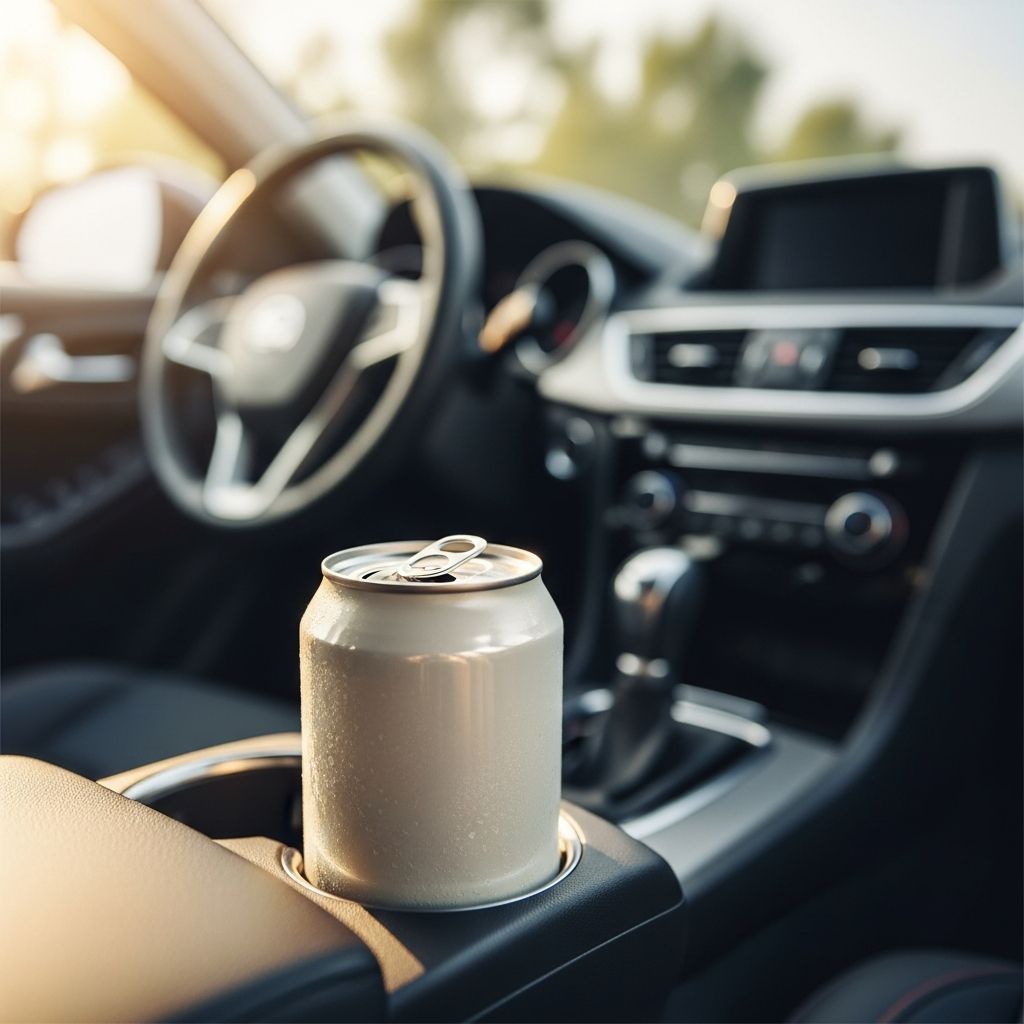
Whether a passenger may drink alcohol in a moving or parked vehicle is not a simple yes-or-no question. The answer depends on your state’s open container laws, where the alcohol is stored, the age of everyone in the vehicle, and whether anyone is driving under the influence.
This guide explains how these rules generally work in the United States, the most common exceptions, and how passengers’ behavior can still create serious consequences for the driver.
Why Passenger Drinking Laws Matter
Most people know that driving under the influence of alcohol or drugs is illegal in every state, with criminal penalties that can include fines, license suspension, and jail time. However, fewer people realize that simply having alcohol inside a vehicle—especially in an unsealed container—can itself be a separate offense, even if no one is obviously drunk.
- Open container laws typically make it unlawful to possess or consume alcohol in an open container inside the passenger area of a vehicle on a public road.
- Violations are often treated as traffic infractions, but they can escalate, particularly for underage drivers and passengers.
- Police frequently discover open container violations during routine traffic stops or DUI investigations, so a minor issue can quickly become a criminal case.
What Is an “Open Container” of Alcohol?
Although wording varies by state, an open container of alcohol generally means any bottle, can, or other receptacle that:
- Contains an alcoholic beverage, and
- Has a broken seal, has been opened, or has had some contents removed.
Federal guidance used for highway funding purposes defines an open container law as one that prohibits the possession of any open alcoholic beverage container in the passenger area of a motor vehicle on a public highway. States keep authority over the details, but most follow the same basic approach.
Key point: In many states, it does not matter whether anyone is currently drinking from the container; what matters is that the container is open and accessible within the passenger area.
General Rule: Can Passengers Drink in the Car?
In the majority of states, passengers may not drink alcohol in a car on a public road because open container laws apply to anyone in the passenger area, including non-drivers. Some states use slightly different structures:
- States where both driver and passengers can be cited for having an open container within reach in the passenger area.
- States where only the person possessing or consuming the alcohol is cited, even if others are present.
- A smaller number of states with more limited or no statewide open container bans, sometimes leaving rules to local governments.
Even where the law technically focuses on the person holding the container, officers may presume that a container in a shared space (like a cup holder or console) is associated with the driver unless there is clear evidence otherwise.
How Open Container Violations Affect Drivers
Even if only the passenger is drinking, an open container can still create problems for the driver.
| Issue | How It Can Affect the Driver |
|---|---|
| Citation for open container | Some states presume the driver is responsible for any open alcohol in the passenger area unless it is clearly in the passenger’s possession. |
| Heightened suspicion of DUI | Visible open alcohol can justify closer sobriety checks, field tests, or a breath or blood test for the driver. |
| Evidence in a DUI prosecution | An open container in the vehicle can be used as circumstantial evidence of recent drinking by the driver, even if the passenger claims it. |
| Insurance and record impact | Traffic infractions, including alcohol-related violations, can raise insurance rates and appear on the driver’s record. |
Exceptions: When Passenger Drinking May Be Allowed
Many open container laws contain explicit exceptions. These are often narrow and vary by state, so it is important to check local law, but common examples include:
- Limousines and party buses: Passengers in the back may usually consume alcohol if the vehicle is operated by a professional driver and meets statutory requirements.
- Taxis and rideshare vehicles: Some states exempt passengers in for-hire vehicles, while others still prohibit any open container inside the passenger area.
- Recreational vehicles (RVs) and motorhomes: Alcohol may sometimes be consumed in the living quarters if those areas are separated from the driver’s compartment.
- Vehicles on private property: Open container laws typically apply on public roads or rights-of-way; activity entirely on private property may fall outside the statute, though DUI rules can still apply.
Even where passenger drinking is allowed, the driver remains fully subject to DUI laws. If the driver is impaired or over the legal blood alcohol concentration (BAC) limit, they can be arrested and prosecuted regardless of any passenger exemptions.
Underage Passengers and Zero-Tolerance Rules
All U.S. states enforce a minimum drinking age of 21, and most have zero-tolerance or near-zero BAC limits for drivers under that age. When underage passengers or drivers are involved, carrying or consuming alcohol in a car can be treated more harshly than a basic open container infraction.
Typical features of these laws include:
- Prohibitions on possession in a vehicle: Under-21 drivers and passengers are often barred from knowingly possessing alcohol in a car, whether the container is open or closed, unless a specified exception (such as work duties or a parent/guardian) applies.
- Higher penalties: Violations may be charged as misdemeanors, with possible fines, community service, license suspension, or even jail time in serious or repeated cases.
- License consequences: Departments of motor vehicles can suspend or delay issuance of a license when underage alcohol-transport or possession laws are broken, even if no one was driving impaired.
Because these rules are stricter and often apply regardless of whether the driver is sober, adults should be cautious about transporting alcohol when minors are in the vehicle.
Can a Passenger Ever Be Charged with DUI?
In most situations, only the person who is actually driving the vehicle can be charged with DUI. However, certain scenarios can expose a passenger to DUI charges:
- If an intoxicated passenger takes physical control of the steering wheel or assists with steering, even briefly, some states treat this as “driving” for DUI purposes.
- If officers arrive at a scene and cannot reliably determine who was driving, a highly intoxicated passenger could face investigation or charges while the facts are sorted out.
Even if a passenger is not charged with DUI, they can still be cited for related offenses such as open container violations, underage possession of alcohol, or drug possession if illegal substances are found in the vehicle.
Where Is Alcohol Allowed Inside the Vehicle?
Most open container statutes draw a line between the vehicle’s passenger area and areas used solely for cargo or storage. While the exact wording differs, the general pattern is:
- Generally prohibited locations (where open alcohol is usually unlawful):
- Front and back seats
- Center consoles and cup holders
- Door pockets and seat-back pockets
- Unlocked glove compartments
- Commonly permitted locations (where open alcohol may be allowed under many laws):
- Trunk or locked storage area not accessible while driving
- Sealed external cargo boxes
- In some cases, the living space of an RV or camper
Storing any opened alcohol container in the trunk or another area not reachable from the passenger seats is usually the safest option to avoid legal issues.
Potential Penalties for Passenger Drinking and Open Containers
Penalties depend on state law and the specific circumstances, but they typically fall into several categories:
- Traffic infraction: Many open container violations are handled as non-criminal infractions punishable by a fine.
- Misdemeanor charges: When underage possession or repeated violations are involved, or when an open container is connected to a DUI case, prosecutors may file criminal misdemeanor charges.
- License impacts: Underage offenders can face driver’s license suspension, revocation, or delayed eligibility.
- Vehicle impoundment: Some jurisdictions allow police to impound vehicles in certain alcohol-related offenses involving underage drivers or repeat offenders.
- Collateral consequences: A criminal record can affect employment, education opportunities, and insurance rates.
Practical Tips to Stay Within the Law
Because open container and DUI rules vary across jurisdictions, the safest approach is to adopt conservative practices whenever alcohol and vehicles mix.
- Keep any opened alcohol only in the trunk or a non-passenger storage area.
- Do not allow passengers—especially those under 21—to carry drinks or alcohol containers in the passenger area.
- Understand that designated drivers must remain completely sober, regardless of what passengers are doing.
- Clarify house rules with your group before traveling to prevent passengers from opening alcohol in the car.
- Be especially cautious when you cross state lines, because rules and penalties may change from one jurisdiction to another.
When to Talk to a Lawyer
If you or a passenger has been cited or arrested for an alcohol-related offense in a car, consider consulting an experienced criminal defense or DUI attorney in your state. Laws are highly specific, and a lawyer can:
- Explain the exact statute you are accused of violating.
- Evaluate whether the traffic stop and any search were lawful.
- Identify defenses, such as lack of possession, improper police procedures, or misidentification of the driver.
- Negotiate with prosecutors to reduce or dismiss charges where appropriate.
Frequently Asked Questions (FAQs)
Can passengers drink alcohol if the car is parked?
Often, open container laws apply to vehicles located on a public road or right-of-way, regardless of whether the car is moving. Parking on private property may change the analysis, but DUI rules can still apply if someone later drives after drinking. Always check your state’s specific statute.
Is it legal to drink in a limousine or party bus?
Many states allow passengers in certain for-hire vehicles—like limousines or chartered buses—to drink alcohol, provided the driver is professionally licensed and remains sober and there is a clear separation between the driver and passenger areas. However, details differ by jurisdiction, so local law controls.
Can a rideshare passenger drink alcohol in the back seat?
In some states, passengers in for-hire vehicles, including taxis or rideshares, may have more leeway. In others, any open container in the passenger area is still illegal. Because the driver’s record and livelihood are at stake, most rideshare companies forbid open containers in their vehicles even if local law might permit it.
Does the driver get in trouble if only the passenger is drunk?
A sober driver is not typically liable just because a passenger is intoxicated. However, if the passenger is holding an open alcoholic drink and state law treats the driver as responsible for any open container in the car, the driver could receive a citation. Open alcohol may also lead officers to scrutinize the driver more closely for DUI.
What should I do with unfinished alcohol before driving home?
If the law in your state allows you to transport an opened container at all, the safest practice is to reseal it if possible and place it in the trunk or another area not accessible from the passenger seats. Never leave an open bottle or cup in a cup holder or within reach of anyone in the passenger area.
References
- Teen Drivers: Get the Facts — U.S. Centers for Disease Control and Prevention (CDC). 2024-02-08. https://www.cdc.gov/transportationsafety/teen_drivers/teendrivers_factsheet.html
- Underage Drinking Laws — National Highway Traffic Safety Administration (NHTSA). 2023-09-15. https://www.nhtsa.gov/risky-driving/underage-drinking
- Impaired Driving — National Highway Traffic Safety Administration (NHTSA). 2024-01-05. https://www.nhtsa.gov/risky-driving/drunk-driving
- Open Container Laws and Motor Vehicle Occupants — National Highway Traffic Safety Administration (NHTSA). 2020-10-01. https://one.nhtsa.gov/people/injury/alcohol/OpenContainer/
Similar Articles








Read full bio of medha deb




