
Can I Sue Someone for Secretly Recording Me?
Learn when unauthorized recordings violate privacy laws, what remedies you may have, and how consent rules differ by state.
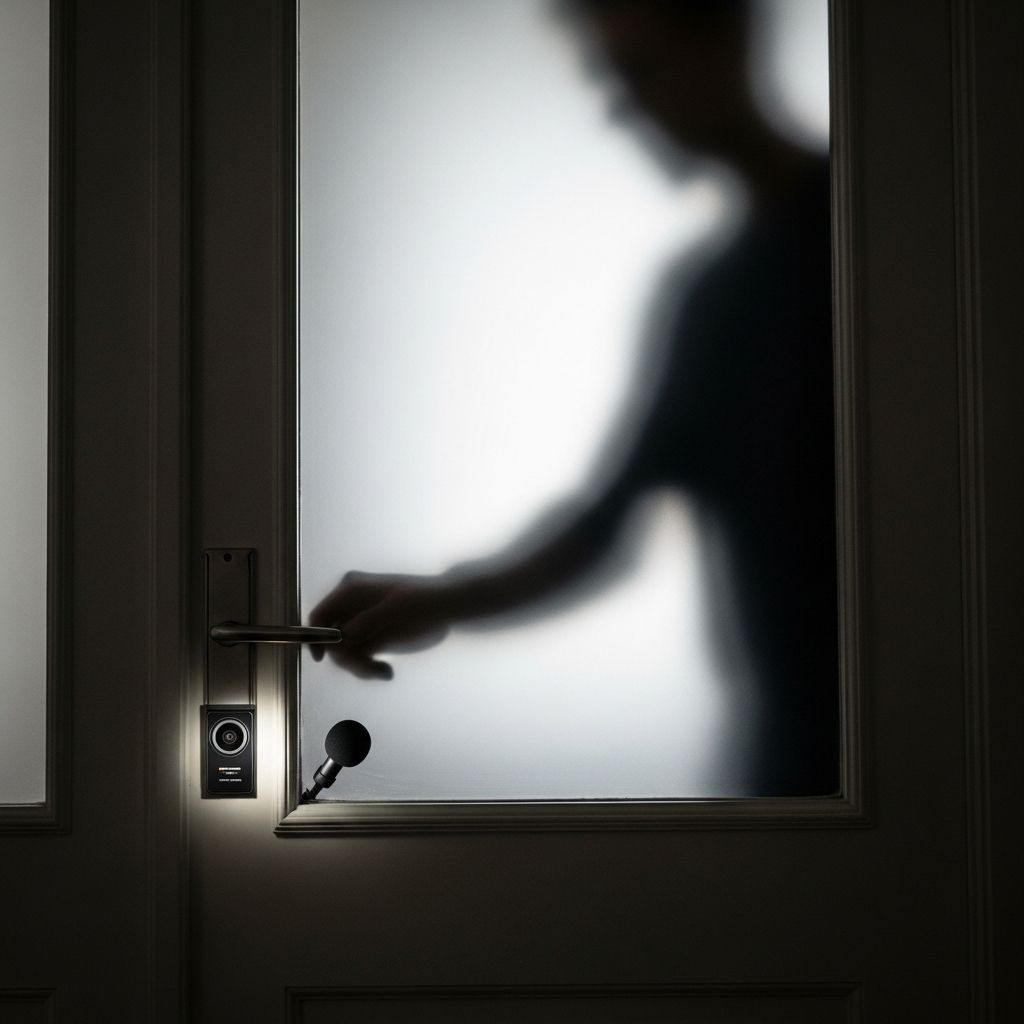
Smartphones have turned nearly everyone into a potential videographer. But if someone captures your image or voice without permission, you may wonder whether that recording is legal and whether you can sue. The answer depends on where you were, what was recorded, how it was used, and the consent rules in your state.
This guide explains when recording is allowed, when it may violate privacy or wiretapping laws, and what legal options you may have if you were recorded without consent.
Key Factors That Determine If a Recording Is Legal
Before you can decide if you can sue, you must first determine whether the recording was lawful. Several core questions matter:
- Location: Were you in a public place or a private space?
- Type of recording: Audio, video, or both?
- Expectation of privacy: Did you reasonably expect to be free from monitoring there?
- Consent rules: Does your state require one-party or all-party consent for audio conversations?
- Use of the recording: Was it kept private, shared with a few people, or posted online to a wide audience?
Only by combining these elements can a lawyer assess whether the recorder broke criminal laws, violated your privacy, or committed some other civil wrong.
Public vs. Private Places: Why It Matters
In U.S. law, privacy protections often hinge on whether you had a reasonable expectation of privacy in the place where you were recorded.
| Setting | Common Expectation of Privacy | Typical Rule of Thumb |
|---|---|---|
| Public streets, parks, outdoor protests | Low | Recording usually allowed if not harassing or stalking. |
| Stores, malls, restaurants (open to public) | Moderate | Video generally allowed; audio may be restricted by state consent laws. |
| Home, hotel room, restroom, changing room | Very high | Secret recording here is often illegal and may be both a crime and grounds for a lawsuit. |
| Workplace | Varies by area & policy | Security cameras may be allowed; hidden audio or cameras in private areas may be illegal. |
Even in public, there are limits. For example, repeatedly following and recording a person might support a stalking or harassment claim even if done in a public space, especially when combined with threats or intimidation.
Understanding Consent Laws for Audio Recordings
Most disputes about recording involve audio because many states have specific wiretapping or eavesdropping statutes that regulate recording “oral communications.”
One-Party vs. All-Party Consent States
Under federal law and many state laws, only one party to a conversation must consent to recording. Other states require all participants to agree in advance.
- One-party consent: If you are part of the conversation, you may record it without telling the other side, as long as you are in a one-party consent state and no other special rule applies.
- All-party (or two-party) consent: Everyone participating must agree to being recorded. Secretly recording a private conversation in these states can be a crime and may support a civil lawsuit.
States such as California and Massachusetts, for example, generally require consent from all parties to record certain kinds of communications, though each state’s statute includes specific definitions and exceptions.
Cross-State Communications
Things get more complicated when people are located in different states during a phone or video call. Some states with strict all-party consent laws attempt to apply their protections even when the other caller is in a more permissive jurisdiction, making multistate recordings risky without clear consent.
When Secret Recording May Be a Crime
Nearly all states criminalize the surreptitious interception of certain private conversations. Violations can carry fines, potential jail time, or both, and some statutes expressly allow victims to seek civil damages.
Secret recording may be criminal if, for example:
- It violates an all-party consent law for private conversations.
- It occurs in a space where intimate privacy is expected, such as bathrooms or dressing rooms.
- Hidden cameras capture nudity or sexual activity without the person’s consent (often covered by “voyeurism” or “peeping” laws).
- The recorder uses specialized interception equipment that state or federal law restricts.
Even if police or prosecutors do not bring charges, the same conduct may still serve as the basis for a civil lawsuit for invasion of privacy, emotional distress, or other claims.
When You May Have a Civil Claim for Being Recorded
If someone recorded you without permission, your ability to sue will turn on the specific legal theory you pursue. Below are common civil claims that may apply.
1. Invasion of Privacy
Many states recognize torts (civil wrongs) for invasion of privacy. Two forms are especially relevant to secret recordings:
- Intrusion upon seclusion: Intentionally intruding into your private affairs in a way that would be highly offensive to a reasonable person, such as hiding a camera in your bedroom or bathroom.
- Publication of private facts: Publicly disclosing highly personal information about you that is not of legitimate public concern and would be offensive to a reasonable person—for example, posting a video of you undressing in your home without your consent.
Secret recordings in spaces like homes, medical offices, or hotel rooms can often support such claims if they capture genuinely private activities or conversations.
2. Violations of Wiretapping or Eavesdropping Statutes
Some state wiretap laws grant individuals a right to sue someone who illegally records or discloses their communications, in addition to any criminal penalties the state may impose.
These civil statutes may allow you to seek:
- Actual damages: Emotional distress, financial loss, or other provable harm.
- Statutory damages: A fixed amount per violation, regardless of documented financial loss (available in some jurisdictions).
- Punitive damages: Extra sums intended to punish especially egregious behavior.
- Attorney’s fees and costs: Recovery of some or all of your legal expenses if allowed by statute.
3. Intentional Infliction of Emotional Distress
If the recorder’s conduct was extreme and outrageous—for example, secretly filming you in a vulnerable moment and sharing it specifically to humiliate you—you may be able to claim intentional infliction of emotional distress, often alongside invasion of privacy.
4. Harassment, Stalking, or Workplace Claims
Recording can also be one piece of a broader pattern of misconduct:
- Stalking or harassment: Repeated, unwanted recording and following may help prove stalking or harassment, which can support both criminal charges and civil restraining orders.
- Workplace violations: Secretly recording in the workplace may conflict with employer policies or privacy expectations, though labor law sometimes protects recordings tied to collective employee concerns.
How the Use and Sharing of the Recording Affects Your Rights
The harm from a secret recording often arises less from the act of recording and more from how the footage or audio is used.
Key questions include:
- Was the recording shared publicly? Uploading a video to social media can exponentially increase potential harm compared to keeping it private.
- Was the content truthful but highly personal? This may support a “publication of private facts” claim.
- Was the content false or edited to mislead? That could raise defamation or false light issues in addition to privacy claims.
- Was the subject a private individual or public figure? Public figures often have less privacy protection, but they are not without rights.
Courts sometimes weigh privacy interests against free-speech rights under the First Amendment, particularly when the recording involves matters of public concern or government officials performing their duties.
Special Contexts: Police, News, and the Public Interest
Recording involving law enforcement and public officials is a developing area of law, especially when it intersects with free-speech and newsgathering rights.
Recording Police and Public Officials
Many courts have recognized a First Amendment right to record police and other officials in public performing their duties, as long as you do not interfere with their work. Even so:
- Audio components may still be subject to state consent laws.
- Police may lawfully impose reasonable time, place, and manner limits.
- They generally cannot demand you delete or destroy your recordings without a court order.
Journalists and Illegally Obtained Recordings
Journalists and media outlets face special issues when they receive recordings made illegally by someone else. Federal courts have held that the First Amendment can protect publishing truthful information of public concern even when the underlying recording was unlawful, so long as the journalist was not involved in the illegal interception.
For private individuals, sharing such content still risks civil liability if it spreads private information or contributes to emotional distress, especially when there is no strong public interest justification.
Practical Steps If You Were Recorded Without Consent
If you believe someone recorded you unlawfully, consider the following actions:
1. Preserve Evidence
- Save copies or screenshots of the recording and any posts where it appears.
- Document dates, locations, and witnesses.
- Keep any threatening messages or comments connected to the recording.
2. Ask for Removal or Takedown
- Contact the person who posted the content and request that they remove it.
- Use platform reporting tools (for example, for harassment, non-consensual intimate images, or doxxing) to seek removal.
- In clear privacy-violation scenarios, some platforms and sites respond more quickly if you emphasize safety or exploitation concerns.
3. Consult Law Enforcement
If you suspect criminal violations—such as voyeurism, stalking, or recording in an all-party consent state—you can file a police report and provide all evidence.
4. Talk to a Civil Attorney
Because state laws differ significantly, speak with a lawyer familiar with privacy or civil rights in your state. They can:
- Evaluate whether state or federal laws were broken.
- Explain your chances of success in a civil lawsuit.
- Discuss potential damages and litigation costs.
- Explore negotiation or settlement options before filing suit.
Situations Where You May Not Be Able to Sue Successfully
Even if being recorded feels invasive or upsetting, not every recording will give rise to a viable lawsuit. You may have limited or no claim when:
- You were filmed in a clearly public area where many people could see you and no intimate details were captured.
- The recorder complied with your state’s one-party consent law for conversations and was a participant in the discussion.
- The recording is used for legitimate purposes, such as documenting workplace safety issues or evidence of discrimination, and is allowed under relevant labor or whistleblower laws.
- The content does not reveal private facts, is not misleading, and is not widely disseminated.
These boundaries are often frustrating for people who feel wronged. However, they reflect the law’s attempt to balance privacy with free speech, public safety, and the value of documenting events.
Frequently Asked Questions (FAQs)
Q: Is it always illegal for someone to record me without telling me?
No. In many states, a person who participates in a conversation may legally record it without notifying others, and video recording in public spaces is often allowed. Secret recordings become more likely to be illegal when they occur in private spaces, violate all-party consent laws, or capture highly personal activities.
Q: Can I sue if someone films me in a public place and posts it online?
It depends on what is shown and how it is used. Simply appearing in the background of a public video usually does not support a lawsuit. However, if the video focuses on you, reveals sensitive private information, or is used to harass or endanger you, you may have potential claims for invasion of privacy, harassment, or emotional distress, subject to strong free-speech defenses in some cases.
Q: What if the recording took place at my home or in a bathroom or locker room?
Hidden recording in places like homes, bathrooms, and changing rooms is often illegal and considered a serious invasion of privacy. Many states treat such conduct as a crime (sometimes under voyeurism statutes) and allow victims to seek civil damages.
Q: Do I need the other person’s permission to record a call with them?
That depends on the consent law where you and the other person are located. Some states require only one party’s consent; others require all parties to agree. Because calls can cross state lines, it is safest to either obtain express consent or consult legal guidance, especially when you plan to share or publish the recording.
Q: If a recording was made illegally, can a news outlet still publish it?
Courts have held that journalists may sometimes publish truthful information of public concern obtained from an illegal recording, so long as they did not participate in the illegality. However, this is a nuanced First Amendment issue and does not necessarily protect every form of sharing or reposting by private individuals.
Q: What should I tell a lawyer if I am thinking about suing?
Provide details about where and when the recording occurred, whether you knew it was happening, what was captured, how widely it has been shared, and any harm you have experienced. Bring screenshots, links, and any messages related to the recording so the lawyer can evaluate your options under your state’s laws.
References
- Recording Conversations in All 50 States Chart — Matthiesen, Wickert & Lehrer, S.C. 2018-02-01. https://www.mwl-law.com/wp-content/uploads/2018/02/RECORDING-CONVERSATIONS-CHART.pdf
- Recording in Public: Is It Illegal to Record Without Permission? — Freedom Forum Institute. 2022-05-24. https://www.freedomforum.org/recording-in-public/
- Workplace Recordings and Eavesdropping: Limiting Criminal and Legal Liabilities — Seyfarth Shaw LLP. 2023-03-28. https://www.seyfarth.com/news-insights/workplace-recordings-and-eavesdropping-limiting-criminal-and-legal-liabilities.html
- Introduction to the Reporter’s Recording Guide — Reporters Committee for Freedom of the Press. 2021-04-15. https://www.rcfp.org/introduction-to-reporters-recording-guide/
- What Can I Do If Someone Recorded Me Without My Consent? — ConsumerShield. 2024-01-10. https://www.consumershield.com/articles/what-to-do-if-recorded-without-consent
- Is It Illegal To Record Someone Without Their Permission? Know the Law in Every State — Otter.ai Blog. 2023-08-30. https://otter.ai/blog/is-it-illegal-to-record-someone-without-their-permission
- Can Video Recordings Be Used As Evidence? — Lake Munro Law. 2022-09-01. https://www.lakemunrolaw.com/blogs/can-video-recordings-be-used-as-evidence-
Similar Articles








Read full bio of Sneha Tete


